
Product Consultation
Your email address will not be published. Required fields are marked *
Content
Hydraulic cylinders are the core linear actuators in crane systems, converting pressurized hydraulic fluid into controlled mechanical force. In crane applications, they are responsible for boom extension, load lifting, outrigger deployment, and slewing operations. Without properly functioning hydraulic cylinders, a crane cannot perform even its most basic functions safely or efficiently.
In the context of truck-mounted and side-mounted cranes, hydraulic cylinders are subjected to extreme dynamic loads, vibration from road travel, rapid duty cycling, and exposure to outdoor environmental conditions. These demands make crane hydraulic cylinders a specialized category of industrial actuator that requires careful engineering, material selection, and maintenance planning.
Understanding the anatomy of a crane hydraulic cylinder helps engineers and maintenance teams identify failure points, select replacements accurately, and optimize service intervals. The major components include:
Truck-mounted cranes, also known as mobile cranes or knuckle boom cranes installed on commercial truck chassis, present a demanding and highly specific set of hydraulic cylinder requirements. These cranes are frequently used in construction material delivery, utility work, oil and gas field services, and heavy equipment transport.
Because truck-mounted cranes travel on public roads between job sites, their hydraulic cylinders must tolerate road vibration, thermal cycling from ambient temperature changes, and corrosive exposure to road salts and moisture. Cylinders used in boom extension and knuckle joint articulation are typically telescopic or multi-stage designs capable of generating large stroke lengths within compact retracted dimensions. The retracted length directly affects rear overhang compliance with road transport regulations.
Operating pressures in truck-mounted crane cylinders commonly range from 250 to 350 bar, with some high-performance systems reaching 400 bar. Bore diameters for main lift cylinders typically fall between 80 mm and 200 mm, and rod diameters are selected to prevent buckling under rated column loads, following Euler's buckling criteria with appropriate safety factors.
Many truck-mounted crane boom systems use telescopic hydraulic cylinders, which consist of multiple nested stages (sleeves) that extend sequentially. A three- or four-stage telescopic cylinder can provide stroke-to-retracted-length ratios of 3:1 or higher, enabling the compact boom storage required during transit without sacrificing reach at the job site. Each sleeve must maintain close dimensional tolerances to ensure even load distribution across stages and prevent inter-stage binding during extension and retraction.
Truck-mounted cranes also rely on outrigger hydraulic cylinders to stabilize the vehicle chassis during lifting operations. These are typically double-acting cylinders with large bore sizes (often 100–180 mm) and relatively short strokes. They must hold their extended position under sustained static load for extended periods, making internal leakage rates and lock valve compatibility critical specifications. Pilot-operated check valves (POCVs) are integrated into outrigger circuits to prevent unintended cylinder drift if a hydraulic hose fails.
Side-mounted cranes—also called crane loader cranes or side-lift cranes—are installed along the side of a truck or trailer body rather than at the rear or center. They are widely used in forestry, recycling, waste management, container handling, and flatbed delivery applications where lateral load pickup is operationally advantageous.
Side-mounted cranes impose significant lateral bending moments on their hydraulic cylinders, especially when lifts are performed at full outreach perpendicular to the vehicle axis. Cylinders in these applications must be designed with heavier-duty rod gland bearings and longer gland lengths to resist side-loading without accelerating rod seal wear. Clevis and flange mounting configurations are preferred over simple rear-pin mounts to distribute these bending loads into the crane structure more effectively.
Side-mounted cranes frequently incorporate multiple articulation points in their boom geometry. Each joint is controlled by a dedicated hydraulic cylinder, often a short-stroke, large-bore double-acting unit optimized for high force output at modest stroke. Slewing—rotating the crane boom left and right—may be accomplished by rack-and-pinion hydraulic actuators or by a pair of cylinders arranged to push against a slewing ring. Precise synchronization of these cylinders is essential to avoid uneven load distribution on the slewing ring gear teeth.
Since side-mounted cranes are continuously exposed to debris, water spray, and contamination from the loads they handle—such as wood chips, waste material, or industrial chemicals—their cylinder rod surfaces and seal arrangements require enhanced protection. Double-lip wiper seals, protective bellows or rod boots, and stainless steel rod options are frequently specified for these environments. Chrome-free HVOF tungsten carbide coatings are gaining adoption as a durable, environmentally compliant alternative to traditional hard chrome plating.
The table below summarizes the key engineering differences between hydraulic cylinders used in truck-mounted and side-mounted crane applications to help with procurement and specification decisions:
| Parameter | Truck-Mounted Crane Cylinder | Side-Mounted Crane Cylinder |
| Typical Operating Pressure | 250–400 bar | 200–350 bar |
| Common Cylinder Type | Telescopic, double-acting | Double-acting, short-stroke |
| Side Load Resistance | Standard gland bearing | Extended gland with heavy-duty bearings |
| Rod Surface Treatment | Hard chrome or HVOF ceramic | HVOF tungsten carbide, stainless option |
| Seal Package Focus | Thermal cycling, road vibration | Contamination resistance, moisture |
| Drift Prevention | POCVs on outrigger circuits | Load-holding valves on lift cylinders |
| Mounting Style | Rear pin, trunnion | Clevis, flange mount |
Selecting a crane hydraulic cylinder goes beyond matching bore and stroke dimensions. A systematic specification process ensures long service life, safe operation, and regulatory compliance. The following factors should be evaluated during selection:
Crane hydraulic cylinder failures rarely occur suddenly; they develop progressively through identifiable wear mechanisms. Recognizing these early helps maintenance teams intervene before a minor issue becomes a costly structural failure or safety incident.
External leakage past the rod seal is the most commonly reported crane cylinder defect. It is caused by rod surface corrosion (pitting), wiper seal damage from abrasive contamination, or seal hardening from extended exposure to elevated fluid temperatures. Preventive measures include regular inspection of the rod surface for pitting, replacement of wiper seals at recommended intervals, and maintaining hydraulic fluid temperature below 70°C in continuous-duty cycles.
Internal leakage across the piston—evidenced by gradual load drift under static conditions—results from worn piston seals or a scored barrel bore. This is especially dangerous in crane boom support and outrigger applications where drift under load can cause the crane to tip or the boom to drop unexpectedly. Barrel scoring is often caused by fluid contamination with particles above the system's filtration rating. Maintaining hydraulic fluid cleanliness to ISO 4406 class 16/14/11 or better is a practical preventive measure.
Side-loaded cylinders—particularly common in side-mounted crane articulation joints—can develop rod deflection if the gland bearing becomes worn. Once the rod deflects, seals are subjected to uneven contact pressure, accelerating their wear and ultimately causing rod seal failure. Periodic inspection of gland bearing clearance and timely replacement prevent this cascade failure mode.
The following maintenance intervals provide a practical starting framework, which should be adjusted based on actual operating conditions and manufacturer recommendations:
The crane hydraulic cylinder market is evolving in response to stricter emissions regulations, demand for longer service life, and the integration of digital monitoring systems. Several trends are reshaping how these components are designed and managed in the field.
Chrome-free rod coatings, particularly HVOF-applied tungsten carbide-cobalt-chromium (WC-CoCr), are displacing traditional hard chrome plating as environmental regulations phase out hexavalent chromium in manufacturing. These coatings offer equivalent or superior hardness and corrosion resistance with a substantially reduced environmental footprint. Many European crane OEMs have already standardized on chrome-free coatings for new cylinder production.
Integrated condition monitoring is another significant development. Sensors embedded within or adjacent to crane hydraulic cylinders can continuously measure rod position, hydraulic pressure at each port, seal leakage rates, and operating temperature. Data from these sensors feeds into crane management systems that calculate remaining seal life, predict maintenance needs, and generate alerts when operating parameters exceed safe thresholds. This shift from time-based to condition-based maintenance substantially reduces unnecessary maintenance costs while improving safety assurance.
Lightweight cylinder designs using high-strength low-alloy (HSLA) steel grades with yield strengths above 960 MPa are enabling wall thickness reductions of 15–25% without sacrificing pressure rating. For truck-mounted cranes, where payload capacity is limited by vehicle gross vehicle weight (GVW) regulations, reducing crane dead weight directly increases commercial payload and revenue per trip.
Your email address will not be published. Required fields are marked *
Marvelous Design Meets Rigorous Manufacturing
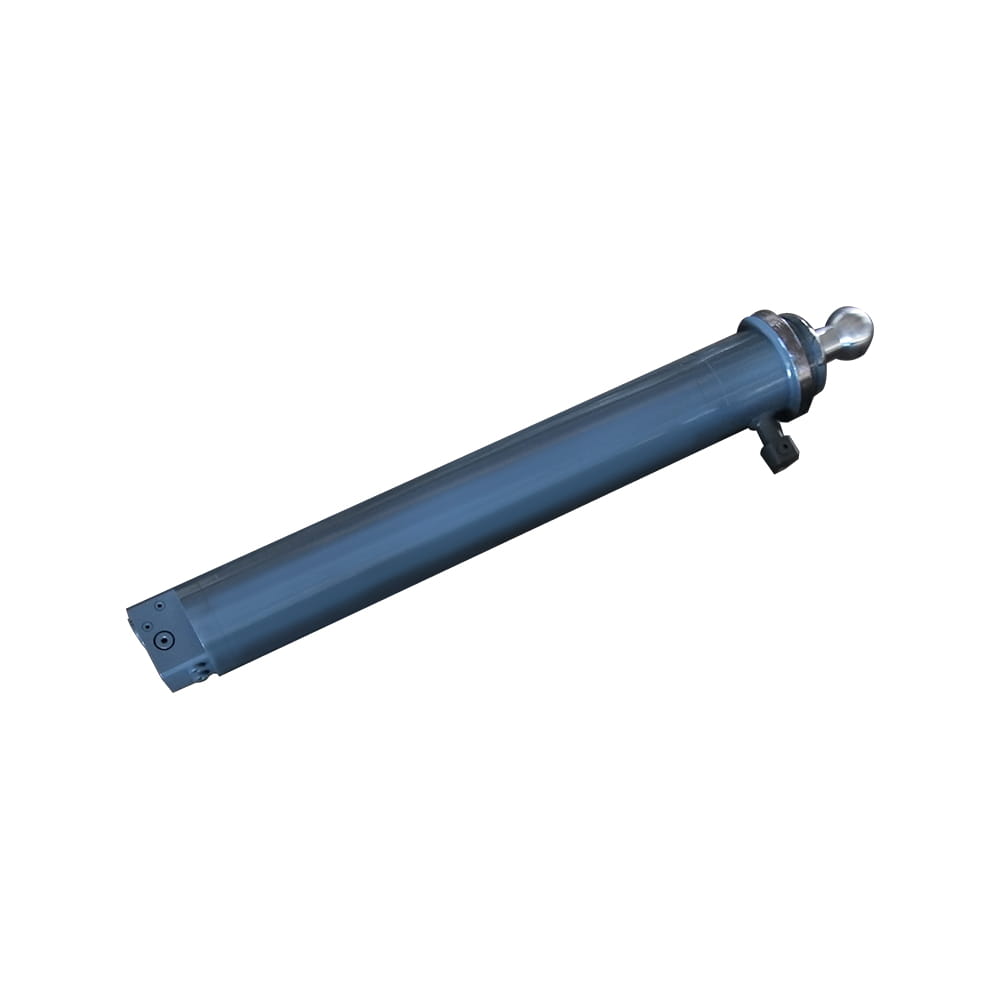
Scissor Lift Aerial Platform Hydraulic Outrigger Cylinder
Function: Firmly Supports the Vehicle: Ensures stability during operation. The ball-head foot automatically levels on slopes, while the integrated balance valve...
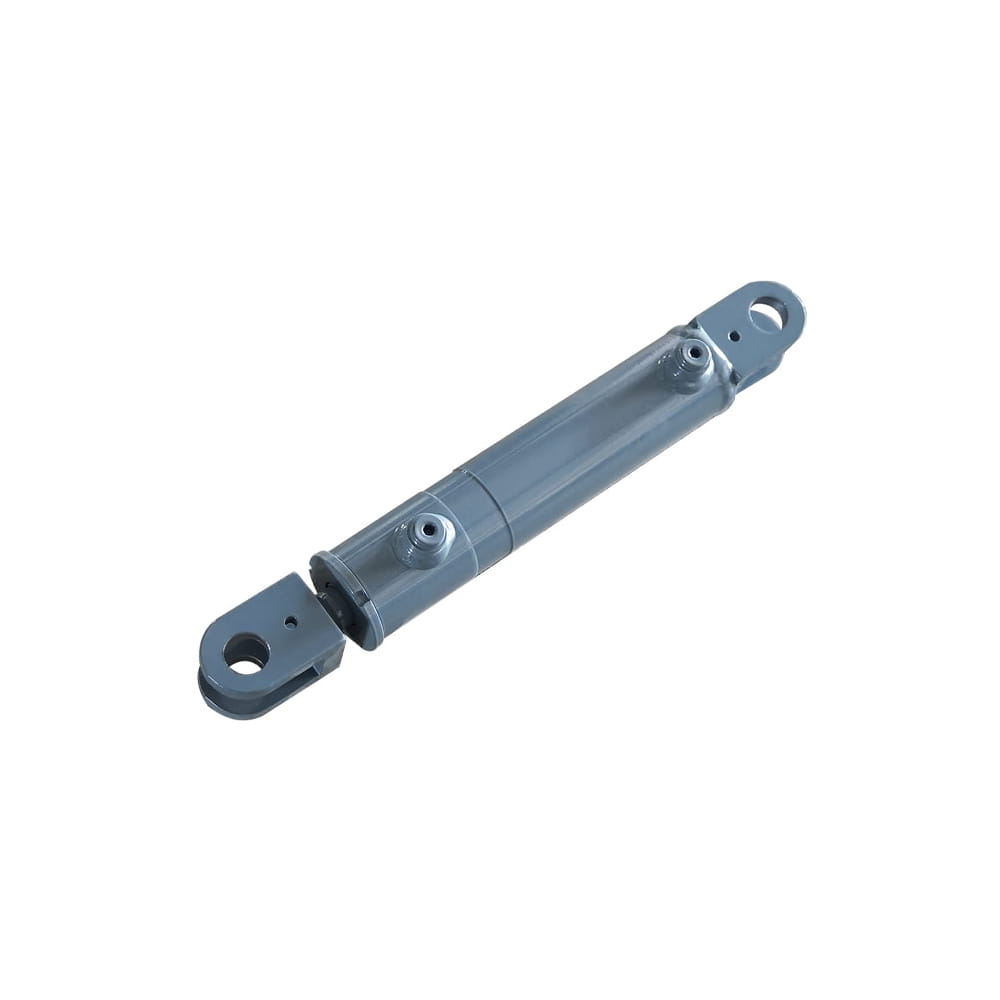
Scissor Lift Aerial Platform Hydraulic Steering Cylinder
Function: Connecting Chassis and Wheel Hub: Through hydraulic pressure, drives the piston rod to move, enabling precise wheel hub rotation. This ensures platfor...
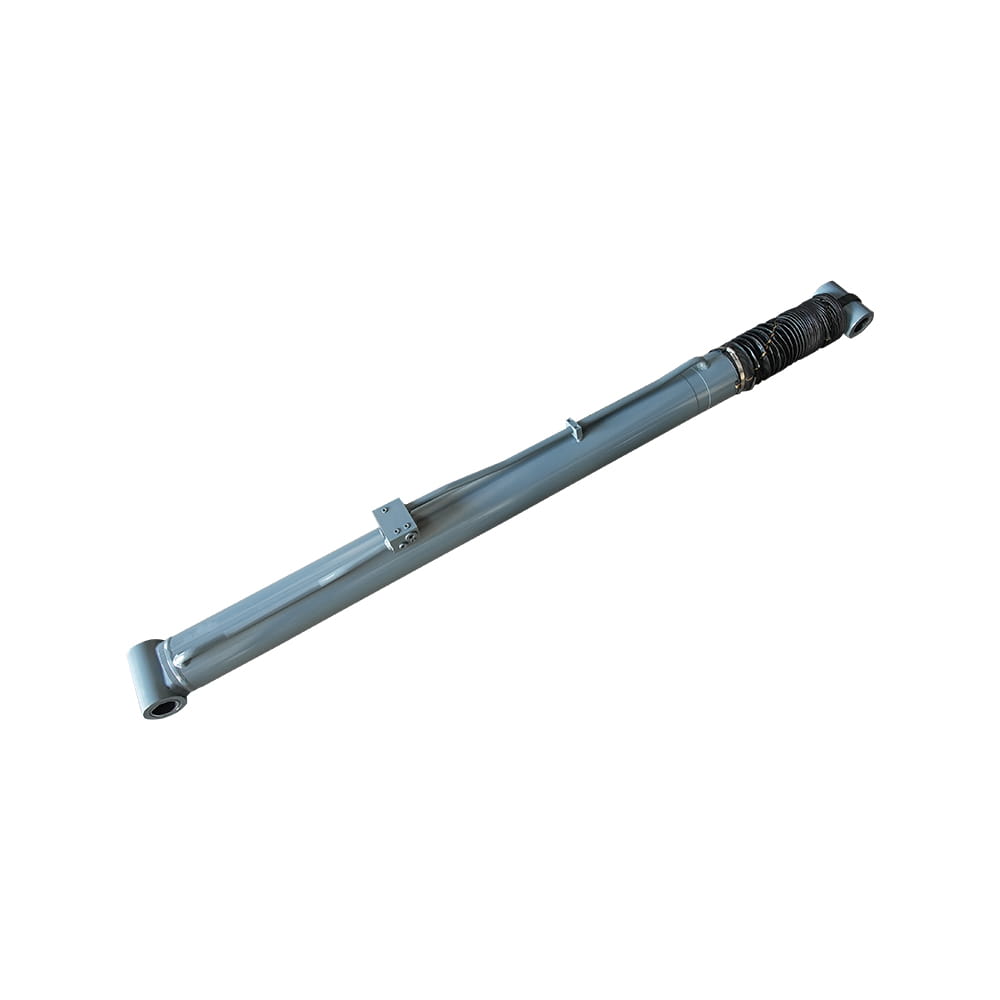
Boom Lift Aerial Platform Hydraulic Luffing Cylinder
Function: Adjust the angle of the telescopic arm to flexibly position the work platform at various heights and positions, meeting diverse aerial work requiremen...
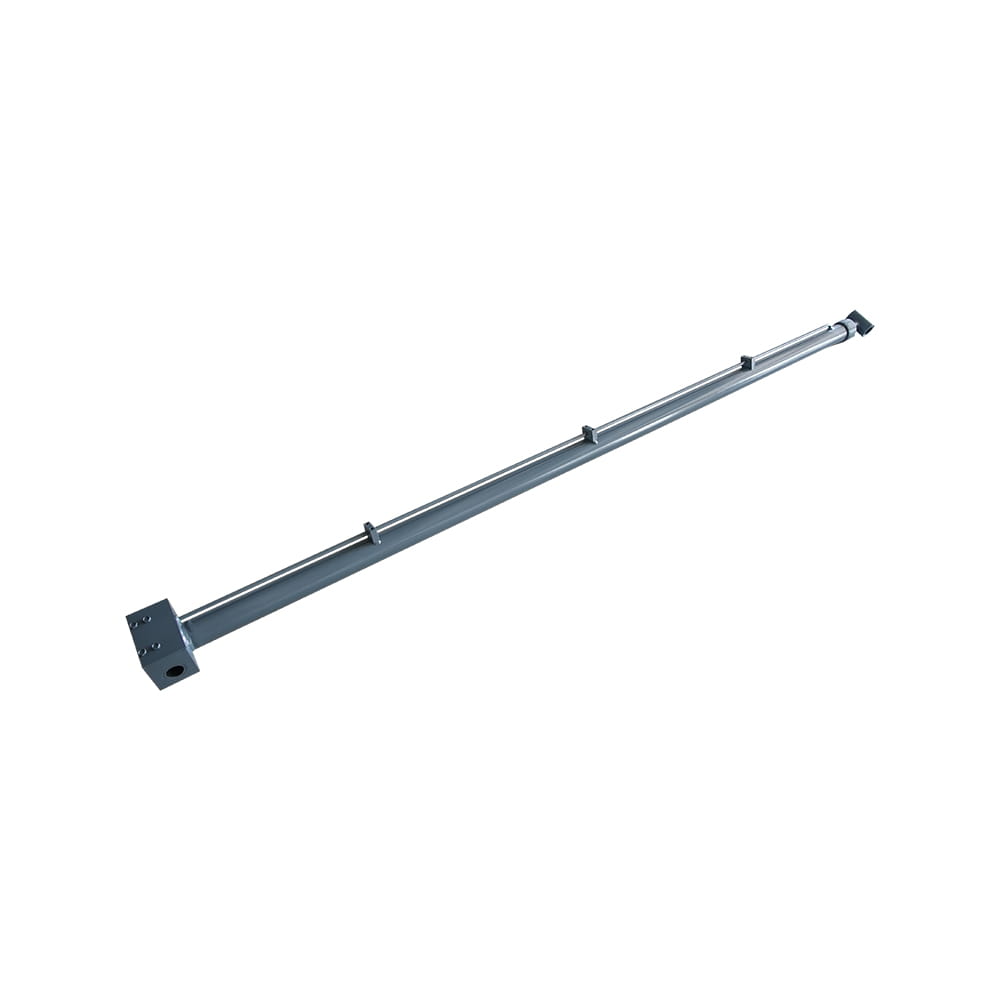
Boom Lift Aerial Platform Hydraulic Telescopic Cylinder
Function: Adjust the length of the arm to allow the aerial work platform to lift and move flexibly, ensuring range and height requirements.
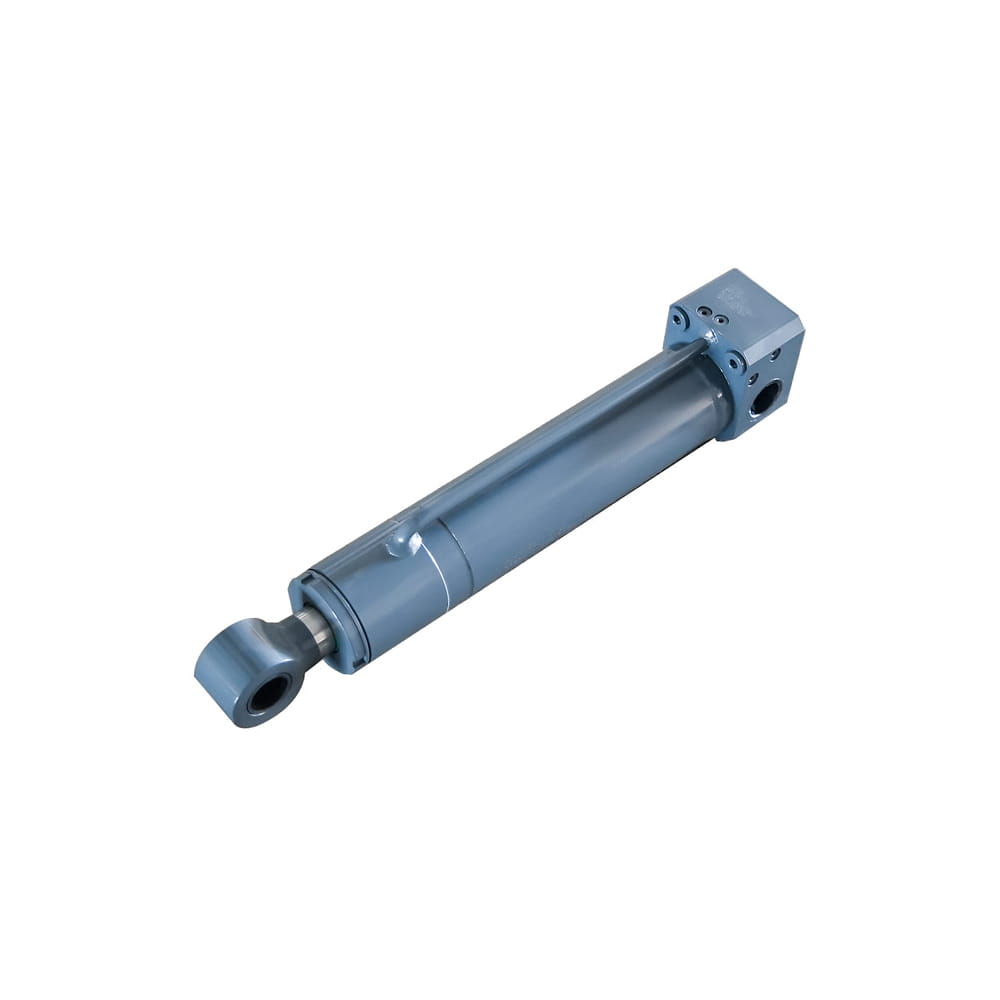
Boom Lift Aerial Platform Hydraulic Frame Leveling Cylinder
Function: Automatically adjust the chassis at the bottom of the platform to a level state, ensuring stable and wobble-free support in different terrains and wor...
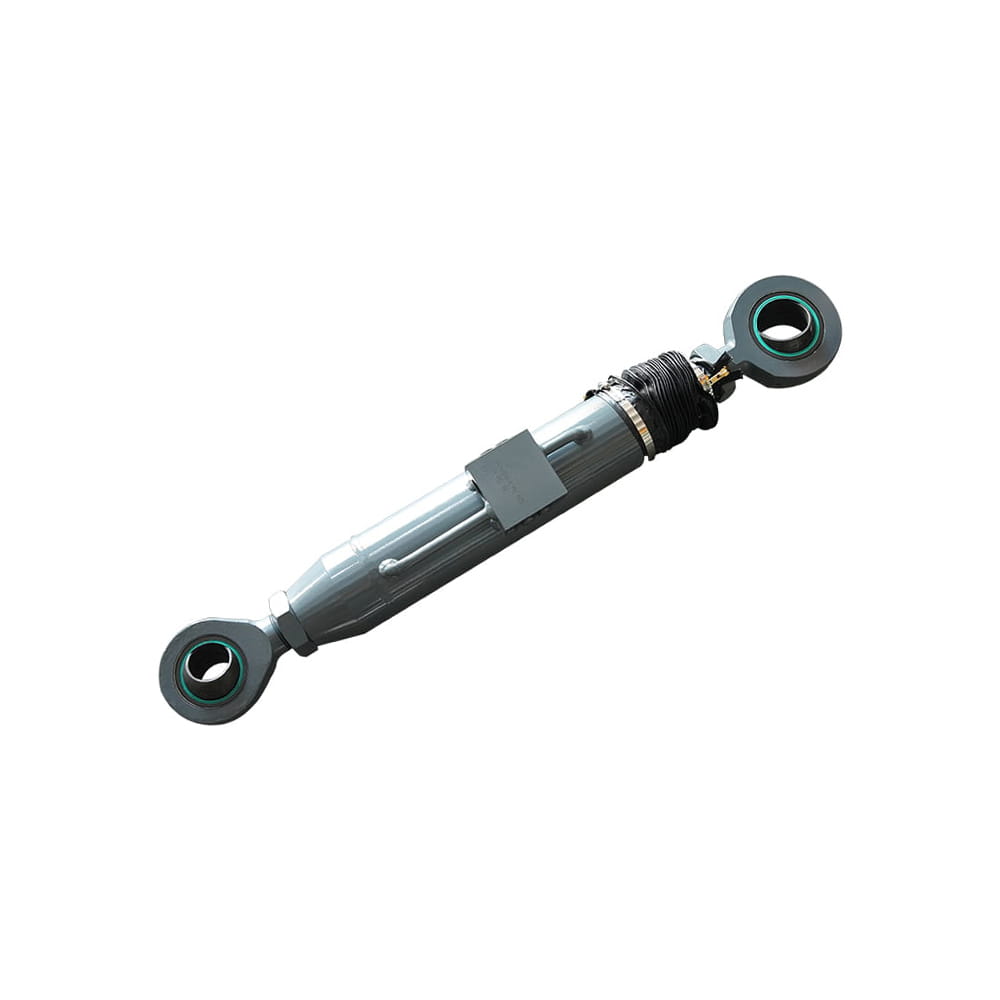
Boom Lift Aerial Platform Hydraulic Bridge Extension Cylinder
Function: An important design that enhances adaptability and working range. This function allows the platform to widen its chassis under specific conditions to ...
Copyright © by Zhejiang Huanfeng Machinery Co., Ltd. Rights Reserved.
