
 English
 中文简体
中文简体 русский
 Español
 Português
 عربى
عربىProduct Consultation
Your email address will not be published. Required fields are marked *
A mobile crane operator notices a faint, gravelly whine from the hydraulic pump during a cold-morning start. The machine still cycles normally, but when the filter is opened at the next service, a technician finds fine metallic particles in the oil. That sequence shows how quickly hydraulic cavitation moves from an unusual noise to system-wide damage.
Cavitation is the second most common cause of hydraulic pump failure, behind contamination. It can also erode pump housings, valve spools, and hydraulic cylinder surfaces, leading to expensive repairs and unplanned downtime. This guide explains what hydraulic cavitation is, what triggers it, how to recognize it, and how to prevent it.
Content
Cavitation is the formation and collapse of vapor-filled bubbles in a hydraulic fluid. It occurs when the local pressure in the oil drops below the fluid's vapor pressure. At that point, dissolved gases and the lighter fractions of the oil vaporize to create small cavities or bubbles. When those bubbles travel downstream and the pressure recovers, they collapse violently. Each collapse releases a concentrated shock wave that can erode nearby metal surfaces.
Cavitation almost always begins in the pump, because the pump is where fluid is accelerated and where pressure changes are most extreme. Two forms of cavitation are recognized in hydraulic systems:
| Cavitation Type | Location | Typical Trigger | Damage Pattern |
|---|---|---|---|
| Suction Cavitation | Pump inlet | Clogged filter, undersized suction line, high fluid viscosity, low reservoir level | Pitting at the inlet side; eroded gear teeth or piston shoes |
| Discharge Cavitation | Pump outlet | Blocked outlet path, rapid pressure spikes, overrunning loads | Erosion at the outlet side; scoring on bearings and housing |
Regardless of whether cavitation appears on the suction or discharge side, the underlying mechanism is the same: the pump is not receiving the fluid it needs, or the pressure on the discharge side is behaving unpredictably. Field experience points to a consistent set of root causes.
Most of these conditions develop gradually. A filter loads up, a hose softens and collapses, or a cold spell thickens the oil. By the time the noise appears, the damage may already be in progress.
Cavitation is both audible and visible if you know what to check. These are the most common warning signs:
When these signs appear together, cavitation is the likely culprit. The common signs of hydraulic cylinder malfunction often overlap with cavitation symptoms, because both point back to the same contaminated and poorly supplied fluid.
Cavitation and aeration are frequently confused because both produce noise and foamy oil. Cavitation is a pressure-related process: bubbles form from the hydraulic fluid itself when pressure drops below the vapor pressure. Aeration is an ingress problem: outside air leaks into the system through loose fittings, a damaged shaft seal, or a low reservoir level that lets the pump draw air.
| Observation | Cavitation | Aeration |
|---|---|---|
| Bubble source | Forms inside the fluid | Air enters from outside |
| Typical noise | Crackling at the pump inlet | Rumbling throughout the circuit |
| Oil appearance | Frothy return line, clears quickly | Foam in the reservoir; milky in severe cases |
| Most common cause | Restricted inlet, high viscosity | Loose fittings, defective seals, low fluid level |
Cavitation damage is mechanical, not chemical. Each collapsing bubble releases a shock wave that can exceed the yield strength of common structural metals. Repeated collapses chip and pit the surface, leaving erosion patterns that look like a sponge or a coarse sand finish.
In pumps, erosion appears on gear teeth, vane tips, or swash plates. The real problem is what happens next. Eroded metal particles enter the circulating fluid and travel through valves, hoses, and hydraulic cylinders. In a cylinder, those particles score the piston rod and the bore, cut dynamic seals, and accelerate internal leakage. A cylinder with a scored rod eventually leaks externally; a cylinder with a worn piston seal drifts under load and loses lifting force.
For mobile machines such as cranes, aerial platforms, and tow trucks, the consequences are immediate: slower cycle times, load-holding problems, and seized actuators. In piling machinery, the same erosion patterns appear in rotary drilling rig cylinders and pipe jacking cylinders, where high forces and dirty environments increase the damage rate.
Prevention starts at the pump inlet. Most cavitation cases are solved by ensuring the pump receives an uninterrupted supply of clean fluid at the correct temperature and viscosity. These practices have proven effective across construction, material handling, and mobile equipment fleets:
Routine attention to fluid quality also plays a central role. The same oil circulates through the pump and the cylinders, so the principles behind proper lubrication and fluid management directly support cavitation prevention on the entire machine.
Cavitation is a system-level problem, but the damage often shows up in the cylinders first. On a truck-mounted crane, luffing and telescopic cylinders handle the heaviest loads and the most frequent reversals. When a cavitating pump sends contaminated fluid into these cylinders, the rods get scored, the seals lose their wiping action, and the machine loses lifting confidence. Cylinder selection in such applications should account for rod surface hardness, seal robustness, and tolerance to particulate contamination.
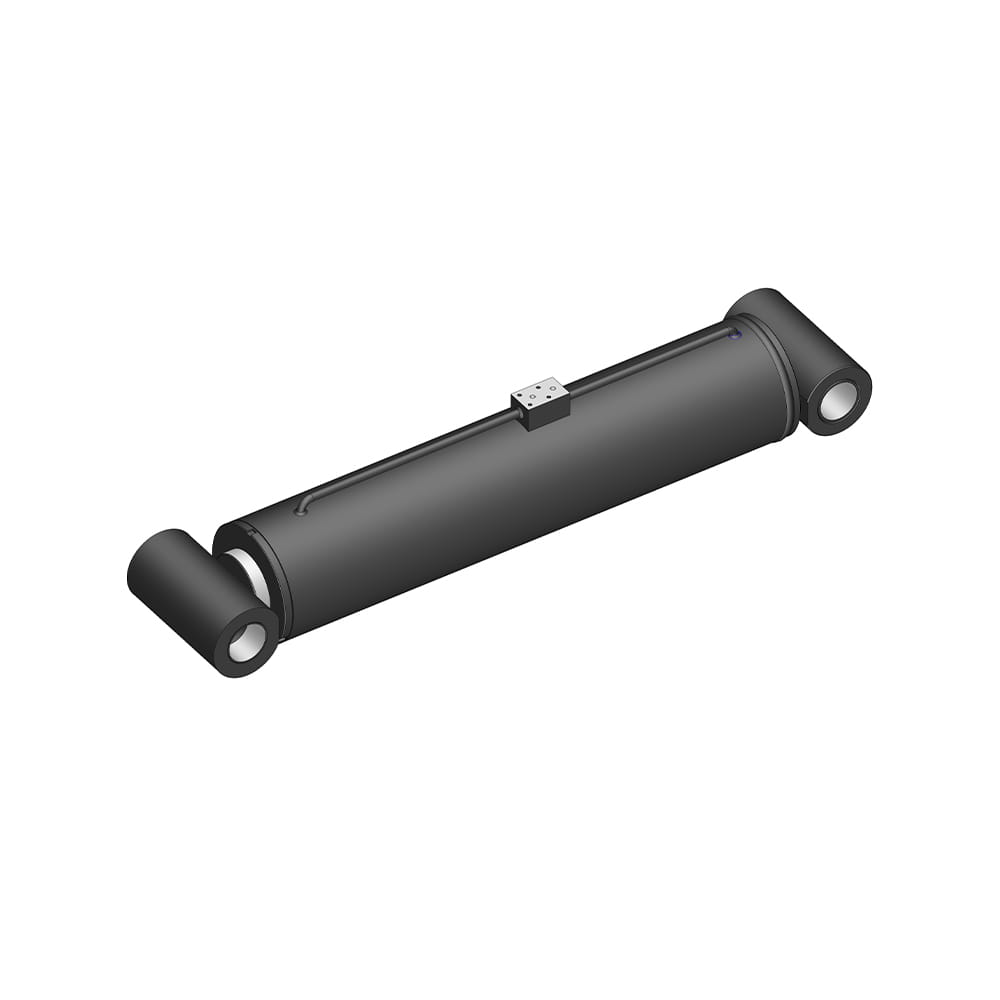 Truck-Mounted Crane Luffing Cylinder for Heavy-Duty Boom ControlThis cylinder manages boom angle adjustment on truck-mounted cranes. Its rod hardness and sealing performance matter when cavitation introduces contaminants, so it is worth reviewing for applications requiring reliable lifting and minimal wear.View Product →
Aerial work platforms face a similar risk. Leveling and luffing cylinders work continuously to adjust the basket while the platform moves over uneven terrain. Cavitation-induced particles accelerate seal wear in these cylinders, causing drift and jerky movement at height, which is both unsafe and costly to repair.
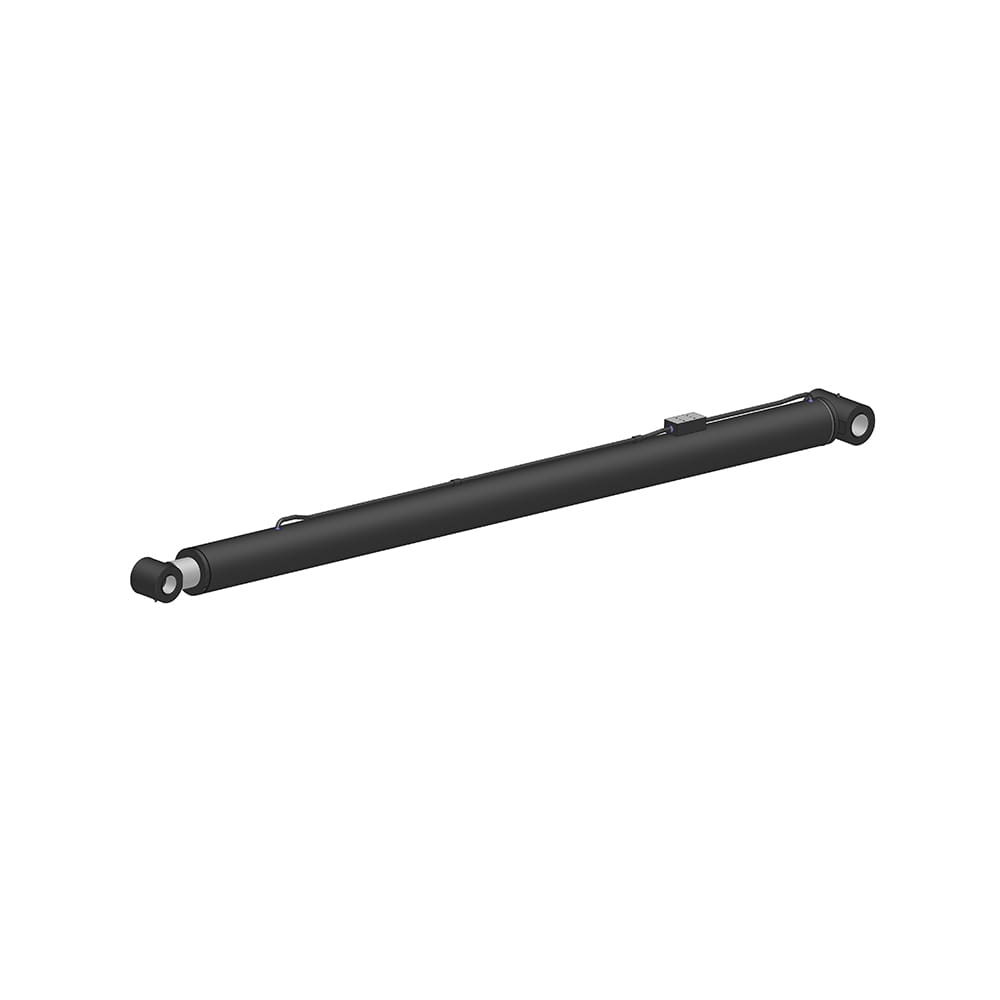 Aerial Work Vehicle Luffing Cylinder for Boom Elevation StabilityThis cylinder adjusts boom elevation on aerial work platforms. Given the risk of seal wear and jerky movement from cavitation-induced particles, its stable operation is critical for safe positioning at height, making it a key component to evaluate.View Product →
At Zhejiang Huanfeng Machinery Co., Ltd., we manufacture hydraulic cylinders for cranes, aerial work platforms, tow trucks, bridge inspection vehicles, and piling equipment. When machine builders ask us for cylinders, one of the first questions we ask is whether cavitation has been an issue in their fleet. That single question tells us whether to recommend harder chrome plating, upgraded seal kits, or tighter internal clearances to keep the cylinder working under degraded fluid conditions.
Cavitation is not a mystery. It is a predictable, pressure-related process with clear causes, clear symptoms, and proven prevention methods. The cost of ignoring it is far higher than the cost of prevention: a pump fails, the machine stops, and if eroded metal reaches the cylinders, the repair bill multiplies.
Listen for the whine. Inspect the oil. Check the suction side. Keep the fluid at the right level, viscosity, and cleanliness. These habits lower pump failure rates, extend cylinder life, and keep hydraulic equipment producing before cavitation gets a chance to destroy it.
Your email address will not be published. Required fields are marked *
Marvelous Design Meets Rigorous Manufacturing
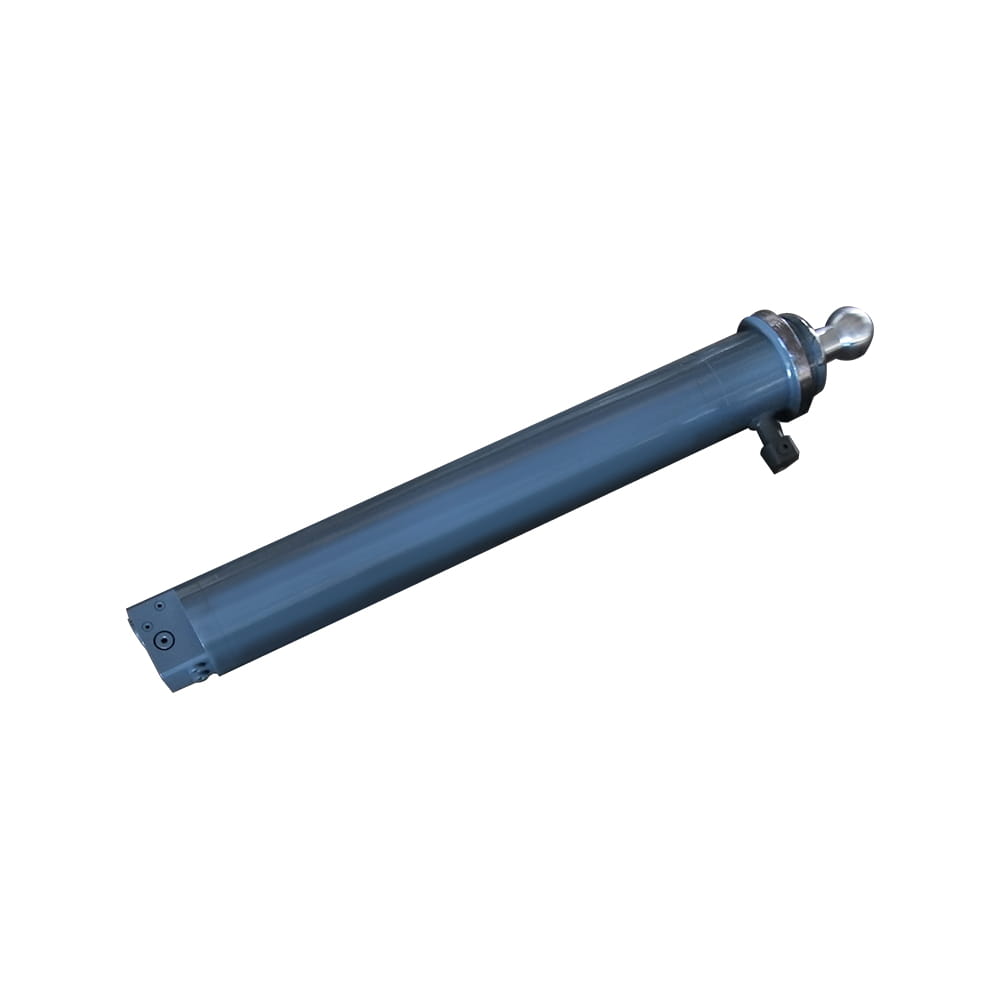 Scissor Lift Aerial Platform Hydraulic Outrigger Cylinder
Function: Firmly Supports the Vehicle: Ensures stability during operation. The ball-head foot automatically levels on slopes, while the integrated balance valve...
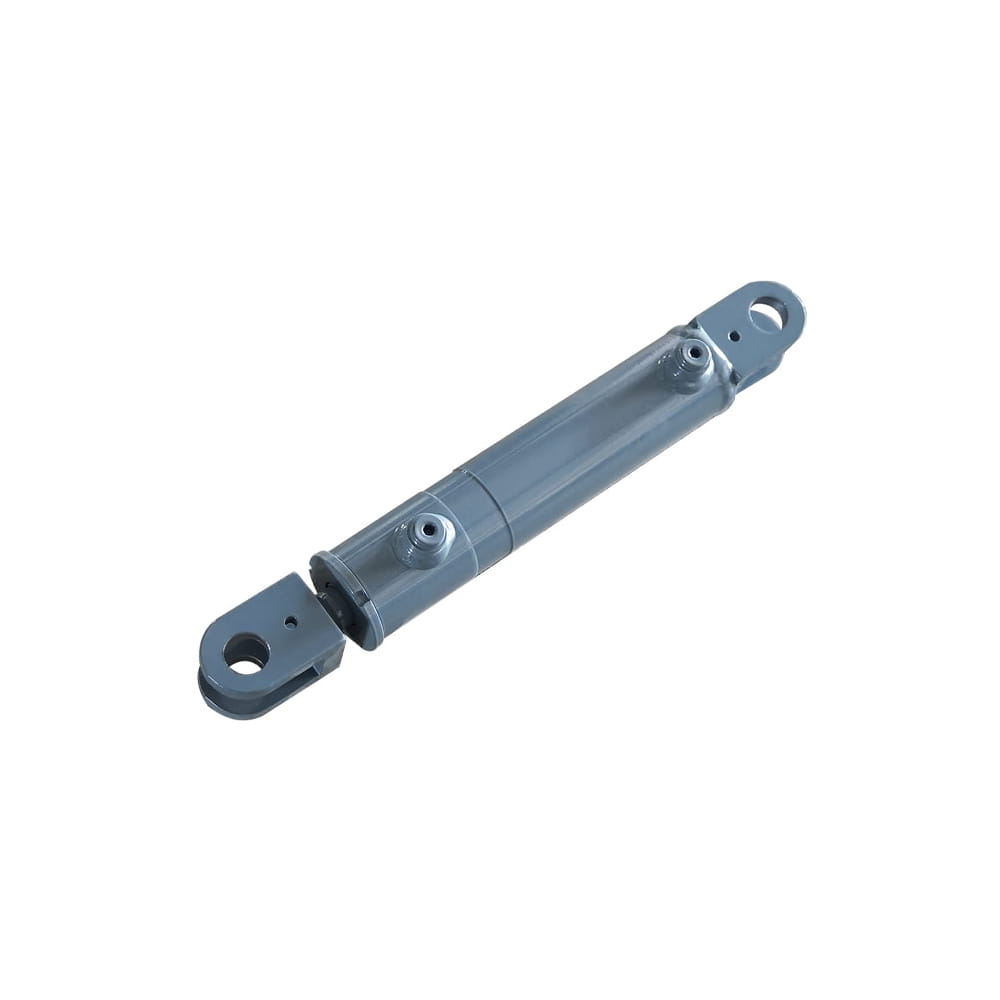 Scissor Lift Aerial Platform Hydraulic Steering Cylinder
Function: Connecting Chassis and Wheel Hub: Through hydraulic pressure, drives the piston rod to move, enabling precise wheel hub rotation. This ensures platfor...
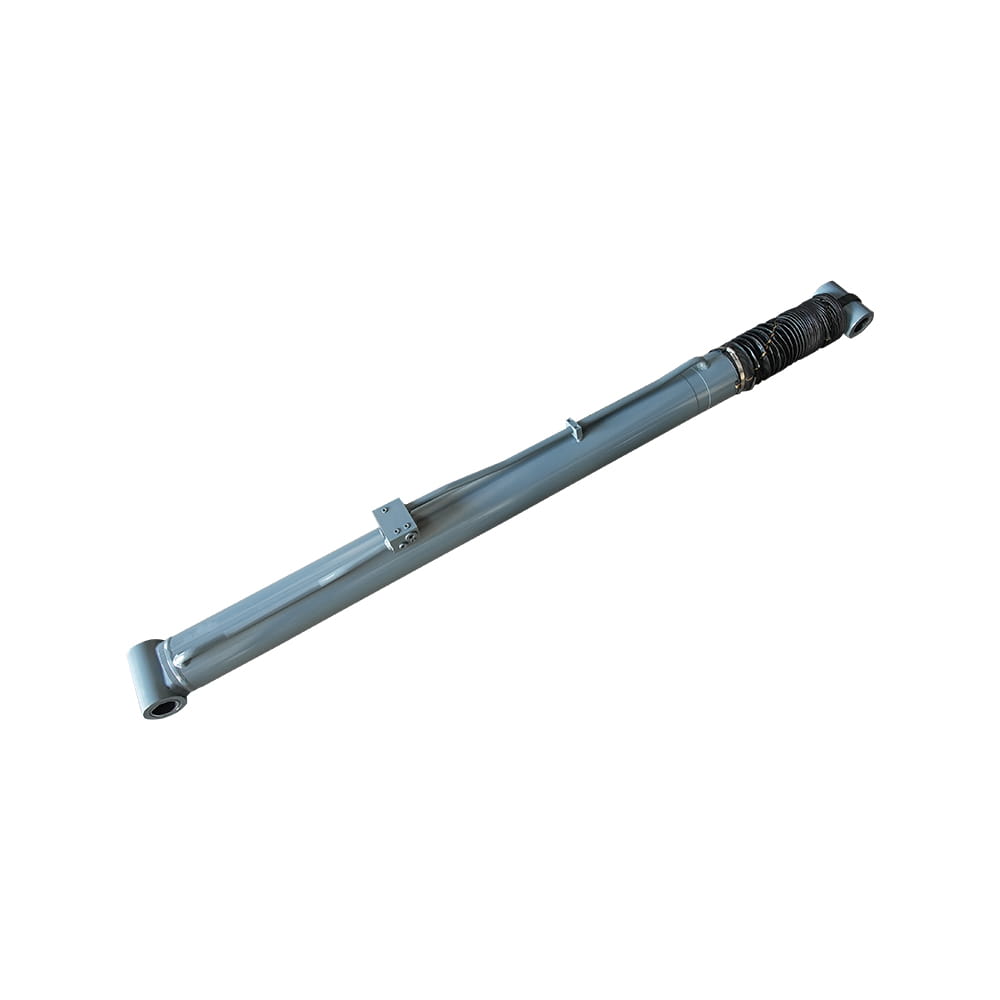 Boom Lift Aerial Platform Hydraulic Luffing Cylinder
Function: Adjust the angle of the telescopic arm to flexibly position the work platform at various heights and positions, meeting diverse aerial work requiremen...
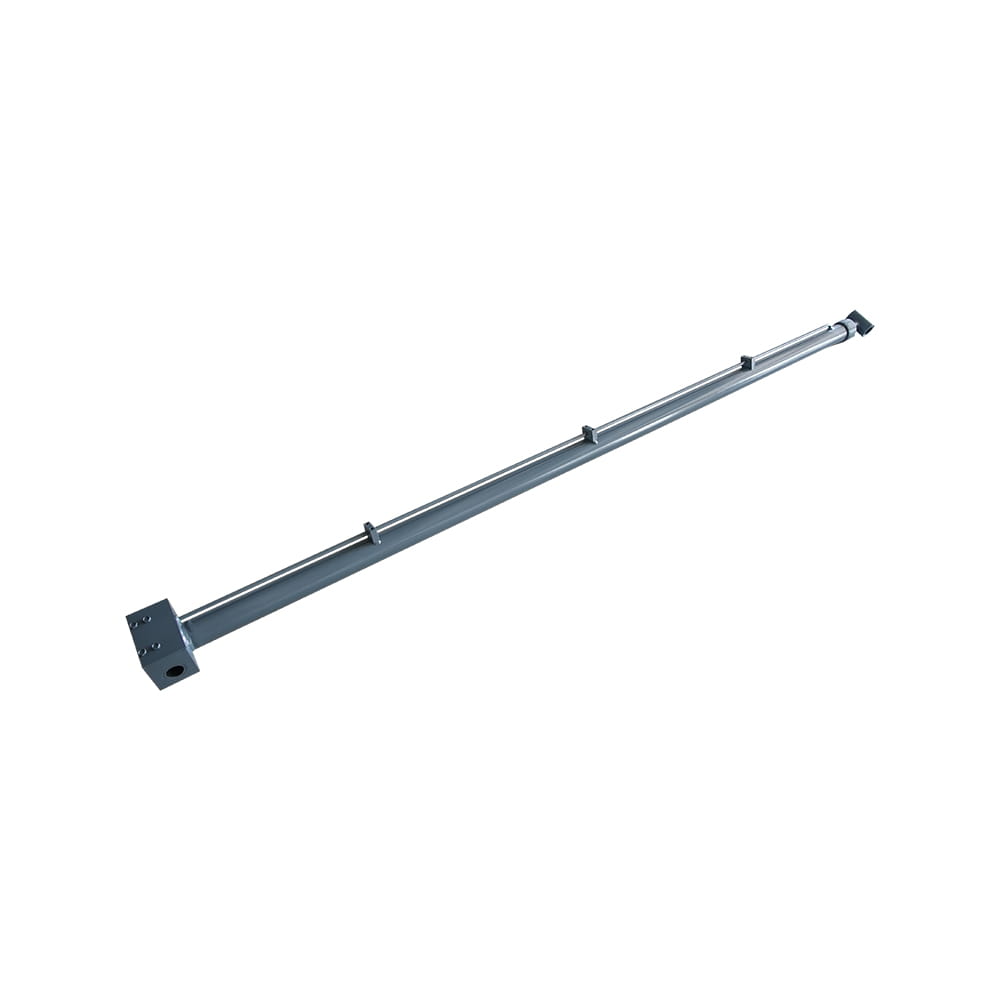 Boom Lift Aerial Platform Hydraulic Telescopic Cylinder
Function: Adjust the length of the arm to allow the aerial work platform to lift and move flexibly, ensuring range and height requirements.
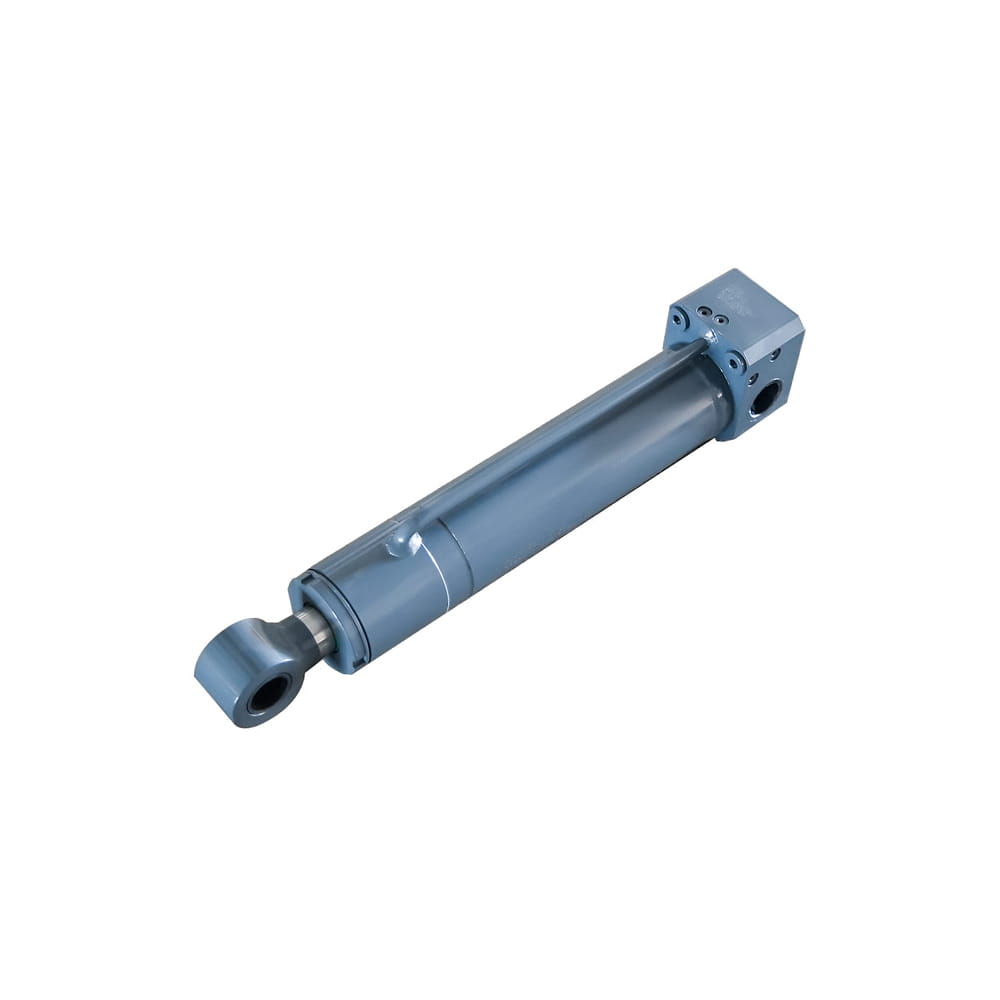 Boom Lift Aerial Platform Hydraulic Frame Leveling Cylinder
Function: Automatically adjust the chassis at the bottom of the platform to a level state, ensuring stable and wobble-free support in different terrains and wor...
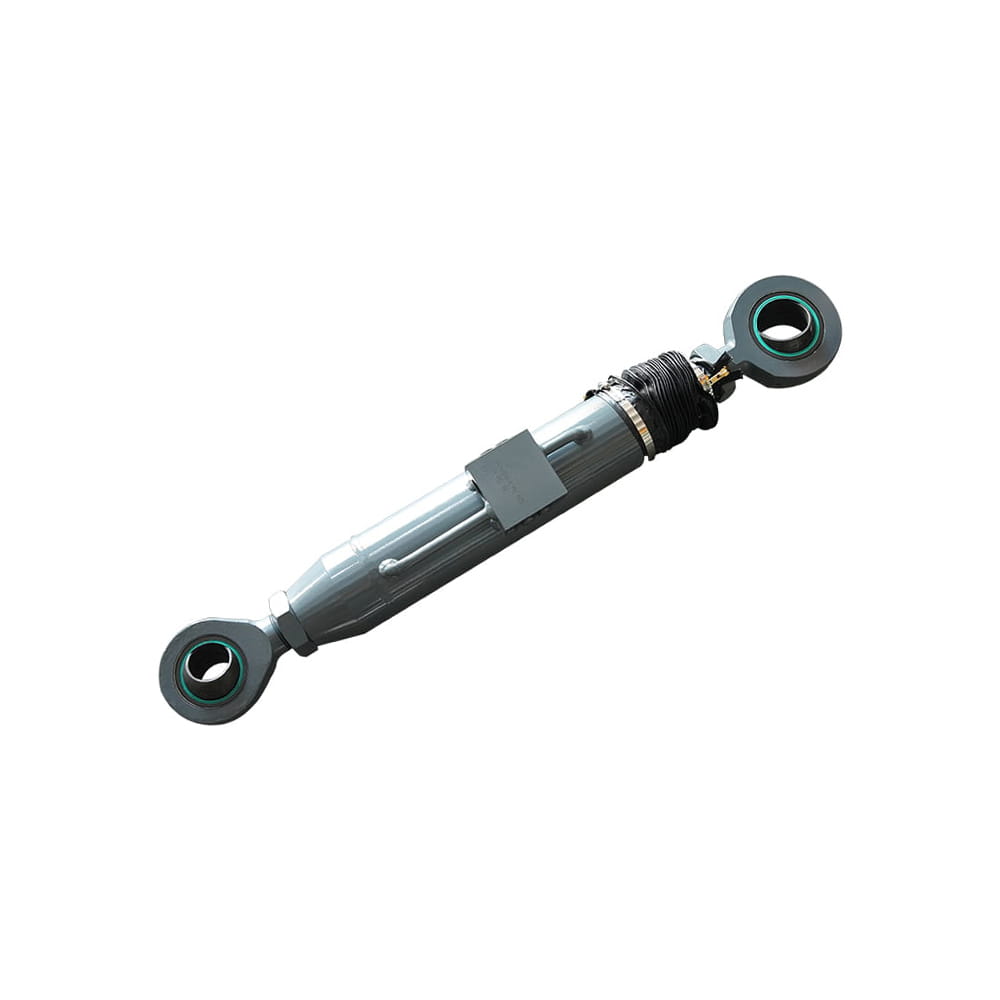 Boom Lift Aerial Platform Hydraulic Bridge Extension Cylinder
Function: An important design that enhances adaptability and working range. This function allows the platform to widen its chassis under specific conditions to ...
Copyright © by Zhejiang Huanfeng Machinery Co., Ltd. Rights Reserved.
