
 English
 中文简体
 русский
 Español
 Português
 عربى
Product Consultation
Your email address will not be published. Required fields are marked *
A clevis bracket looks simple: two ears, a pin hole, and a mounting face. In a hydraulic cylinder system, however, it sets alignment, transfers load, and decides how easily the joint can be serviced. On mobile machinery, where vibration, side load, and weather are normal, those small details often determine whether a rod end lasts for years or starts to leak and wear ahead of schedule. This guide covers the practical points that matter when specifying, installing, or maintaining a clevis bracket.
Content
A clevis bracket creates a pinned connection between a cylinder and the structure it moves. The rod-end clevis is a U-shaped fork that straddles a mating bracket; a base clevis or double-ear bracket is fixed to the frame and holds the cylinder cap end between its ears. A pin passes through aligned holes and is kept in place with a cotter pin, snap ring, or bolt.
The pin allows rotation as a boom, outrigger, or steering linkage travels, reducing bending moments that would otherwise reach the rod, gland, and seals. A good bracket keeps the cylinder stroke in plane, spreads load across the ears, and gives the pin a clean bearing surface. A narrow, soft, or misaligned bracket can bind the pin or transfer load into the rod, shortening seal life and leading to scored rods or cracked ears.
Rod-end clevises are common on steering, outrigger, scissor-lift, and specialty vehicle cylinders. The fork may be machined into the rod end, threaded on, or welded to a rod eye. Threaded designs allow fine adjustment, but they need a reliable lock.
A base clevis or double-ear bracket is usually part of the machine frame. It may be welded or bolted in place. The ears should be parallel and the holes coaxial after welding. If the bracket is welded before finishing, post-weld line boring or reaming helps prevent a stiff joint.
Weld-on brackets suit permanent structural joints. Bolt-on designs simplify replacement and shimming. Adjustable arrangements can help with linkage setup, but they add parts that must be checked for movement. For most cylinder applications, repeatable alignment matters more than extra adjustment range.
Select the bracket with the cylinder, not after it. Start with pin diameter and load direction. The pin needs enough bearing area in both the clevis ears and the mating eye. Ear thickness, hole diameter, and pin material should be reviewed together: a hard pin in a soft ear can wear the hole, while a soft pin in a hard ear can bend or shear.
A clevis allows rotation in one plane; it is not a universal joint. If machine geometry introduces significant off-axis force, a spherical bearing or another mount may be better. Review the cylinder's mounting style and load case before releasing the bracket drawing.
For a broader view of cylinder sizing and mounting, see our notes on key design considerations when selecting a hydraulic cylinder for a specific application. The same logic applies here: small dimensional choices affect service life.
Most clevis brackets on mobile equipment use mild steel or a weldable alloy steel. The grade should match the welding procedure and the strength needed at the ears. Highly loaded joints may use quenched and tempered steel, but they need a welding plan that controls cracking and distortion. Cast or forged clevis ends are also used where shape and grain flow justify the cost.
Pin-hole tolerance is critical. Too tight, and assembly damages the bore; too loose, and impact loading accelerates wear. Bushings, hardened pins, or replaceable wear sleeves can extend life. For outdoor equipment, primer, powder coating, or plated pins help control corrosion, but coating thickness must not close up the pin fit.
| Mounting Style | Motion Allowed | Typical Use | Main Inspection Point |
|---|---|---|---|
| Clevis bracket | Rotation in one plane | Outriggers, steering, lift arms | Pin, ear holes, and alignment |
| Flange mount | Limited rotation | Fixed industrial cylinders | Bolt torque and flange face |
| Trunnion mount | Rotation about a defined axis | Large boom and lift cylinders | Trunnion bore and bearing wear |
| Spherical bearing | Multi-axis misalignment | High side-load or uneven geometry | Bearing play and seal condition |
The table is a starting point, not a substitute for a joint review. A clevis bracket suits planar motion and accessible pins. If the structure deflects or the cylinder must tolerate multi-axis misalignment, another mounting method may reduce stress on the rod and seals.
During assembly, insert the pin by hand whenever possible. If it must be driven in, stop and check alignment. The rod should move through full stroke without the pin binding or the rod being pulled sideways. Use new or sound retaining hardware, and lock threaded clevises as instructed.
In service, inspect the bracket with the cylinder. Look for elongated pin holes, cracked welds, loose bolts, worn bushings, and fretting around the ears. A little pin clearance may be normal; growing clearance, a wear ridge, or changed machine alignment is not.
At Zhejiang Huanfeng Machinery, we have designed and produced hydraulic cylinders since 2004 for cranes, aerial work platforms, special vehicles, piling machinery, and pipe jacking equipment. Clevis brackets often come up when a customer needs a pinned joint to fit an existing frame, or when field wear points back to pin alignment. We prefer to review the mounting interface with the cylinder envelope, load case, and service access, because that is where many avoidable failures begin.
For scissor lifts, the lifting cylinder and clevis details must fit a compact frame while keeping lift stable and pin loading predictable. Our scissor-lift hydraulic lifting cylinder range is one place to start.
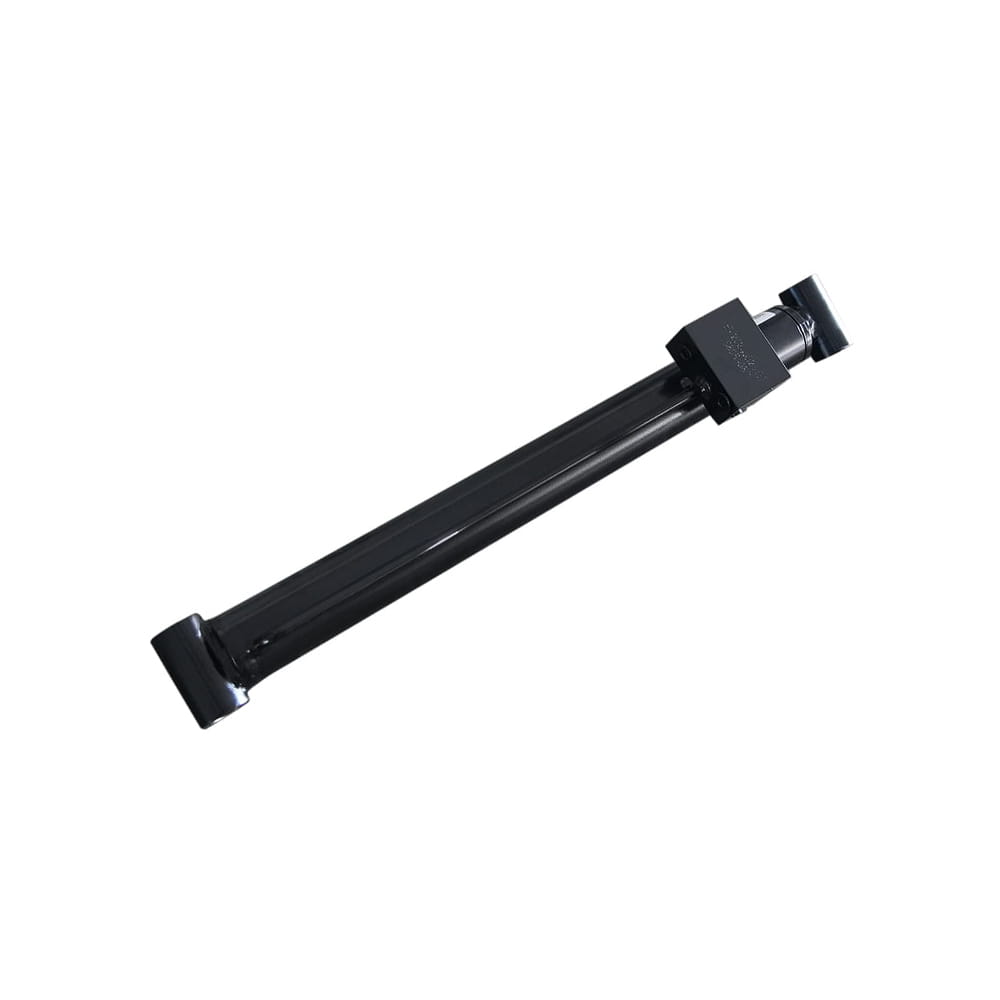 Scissor Lift Aerial Platform Hydraulic Lifting CylinderSingle-acting lifting cylinders with damping holes, hinge-shaft mounting, and 25 MPa rating support stable, smooth scissor-lift platform ascent and descent.View Product →
Pipe jacking cylinders face high thrust and harsh site conditions, so the main jacking cylinder and its pinned joint must stay aligned under repeated load.
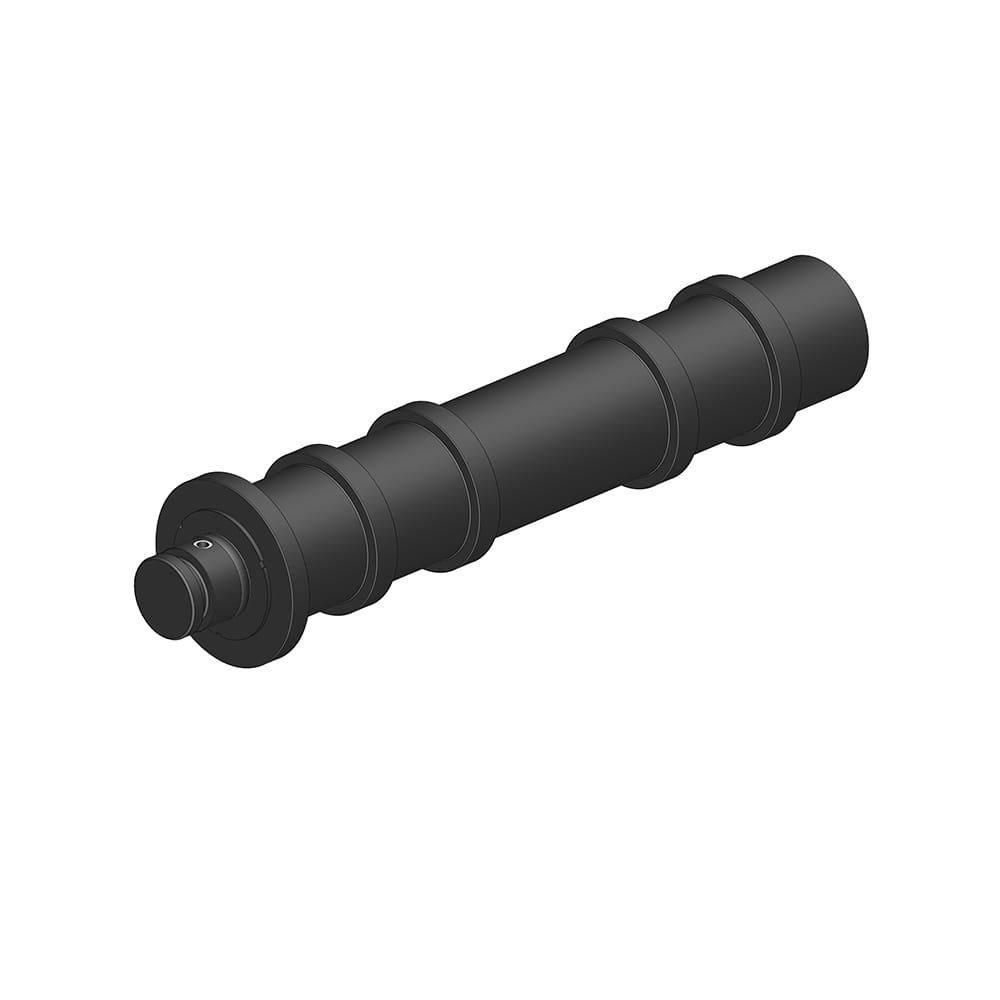 Pipe Jacking Machine Hydraulic Main Jacking CylinderHigh-thrust main jacking cylinder with 35 MPa working pressure and flange or keycard connection for stable pipe advancement in demanding ground.View Product →
Truck-mounted crane outrigger cylinders also rely on robust pinned connections; bracket, pin, and cylinder end should be treated as one load path.
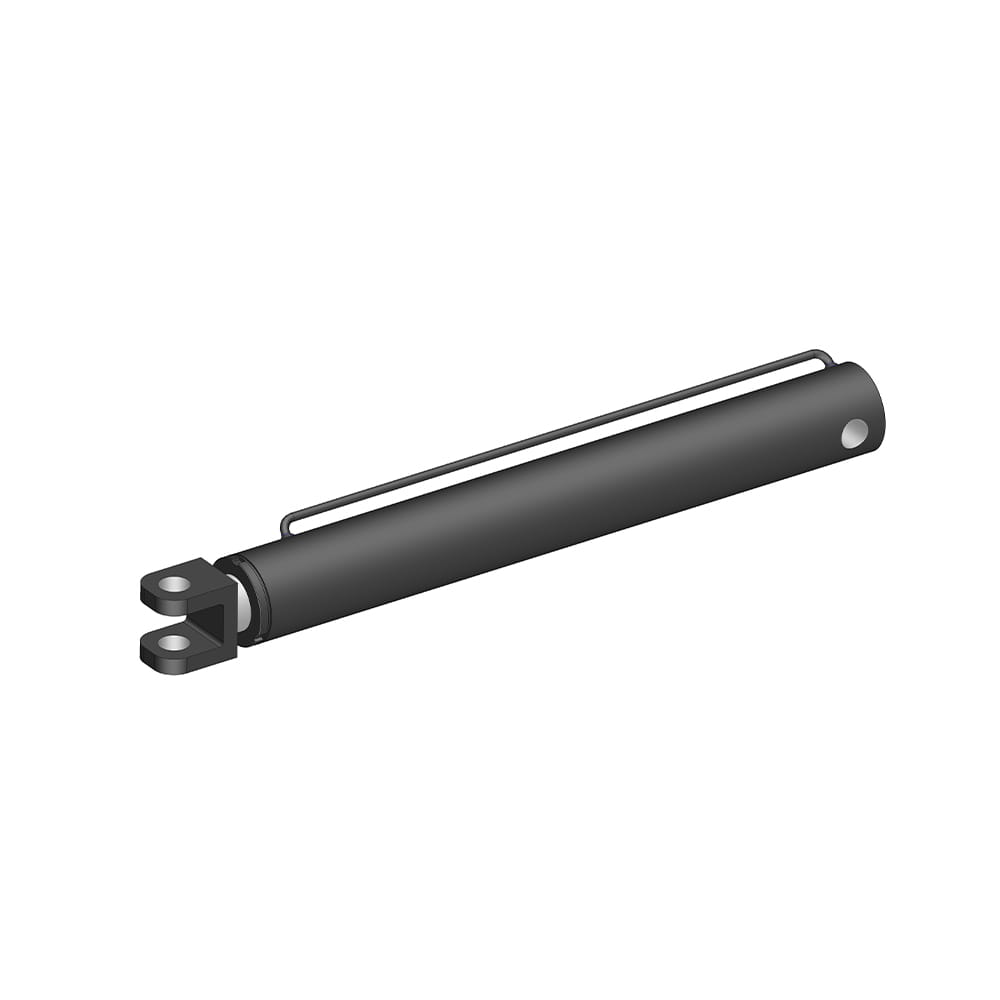 Truck-Mounted Crane Hydraulic Outrigger CylinderOutrigger cylinders with optional sensors, hinge-shaft or flange mounting, and 31.5 MPa rating help stabilize truck-mounted cranes on uneven terrain.View Product →
If you are reviewing a clevis bracket for a new cylinder or tracing wear on an existing machine, our team can compare the mounting interface with stroke, pressure, and duty cycle. A short conversation about pin size, ear thickness, and service access often prevents a much longer repair.
Your email address will not be published. Required fields are marked *
Marvelous Design Meets Rigorous Manufacturing
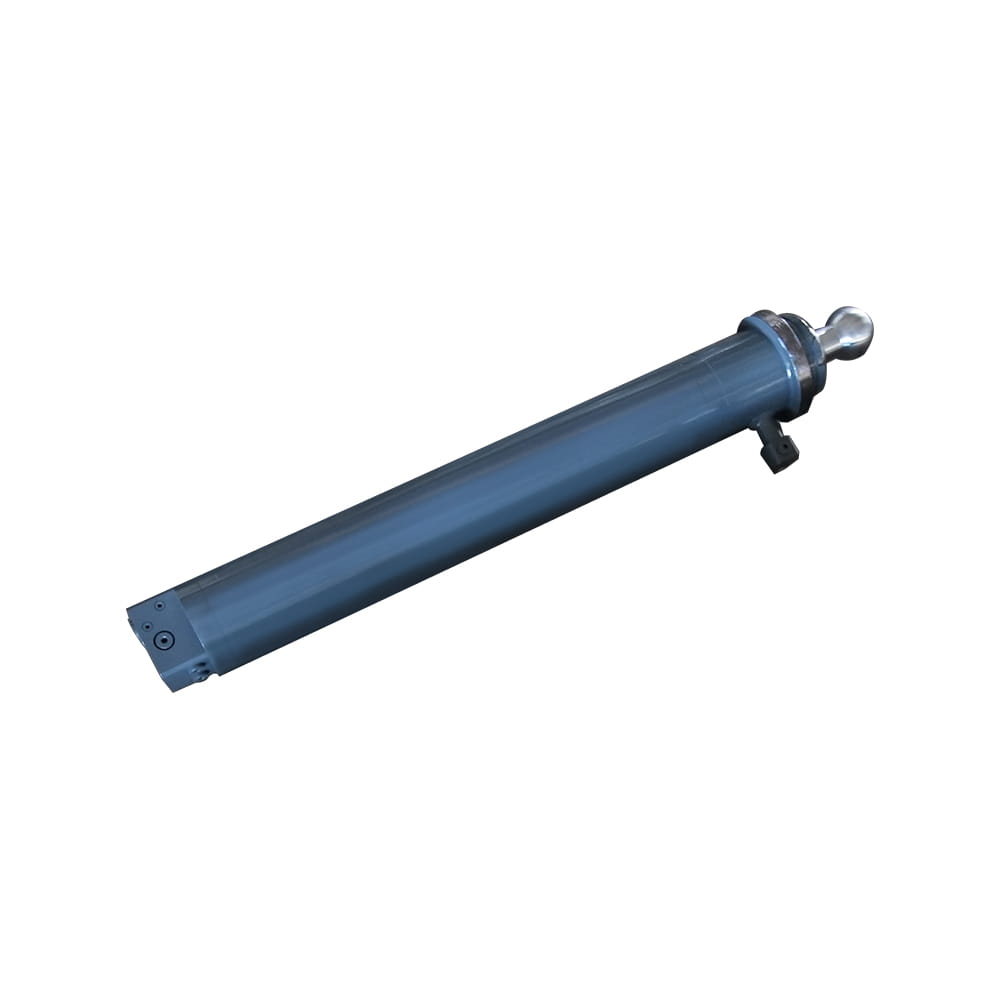 Scissor Lift Aerial Platform Hydraulic Outrigger Cylinder
Function: Firmly Supports the Vehicle: Ensures stability during operation. The ball-head foot automatically levels on slopes, while the integrated balance valve...
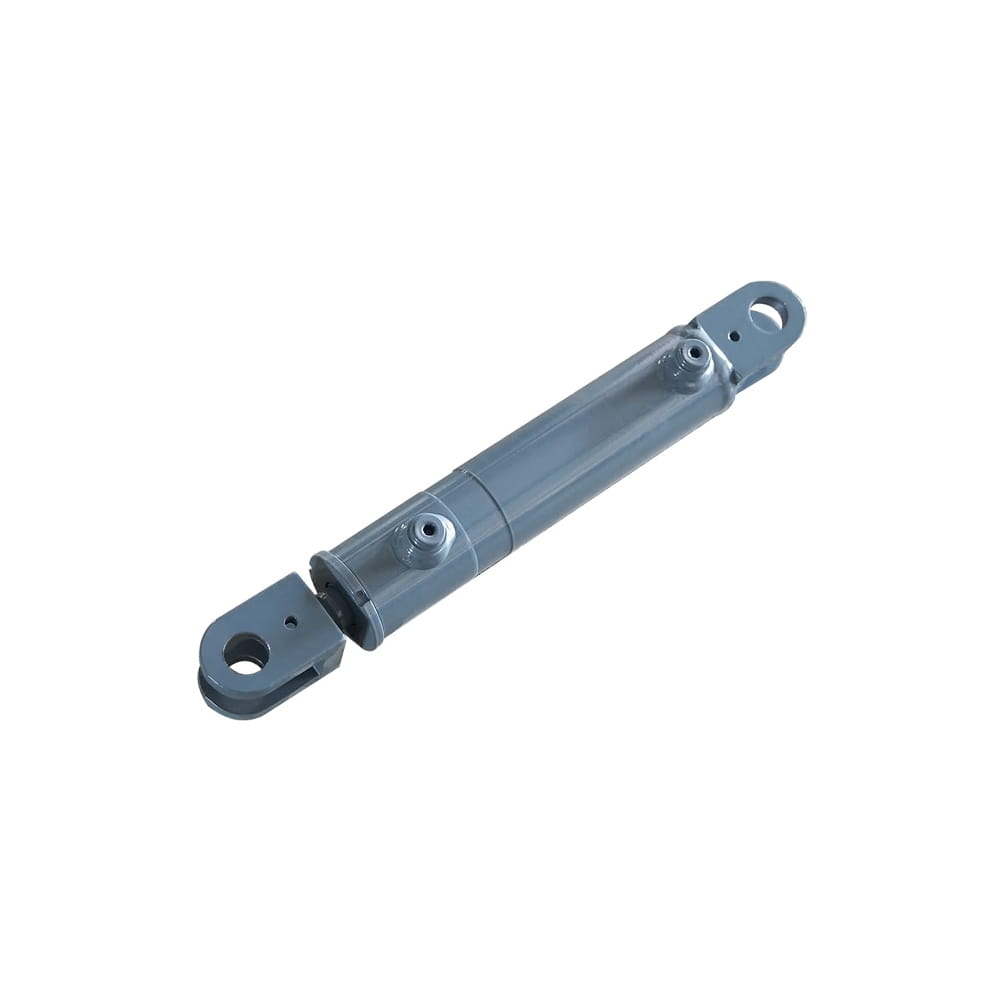 Scissor Lift Aerial Platform Hydraulic Steering Cylinder
Function: Connecting Chassis and Wheel Hub: Through hydraulic pressure, drives the piston rod to move, enabling precise wheel hub rotation. This ensures platfor...
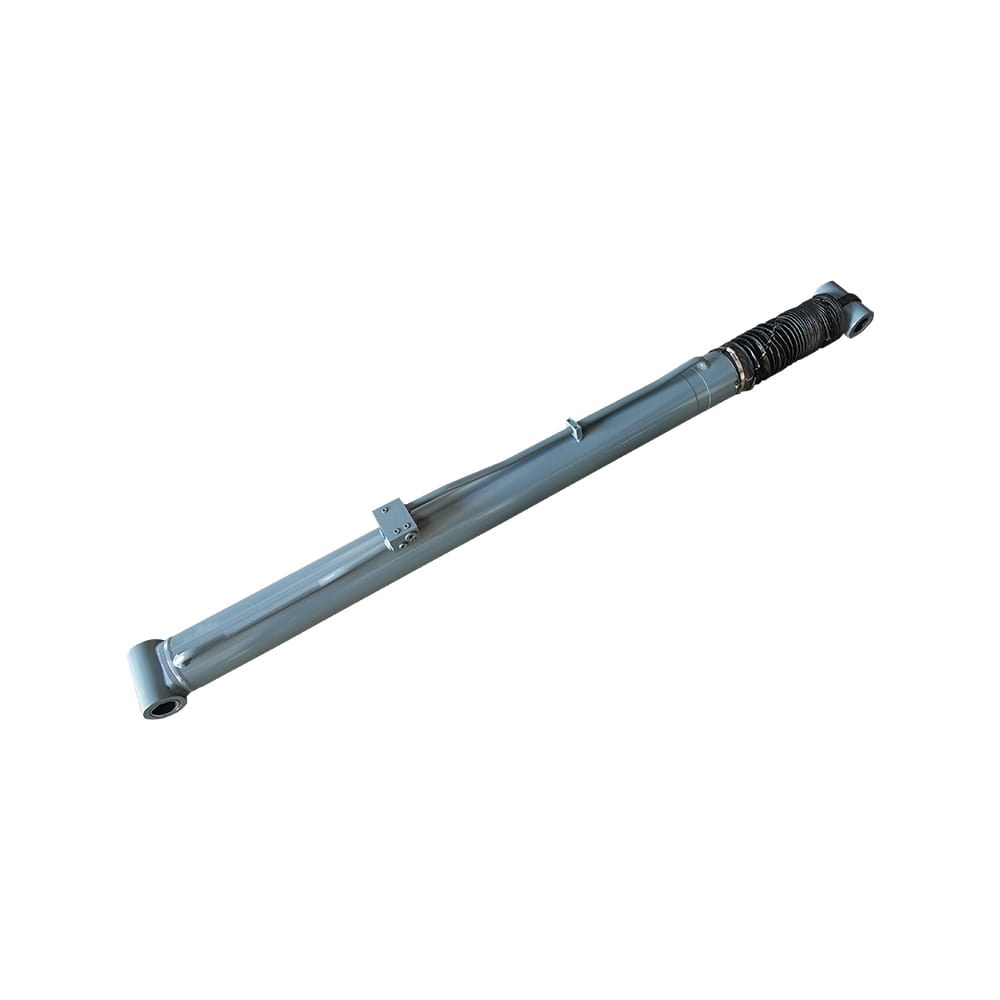 Boom Lift Aerial Platform Hydraulic Luffing Cylinder
Function: Adjust the angle of the telescopic arm to flexibly position the work platform at various heights and positions, meeting diverse aerial work requiremen...
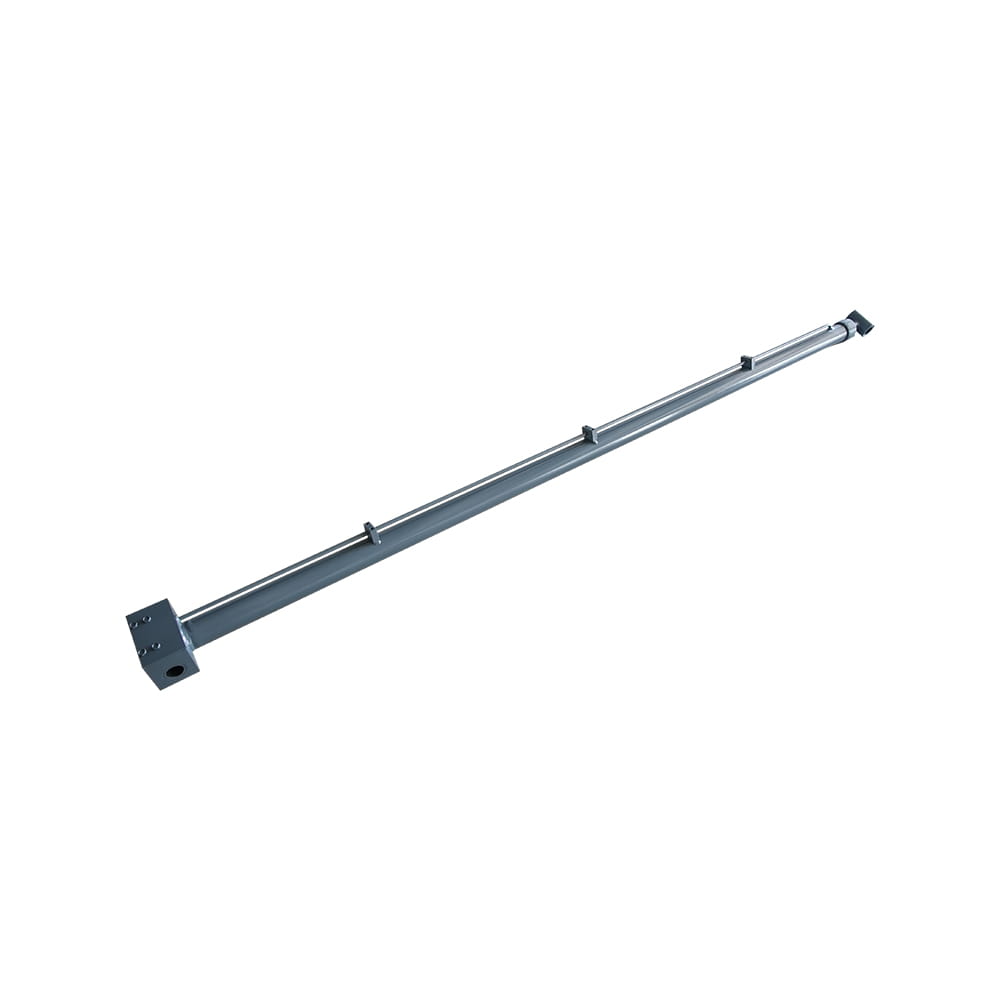 Boom Lift Aerial Platform Hydraulic Telescopic Cylinder
Function: Adjust the length of the arm to allow the aerial work platform to lift and move flexibly, ensuring range and height requirements.
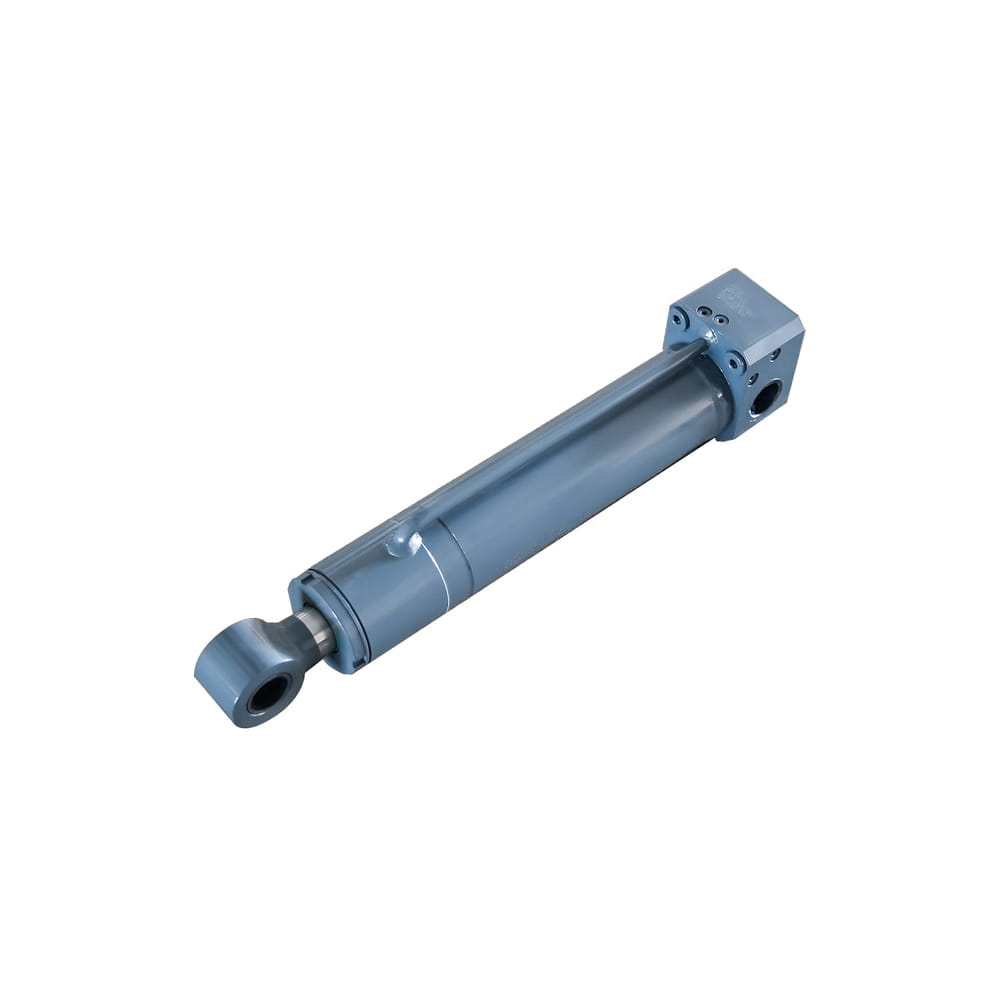 Boom Lift Aerial Platform Hydraulic Frame Leveling Cylinder
Function: Automatically adjust the chassis at the bottom of the platform to a level state, ensuring stable and wobble-free support in different terrains and wor...
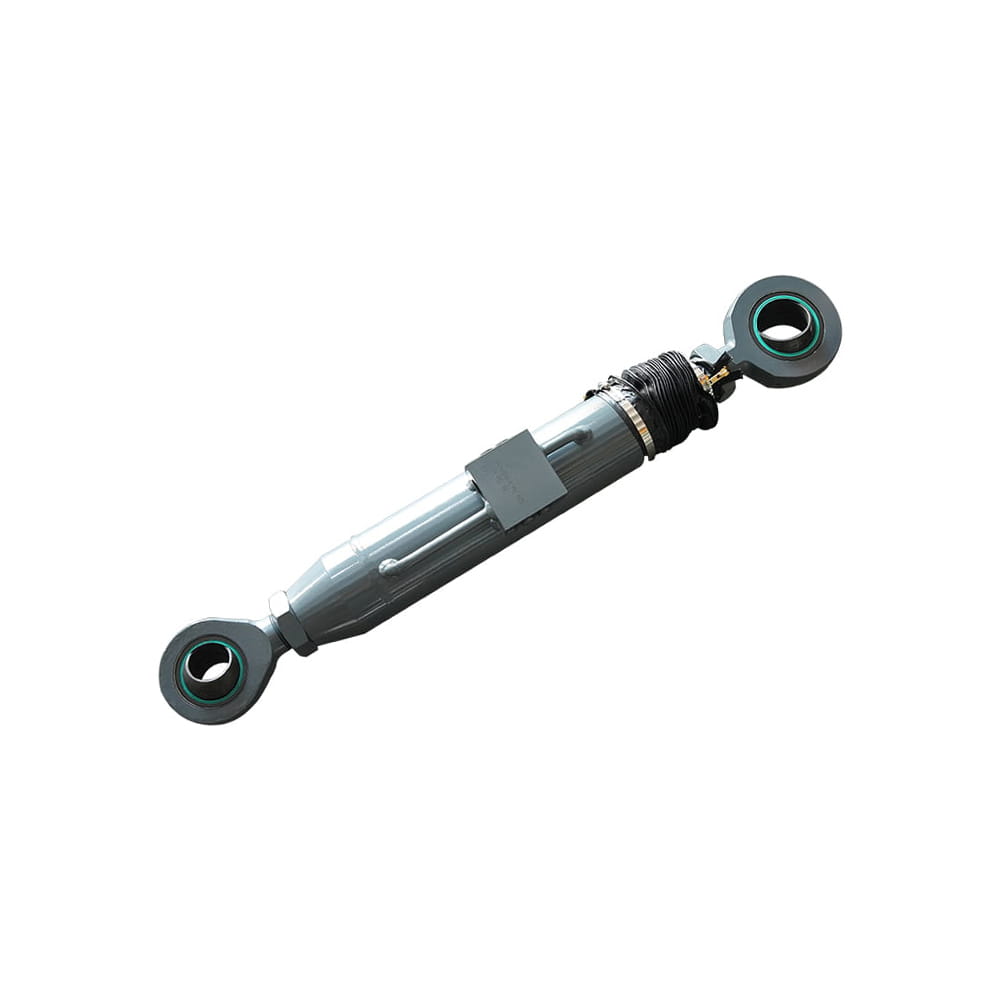 Boom Lift Aerial Platform Hydraulic Bridge Extension Cylinder
Function: An important design that enhances adaptability and working range. This function allows the platform to widen its chassis under specific conditions to ...
Copyright © by Zhejiang Huanfeng Machinery Co., Ltd. Rights Reserved.
