
 English
 中文简体
中文简体 русский
 Español
 Português
 عربى
عربىProduct Consultation
Your email address will not be published. Required fields are marked *
Content
Crane hydraulic cylinders are the mechanical heart of modern lifting equipment. They act as the primary lifting devices that achieve weight lifting, expansion, rotation, and other critical actions of core components, directly determining the efficiency, stability, and safety of lifting operations. Without properly engineered hydraulic cylinders, even the most structurally sound crane cannot convert hydraulic pressure into the controlled, powerful movement that heavy-load operations demand.
At their most fundamental level, hydraulic cylinders operate on Pascal's principle: pressure applied to a confined fluid transmits equally in all directions. In a crane context, this means that relatively compact hydraulic components can generate forces measured in hundreds of tonnes — sufficient to lift structural steel, precast concrete elements, industrial machinery, and other massive cargo that would be impossible to move by any mechanical means alone.
What distinguishes crane hydraulic cylinders from general industrial cylinders is the combination of extreme load requirements, dynamic operating conditions, and the safety-critical nature of the application. A failure mid-lift does not merely halt production — it creates an immediate risk to personnel and cargo. This is why each hydraulic cylinder used in crane systems is meticulously designed and optimized for exceptional load-bearing capacity, stability, and reliability from the ground up.
Modern cranes require hydraulic cylinders to perform several mechanically distinct functions simultaneously or in coordinated sequence. Understanding each function clarifies why different cylinder configurations are used across a single crane platform.
The luffing cylinder controls boom angle, raising and lowering the boom relative to the crane body. These cylinders bear the combined weight of the boom structure, the load, and dynamic forces introduced by acceleration and wind. Luffing cylinders are typically large-bore, short-stroke designs built to sustain high compressive loads under static hold conditions for extended periods — often hours at a time when positioning loads during construction.
Telescopic boom extension is handled by multi-stage hydraulic cylinders that execute long-distance extension tasks with precision. A typical mobile crane may extend from a 10-meter stowed length to 50 meters or beyond using a sequence of nested cylinder stages, each extending sequentially under hydraulic pressure. These cylinders easily handle heavy-load lifting in extreme working conditions, maintaining structural rigidity and controlled movement even at full extension where leverage forces on the cylinder rod and seals are at their maximum.
Slewing and rotation functions use hydraulic motors and rotary actuators rather than linear cylinders, but linear cylinders play a critical supporting role in outrigger deployment. Outrigger cylinders extend horizontally and then vertically to stabilize the crane chassis during lifting operations. These components must resist both compressive loading from crane weight and lateral forces introduced by rotation and asymmetric load placement. Inadequate outrigger cylinder capacity is a leading contributor to crane tip-over incidents, underscoring how directly these cylinders determine operational safety.
The exceptional performance of crane hydraulic cylinders under extreme working conditions does not happen by chance. It results from systematic engineering decisions made at every stage of the design and manufacturing process. The following factors are central to achieving the load-bearing capacity and stability that lifting machinery requires:
Different crane types place distinct demands on their hydraulic cylinders. The table below maps common crane platforms to their primary cylinder configurations and performance priorities:
| Crane Type | Primary Cylinder Type | Key Performance Priority |
|---|---|---|
| Mobile Hydraulic Crane | Multi-stage telescopic | Extension range, load stability |
| Crawler Crane | Luffing (single or dual) | High-load static holding |
| Truck-Mounted Crane | Knuckle boom cylinders | Compact folding, reach flexibility |
| Offshore Crane | Compensator and luffing | Corrosion resistance, motion compensation |
| Tower Crane | Climbing and jacking cylinders | Precision height increment control |
Each configuration reflects the specific mechanical demands of that crane's working envelope. A truck-mounted crane that folds into a compact transport position requires a fundamentally different cylinder geometry than a crawler crane that holds a static load at a fixed radius for hours. Matching cylinder specification to crane platform is a prerequisite for reliable, safe performance.
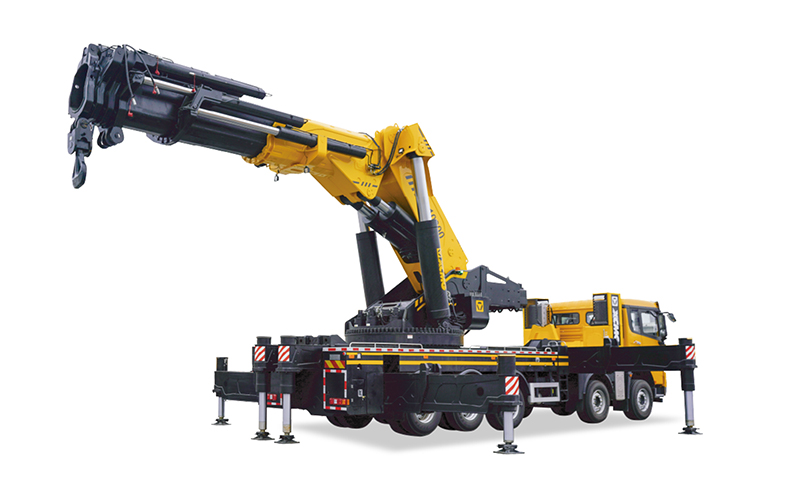
Even the most robustly designed crane hydraulic cylinders require structured maintenance to sustain their performance throughout their service life. Because these cylinders are safety-critical components, maintenance is not discretionary — it is a direct operational obligation that ensures smooth operation of lifting machinery during work and effectively safeguards both personnel and cargo.
Daily pre-operation checks should verify rod surface condition, visible seal integrity, and the absence of hydraulic fluid weeping at rod seals or port connections. Any rod scoring, pitting, or chrome flaking must be investigated immediately — surface damage accelerates seal wear and can lead to sudden pressure loss under load. Formal periodic inspections at manufacturer-specified intervals should include pressure testing, seal replacement assessment, and structural examination of mounting pins and clevis attachments.
Fluid contamination is the primary cause of premature seal failure and internal cylinder wear. Particulate contamination from worn components or inadequate filtration acts as an abrasive slurry inside the cylinder, degrading seals and scoring the bore surface. Maintaining hydraulic fluid at ISO cleanliness class 16/14/11 or better — using high-efficiency return-line filters and regular fluid sampling analysis — is the single most effective maintenance intervention for extending cylinder service life and reducing unplanned downtime.
When cranes are stored or transported with cylinders in the retracted position, rod surfaces are protected inside the cylinder barrel. For extended or partially extended positions during transport, protective sleeves or plastic rod covers should be applied to prevent impact damage and moisture-induced corrosion on chrome surfaces. This simple precaution prevents a significant proportion of field failures that occur shortly after a crane returns to service following a period of storage.
Procuring replacement or upgrade cylinders for crane applications requires a structured evaluation against operational requirements — not simply matching the physical dimensions of the outgoing component. The following criteria should guide the selection process:
Investing in properly specified, certified crane hydraulic cylinders — and maintaining them to the standards the application demands — is ultimately an investment in uninterrupted lifting productivity, regulatory compliance, and the safety of every person and load that passes through the working radius of the crane.
Your email address will not be published. Required fields are marked *
Marvelous Design Meets Rigorous Manufacturing
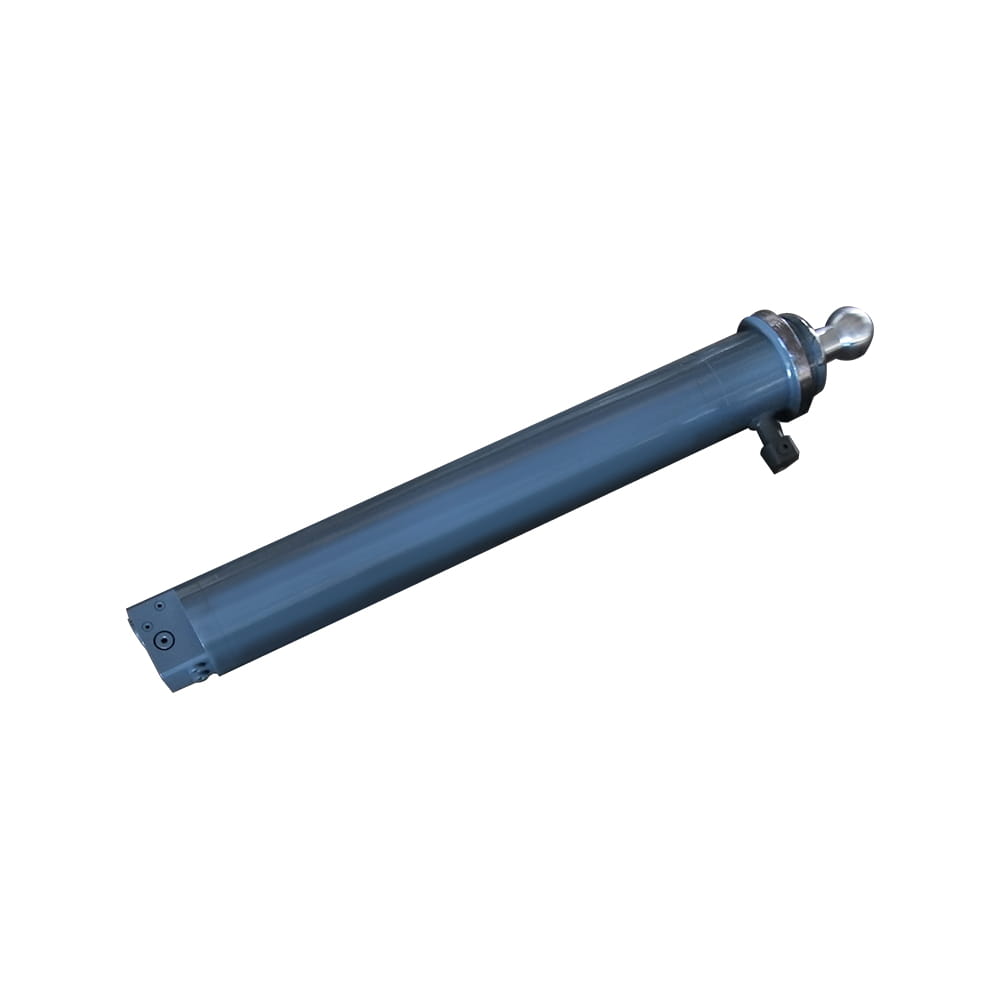 Scissor Lift Aerial Platform Hydraulic Outrigger Cylinder
Function: Firmly Supports the Vehicle: Ensures stability during operation. The ball-head foot automatically levels on slopes, while the integrated balance valve...
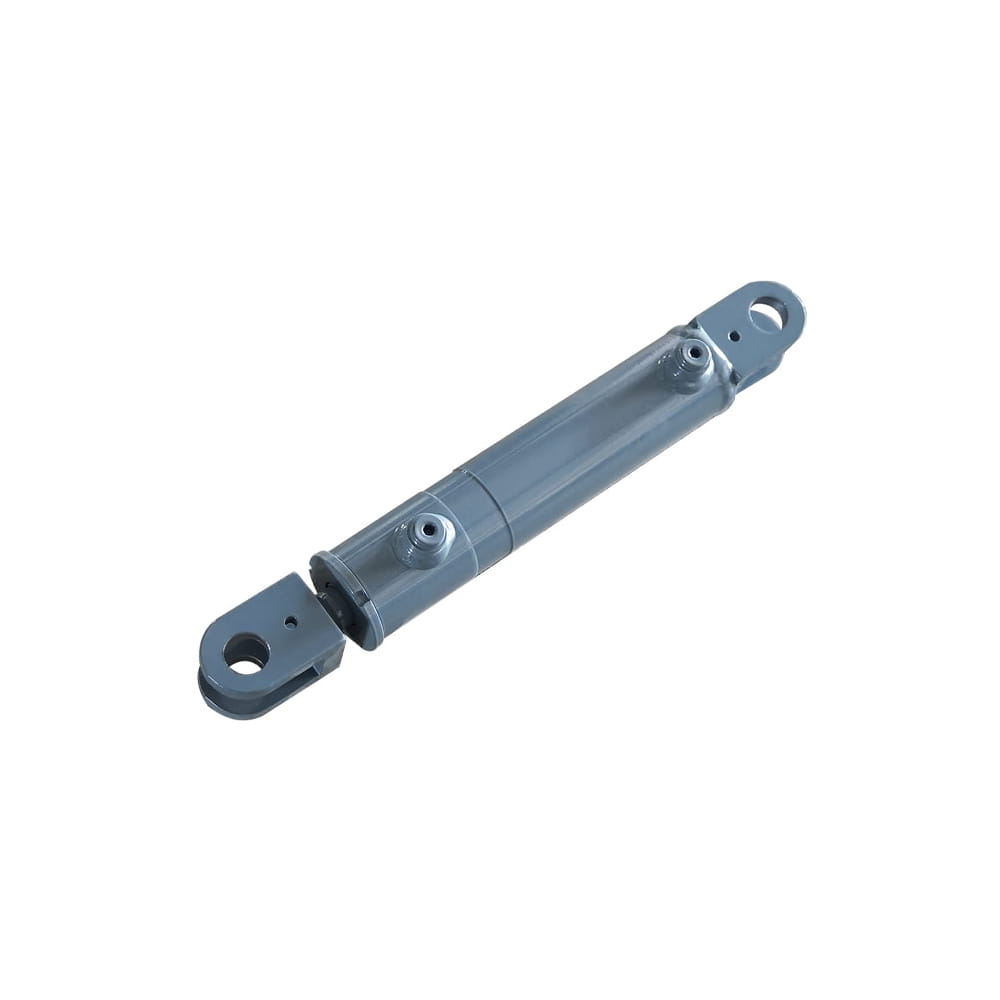 Scissor Lift Aerial Platform Hydraulic Steering Cylinder
Function: Connecting Chassis and Wheel Hub: Through hydraulic pressure, drives the piston rod to move, enabling precise wheel hub rotation. This ensures platfor...
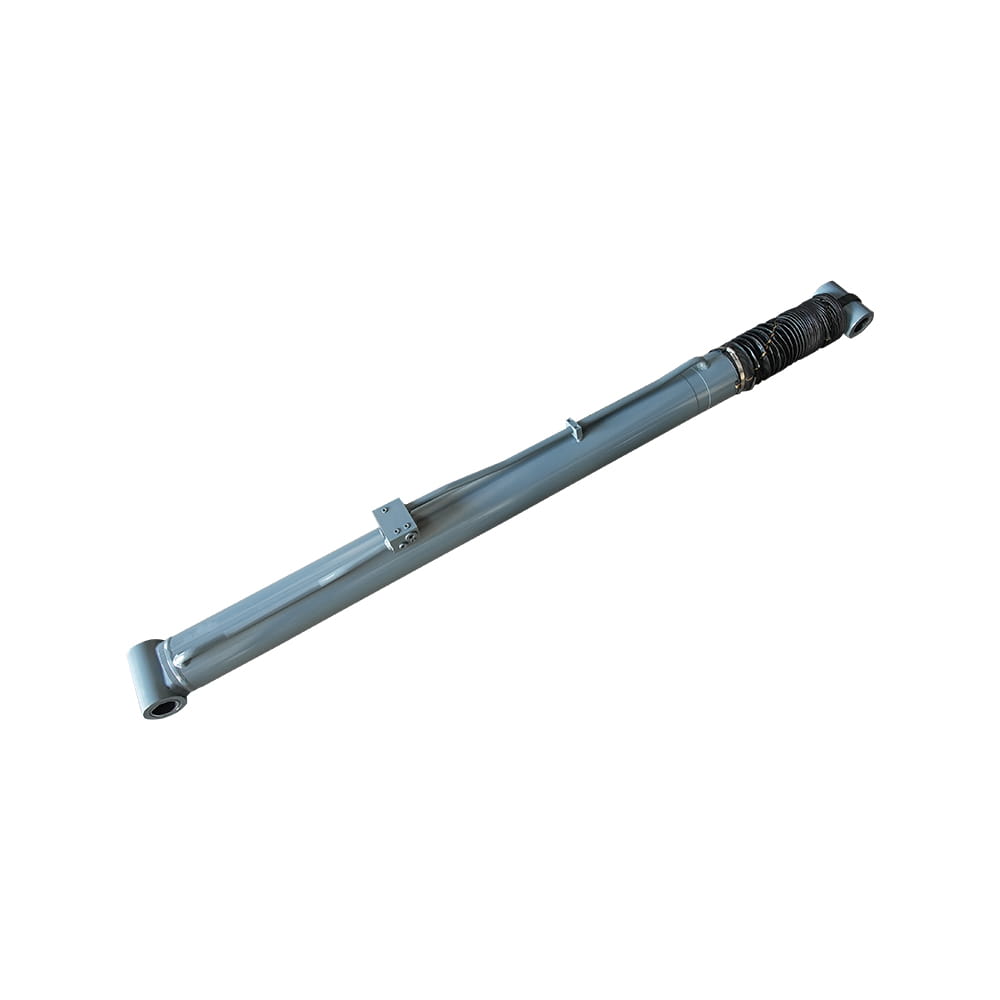 Boom Lift Aerial Platform Hydraulic Luffing Cylinder
Function: Adjust the angle of the telescopic arm to flexibly position the work platform at various heights and positions, meeting diverse aerial work requiremen...
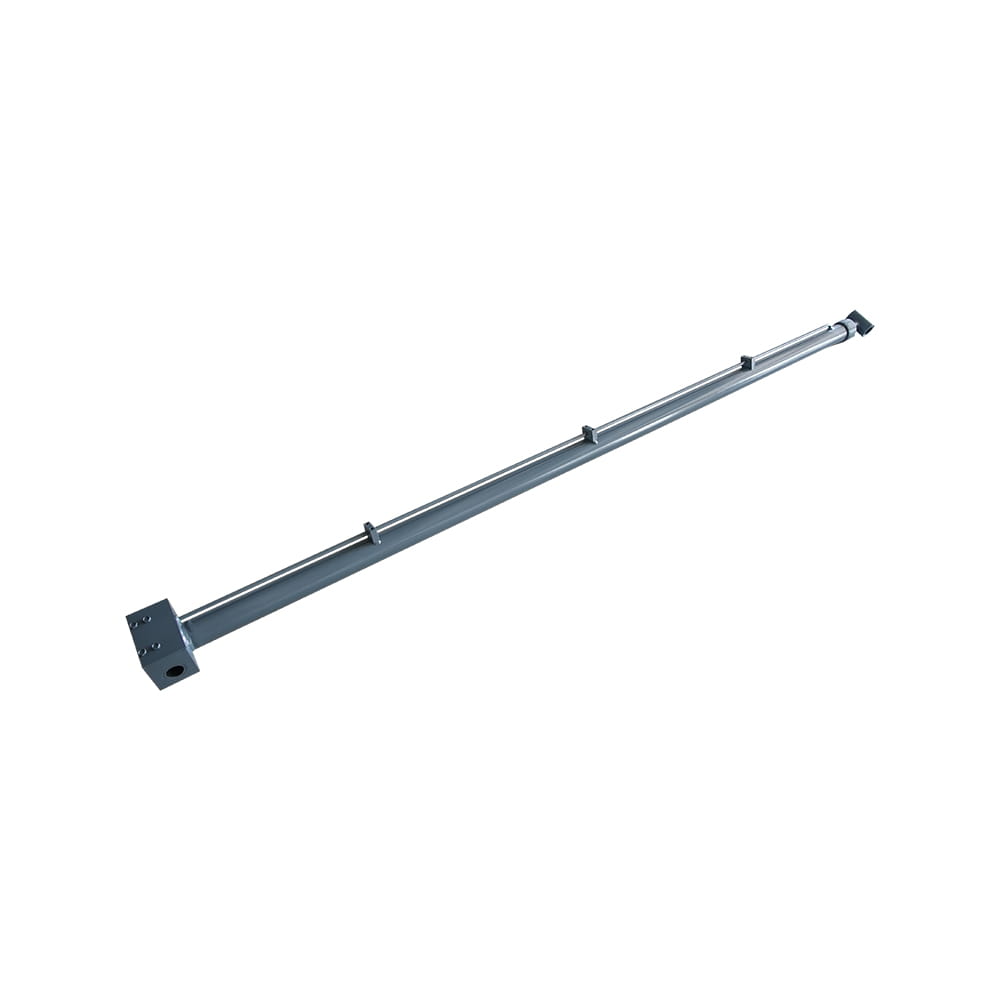 Boom Lift Aerial Platform Hydraulic Telescopic Cylinder
Function: Adjust the length of the arm to allow the aerial work platform to lift and move flexibly, ensuring range and height requirements.
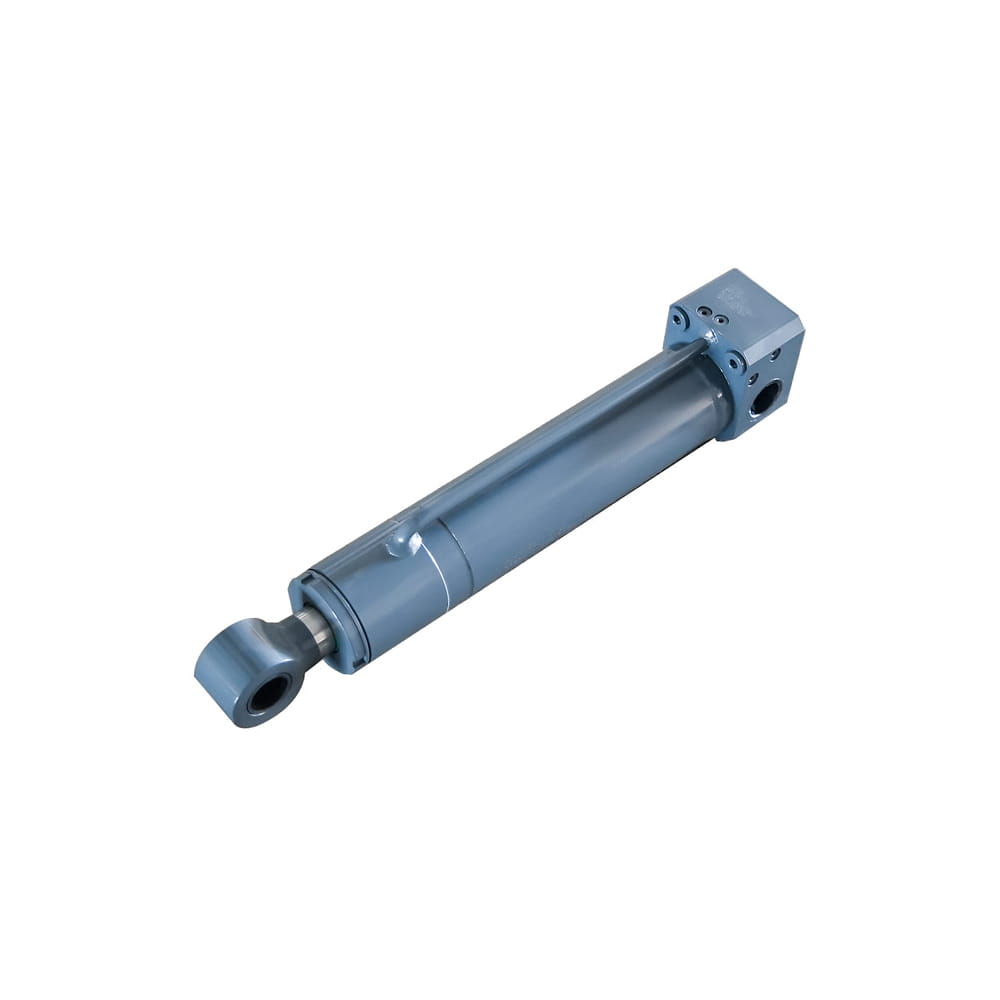 Boom Lift Aerial Platform Hydraulic Frame Leveling Cylinder
Function: Automatically adjust the chassis at the bottom of the platform to a level state, ensuring stable and wobble-free support in different terrains and wor...
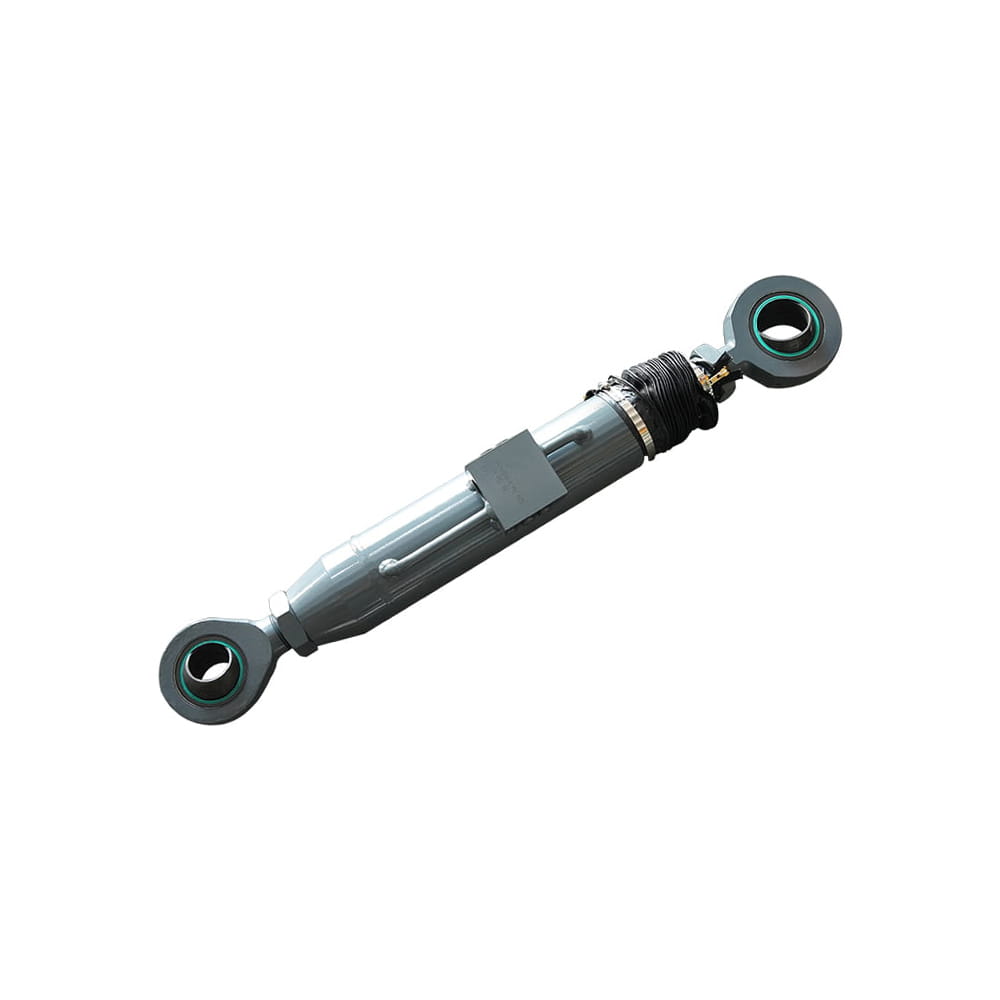 Boom Lift Aerial Platform Hydraulic Bridge Extension Cylinder
Function: An important design that enhances adaptability and working range. This function allows the platform to widen its chassis under specific conditions to ...
Copyright © by Zhejiang Huanfeng Machinery Co., Ltd. Rights Reserved.
