
Product Consultation
Your email address will not be published. Required fields are marked *
Hydraulic Horizontal Cylinder Installation Guide
Jul 16,2026Content
A crane hydraulic cylinder repair is not a simple leak fix; it is a critical safety procedure that restores the load-holding capacity of the lifting system. The direct objective is to eliminate cylinder drift—the dangerous, slow descent of a boom or outrigger under load caused by internal fluid bypass. A properly executed repair returns the cylinder to its factory-rated performance, ensuring the controlled, stable handling of massive cargo at height. This involves replacing worn seals, reconditioning scored rods, and meticulously rebuilding the piston assembly so that the cylinder can once again maintain a static load without any measurable displacement over a 10-minute period, the industry-standard hold test for crane hydraulics.
Jumping straight to disassembly without a systematic diagnosis leads to repeat failures. The symptom—a leaking rod seal, a creeping boom, or a jerky extension—points to a specific internal fault. A thorough diagnostic approach separates seal degradation from more serious structural damage to the rod or barrel.
Cylinder drift is the most common service complaint and the most dangerous. To isolate the cause, the cylinder must be tested under load. Extend the boom to a known position with a known load, then deadhead the circuit. Mark the rod position with a grease pencil and observe. Drift exceeding 2.5mm per minute on a telescopic boom cylinder is a definitive sign of piston seal bypass. If the drift is accompanied by a visible external leak, the rod seal or head gland is also compromised. However, drift without an external leak confirms that the primary fault path is fluid slipping internally across the piston seal, a condition that requires a full piston seal replacement.
The chrome-plated rod surface is the primary dynamic sealing interface. Run a clean fingernail along the rod's circumference; it should glide smoothly. If it catches on a scratch, pit, or rust spot, that imperfection is actively abrading the rod seal and will cause a new seal to fail within weeks. A critical threshold is a surface roughness average (Ra) exceeding 0.4 micrometers. Any defect deeper than the chrome layer, which is typically 0.05mm to 0.1mm thick, is a path for corrosion to undermine the chrome from the steel substrate, leading to progressive flaking that destroys seals and introduces hard particulate contamination into the entire hydraulic system.
Understanding the specific failure mode directly dictates the repair scope and the parts required. The following table maps the primary failures observed in crane cylinders to their operational symptoms and the necessary corrective action.
| Failure Mode | Operational Symptom | Root Cause Location | Required Repair Action |
|---|---|---|---|
| Piston Seal Bypass | Boom drift under load; overheating | Piston seal worn or damaged | Replace piston seal set |
| Rod Seal Extrusion | Visible external fluid drip | Head gland wear ring clearance | Replace rod seal and wear ring |
| Scored or Spalled Rod | Chronic, rapid seal failure | Rod surface damage | Re-chrome or replace rod |
| Barrel Scoring | Jerky movement; internal bypass | Contamination in fluid | Hone or replace barrel |
A disciplined rebuild sequence is the difference between a repair that lasts the life of the crane and a repeat failure on the next lift. The procedure demands absolute cleanliness and calibrated tooling.
When the rod surface is damaged beyond polishing, the repair path is re-chroming, a specialized industrial process that restores the rod to its original engineering specification. The process begins by stripping the old chrome layer, followed by grinding the base steel to remove corrosion pits and create a clean substrate. The new chrome is electroplated onto the rod to a thickness typically exceeding 0.1mm on the diameter, followed by a final precision grind and polish to achieve a surface finish of Ra 0.2 micrometers or better. This is not decorative chrome; it is industrial hard chrome plate (HCP) with a hardness of 850-1000 HV, specifically engineered to resist the abrasive action of embedded contamination in the hydraulic fluid. A properly re-chromed rod has a service life equivalent to a new OEM rod.
The root cause of most cylinder failures is not the seal material aging, but fluid contamination. A single repair on a cylinder is incomplete without addressing the systemic contamination that caused the failure. Particles as small as 15 micrometers—invisible to the naked eye—can embed in seal lips and machine microscopic grooves into the rod with every stroke. Before the repaired cylinder is reconnected, the entire hydraulic system must be flushed and the fluid filtered to a cleanliness level of ISO 4406 18/16/13 or better. All return-line filters should be replaced, and the reservoir inspected and cleaned of any settled sludge. This system-level approach prevents the freshly rebuilt cylinder from immediately receiving the same abrasive damage that caused the initial failure.
Your email address will not be published. Required fields are marked *
Marvelous Design Meets Rigorous Manufacturing
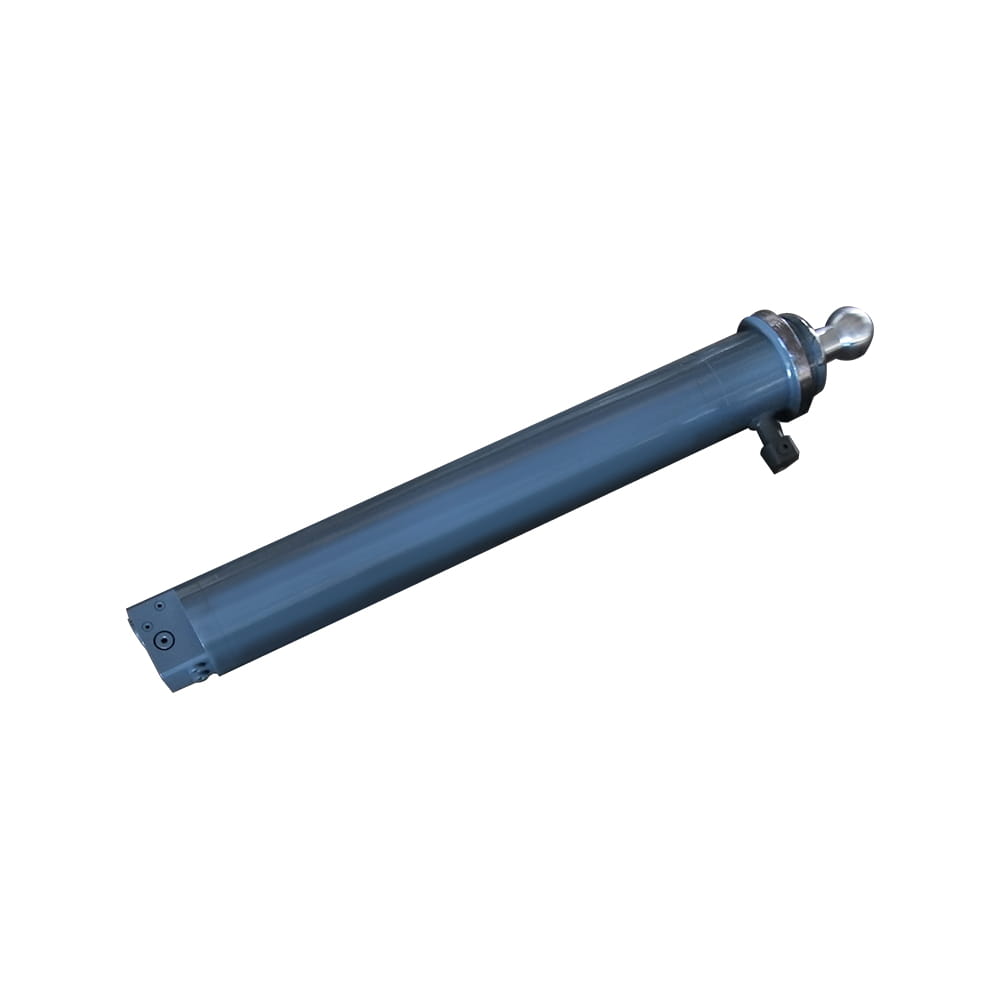
Scissor Lift Aerial Platform Hydraulic Outrigger Cylinder
Function: Firmly Supports the Vehicle: Ensures stability during operation. The ball-head foot automatically levels on slopes, while the integrated balance valve...
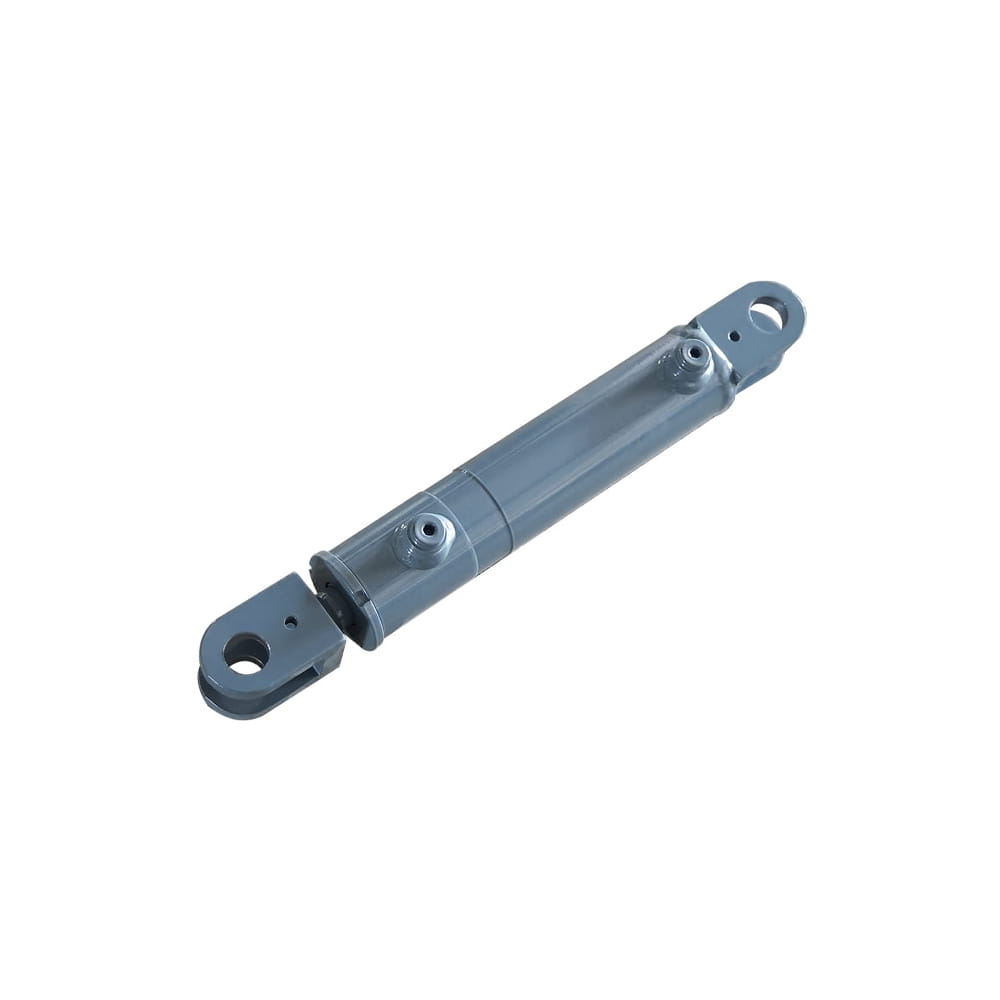
Scissor Lift Aerial Platform Hydraulic Steering Cylinder
Function: Connecting Chassis and Wheel Hub: Through hydraulic pressure, drives the piston rod to move, enabling precise wheel hub rotation. This ensures platfor...
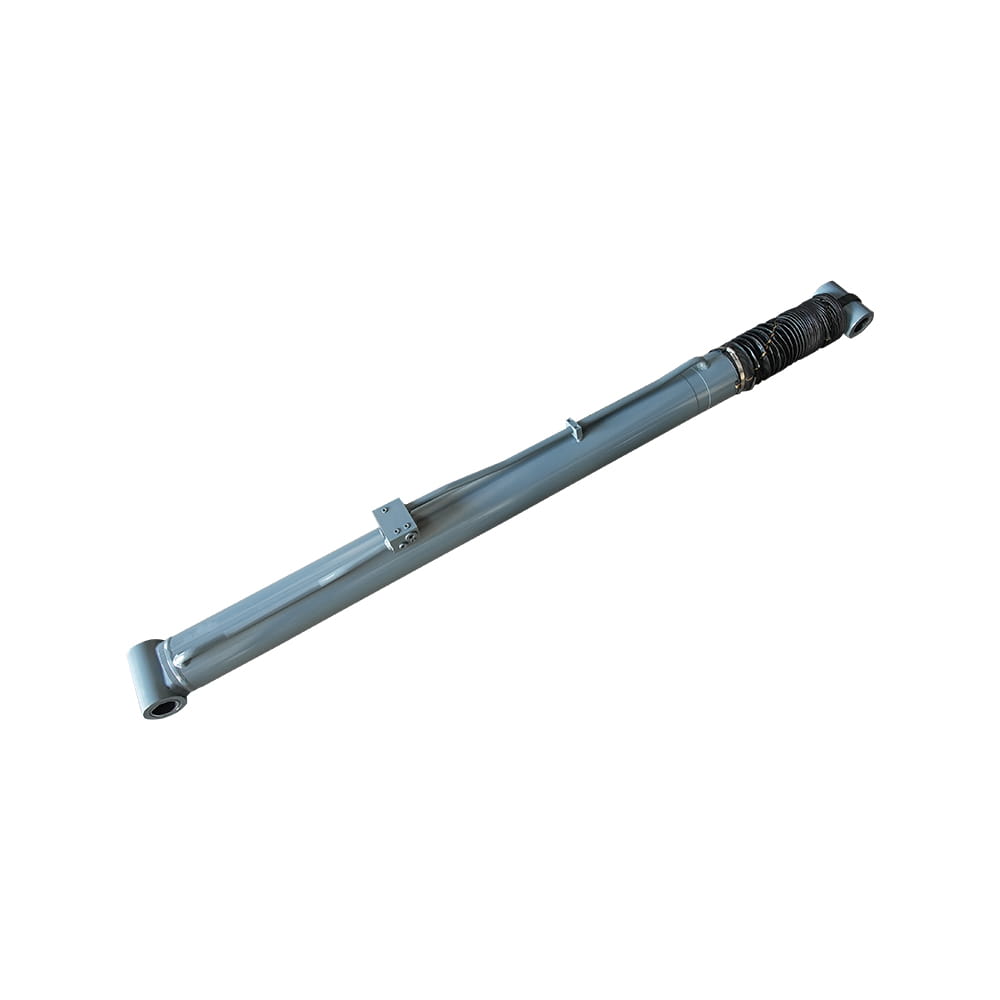
Boom Lift Aerial Platform Hydraulic Luffing Cylinder
Function: Adjust the angle of the telescopic arm to flexibly position the work platform at various heights and positions, meeting diverse aerial work requiremen...
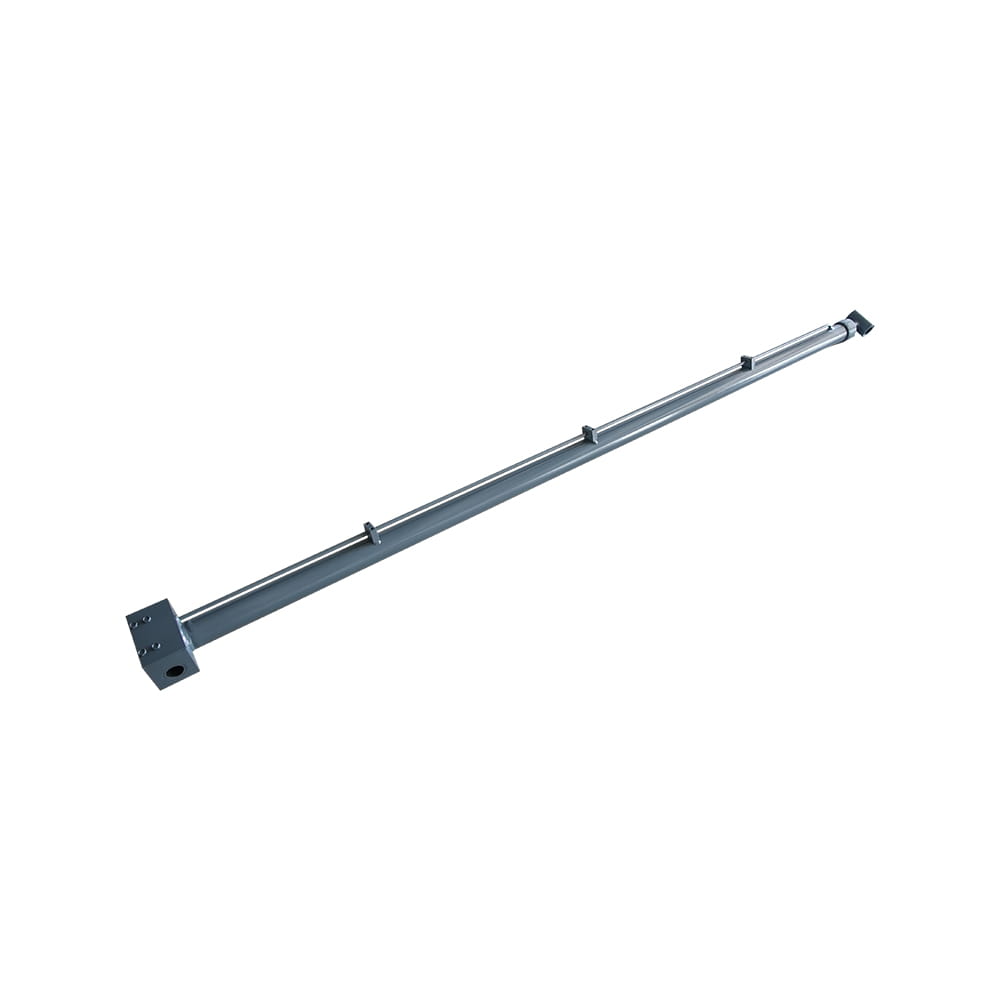
Boom Lift Aerial Platform Hydraulic Telescopic Cylinder
Function: Adjust the length of the arm to allow the aerial work platform to lift and move flexibly, ensuring range and height requirements.
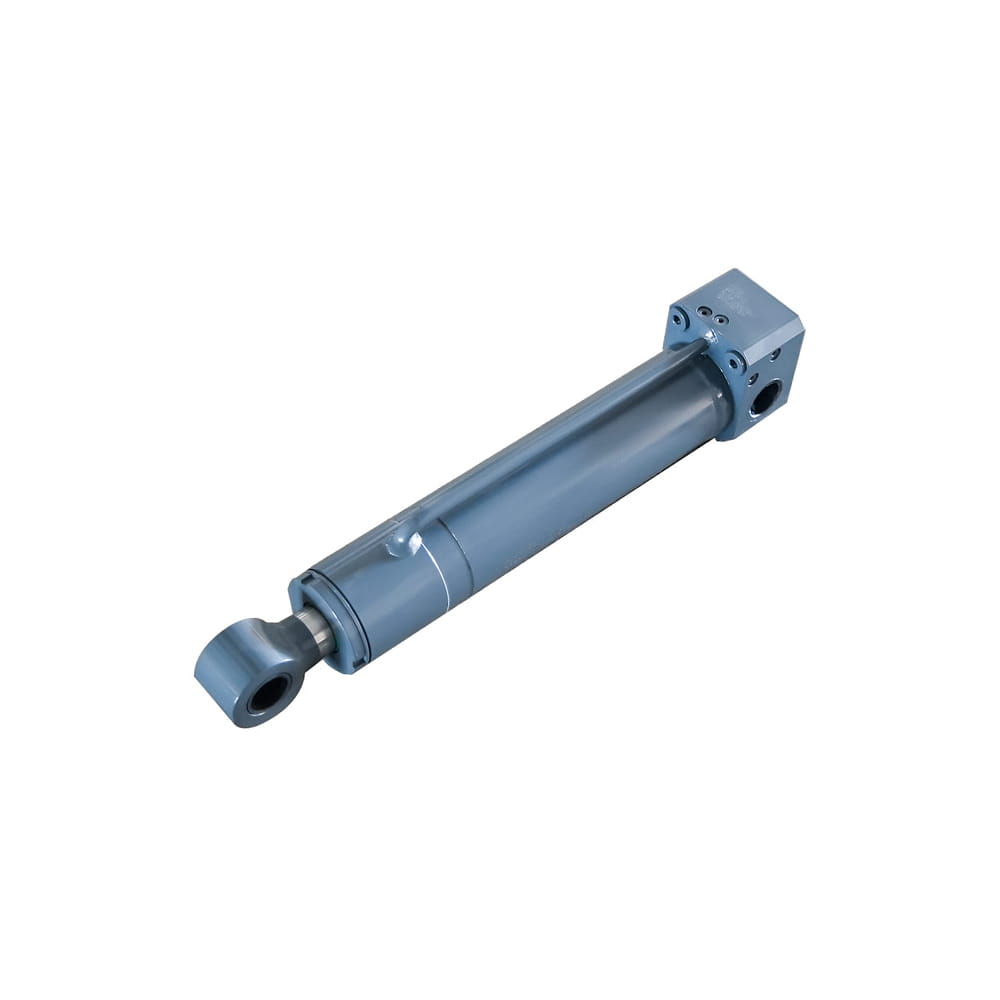
Boom Lift Aerial Platform Hydraulic Frame Leveling Cylinder
Function: Automatically adjust the chassis at the bottom of the platform to a level state, ensuring stable and wobble-free support in different terrains and wor...
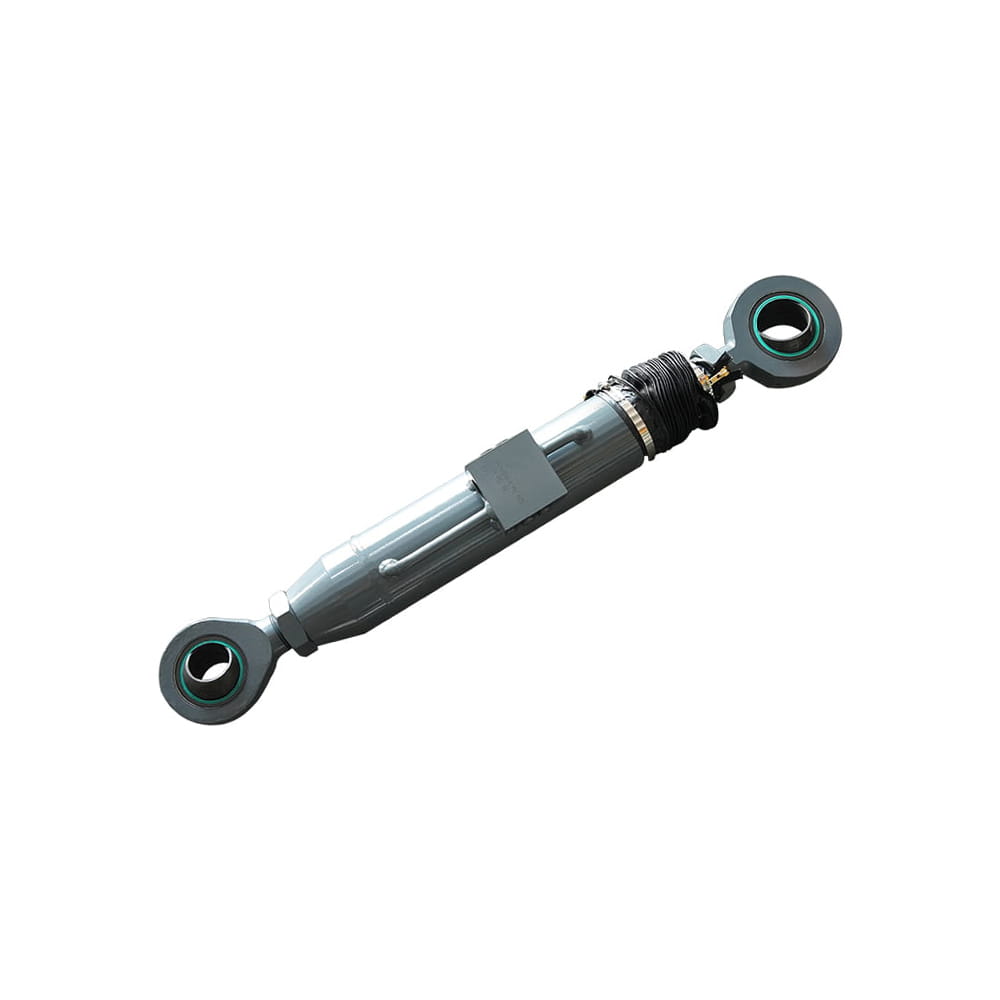
Boom Lift Aerial Platform Hydraulic Bridge Extension Cylinder
Function: An important design that enhances adaptability and working range. This function allows the platform to widen its chassis under specific conditions to ...
Copyright © by Zhejiang Huanfeng Machinery Co., Ltd. Rights Reserved.
