
 English
 中文简体
中文简体 русский
 Español
 Português
 عربى
عربىProduct Consultation
Your email address will not be published. Required fields are marked *
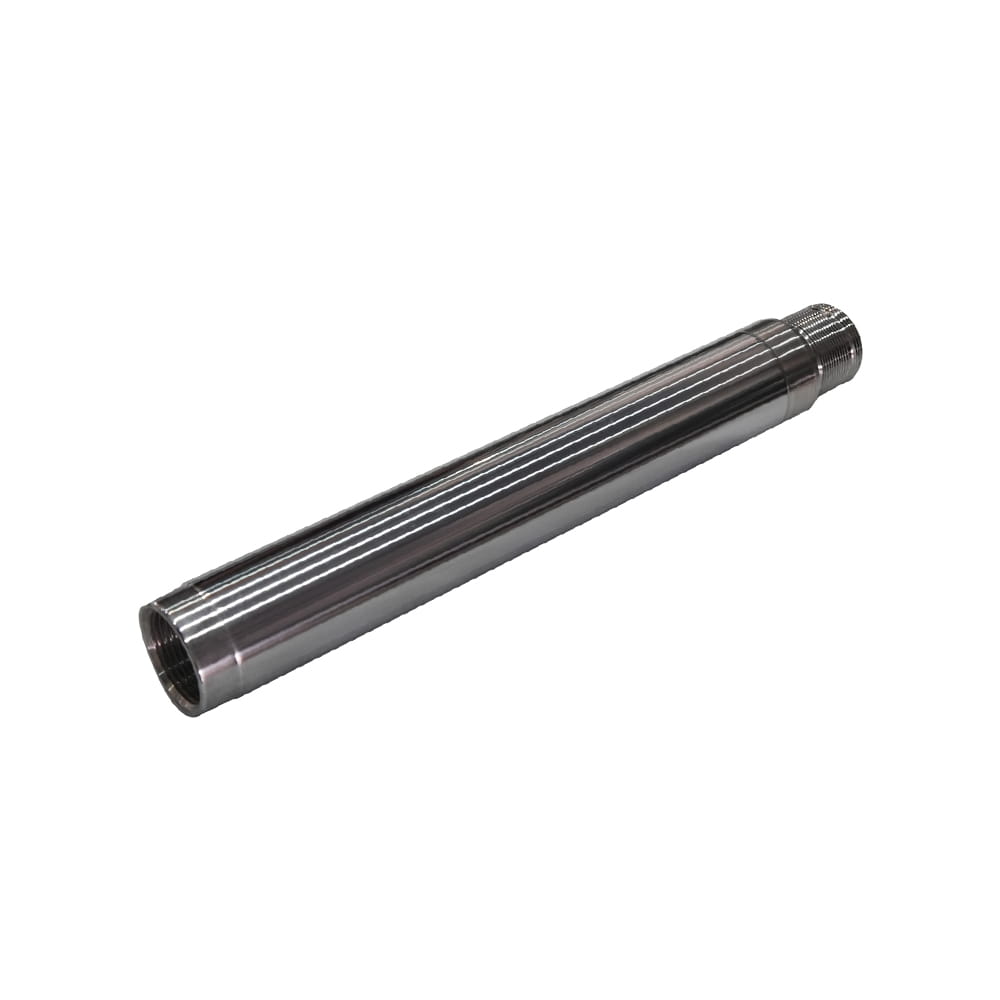
Inside every hydraulic cylinder, the cylinder tube does far more than simply enclose the working fluid. It serves as the structural backbone of the entire assembly — a precision-engineered component that must contain high-pressure fluid, guide the piston through thousands of cycles, and transmit the resulting linear force to the load. Understanding how the cylinder tube functions, what it demands in terms of design and material, and how it interacts with the connecting rod and reciprocating motion is essential for anyone involved in hydraulic system engineering, maintenance, or procurement.
Content
The cylinder tube is the primary pressure-containing chamber within a hydraulic cylinder. When pressurized fluid enters the tube, it acts on the face of the piston, generating a force that is transferred through the connecting rod to the external load. This makes the cylinder tube a direct participant in force transmission — not a passive housing, but an active structural element that must bear both internal pressure and the bending loads introduced by the piston's movement.
As a connecting component between the hydraulic system's fluid power and the mechanical output, the cylinder tube defines the boundary within which all energy conversion happens. The bore diameter of the tube, combined with the system pressure, determines the output force of the hydraulic cylinder according to the relationship F = P × A, where F is force, P is pressure, and A is the cross-sectional area of the bore. This is why bore tolerances are held to extremely tight specifications — even a small deviation in diameter changes the effective output force and affects how well the piston seals against the tube wall.
The piston inside a hydraulic cylinder does not rotate — it moves in a straight line, back and forth along the axis of the tube. This reciprocating motion is the defining operational characteristic of hydraulic cylinders, and it places specific demands on the cylinder tube that differ from those found in rotating machinery.
Each stroke of the piston involves metal-to-seal contact sliding against the bore surface at controlled pressure. Over thousands or millions of cycles, the bore surface must remain smooth, round, and dimensionally stable. Any surface degradation — scoring, pitting, or out-of-roundness — disrupts the seal interface, increases leakage past the piston seals, and reduces system efficiency. For this reason, the internal bore of the cylinder tube is typically honed to a surface finish of Ra 0.2–0.4 µm, a level of smoothness that minimizes seal wear while maintaining an adequate oil film for lubrication.
Reciprocating motion also introduces cyclic stress into the tube wall. Each pressure stroke subjects the bore to tensile hoop stress, while the return stroke unloads it. Over time, this cycling can initiate fatigue cracks, particularly at stress concentrations such as port entries, thread roots, or weld zones. Proper tube design accounts for these fatigue loads by specifying adequate wall thickness and avoiding sharp internal transitions.
Material selection for a cylinder tube is not a one-size-fits-all decision. The operating pressure, temperature range, fluid type, cycle frequency, and environmental conditions all influence the optimal material choice. The most commonly used materials are:
The choice between these materials must consider not only pressure ratings but also compatibility with the hydraulic fluid, thermal expansion characteristics, and the availability of suitable sealing systems.
In a hydraulic cylinder, the piston rod — often referred to as the connecting rod in the context of linking the piston to the external load — passes through the cylinder tube and exits through the rod seal at the rod end cap. The relationship between the connecting rod and the cylinder tube is one of precise geometric alignment. If the rod is not perfectly concentric with the bore, side loads develop at the piston and rod seal locations, accelerating wear and shortening service life.
The cylinder tube must maintain its straightness under load to prevent misalignment of the connecting rod. Tubes that are bent, bowed, or have uneven wall thickness create offset forces that are transmitted directly to the rod bearings and seals. In tie-rod cylinder designs, the tube is clamped between front and rear flanges; improper assembly torque can introduce tube distortion that disrupts rod alignment and increases internal friction.
The bore-to-rod diameter ratio also affects system behavior. A larger bore relative to rod diameter provides higher push force but lower pull force and increased risk of column buckling in long-stroke applications. Engineers balance these factors during the design phase to ensure the connecting rod operates within safe stress limits throughout the full range of reciprocating motion.
The internal surface of the cylinder tube is arguably its most critical dimensional attribute. The following table summarizes the key dimensional and surface requirements for a typical industrial-grade hydraulic cylinder tube:
| Parameter | Typical Specification | Purpose |
| Bore surface roughness (Ra) | 0.2 – 0.4 µm | Minimize seal wear, retain oil film |
| Bore diameter tolerance | H8 or H9 (ISO) | Ensure correct piston seal fit |
| Cylindricity (out-of-roundness) | ≤ 0.02 mm per 100 mm | Prevent uneven seal contact |
| Straightness | ≤ 0.5 mm per 1000 mm | Prevent rod misalignment and side loads |
| Wall thickness uniformity | ± 5% of nominal wall | Ensure uniform pressure distribution |
Meeting these specifications consistently requires controlled manufacturing processes, in-process measurement, and final inspection with calibrated gauging equipment. Any tube that falls outside these parameters should be rejected before assembly, as the cost of a field failure far exceeds the cost of a replacement tube.
Understanding how cylinder tubes fail helps maintenance teams intervene early and extend service life. The most common failure modes include:
Scheduled disassembly and bore inspection at defined service intervals — typically based on cycle count or operating hours — allows worn tubes to be identified before they cause seal failure, fluid leakage, or loss of cylinder output force.
When a cylinder tube shows signs of wear or damage, the decision to repair or replace depends on the severity of the damage, the availability of replacement tubes, and the economic value of the cylinder assembly. Minor bore scoring — scratches shallower than 0.1 mm that do not affect the full sealing contact band — can often be polished out using fine-grit honing stones without exceeding the diameter tolerance. More severe scoring or pitting typically requires sleeving: installing a hardened steel liner that restores the original bore dimensions and surface finish.
Bent or severely corroded tubes should be replaced rather than repaired. Attempting to straighten a bent cylinder tube introduces residual stress and risks compromising the bore geometry. For critical applications where cylinder failure has high safety or production consequences, replacement with a new tube that meets all dimensional specifications is always the safer and ultimately more cost-effective choice.
The cylinder tube is not a wear item in the same sense as a seal or a bearing, but it is far from indestructible. Treating it as a precision component — one that requires careful handling, clean assembly conditions, and periodic inspection — is the approach that delivers the longest service life and the most reliable hydraulic cylinder performance.
Your email address will not be published. Required fields are marked *
Marvelous Design Meets Rigorous Manufacturing
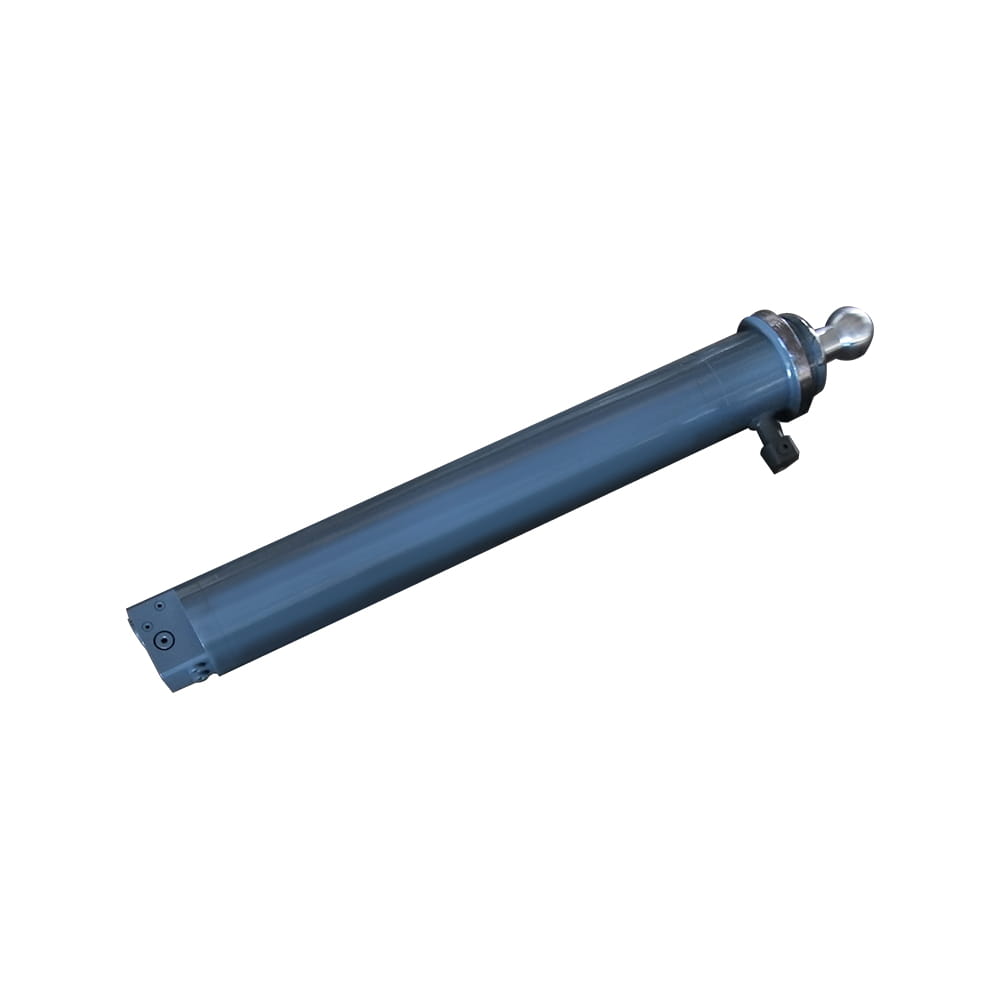 Scissor Lift Aerial Platform Hydraulic Outrigger Cylinder
Function: Firmly Supports the Vehicle: Ensures stability during operation. The ball-head foot automatically levels on slopes, while the integrated balance valve...
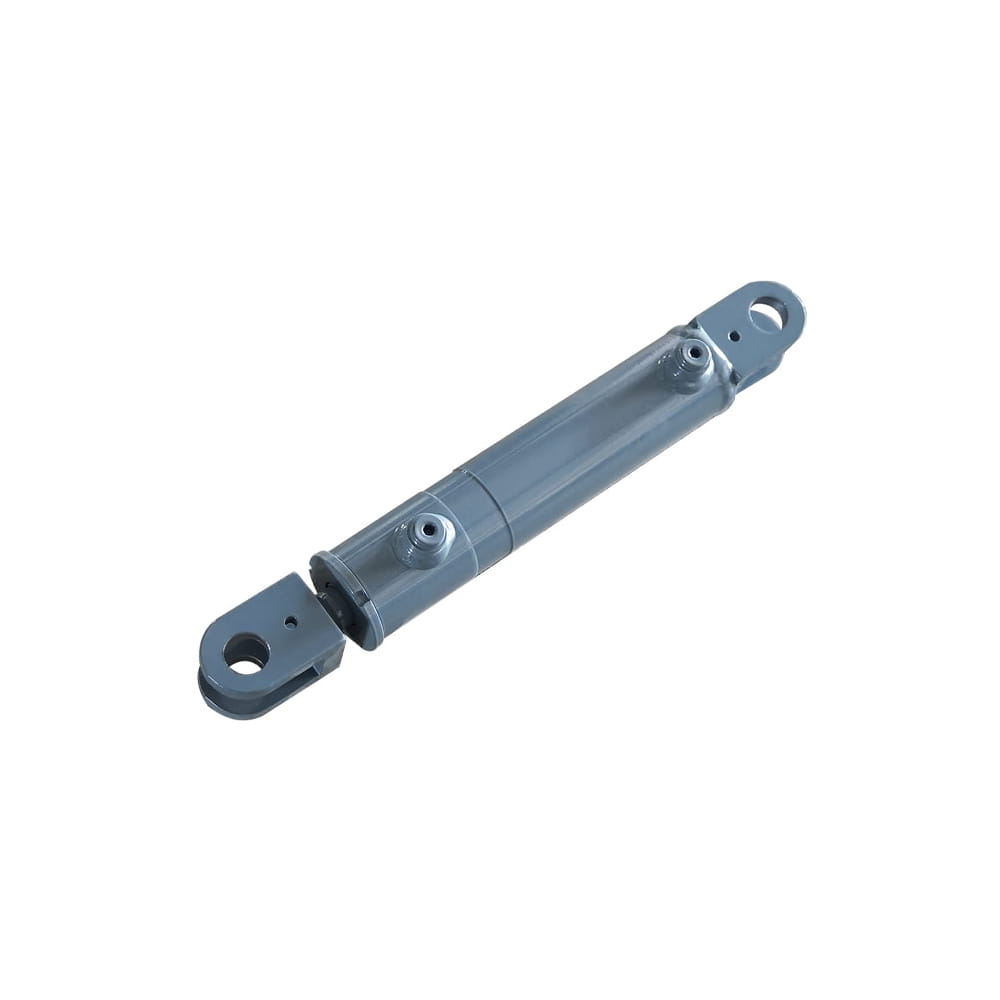 Scissor Lift Aerial Platform Hydraulic Steering Cylinder
Function: Connecting Chassis and Wheel Hub: Through hydraulic pressure, drives the piston rod to move, enabling precise wheel hub rotation. This ensures platfor...
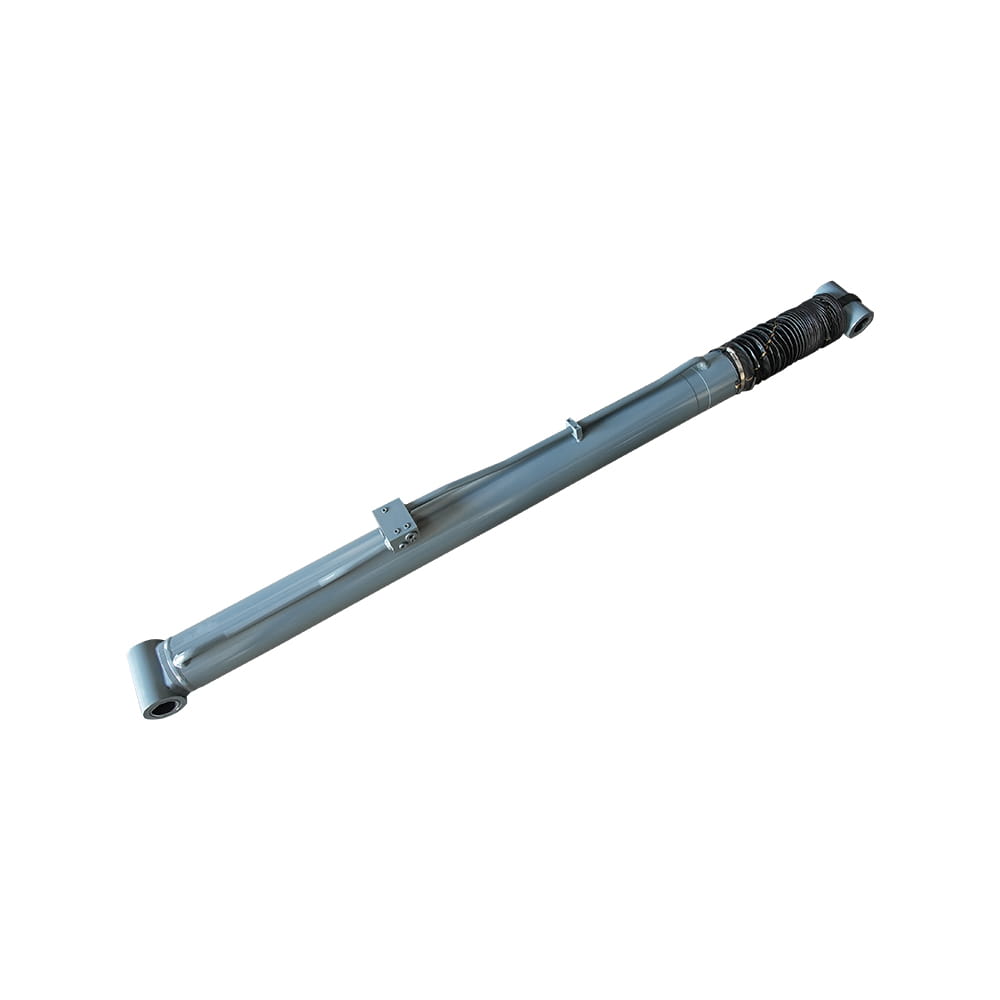 Boom Lift Aerial Platform Hydraulic Luffing Cylinder
Function: Adjust the angle of the telescopic arm to flexibly position the work platform at various heights and positions, meeting diverse aerial work requiremen...
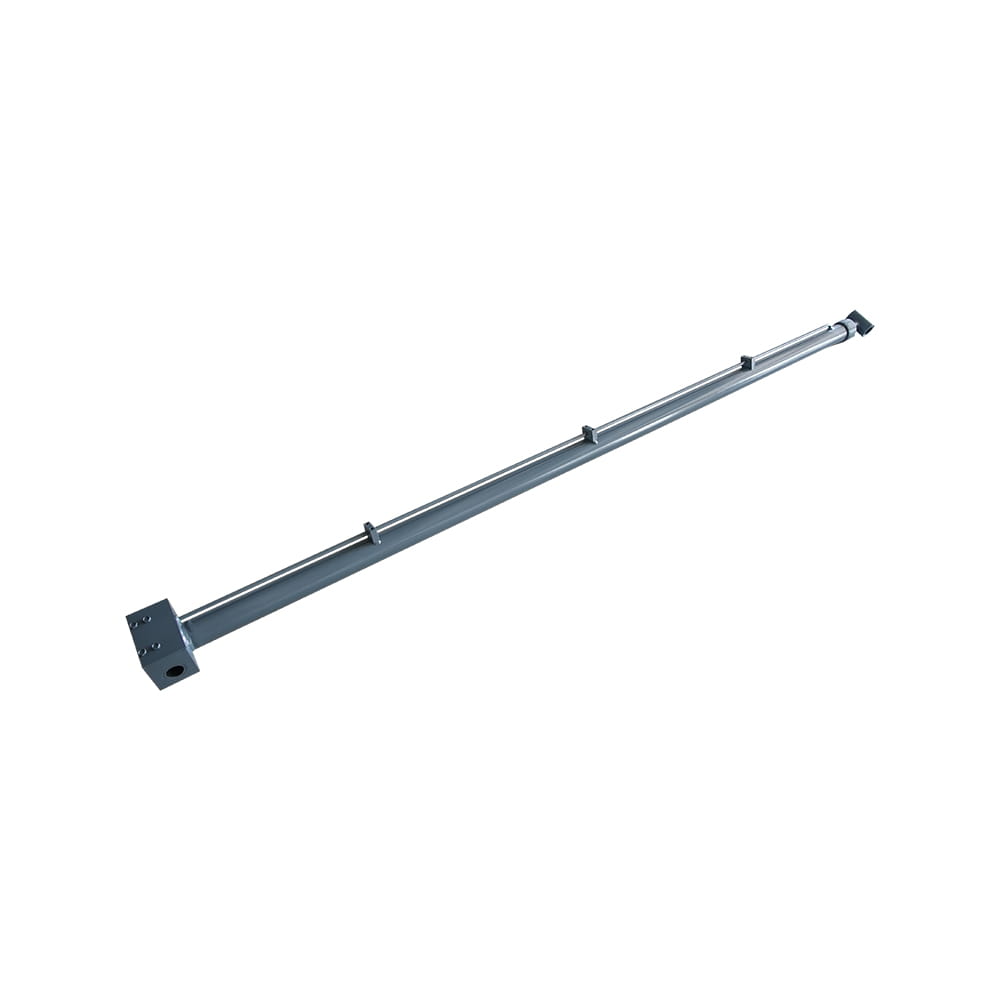 Boom Lift Aerial Platform Hydraulic Telescopic Cylinder
Function: Adjust the length of the arm to allow the aerial work platform to lift and move flexibly, ensuring range and height requirements.
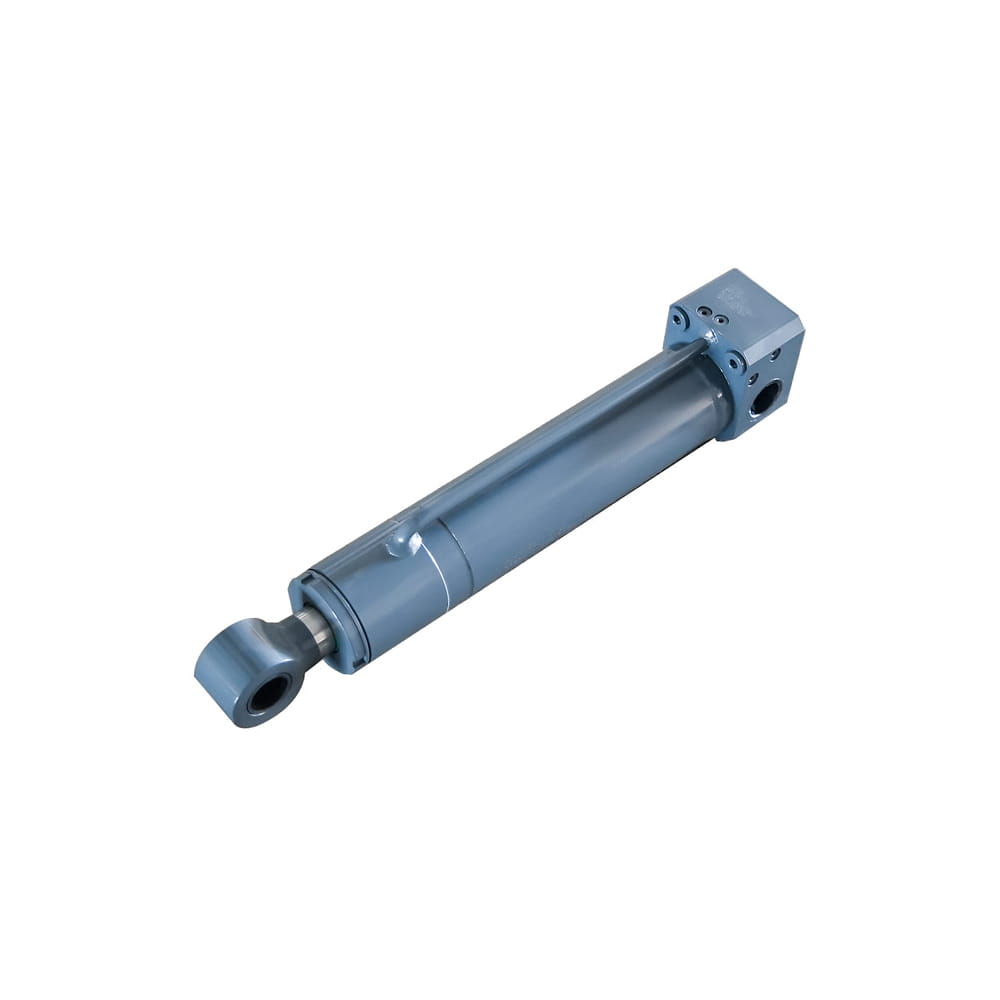 Boom Lift Aerial Platform Hydraulic Frame Leveling Cylinder
Function: Automatically adjust the chassis at the bottom of the platform to a level state, ensuring stable and wobble-free support in different terrains and wor...
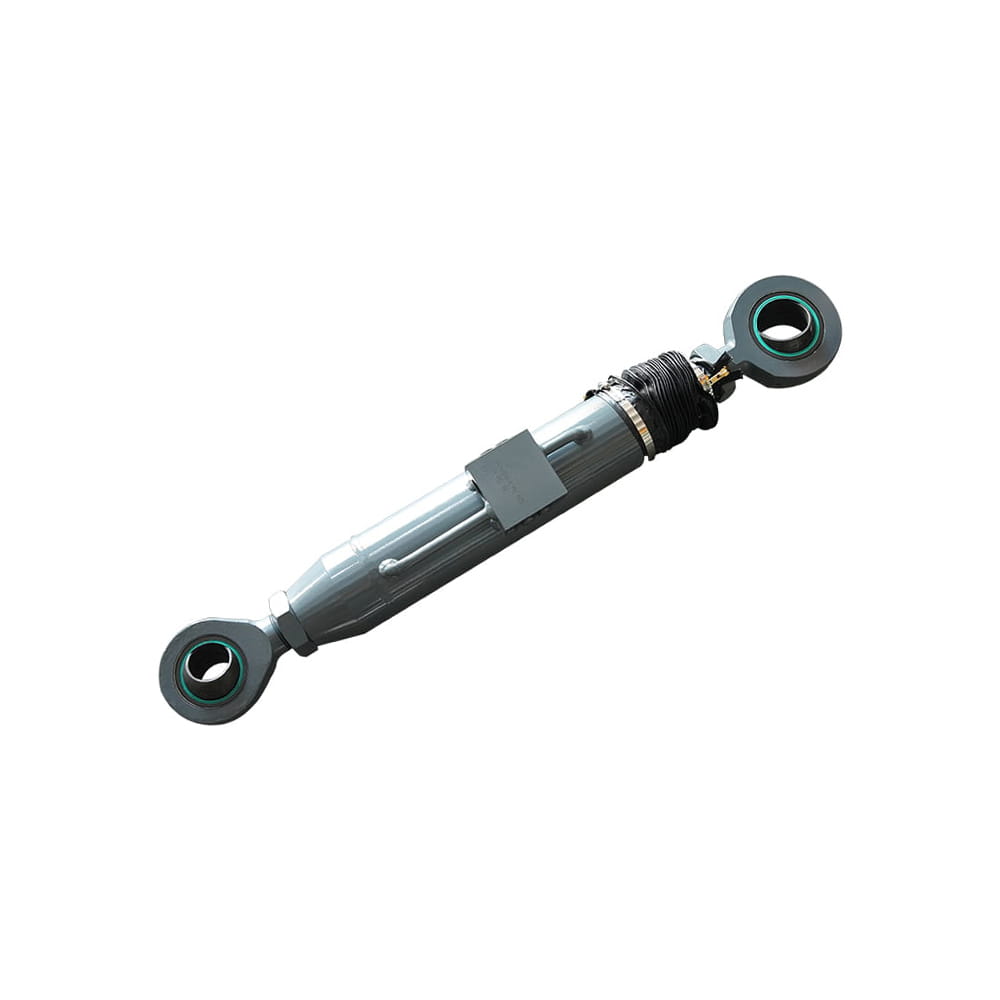 Boom Lift Aerial Platform Hydraulic Bridge Extension Cylinder
Function: An important design that enhances adaptability and working range. This function allows the platform to widen its chassis under specific conditions to ...
Copyright © by Zhejiang Huanfeng Machinery Co., Ltd. Rights Reserved.
