
 English
 中文简体
中文简体 русский
 Español
 Português
 عربى
عربىProduct Consultation
Your email address will not be published. Required fields are marked *
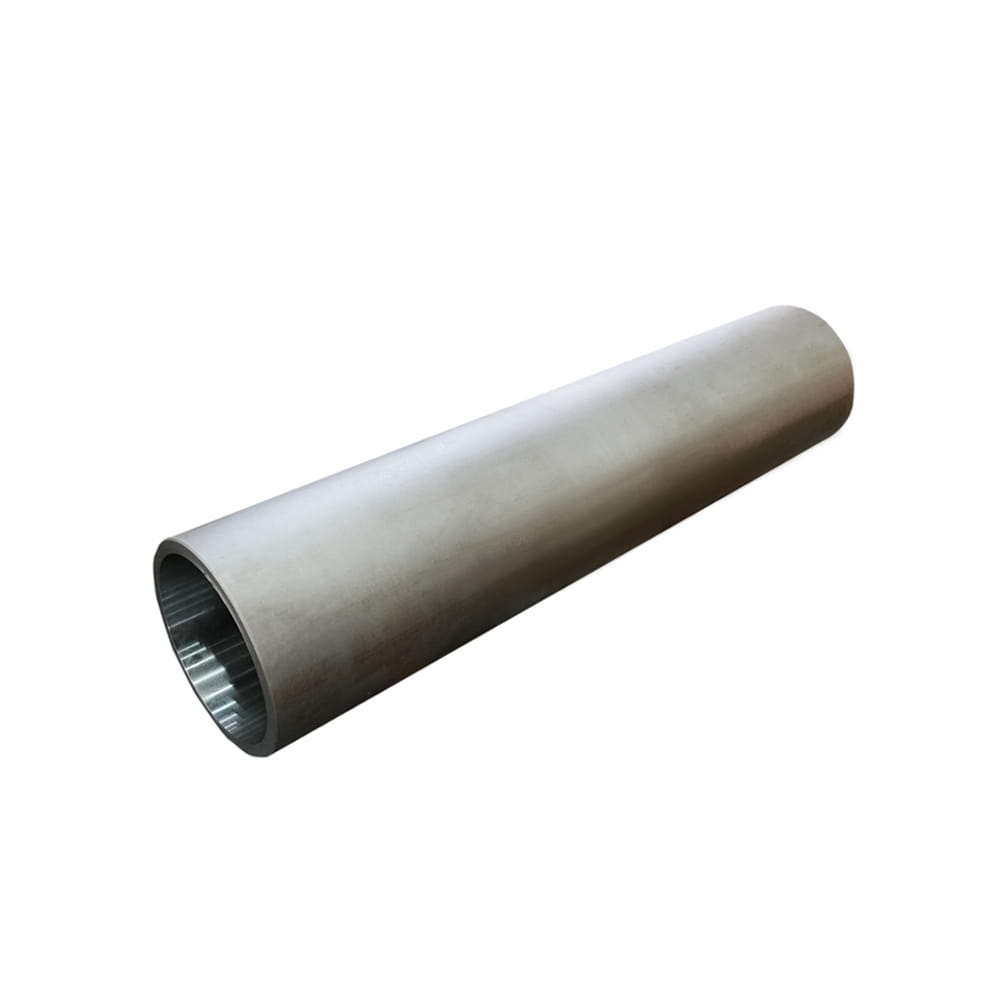
When a hydraulic cylinder is designed for operating pressures above 250 bar, the tube specification becomes a structural decision, not just a surface finish decision. Two processing methods dominate the supply of high-pressure hydraulic cylinder tubes: traditional honing and SRB — Skiving and Roller Burnishing. Both produce bore surfaces that meet Ra ≤ 0.4 μm. Both are used in demanding applications worldwide. And yet they are not interchangeable in every situation.
This article explains how each process works, what it does to the tube material at a mechanical level, and how those differences translate into real performance outcomes at high pressure — so that engineers and procurement teams can make a specification decision based on evidence rather than convention.
Content
Before comparing the two finishing processes, it is useful to define what the tube itself must deliver under high-pressure hydraulic service. A hydraulic cylinder operating at 250–400 bar subjects the tube wall to three simultaneous stress states: hoop stress from internal pressure, bending stress from off-axis loading, and cyclic fatigue stress from continuous pressurization and depressurization cycles.
The bore surface is the most stressed location in this assembly. It is where the pressure gradient is steepest, where the piston seal makes dynamic contact on every stroke, and where surface defects — scratches, tool marks, microcracks — act as stress concentration points that initiate fatigue cracks under cyclic loading. A tube that passes a static burst pressure test can still fail in fatigue well below its rated pressure after thousands of cycles if the bore surface is poorly finished or the material surface layer is in a state of tensile residual stress.
This is the context in which honing and SRB must be evaluated for high-pressure service. Both deliver adequate surface finish. Where they differ fundamentally is in what they do to the material beneath the surface — and that difference matters most at high pressure and high cycle count.
SRB is a two-stage chipless finishing process. In the first stage, a skiving head with precision carbide cutters removes a thin, controlled layer of material from the bore — typically 0.1–0.3 mm — bringing the ID to within tight dimensional tolerances. This cutting step corrects any ovality or diameter variation left from the cold drawing process.
Immediately following skiving, a roller burnishing head runs through the same bore. The hardened rollers do not cut — they apply controlled compressive force to the bore surface, plastically deforming the peaks of surface roughness into the valleys. The result is a mirror-smooth surface with Ra values typically in the range of Ra 0.05–0.2 μm — measurably smoother than standard honing.
The mechanical consequence of this plastic deformation is significant: the bore surface is left in a state of compressive residual stress. Compressive stress at the surface directly opposes crack initiation under tensile cyclic loading. Industry data consistently shows that SRB-processed tubes exhibit fatigue life improvements of 20–60% over equivalent honed tubes under standard conditions, with improvements exceeding 100% in optimal high-pressure cycling scenarios. Additionally, the work-hardening effect of roller burnishing increases surface hardness by 15–30% compared to the base material, improving wear resistance against piston contact over long service life.
Both of these properties — compressive residual stress and increased surface hardness — are direct results of the SRB process and have no equivalent in abrasive honing. For high-pressure cylinder tube applications operating above 250 bar under continuous cycle loading, this difference in material state is the primary reason SRB is the preferred specification at major hydraulic system OEMs.
Honing uses abrasive stones that simultaneously rotate and reciprocate inside the tube bore. The geometry of this combined motion produces the crosshatch pattern — a grid of fine scratch marks at approximately 30–45° to the tube axis — that is the defining surface characteristic of a honed tube.
This crosshatch pattern is functionally important. The intersecting grooves retain a thin film of hydraulic fluid across the entire bore surface, maintaining lubrication between the piston and bore wall even at the extremes of the stroke where fluid film thickness is reduced. This oil retention property is why honed tubes have excellent seal compatibility across a wide range of hydraulic fluid types and operating temperatures.
Honing achieves Ra values of 0.2–0.4 μm with ID tolerances of H7, H8, or H9, depending on the abrasive specification and process parameters. It does not work-harden the surface or induce compressive residual stress — the abrasive cutting action is material removal, not material deformation. The hydraulic seals that interact with the honed bore surface benefit from the oil-retaining crosshatch pattern, which is why honing remains the standard for many cylinder applications.
Where honing holds a practical advantage over SRB is in flexibility. Honing equipment can be adjusted to accommodate a wide range of bore diameters with minimal tooling changes, making it more economical for low-volume production, repair work, and non-standard bore sizes. SRB tooling is diameter-specific; changing bore size requires a new tooling set, which makes the process better suited to high-volume production of standardized dimensions.
| Parameter | Honed Tube | SRB Tube |
|---|---|---|
| Surface Roughness (Ra) | 0.2–0.4 μm (plateau crosshatch) | 0.05–0.2 μm (mirror burnished) |
| Surface Pattern | Crosshatch (30–45° angle) | Smooth, no directional pattern |
| Residual Surface Stress | Neutral to slight tension | Compressive (fatigue-resistant) |
| Surface Hardness | Base material hardness | +15–30% vs base material |
| Fatigue Life Improvement | Standard baseline | +20–110% over honed equivalent |
| ID Tolerance | H7 / H8 / H9 | H7 / H8 |
| Oil Retention | Excellent (crosshatch grooves) | Good (smooth film) |
| Production Speed | Slower (multi-stroke process) | Faster (single-pass operation) |
| Flexibility for Custom Sizes | High (adjustable tooling) | Lower (diameter-specific tooling) |
| Preferred Application | Low-to-medium pressure, repair, custom sizes | High pressure (>250 bar), high cycle, OEM volume |
The finishing process operates on a base material, and for high-pressure service, the choice of steel grade determines the ceiling on what either process can achieve. A superior SRB finish on an undersized or low-grade base material does not solve a pressure rating problem.
For operating pressures up to 250 bar, ST52 (E355 per EN 10305-1) is the standard carbon steel grade and covers the majority of construction and industrial hydraulic cylinder applications. It offers a good balance of tensile strength (minimum 490 MPa), weldability, and cost-effectiveness, and is readily available in both seamless and welded (CDW) tube forms across international standards.
For pressures in the 250–350 bar range or applications involving high-cycle fatigue loading, SAE 1045 and 20MnV6 (a manganese-vanadium microalloyed steel) provide meaningfully higher yield strength and fatigue resistance than ST52. The vanadium addition in 20MnV6 produces a fine-grained microstructure that improves both tensile strength and toughness — making it a common specification for crane cylinders, drilling equipment, and heavy-lift applications.
Above 350 bar, or in applications combining high pressure with thermal cycling, 4140 chromium-molybdenum alloy steel (42CrMo4 under European designation) is the standard choice. The chromium-molybdenum additions provide deep hardenability, high-temperature strength retention, and superior resistance to stress corrosion cracking. The SRB process is particularly effective on 4140 because the high base hardness of the alloy responds well to roller burnishing, producing a surface layer with compressive stress and hardness values that significantly exceed what SRB achieves on carbon steel grades. This pairing — 4140 alloy steel with SRB bore finishing — represents the current industry standard for the most demanding high-pressure cylinder specifications.
The material selection and precision machining decisions made at the cylinder design stage directly determine which of these grades is appropriate, and should be reviewed before fixing tube specifications for a new application.
The following decision criteria apply to most hydraulic cylinder design and procurement scenarios:
Specify SRB tube when:
Specify honed tube when:
The piston assembly running inside the cylinder tube should also be considered in this decision: a hardened SRB bore paired with a piston that has insufficient hardness on its sealing surfaces can result in differential wear that accelerates bore scoring. Matched hardness between bore and piston sealing faces is a system-level specification requirement.
Understanding which industries and equipment types drive demand for high-pressure honed and SRB tubes clarifies where each specification fits in practice.
Rotary drilling and oil field equipment operates at some of the highest hydraulic pressures in any industrial application — 350–500 bar in drilling top-drive systems and blowout preventer actuators. SRB-processed 4140 alloy steel tubes are standard in this segment. The combination of high static pressure, vibration, and sour service (hydrogen sulfide exposure) rules out carbon steel grades entirely.
Mobile cranes and telescopic boom lifts use multi-stage telescopic cylinders where the tube bore precision directly affects the straightness and alignment of the extended boom. Both honed and SRB tubes are used in this application; the choice depends on the specific stage of the telescope and the manufacturer's standard. Outer stages that bear the highest bending loads are increasingly specified as SRB for the fatigue resistance advantage.
Industrial hydraulic presses — used in metal forming, rubber molding, and composite manufacturing — combine high pressure with very high cycle counts. A press operating three shifts per day accumulates millions of cycles annually. At this duty level, the fatigue life advantage of SRB tubes translates directly into extended replacement intervals and reduced unplanned downtime.
Mining and tunneling equipment — roof support systems, rock drills, continuous miners — operates underground in environments where maintenance access is limited and component replacement is logistically complex and expensive. SRB tubes are specified for their superior fatigue life and wear resistance, reducing the frequency of cylinder overhauls in applications where downtime costs are particularly high.
In all of these applications, the tube is not simply a structural housing — it is a precision component whose bore surface condition determines the performance and service life of the entire hydraulic cylinder assembly. Getting the specification right between high-pressure honed tube and SRB tube at the design stage is the most cost-effective way to ensure the cylinder performs to its rated life in service.
Your email address will not be published. Required fields are marked *
Marvelous Design Meets Rigorous Manufacturing
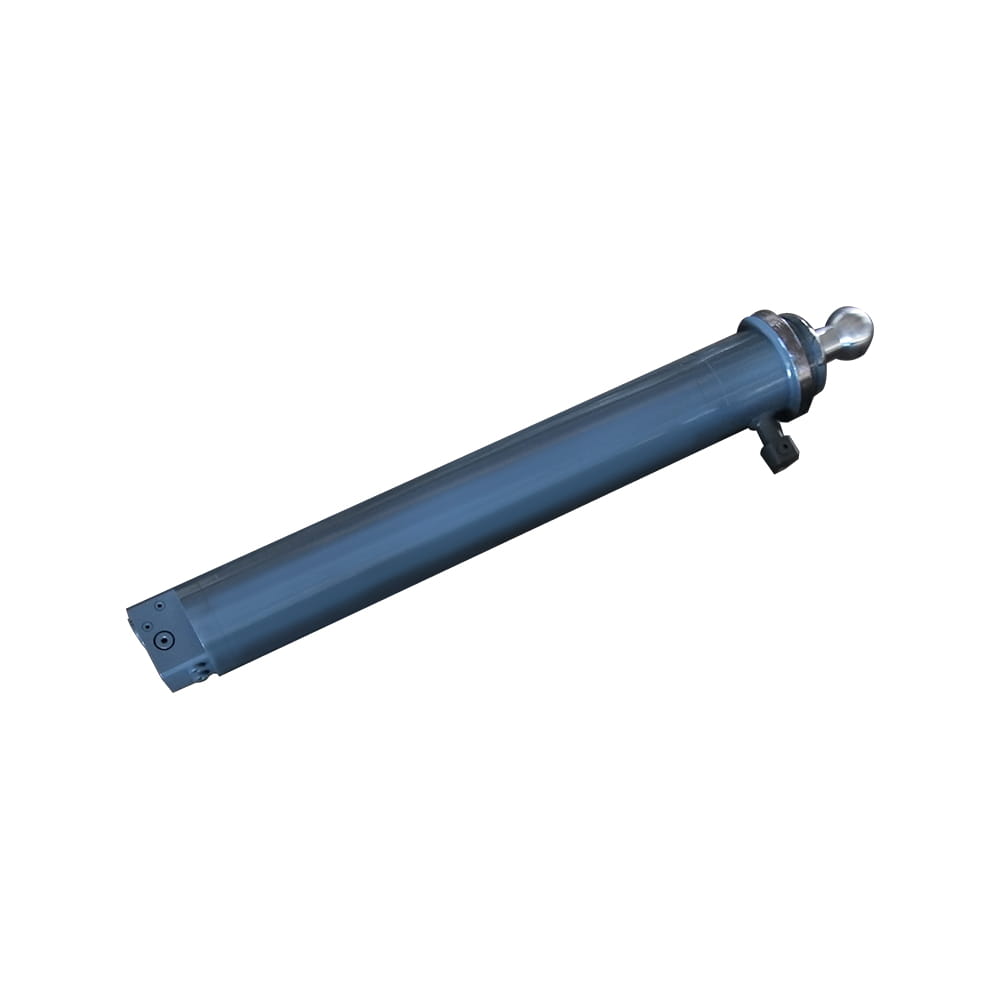 Scissor Lift Aerial Platform Hydraulic Outrigger Cylinder
Function: Firmly Supports the Vehicle: Ensures stability during operation. The ball-head foot automatically levels on slopes, while the integrated balance valve...
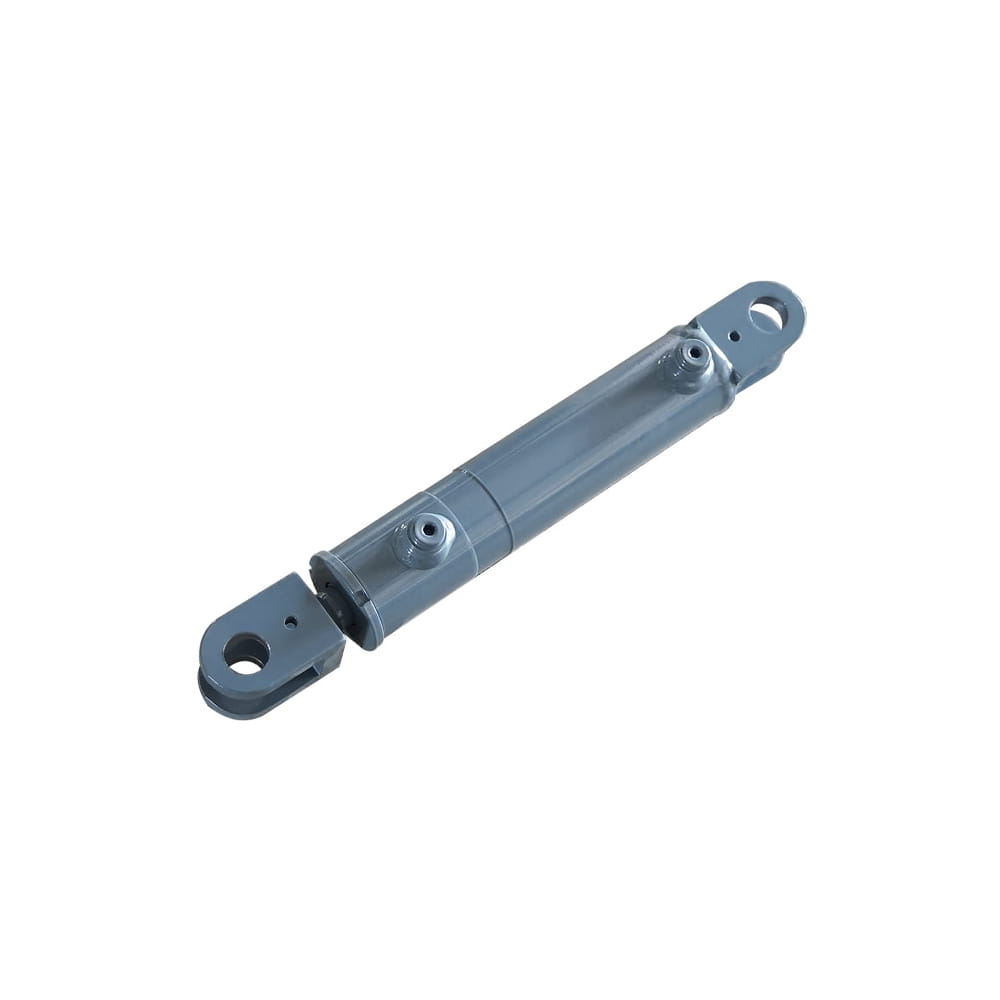 Scissor Lift Aerial Platform Hydraulic Steering Cylinder
Function: Connecting Chassis and Wheel Hub: Through hydraulic pressure, drives the piston rod to move, enabling precise wheel hub rotation. This ensures platfor...
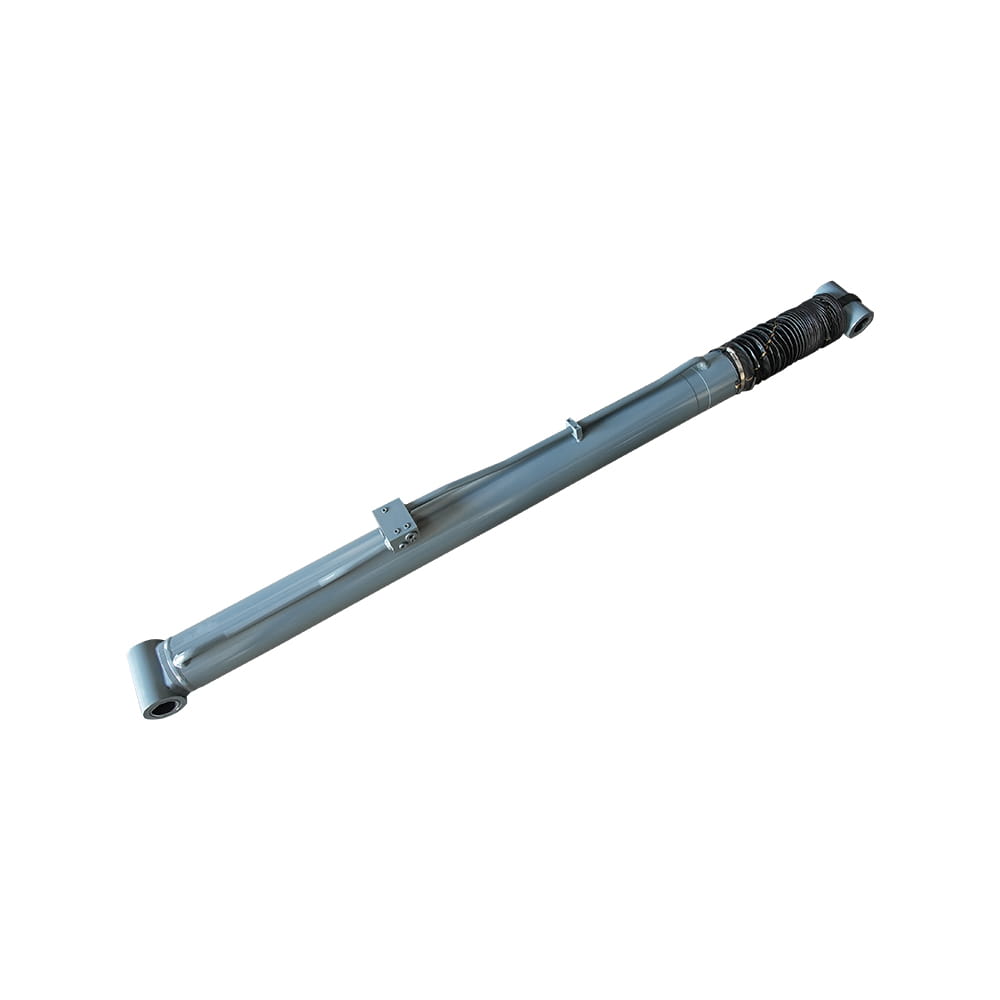 Boom Lift Aerial Platform Hydraulic Luffing Cylinder
Function: Adjust the angle of the telescopic arm to flexibly position the work platform at various heights and positions, meeting diverse aerial work requiremen...
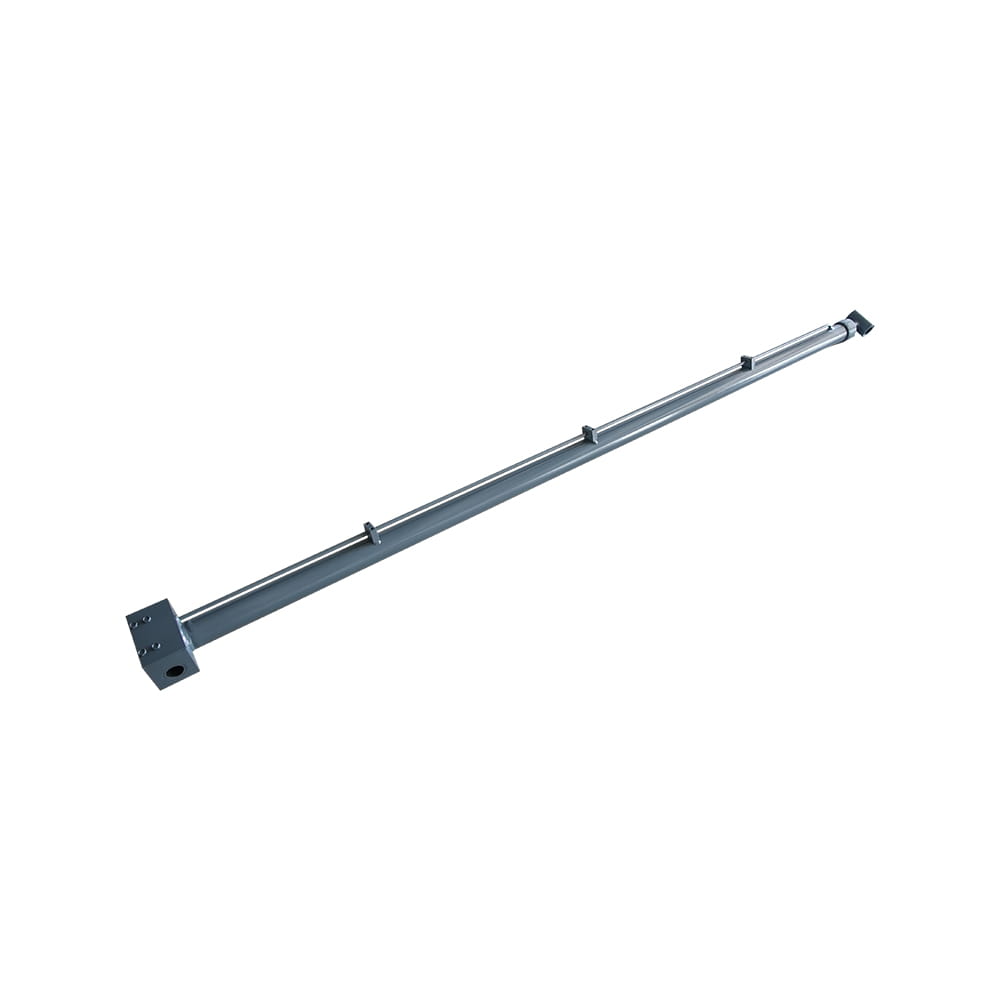 Boom Lift Aerial Platform Hydraulic Telescopic Cylinder
Function: Adjust the length of the arm to allow the aerial work platform to lift and move flexibly, ensuring range and height requirements.
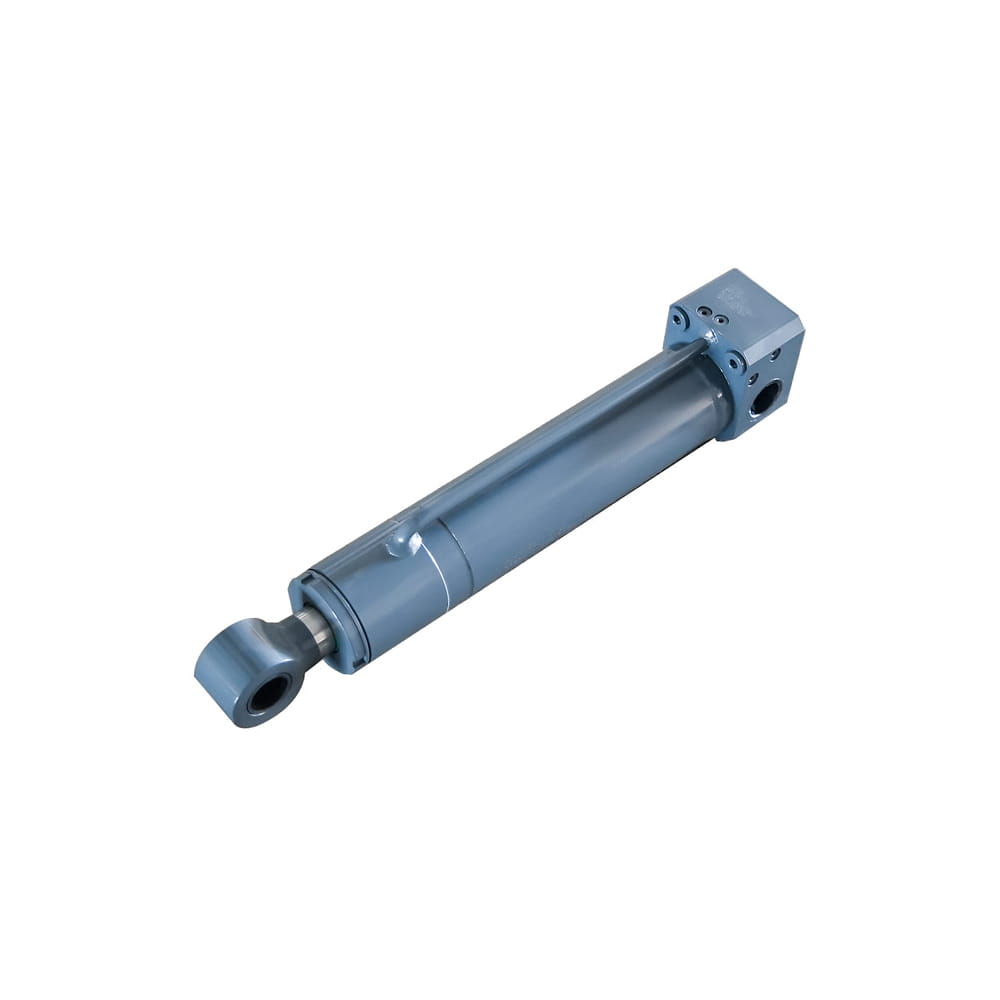 Boom Lift Aerial Platform Hydraulic Frame Leveling Cylinder
Function: Automatically adjust the chassis at the bottom of the platform to a level state, ensuring stable and wobble-free support in different terrains and wor...
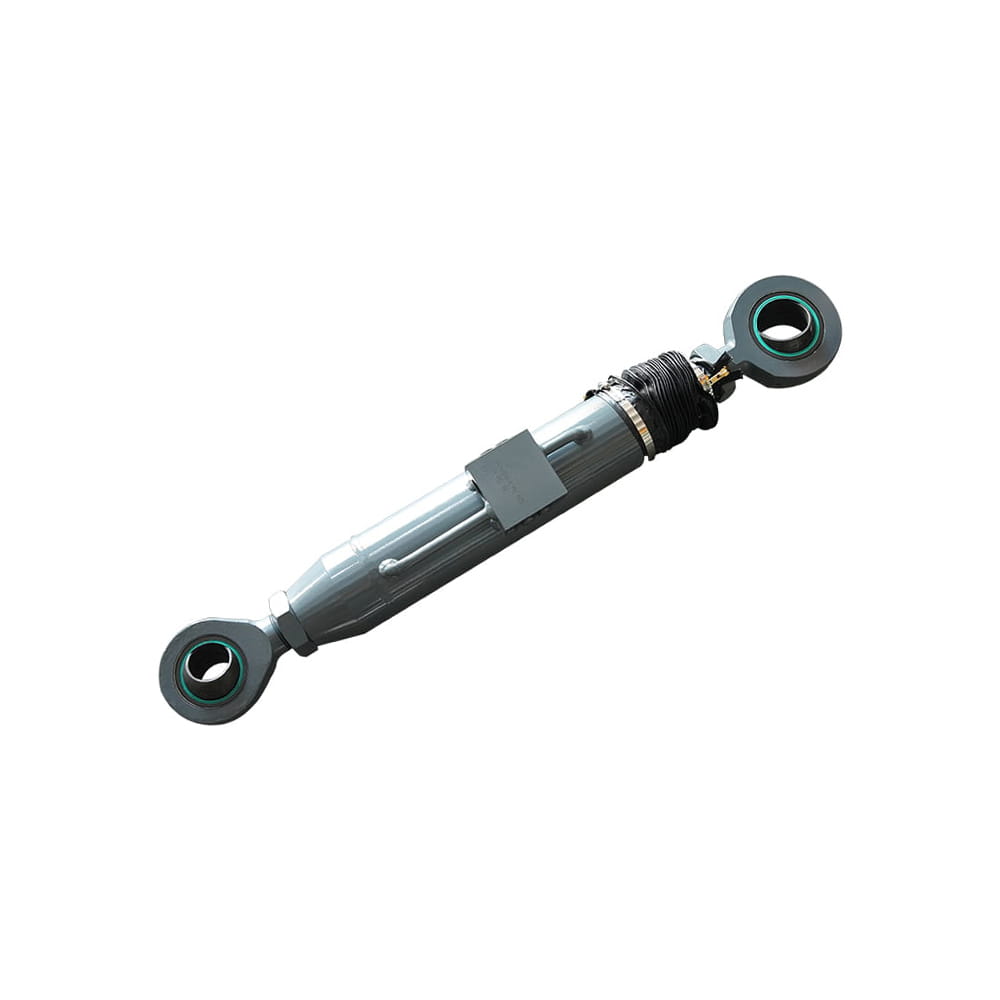 Boom Lift Aerial Platform Hydraulic Bridge Extension Cylinder
Function: An important design that enhances adaptability and working range. This function allows the platform to widen its chassis under specific conditions to ...
Copyright © by Zhejiang Huanfeng Machinery Co., Ltd. Rights Reserved.
