
 English
 中文简体
中文简体 русский
 Español
 Português
 عربى
عربىProduct Consultation
Your email address will not be published. Required fields are marked *
A hydraulic cylinder leak is rarely just a maintenance inconvenience. Left unaddressed, it leads to loss of operating pressure, unpredictable equipment behavior, environmental contamination, and — in load-bearing or personnel-safety applications — a genuine safety hazard. The good news is that most leaks follow predictable patterns. With the right diagnostic approach and a systematic repair process, the majority of hydraulic cylinder leaks can be resolved efficiently and permanently. This guide covers everything equipment operators, maintenance engineers, and procurement teams need to know: why cylinders leak, how to find the source, how to fix it correctly, and how to prevent it from recurring.
Content
Before diagnosing any hydraulic cylinder leak, it is essential to establish which type of leak you are dealing with. The two categories behave differently, present different symptoms, and require different diagnostic approaches.
External leaks occur when hydraulic fluid escapes the cylinder to the outside environment. These are the most immediately visible: oil accumulating around the rod gland, weeping at the barrel seam, fluid pooling beneath the equipment, or visible staining on the cylinder body. External leaks are straightforward to locate through visual inspection and represent a direct loss of fluid from the system.
Internal leaks occur when hydraulic fluid bypasses the piston seal and crosses from one side of the piston to the other inside the cylinder, without exiting the system. Internal leaks produce no visible oil externally, making them more difficult to detect. Instead, they manifest as gradual cylinder drift under load, loss of force or speed, or a cylinder that cannot hold its position when pressure is applied. A cylinder that slowly lowers under a static load with no visible oil loss is a classic indicator of internal leakage.
Misidentifying the leak type leads to unnecessary component replacement and wasted downtime. Establishing which type is present is always the correct first step.
Across a wide range of applications — from hydraulic cylinders for aerial work platforms to crane hydraulic cylinders — the root causes of leakage consistently fall into the same six categories.
Seals are the primary barrier against fluid loss and the most common failure point in any hydraulic cylinder. Rod seals, piston seals, wiper seals, and buffer seals all degrade over time through continuous mechanical friction, heat cycling, and chemical exposure to hydraulic fluid additives. Standard nitrile (NBR) seals begin to lose elasticity above 82°C (180°F), hardening and cracking under sustained thermal stress. Seals that have reached the end of their service life will show visible signs: brittleness, surface cracking, loss of lip geometry, or permanent compression set that prevents full contact with the mating surface.
The piston rod surface finish is critical to seal integrity. Optimal rod surface roughness falls between 10 and 20 microinches Ra — smooth enough to maintain a lubricating oil film, but not so polished that seals cannot maintain proper contact. Scratches, pitting, corrosion, or chrome delamination create leak paths that no seal, regardless of quality, can fully block. Rod damage most commonly results from abrasive particles in the environment, inadequate wiper seal protection, or side-loading that causes uneven contact between the rod and its bearing surfaces.
Contaminated hydraulic fluid is responsible for a significant proportion of premature seal failures and internal component wear. Solid particles — metal debris, dirt, or scale — act as abrasives that score both the rod surface and the bore wall with each stroke. Water contamination, recognizable by a milky white appearance in the fluid, accelerates corrosion of internal metal surfaces and degrades the lubricating properties of the oil. Some biodegradable hydraulic fluids, if not changed at the correct service interval, can break down into acidic compounds that attack elastomeric seals directly. Contamination-related failures are particularly insidious because replacing seals without addressing the contamination source causes the replacement seals to fail on the same shortened timeline.
Every hydraulic cylinder is designed and rated to operate within a defined pressure range. When system pressure exceeds design limits — whether from incorrectly set relief valves, pressure intensification in trapped circuits, or sudden shock loads — the consequences are predictable: seal extrusion into clearance gaps, rapid seal material loss, and in severe cases, structural damage to end caps, ports, or the cylinder barrel itself. Pressure-induced failures are often sudden in onset, occurring immediately after a high-load event rather than developing gradually over time.
Hydraulic cylinders are designed to transmit force along their central axis. When a cylinder is subjected to off-axis loads — due to incorrect mounting, worn pivot pins and bushings, or operational practices such as using a bucket edge for prying — the rod is forced laterally against its bearing surfaces. This uneven loading accelerates wear band deterioration, creates clearance between the rod and its guides, and subjects seals to uneven compression that compromises their ability to maintain a fluid-tight contact. Misalignment failures leave a characteristic signature: uneven polish marks on the rod surface and asymmetric wear patterns inside the gland.
Both high and low temperature extremes are damaging to hydraulic cylinder seals. High operating temperatures reduce hydraulic fluid viscosity, diminishing the lubricating film between the rod and seal lip, while simultaneously accelerating elastomer degradation. Low temperatures cause seals to stiffen and lose conformability, increasing the risk of leak paths forming during initial operation before the system reaches working temperature. Applications with wide thermal ranges — outdoor construction equipment, equipment operating in cold climates, or cylinders mounted near heat sources — require seal materials selected specifically for the expected temperature envelope.
Systematic diagnosis before disassembly saves time and prevents unnecessary component replacement. Follow this sequence:
Begin with a thorough external inspection after cleaning the cylinder surface with a degreaser. A clean cylinder surface reveals the exact leak location precisely. Inspect the rod gland area first — oil accumulation here points to rod seal or wiper seal failure. Check all port connections and fittings for weeping at thread interfaces. Examine the barrel body for cracks, particularly near welds and end cap joints. For leaks that are difficult to locate visually, adding a UV-fluorescent dye to the hydraulic system and using a UV lamp will highlight even very slow seepage paths that are otherwise invisible.
Internal leakage requires a functional test rather than a visual inspection. The standard method is a static pressure hold test: extend the cylinder fully under load, isolate it from the hydraulic circuit by closing the supply and return valves, and observe whether the rod retracts over a defined observation period (typically 5 to 10 minutes). Any measurable drift under static load confirms internal bypass across the piston seal. For a more quantitative assessment, a flow meter can be installed in the return line to measure bypass volume during a controlled pressure hold — this establishes whether internal leakage is within acceptable tolerances or has exceeded the threshold that requires repair.
Hydraulic cylinder repair requires precision at every stage. Rushing any step — particularly seal installation or torque application during reassembly — frequently results in a repeat failure within a short operating period.
Not every leaking cylinder justifies a full rebuild. The repair-versus-replace decision depends on several intersecting factors:
When the damage assessment is unclear, a professional bench evaluation is always the most cost-effective path. It costs a fraction of either a full rebuild or a replacement unit and provides the factual basis for a sound decision.
Field maintenance practices address leaks after they occur. Prevention begins at the manufacturing stage — and the quality of a hydraulic cylinder's original construction directly determines how long it will operate leak-free under real working conditions.
Several manufacturing factors have an outsized impact on long-term seal life and leak resistance:
Sourcing cylinders from a manufacturer with documented quality control processes, traceable production records, and rigorous outgoing inspection is the single most effective strategy for reducing the frequency of field leaks over the operating lifetime of a hydraulic system.
Hydraulic cylinder leaks are predictable, diagnosable, and — with the right process — both repairable and preventable. Understanding the distinction between external and internal leakage, identifying the root cause rather than just the failed component, and following a disciplined repair and reassembly process are the foundations of effective leak management. For equipment operators and procurement engineers sourcing cylinders for demanding applications, the manufacturing quality of the cylinder itself is the most durable investment in long-term leak prevention.
Your email address will not be published. Required fields are marked *
Marvelous Design Meets Rigorous Manufacturing
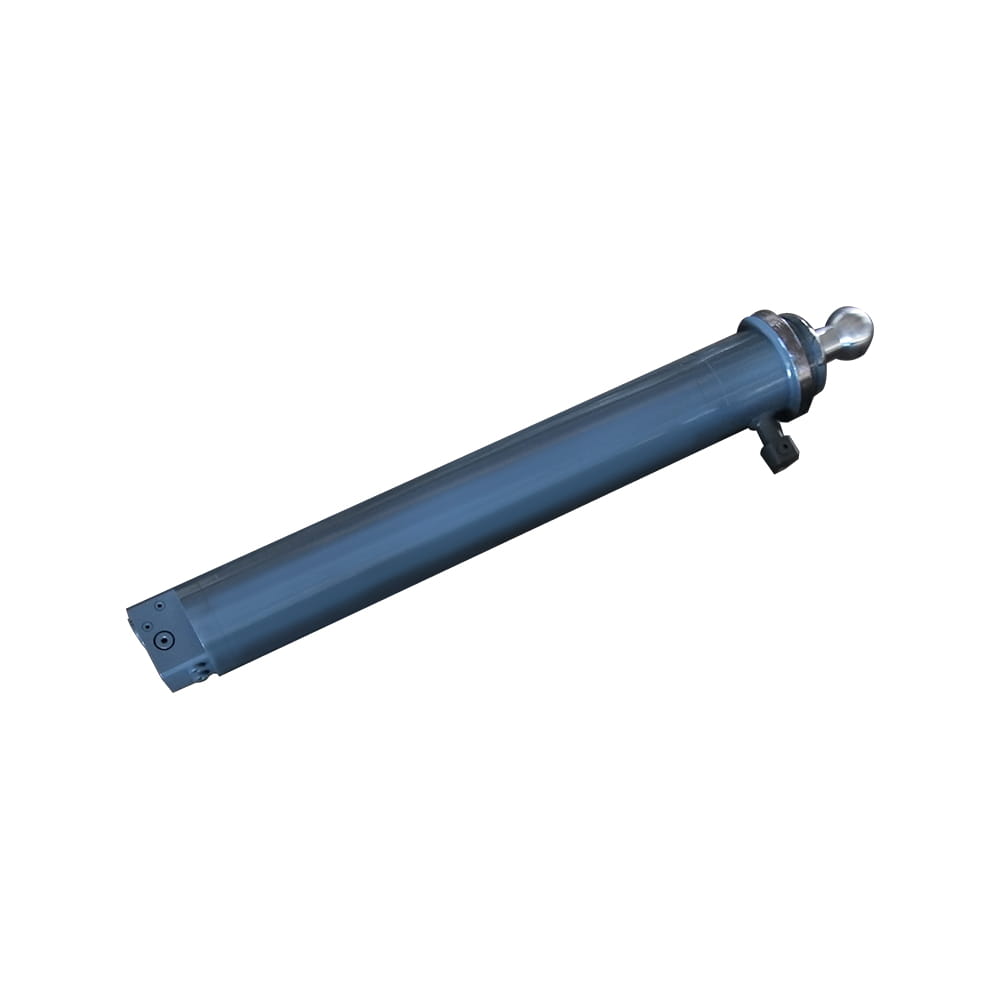 Scissor Lift Aerial Platform Hydraulic Outrigger Cylinder
Function: Firmly Supports the Vehicle: Ensures stability during operation. The ball-head foot automatically levels on slopes, while the integrated balance valve...
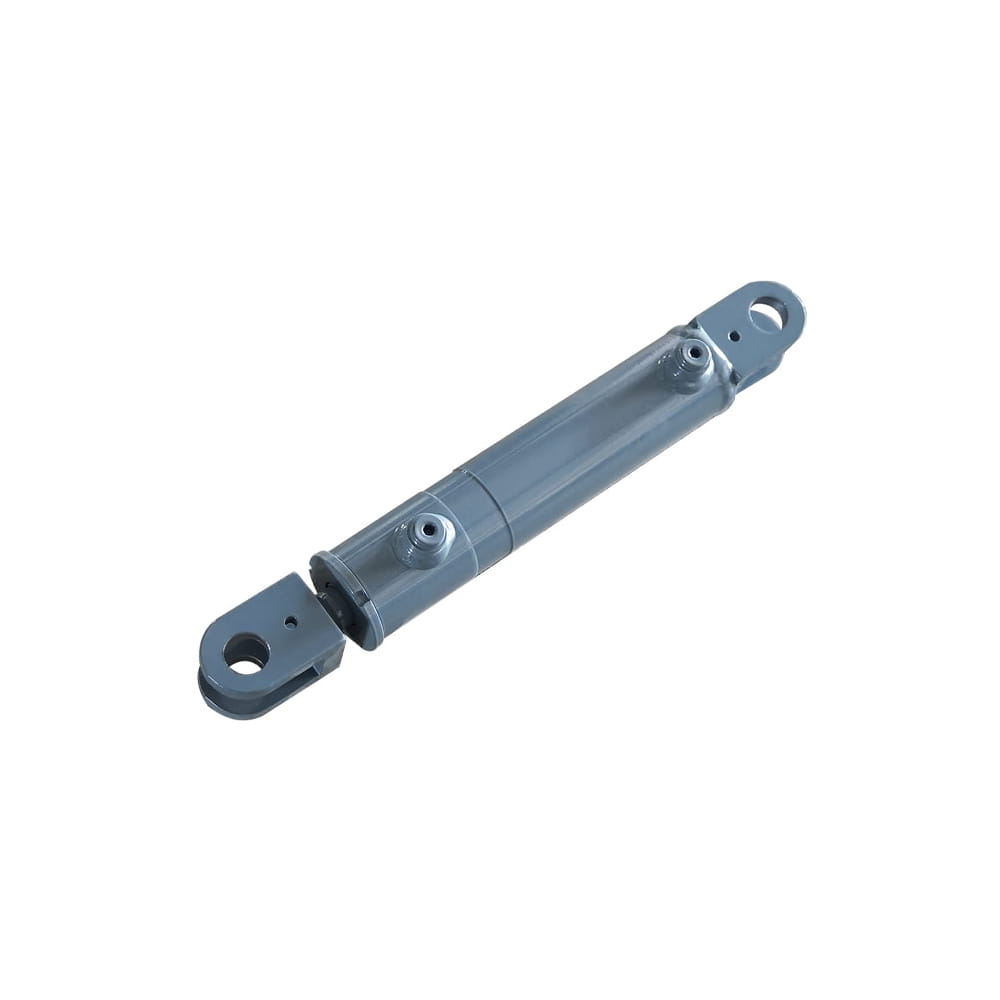 Scissor Lift Aerial Platform Hydraulic Steering Cylinder
Function: Connecting Chassis and Wheel Hub: Through hydraulic pressure, drives the piston rod to move, enabling precise wheel hub rotation. This ensures platfor...
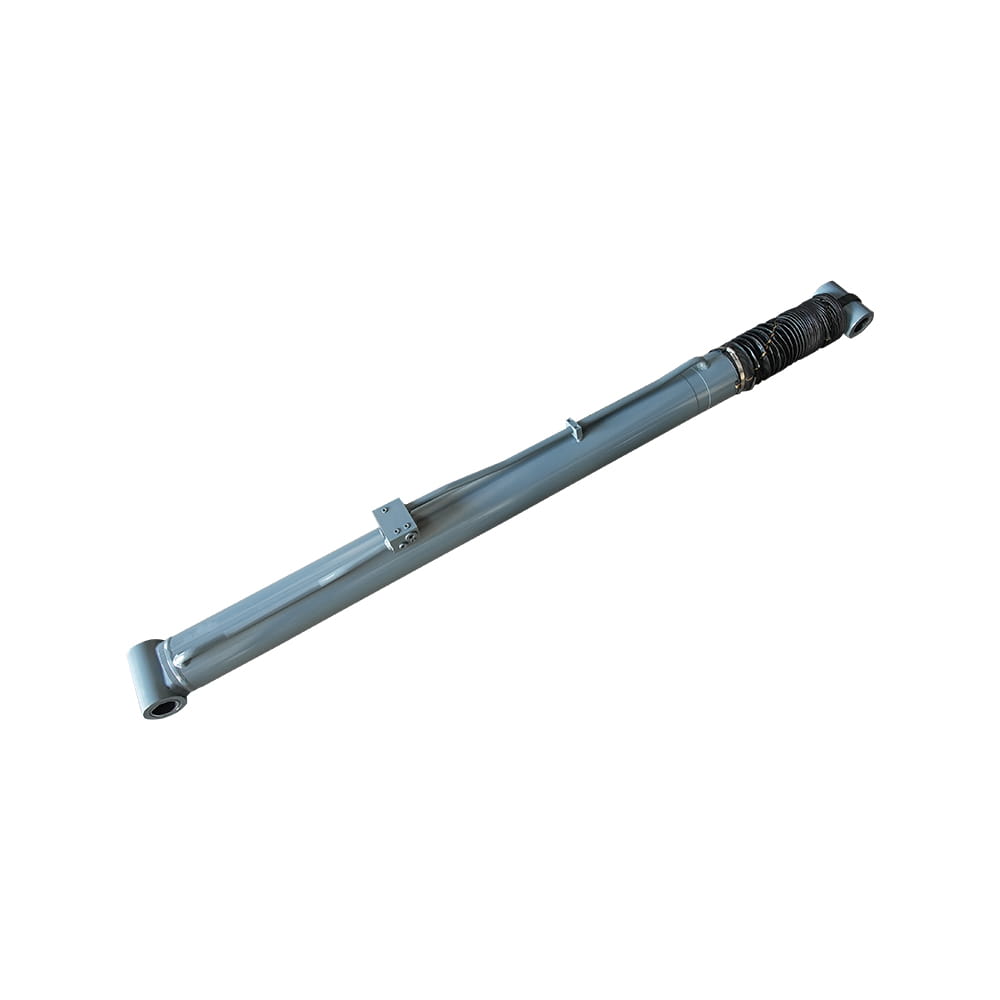 Boom Lift Aerial Platform Hydraulic Luffing Cylinder
Function: Adjust the angle of the telescopic arm to flexibly position the work platform at various heights and positions, meeting diverse aerial work requiremen...
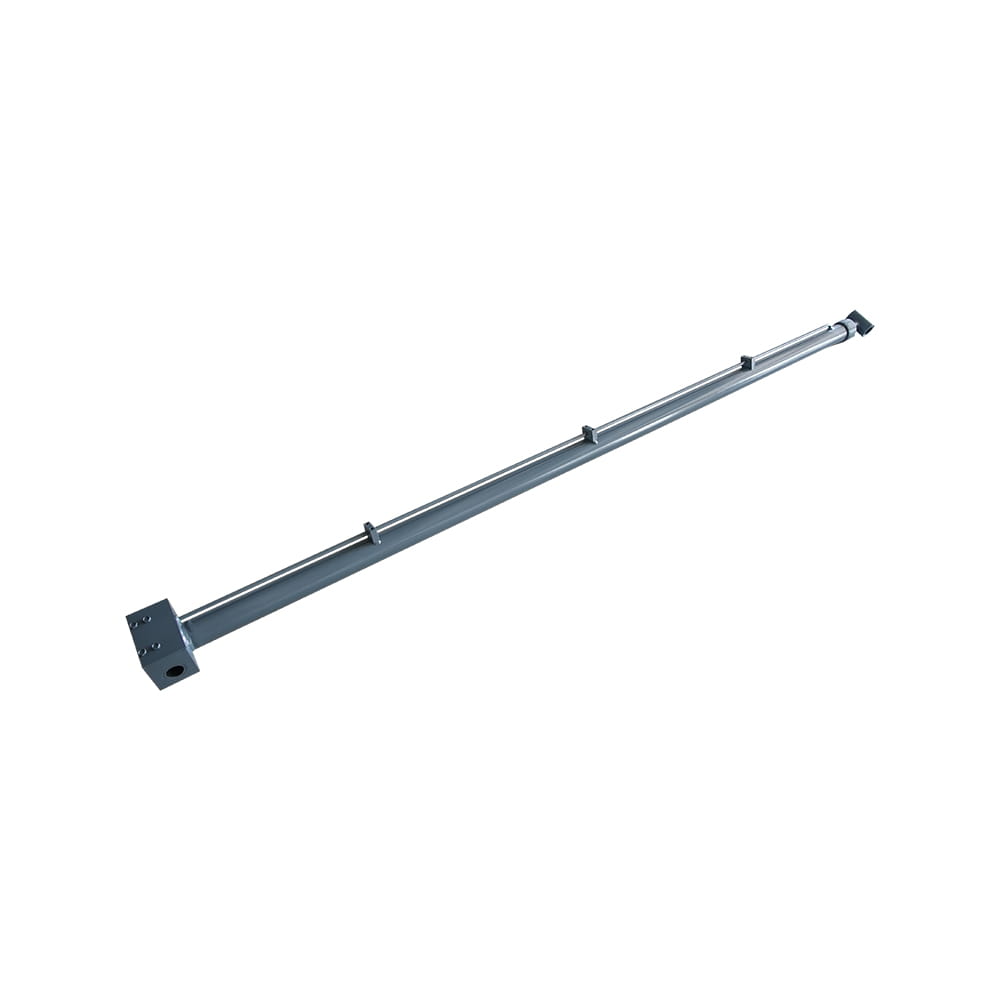 Boom Lift Aerial Platform Hydraulic Telescopic Cylinder
Function: Adjust the length of the arm to allow the aerial work platform to lift and move flexibly, ensuring range and height requirements.
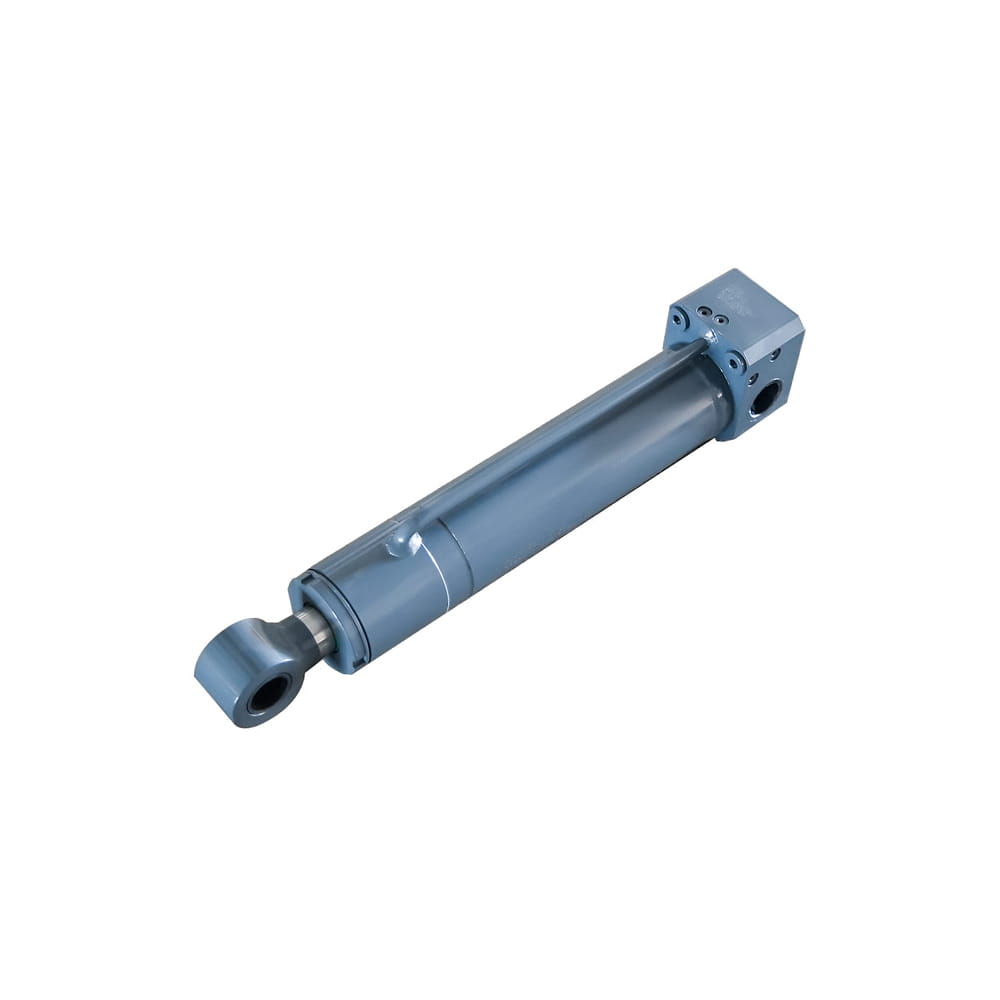 Boom Lift Aerial Platform Hydraulic Frame Leveling Cylinder
Function: Automatically adjust the chassis at the bottom of the platform to a level state, ensuring stable and wobble-free support in different terrains and wor...
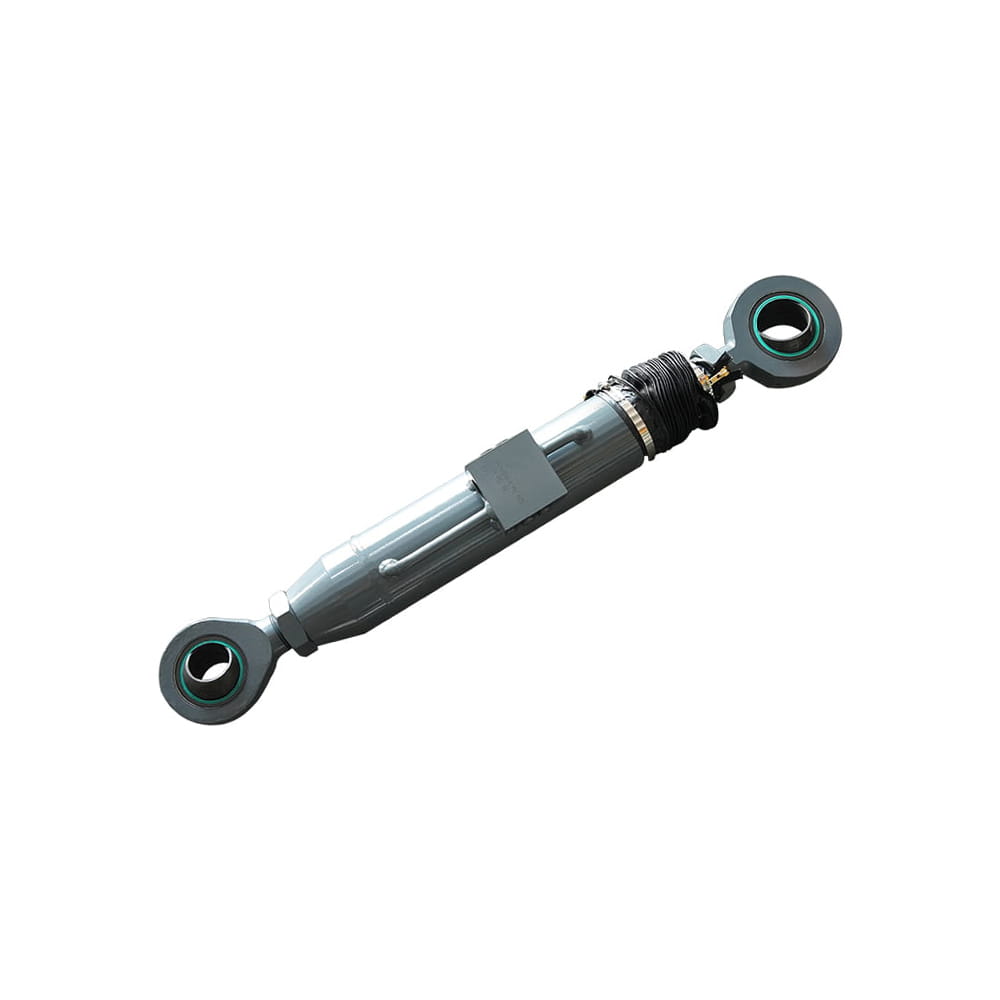 Boom Lift Aerial Platform Hydraulic Bridge Extension Cylinder
Function: An important design that enhances adaptability and working range. This function allows the platform to widen its chassis under specific conditions to ...
Copyright © by Zhejiang Huanfeng Machinery Co., Ltd. Rights Reserved.
