
 English
 中文简体
中文简体 русский
 Español
 Português
 عربى
عربىProduct Consultation
Your email address will not be published. Required fields are marked *
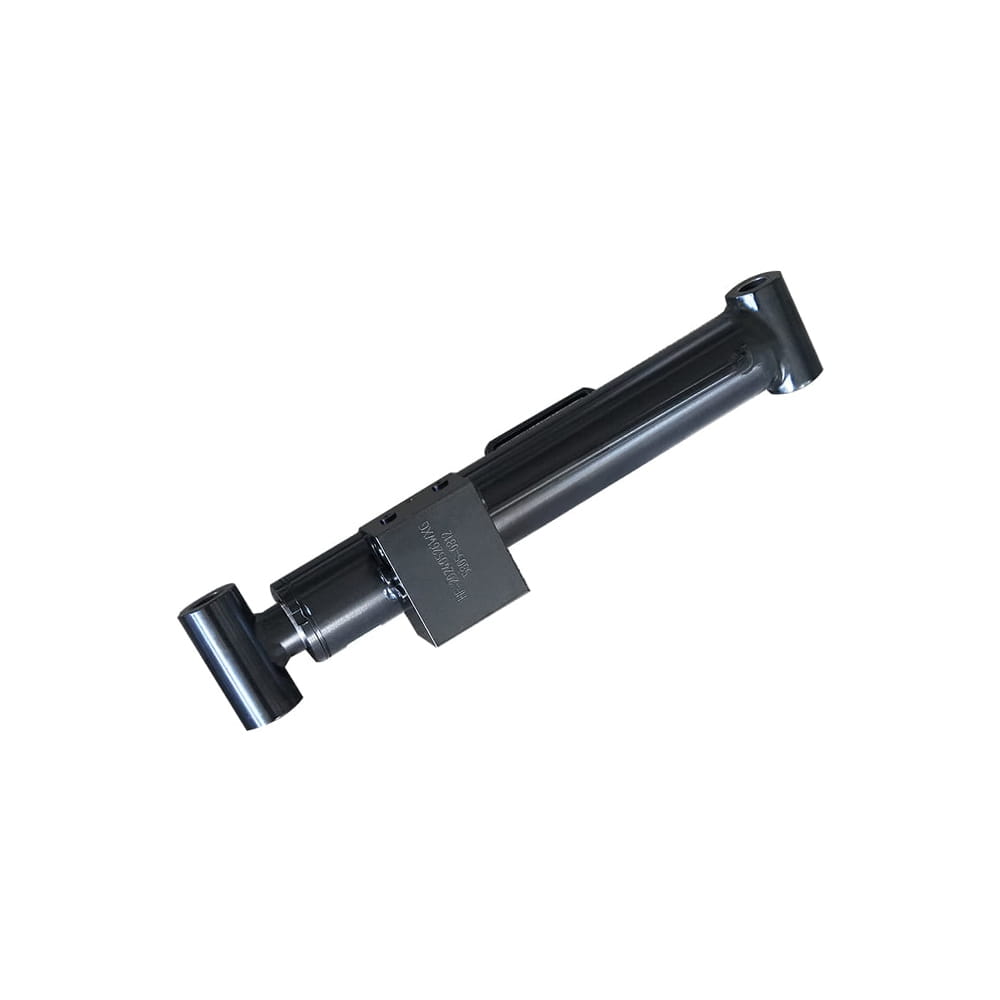
A scissor lift looks simple from the outside: a platform rises, workers complete their task, the platform descends. What makes that sequence safe is almost entirely determined by one component — the hydraulic cylinder. Get the cylinder wrong, and the consequences range from unstable platforms and operator discomfort to uncontrolled descent and structural failure. Get it right, and the machine meets every MEWP safety standard while delivering the smooth, controlled movement that operators depend on across thousands of working cycles.
This article explains what makes scissor lift hydraulic cylinders technically demanding, what the hydraulic valve circuit must accomplish, and how to evaluate cylinder specifications for MEWP applications.
Content
Not all hydraulic cylinders are equal, and scissor lift applications impose a combination of demands that most standard cylinders are not designed to handle simultaneously.
The defining characteristic of a scissor mechanism is its geometry: as the platform rises, the scissor arms rotate through an arc that changes the mechanical advantage of the cylinder at each point in the stroke. This means the cylinder experiences varying load at different extension positions — maximum force is typically required at low platform heights where the scissor angle is shallow and mechanical advantage is lowest. The cylinder must be sized for this worst-case condition, not for the average load across the stroke.
The second defining characteristic is the speed relationship between the cylinder and the platform. Due to the scissor mechanism's geometry and the telescopic structure of multi-stage scissors, the platform descends at a speed that can significantly exceed the retraction speed of the hydraulic cylinder itself. This is not a design flaw — it is an inherent consequence of the linkage — but it means that cylinder retraction speed alone cannot control platform descent speed. Dedicated flow control and descent control valves are essential to regulate the actual platform speed during lowering.
Third, the piston rod's movement quality matters more in a scissor lift than in many other hydraulic applications because the rod's motion transmits directly through the scissor arms to the platform. Stick-slip behaviour, pressure surges at the start of movement, or inconsistent retraction all produce visible platform oscillation — which increases operator fatigue, reduces positioning accuracy, and raises concerns about structural fatigue over the machine's service life.
Hydraulic cylinder sealing in a scissor lift aerial platform carries a higher consequence of failure than in most industrial applications. A seal that allows internal bypass — fluid passing around the piston rather than through the control circuit — results in gradual platform drift under load. In a MEWP context, this means a platform slowly descending with workers on it, often without warning.
Scissor lift cylinder seals must perform across a wide range of operating conditions: ambient temperatures from sub-zero winter environments to summer heat on exposed job sites, extended static holds where the cylinder supports load without movement for hours, and dynamic cycling in environments where dust, moisture, and debris are present. The seal material selection — polyurethane, PTFE, or NBR compound depending on the application temperature range and fluid type — must be matched to the actual operating environment, not defaulted to a standard catalogue specification.
Piston rod surface finish and hardness directly determine seal longevity. A rod that is too rough accelerates lip seal wear; a rod with surface defects from corrosion or impact damage creates a leak path that no seal design can compensate for. Chrome plating depth, hardness specification, and surface roughness tolerance (typically Ra 0.2–0.4 μm for hydraulic rod applications) are parameters that should appear in the cylinder specification, not be left to supplier discretion.
Our hydraulic cylinders for scissor lift aerial platforms are manufactured with sealing systems selected and validated for MEWP operating conditions — covering both the dynamic performance requirements during platform movement and the static holding requirements during extended elevated work.
Controlled platform descent is the single most safety-critical function the hydraulic system must perform. Because the platform descends faster than the cylinder retracts — a consequence of the scissor geometry described above — the hydraulic circuit must actively govern the descent rate rather than simply allowing the cylinder to retract under the weight of the platform and its load.
Two valve types are central to this function. Flow control valves restrict the rate at which hydraulic fluid can return from the cylinder to the reservoir during lowering, limiting retraction speed and therefore controlling the rate at which the scissor mechanism closes. Descent control valves (sometimes called counterbalance valves or load-holding valves in this context) provide proportional control of the lowering rate, allowing the operator to modulate descent speed smoothly rather than in a single fixed-rate mode. Together, these valves ensure that the platform descends at a rate that is both predictable and controllable, independent of the actual load on the platform.
The tolerance stack between the platform's actual descent speed and the cylinder's retraction speed must be accounted for in the valve sizing. Undersized flow control valves create back-pressure that causes jerky, uneven descent; oversized valves allow the platform to descend faster than the circuit can safely manage. Correct valve selection requires knowledge of the specific scissor mechanism geometry, the maximum rated platform load, and the target descent speed range specified for the machine.
The scissor lift platform (also known as a mobile elevating work platform / MEWP) has extremely high requirements for hydraulic cylinder sealing and platform stability. Due to its unique scissor mechanism and telescopic structure, the platform's descending speed far exceeds that of the hydraulic cylinder itself, requiring precise flow control valves and descent control valves to ensure safe, controlled lowering.
Additionally, the smooth movement of the piston rod directly impacts platform stability and operator comfort. Furthermore, the cylinder's safety factor and structural stability are crucial, as they directly relate to worker safety and compliance with MEWP safety standards. To enhance operational safety, hydraulic valves with various functions can be configured to meet customer needs, including pressure relief valves for overload protection, check valves / holding valves to prevent unintended descent, and emergency descent valves for power failure scenarios.
These hydraulic system components work together to ensure reliable performance across diverse applications, from construction and building maintenance to warehouse operations and industrial facility maintenance, making the scissor lift an indispensable tool for safe elevated work.
MEWP safety standards — including EN 280 in Europe and ANSI A92 in North America — specify minimum safety factors for structural and hydraulic components. For hydraulic cylinders used in scissor lifts, the cylinder must be rated to withstand a multiple of the maximum working pressure without yielding or leaking, and the mounting points and rod attachment must be designed to carry the applied loads with an appropriate structural safety margin.
The safety factor is not simply a number on a datasheet — it is a function of the cylinder's material grade, wall thickness, weld quality (where applicable), and the fatigue characteristics of the design under the cyclic loading that a MEWP experiences in normal use. A cylinder that meets its rated pressure specification on a static test but is undersized for the fatigue loading of ten thousand lift cycles may pass acceptance testing and still fail prematurely in service.
Structural stability extends beyond the cylinder itself to its mounting configuration. End mounts, clevis attachments, and pin specifications all contribute to the overall stiffness of the cylinder installation. A cylinder that deflects laterally under load — because its mounting is insufficiently rigid — introduces bending stress into the piston rod that the cylinder was not designed to carry, accelerating seal wear and potentially causing rod or barrel distortion over time.
Our engineering team designs scissor lift cylinders with the full load case in mind, including eccentric loading, dynamic amplification from platform movement, and the structural requirements of the specific scissor geometry. See our hydraulic cylinders for aerial work platforms for the full range of configurations available for MEWP applications.
The relationship between piston rod movement quality and platform stability is direct and measurable. When a piston rod exhibits stick-slip — a pattern of micro-stoppages and sudden releases caused by seal friction exceeding the hydraulic force at low speeds — the resulting motion impulses travel through the scissor arms and appear as platform vibration. Workers standing on the platform experience this as instability; sensitive equipment being positioned using the platform may be damaged by the oscillation.
Achieving smooth rod movement at low creep speeds requires careful matching of seal friction, hydraulic pressure, and cylinder bore finish. Low-friction seal designs (often PTFE-based or incorporating low-friction lip profiles) reduce the break-out force needed to initiate movement. Consistent bore surface finish — honed to a tight roughness specification — ensures that the seal friction is uniform around the bore circumference rather than varying with position. And stable hydraulic pressure from a well-designed pump and control circuit ensures that the driving force is sufficient to maintain movement without surging.
For MEWP applications where platform positioning precision is important — maintenance tasks on precision equipment, installation work requiring exact height control — smooth cylinder movement is not a comfort feature but a functional requirement.
Scissor lift hydraulic cylinders serve a broad range of industries, each with its own environmental and duty cycle demands that the cylinder specification must address.
In construction and building maintenance, cylinders operate outdoors across seasonal temperature ranges, in environments where concrete dust, metal particles, and moisture are present. Rod wiper seals and external protective features become important in these conditions. In warehouse and logistics operations, indoor scissor lifts typically operate in cleaner environments but at higher cycle frequencies — a warehouse order-picking platform may complete dozens of lift cycles per shift, placing greater demands on seal durability and hydraulic fluid cleanliness than a construction platform used intermittently. In industrial facility maintenance, cylinders may be exposed to chemical atmospheres, high humidity, or temperature extremes depending on the production environment, requiring seal and coating specifications that go beyond standard.
Specifying the right cylinder for a scissor lift application requires more than selecting the correct bore and stroke. Operating temperature range, expected cycle frequency, environmental contamination level, and the specific scissor mechanism geometry all feed into the design decisions that determine whether a cylinder will perform reliably across its intended service life.
Contact our technical team through our project enquiry page to discuss hydraulic cylinder requirements for your scissor lift or MEWP application — including custom bore, stroke, mounting configuration, and integrated valve specifications.
Your email address will not be published. Required fields are marked *
Marvelous Design Meets Rigorous Manufacturing
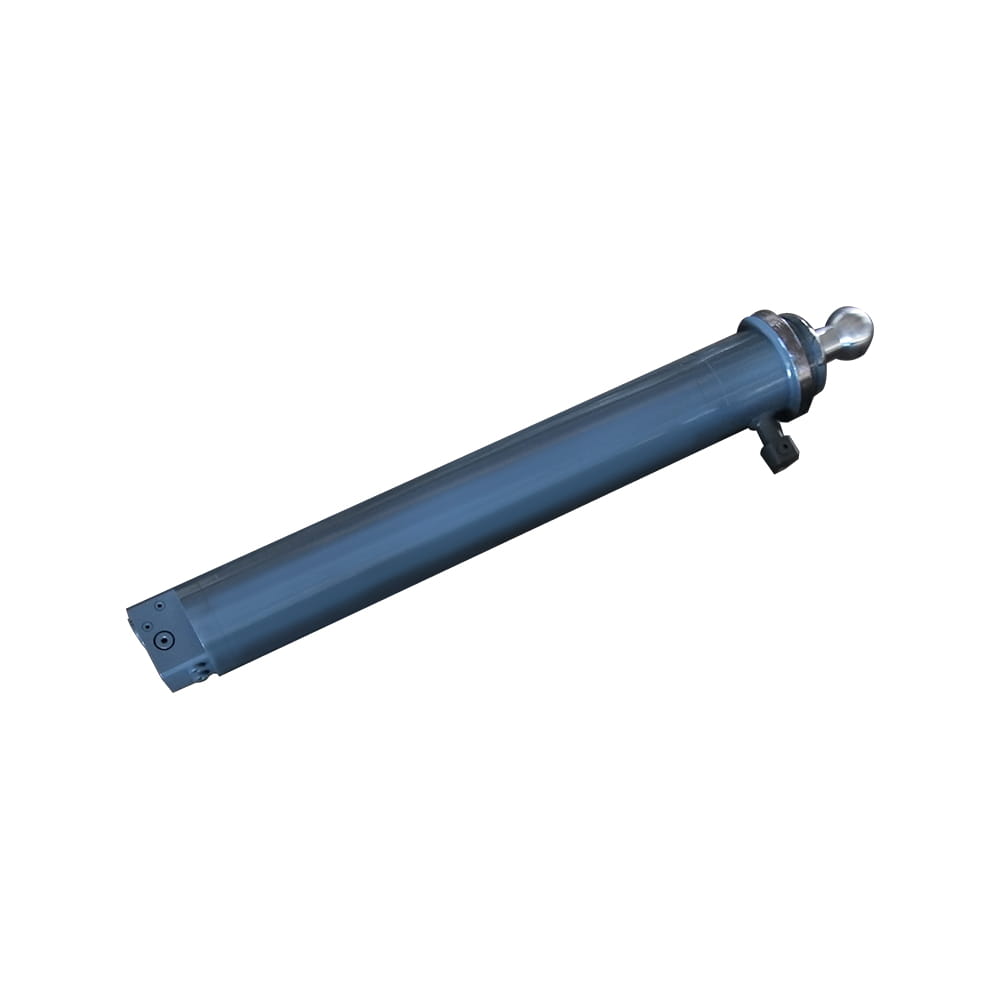 Scissor Lift Aerial Platform Hydraulic Outrigger Cylinder
Function: Firmly Supports the Vehicle: Ensures stability during operation. The ball-head foot automatically levels on slopes, while the integrated balance valve...
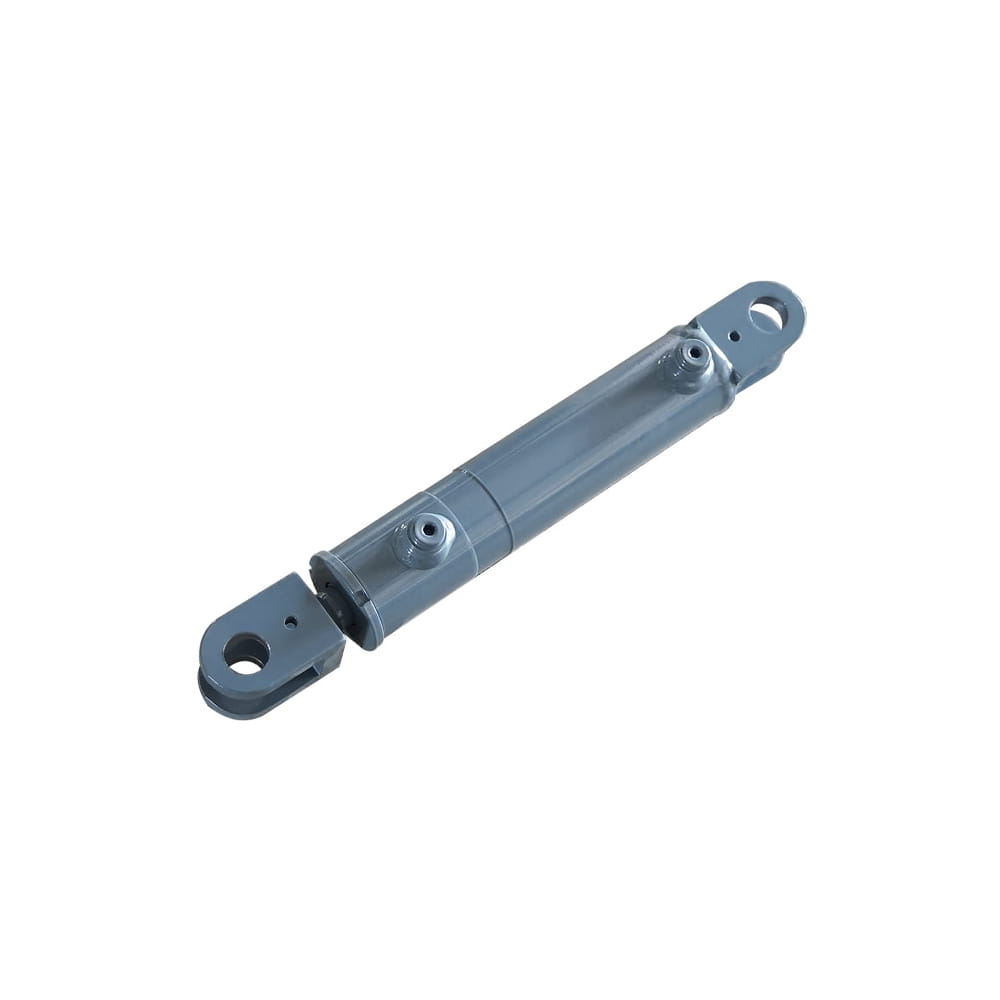 Scissor Lift Aerial Platform Hydraulic Steering Cylinder
Function: Connecting Chassis and Wheel Hub: Through hydraulic pressure, drives the piston rod to move, enabling precise wheel hub rotation. This ensures platfor...
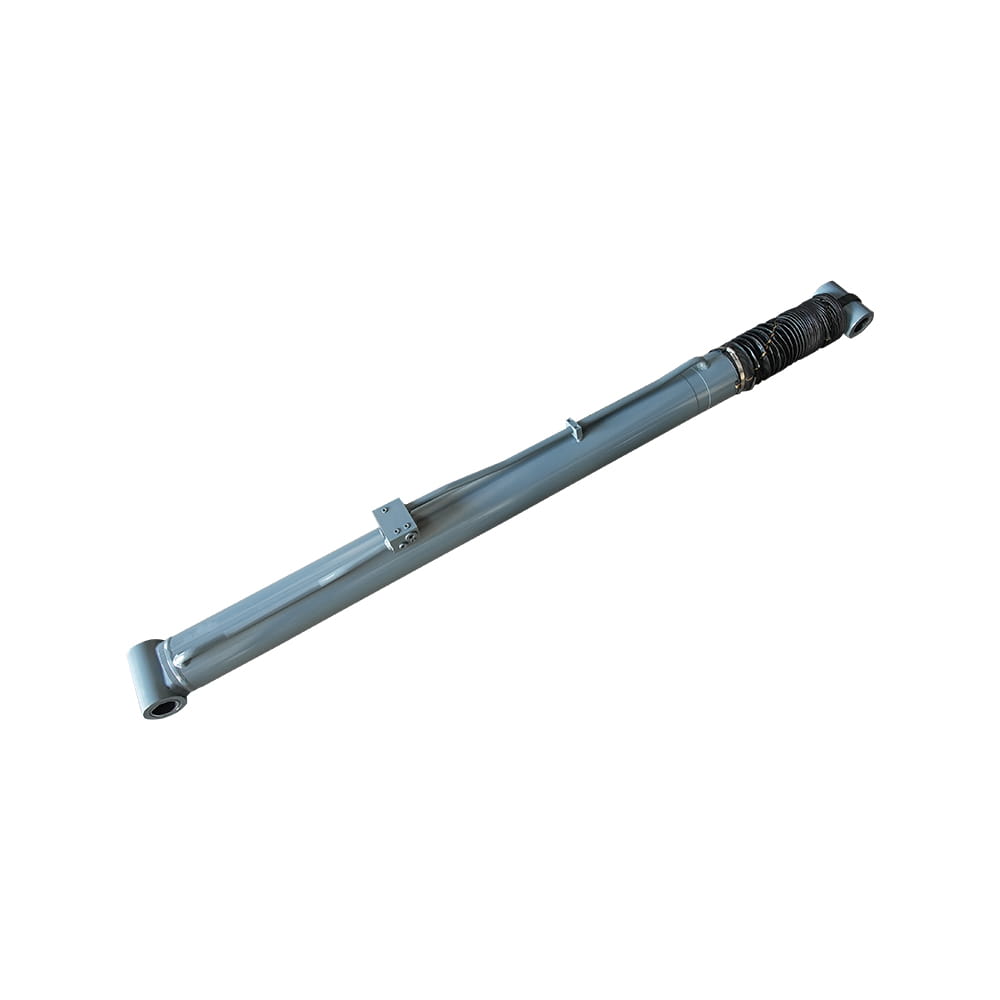 Boom Lift Aerial Platform Hydraulic Luffing Cylinder
Function: Adjust the angle of the telescopic arm to flexibly position the work platform at various heights and positions, meeting diverse aerial work requiremen...
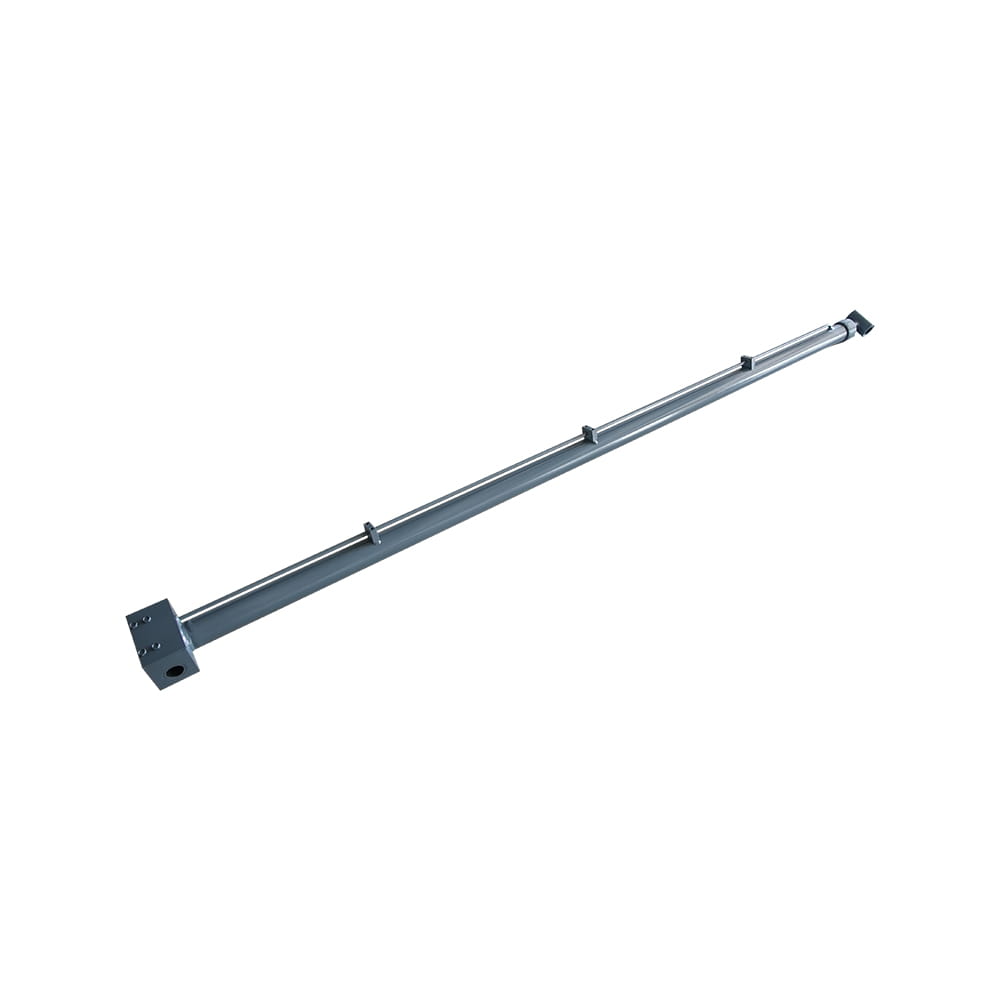 Boom Lift Aerial Platform Hydraulic Telescopic Cylinder
Function: Adjust the length of the arm to allow the aerial work platform to lift and move flexibly, ensuring range and height requirements.
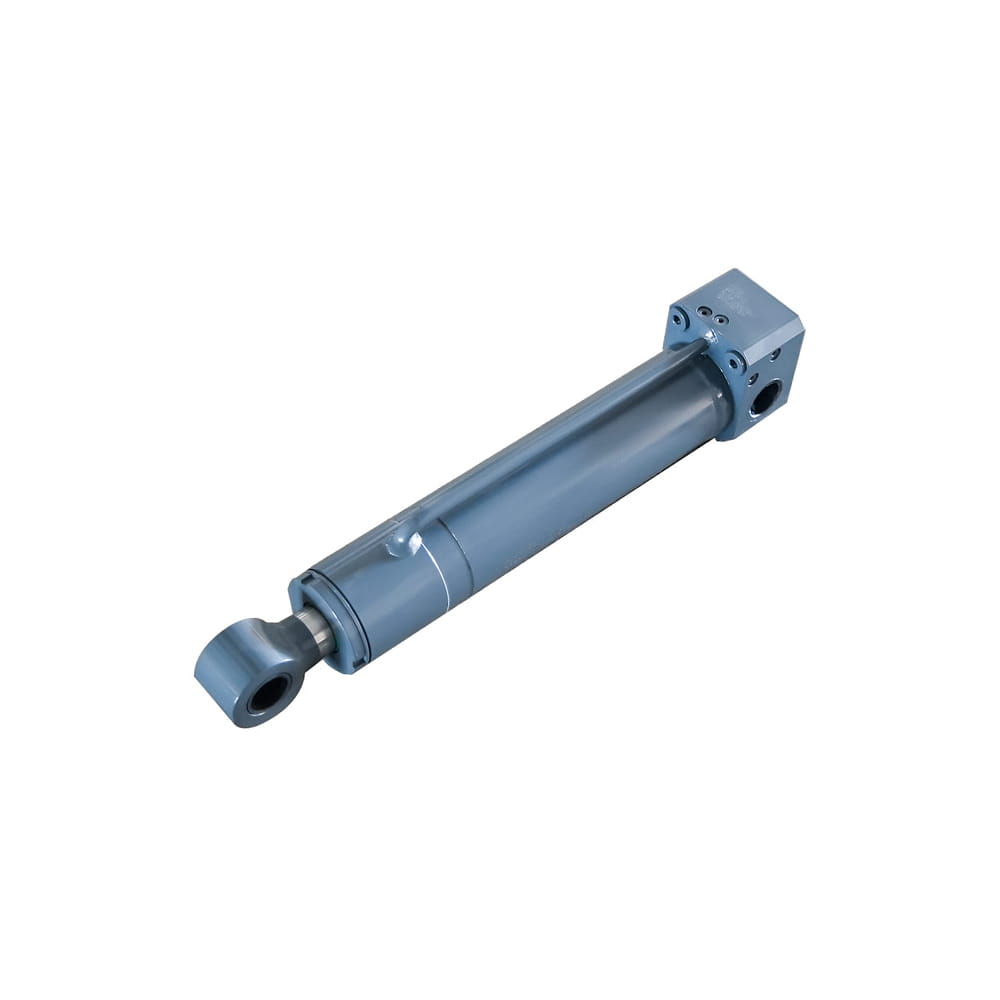 Boom Lift Aerial Platform Hydraulic Frame Leveling Cylinder
Function: Automatically adjust the chassis at the bottom of the platform to a level state, ensuring stable and wobble-free support in different terrains and wor...
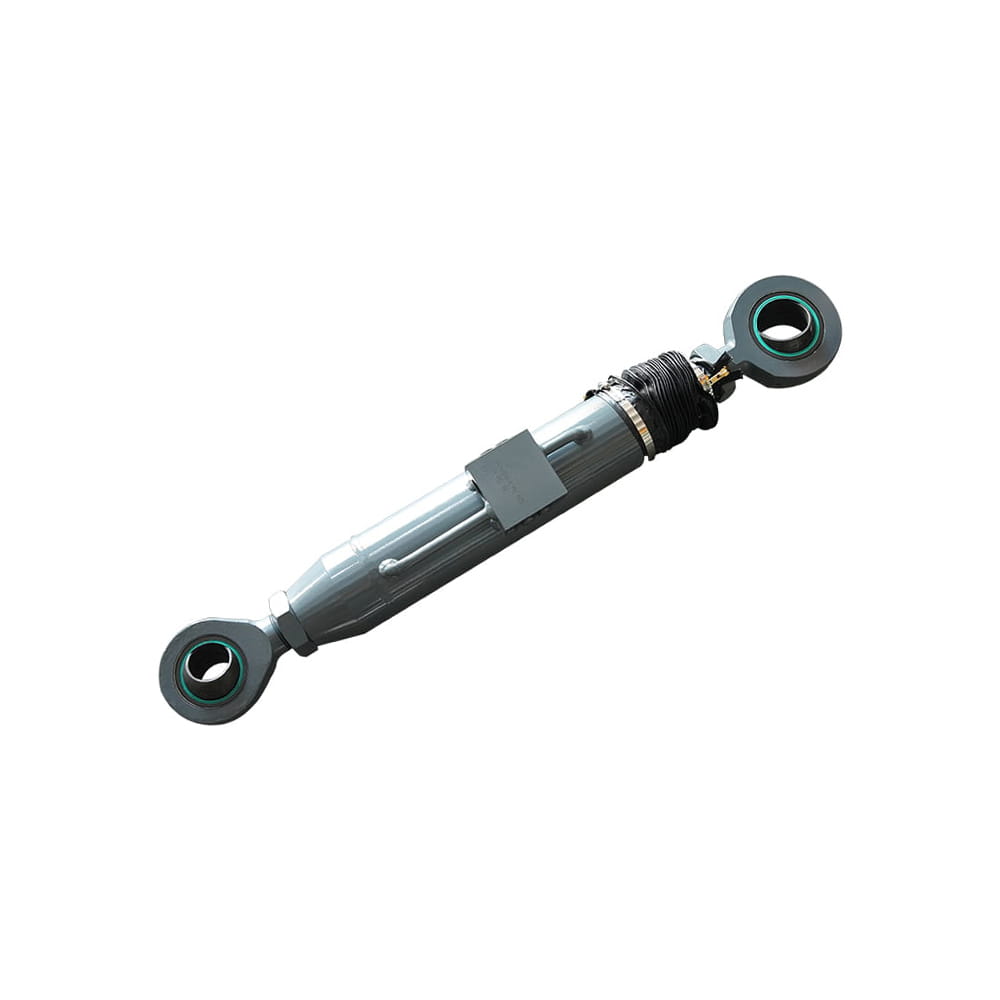 Boom Lift Aerial Platform Hydraulic Bridge Extension Cylinder
Function: An important design that enhances adaptability and working range. This function allows the platform to widen its chassis under specific conditions to ...
Copyright © by Zhejiang Huanfeng Machinery Co., Ltd. Rights Reserved.
