
 English
 中文简体
中文简体 русский
 Español
 Português
 عربى
عربىProduct Consultation
Your email address will not be published. Required fields are marked *
A hydraulic cylinder lift looks simple from the outside. Oil enters the bore, pressure builds against the piston, and the rod extends in a straight line to raise a boom, a platform or a load. Behind that motion sits a series of decisions about bore size, working pressure, rod diameter, stroke and mounting that decide whether a machine lifts smoothly for a decade or struggles from its first shift.
Zhejiang Huanfeng Machinery has been designing and manufacturing hydraulic cylinders since 2004 for cranes, aerial work platforms, special vehicles and piling machinery. The questions our customers ask are practical ones: how much can a cylinder actually lift, and how do you size it so that it keeps lifting reliably? The answer starts with arithmetic and ends with the machine that surrounds the cylinder.
Content
Lifting force comes from pressure acting on an area. In a double-acting cylinder extending under pressure, that area is the full piston face:
F = P × A
F is force, P is the working pressure and A is the piston area. Take a 100 mm bore cylinder running at 200 bar. The piston area is about 78.5 cm², so the theoretical push force is roughly 157 kN, or around 16 metric tonnes. Change the bore or the pressure and the figure changes in proportion.
Retraction works differently. The rod occupies part of the piston face, so the effective area on the rod side is smaller and pull force is lower than push force. On a 100 mm bore with a 70 mm rod, the annulus measures only about 40 cm², barely half the push area. Machines that must lift and hold under power in both directions are therefore specified around the retraction figure, not the push figure.
The table below shows theoretical push force for common bore sizes at three working pressures.
| Bore (mm) | Piston area (cm²) | Push force at 160 bar (kN) | Push force at 200 bar (kN) | Push force at 250 bar (kN) |
|---|---|---|---|---|
| 80 | 50.3 | 80 | 101 | 126 |
| 100 | 78.5 | 126 | 157 | 196 |
| 125 | 122.7 | 196 | 245 | 307 |
| 160 | 201.1 | 322 | 402 | 503 |
| 200 | 314.2 | 503 | 628 | 785 |
A catalog figure describes an ideal cylinder on a test bench. On a working machine, several factors decide how much load a cylinder can raise safely and repeatedly:
Cranes are the clearest illustration of lifting duty. A luffing cylinder raises and lowers the boom, a telescopic cylinder sets the working radius, an outrigger cylinder establishes a stable base, and a rotary cylinder controls slewing. Side-mounted cranes add upper arm, lower arm, outrigger luffing and skid cylinders, while truck-mounted cranes use horizontal, luffing, telescopic, outrigger and rotary cylinders together in one coordinated lifting sequence.
Special vehicles follow the same logic with different geometry. Tow truck booms rely on boom luffing and telescopic cylinders, folding arm cylinders and platform cylinders, while bridge inspection vehicles use main arm luffing, leveling, outrigger, rear stabilizer, rotary and vertical telescopic cylinders to place a working platform below or beside a bridge deck. We discuss the design side of this duty in more detail in our article on how crane hydraulic cylinders power modern lifting operations.
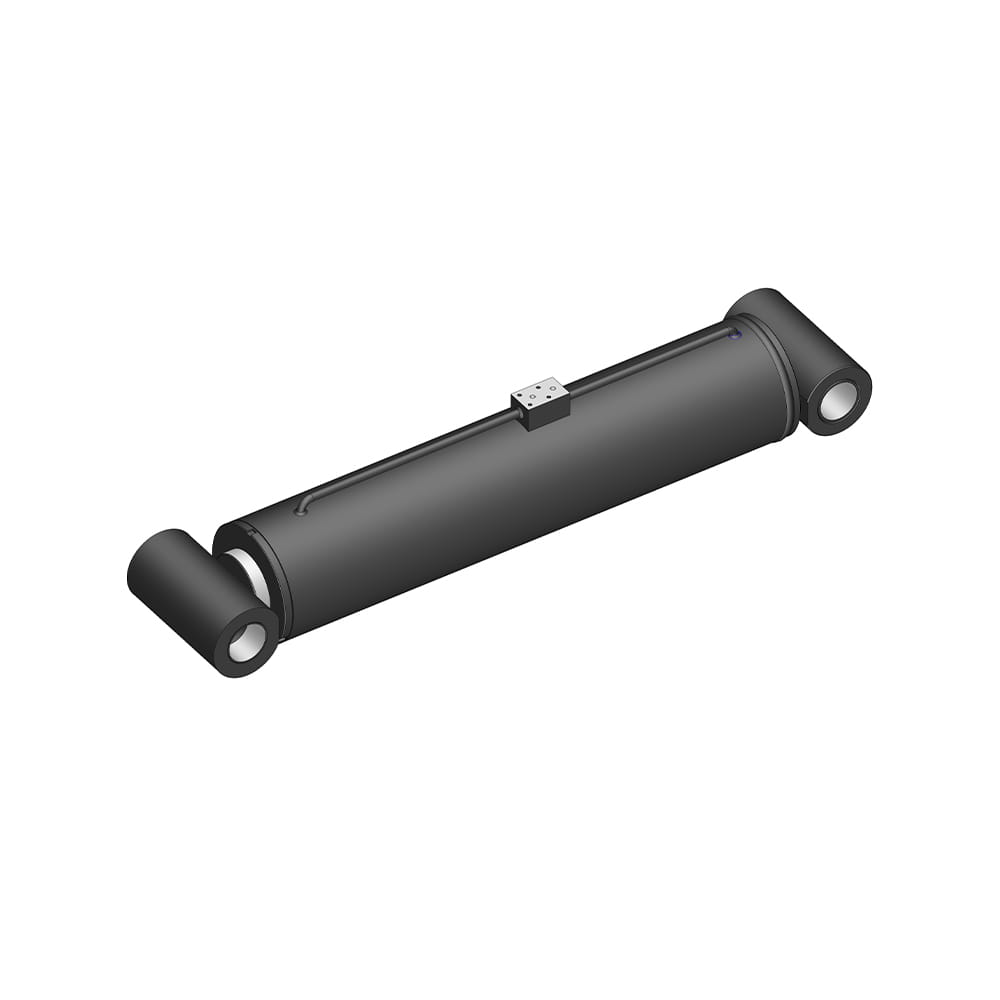 Hydraulic Cylinder for Truck-Mounted Crane SuppliersHydraulic Cylinder for Truck-Mounted Crane Truck-Mounted Crane Hydraulic Luffing Cylinder Function: Adjusting the Boom Angle: Through the extension and retraction of t...View Product →
Aerial work platforms trade load for reach, so the lifting cylinder must deliver precise motion rather than maximum tonnage. Boom lifts combine luffing, telescopic, small arm luffing, small arm leveling, frame leveling, bridge extension and steering cylinders, all working together so the basket stays level while the arm unfolds. Aerial work vehicles use leveling, luffing, telescopic, outrigger and horizontal cylinders to position a person or a tool at height.
Scissor lifts are simpler in appearance but demanding in practice. The lifting cylinder carries the full platform load through a relatively narrow vertical stroke, then holds it while the operator works, so seal quality, rod surface finish and holding valve design matter more than peak force. Outrigger, steering, floating and telescopic cylinders handle the chassis and deck functions around it.
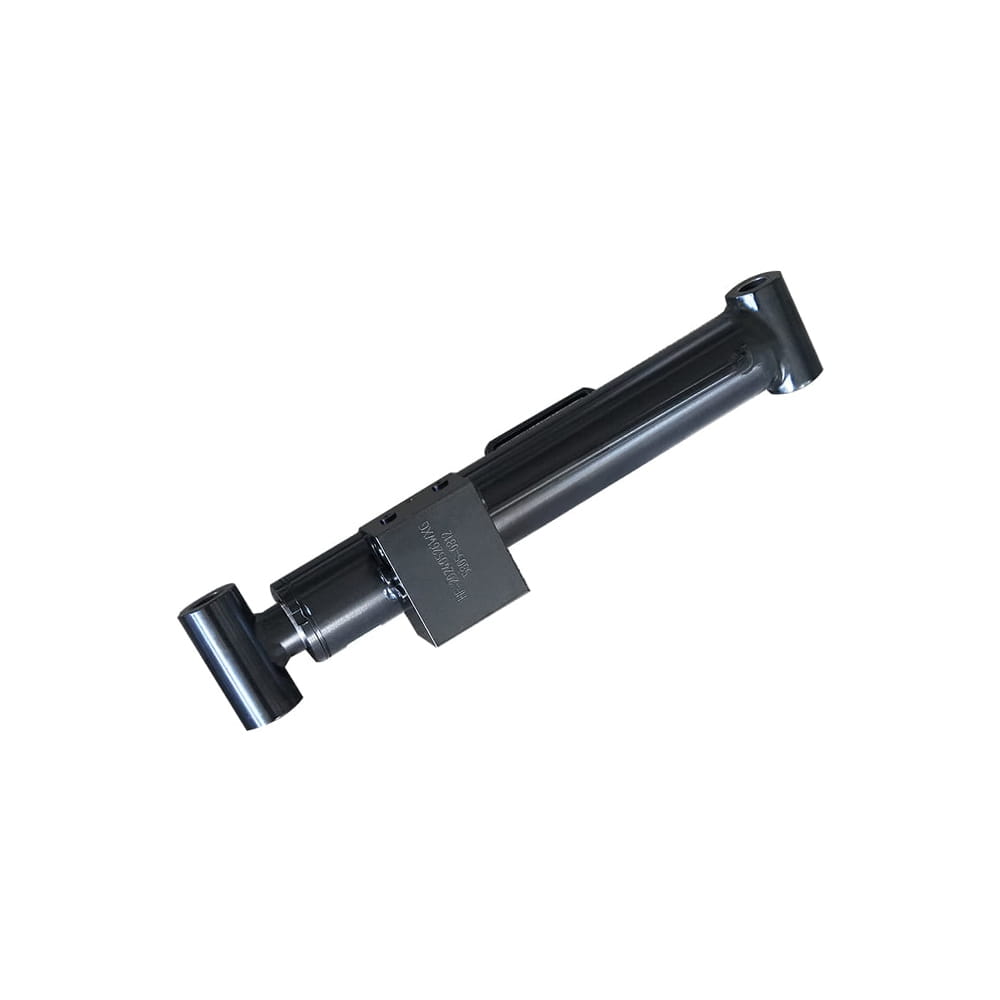 Hydraulic Cylinder for Scissor Lift Aerial Platform SuppliersHydraulic Cylinder for Scissor Lift Aerial Platform Scissor Lift Aerial Platform Hydraulic Lifting Cylinder Function: Lifting Cylinders (Upper and Lower): Mostly singl...View Product →
Piling and trenchless equipment pushes lifting cylinders into their hardest conditions. Rotary drilling rigs use swing, arm lifting and arm telescopic cylinders to position and hold the mast under continuous vibration and shock. Pipe jacking machines depend on main jacking, relay and correction cylinders that deliver high force over long strokes, shift after shift, in an environment full of slurry and abrasive dust. In these applications, a cylinder is judged by how steadily it holds its force rather than by a headline figure.
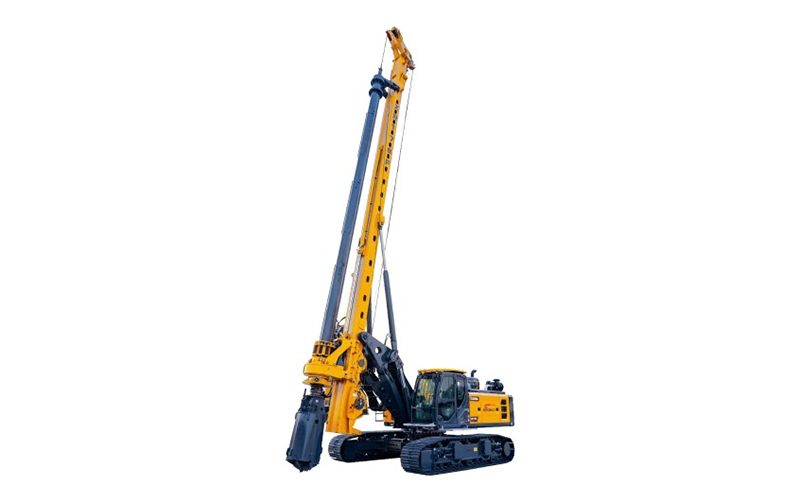 Hydraulic Cylinders for Piling Machinery ManufacturersHydraulic cylinders for rotary drilling rigs The hydraulic cylinder for rotary drilling rigs is specially designed for high-rise buildings, high-speed railways, large ...View Product →
The choice between single-acting and double-acting designs shapes both the cylinder and the machine control system. A single-acting cylinder lifts under pressure and returns by gravity or an external force, which keeps the circuit simple and inexpensive but gives no powered lowering. Double-acting cylinders drive the load in both directions, allow controlled descent and hold position more precisely, which is why most modern lifting equipment uses them.
Telescopic designs add another option: multiple stages extend to build a long stroke from a short closed length, a common solution for tow truck booms, tipping applications and equipment where installation space is limited but reach is not.
Because every linkage is different, we size lifting cylinders from the load backwards rather than from a standard catalog number:
Sizing a hydraulic cylinder for lifting is a chain of small decisions: pressure and bore set the force, rod and mounting geometry decide whether that force can be used, and seals and surface treatment decide how long the performance lasts. Get the first link wrong and the machine will never feel right; get all of them right and the lift becomes the quiet, dependable part of the equipment.
Since 2004 our team has built lifting cylinders for cranes, aerial work platforms, special vehicles and piling machinery, from single components to complete matched assemblies. If you are working on a new machine or replacing a cylinder that never quite performed as expected, you can browse our hydraulic cylinder catalog or send us your load, stroke and mounting details for a sizing recommendation.
Your email address will not be published. Required fields are marked *
Marvelous Design Meets Rigorous Manufacturing
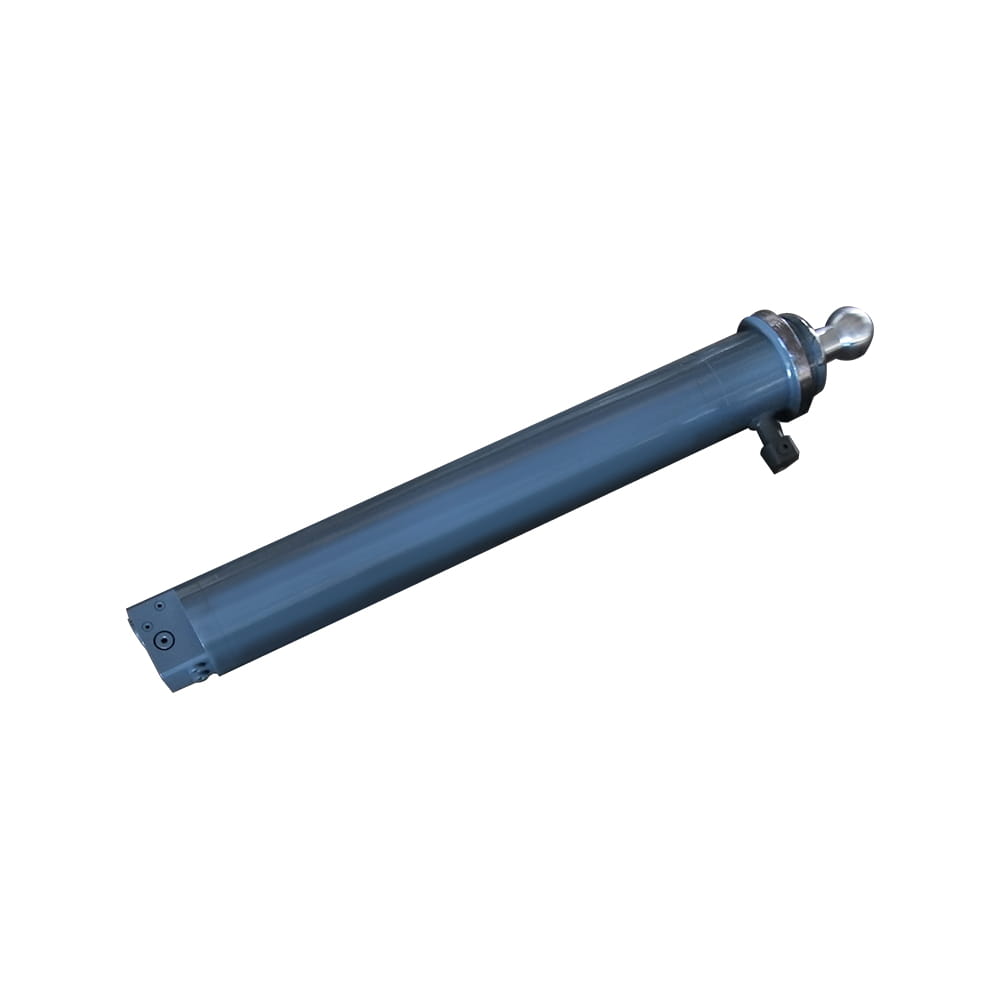 Scissor Lift Aerial Platform Hydraulic Outrigger Cylinder
Function: Firmly Supports the Vehicle: Ensures stability during operation. The ball-head foot automatically levels on slopes, while the integrated balance valve...
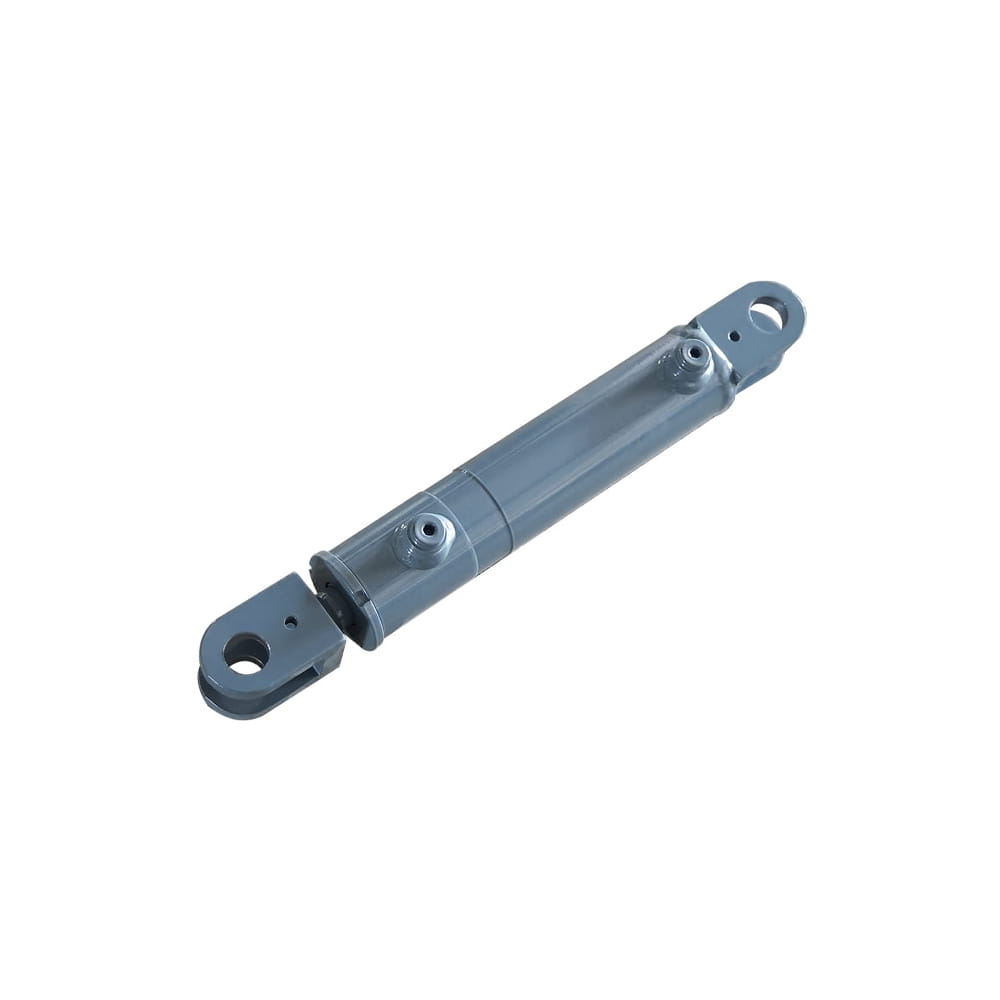 Scissor Lift Aerial Platform Hydraulic Steering Cylinder
Function: Connecting Chassis and Wheel Hub: Through hydraulic pressure, drives the piston rod to move, enabling precise wheel hub rotation. This ensures platfor...
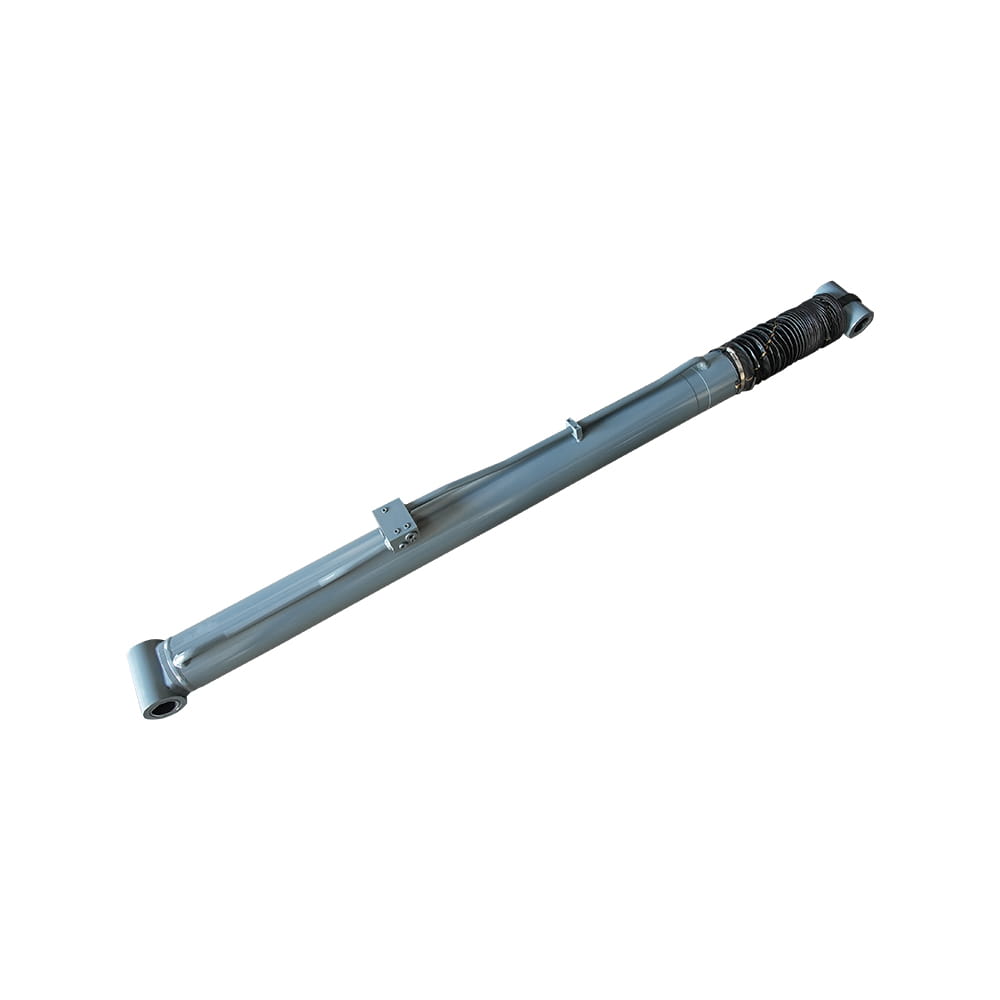 Boom Lift Aerial Platform Hydraulic Luffing Cylinder
Function: Adjust the angle of the telescopic arm to flexibly position the work platform at various heights and positions, meeting diverse aerial work requiremen...
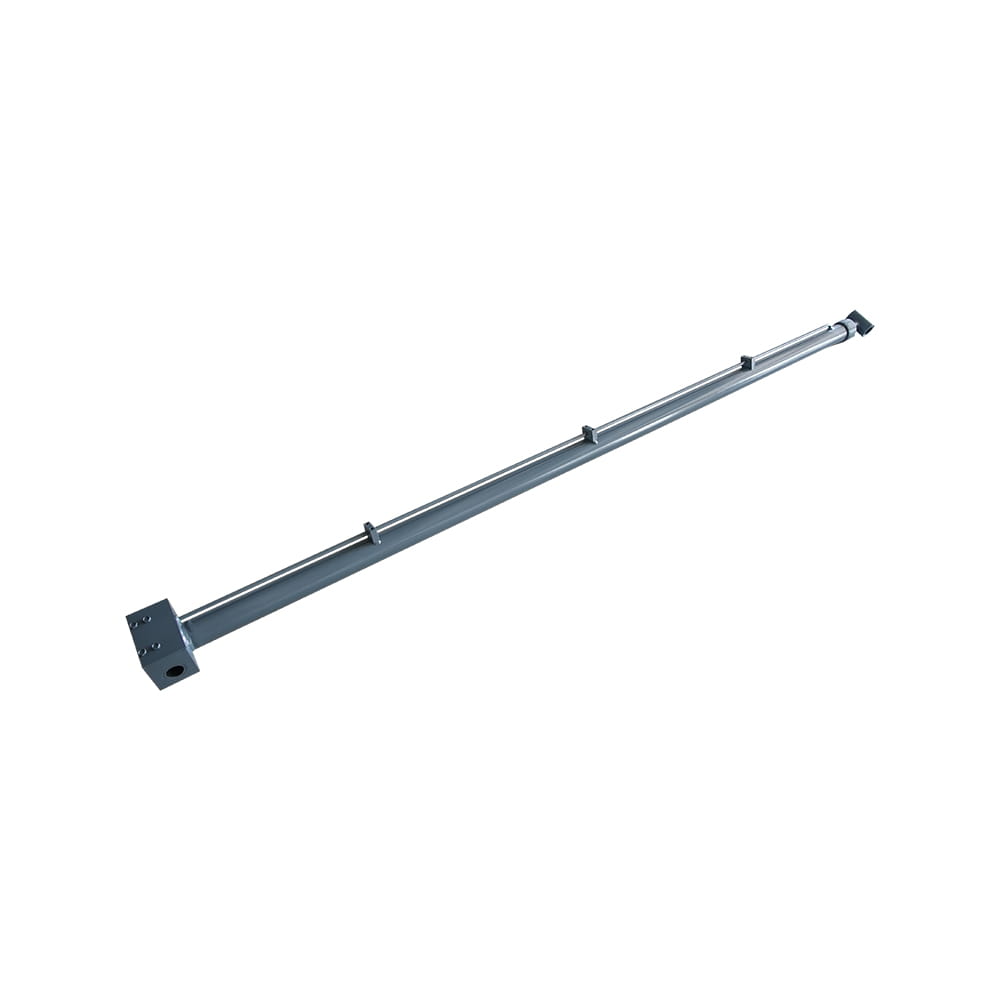 Boom Lift Aerial Platform Hydraulic Telescopic Cylinder
Function: Adjust the length of the arm to allow the aerial work platform to lift and move flexibly, ensuring range and height requirements.
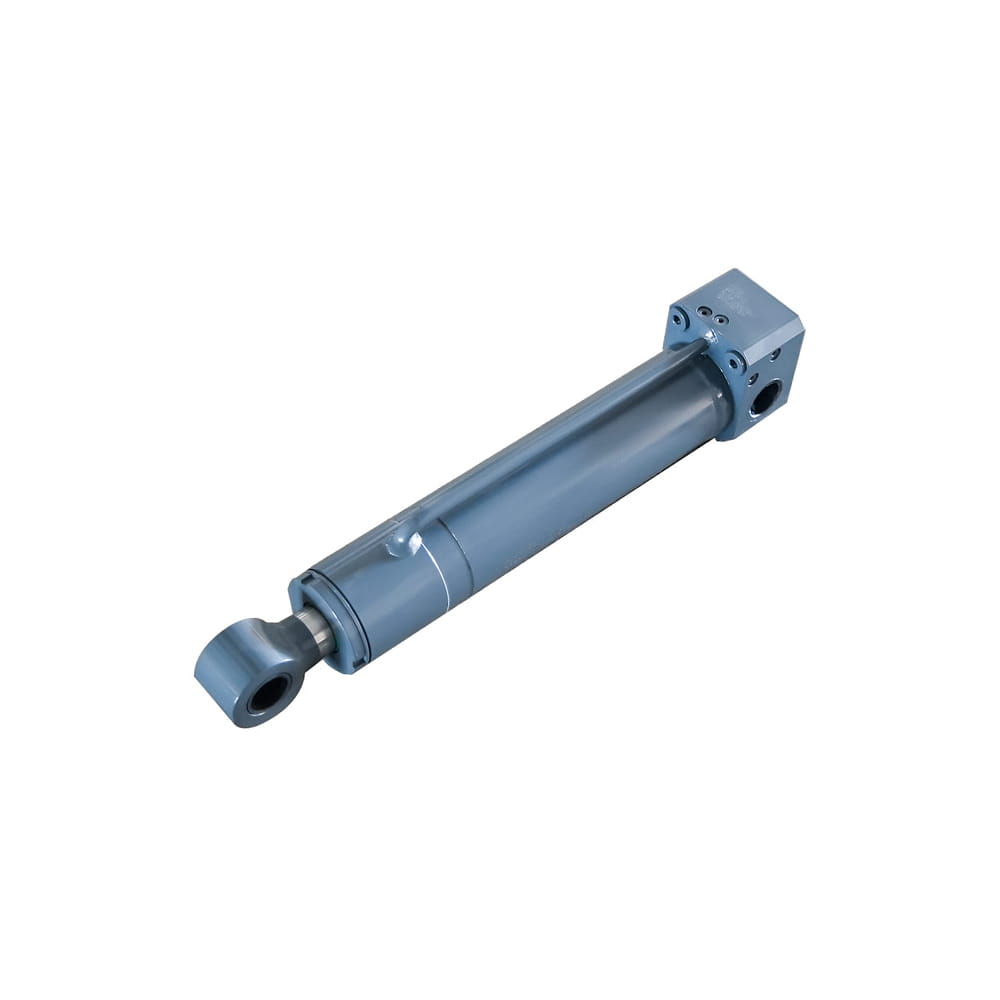 Boom Lift Aerial Platform Hydraulic Frame Leveling Cylinder
Function: Automatically adjust the chassis at the bottom of the platform to a level state, ensuring stable and wobble-free support in different terrains and wor...
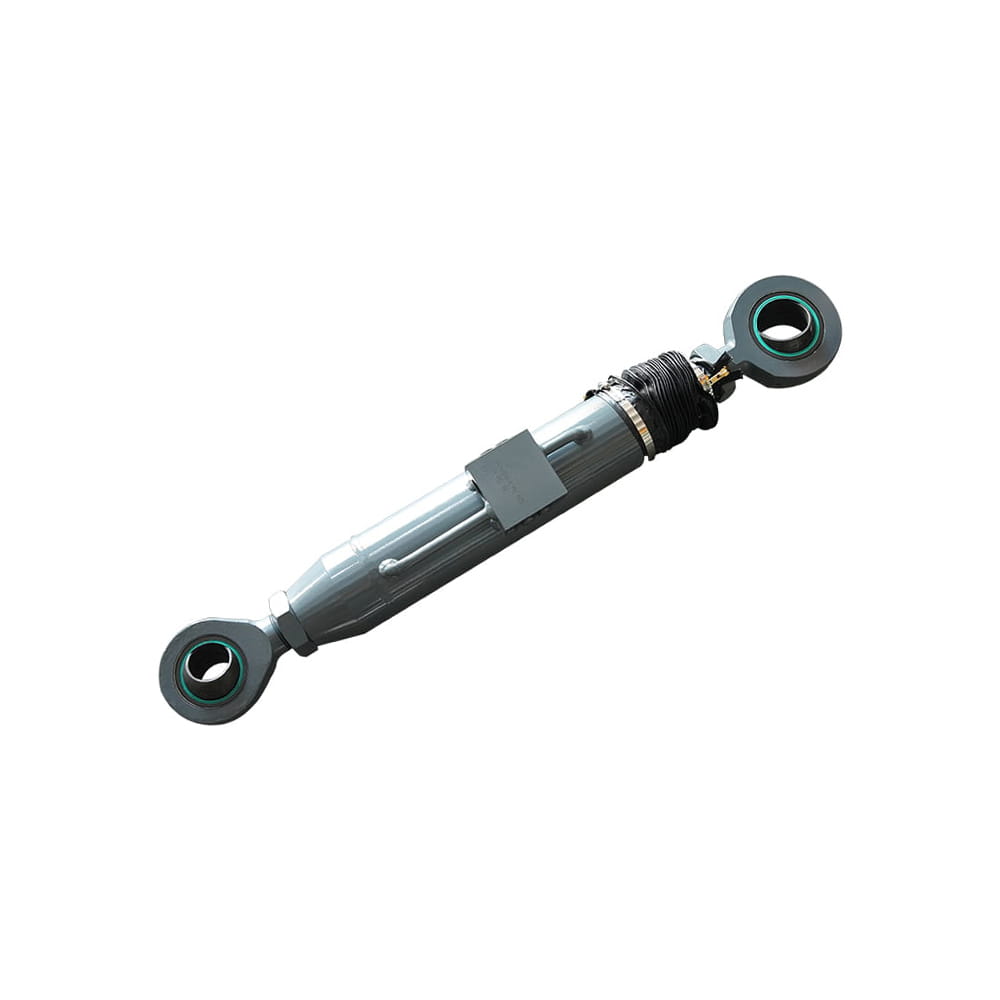 Boom Lift Aerial Platform Hydraulic Bridge Extension Cylinder
Function: An important design that enhances adaptability and working range. This function allows the platform to widen its chassis under specific conditions to ...
Copyright © by Zhejiang Huanfeng Machinery Co., Ltd. Rights Reserved.
