
 English
 中文简体
中文简体 русский
 Español
 Português
 عربى
عربىProduct Consultation
Your email address will not be published. Required fields are marked *
A scissor lift platform does not descend at the same speed as its hydraulic cylinder retracts. Because of the geometry of the crossed linkage arms, the platform's rate of descent can be several times faster than the actual cylinder stroke speed. That single mechanical fact is why hydraulic cylinder sealing for scissor lifts is held to a far stricter standard than sealing in most other hydraulic applications — and why getting it wrong has direct consequences for worker safety.
This article breaks down the four engineering pillars that determine whether a scissor lift cylinder keeps people safe: sealing integrity, smooth piston rod movement, safety factor design, and configurable valve protection.
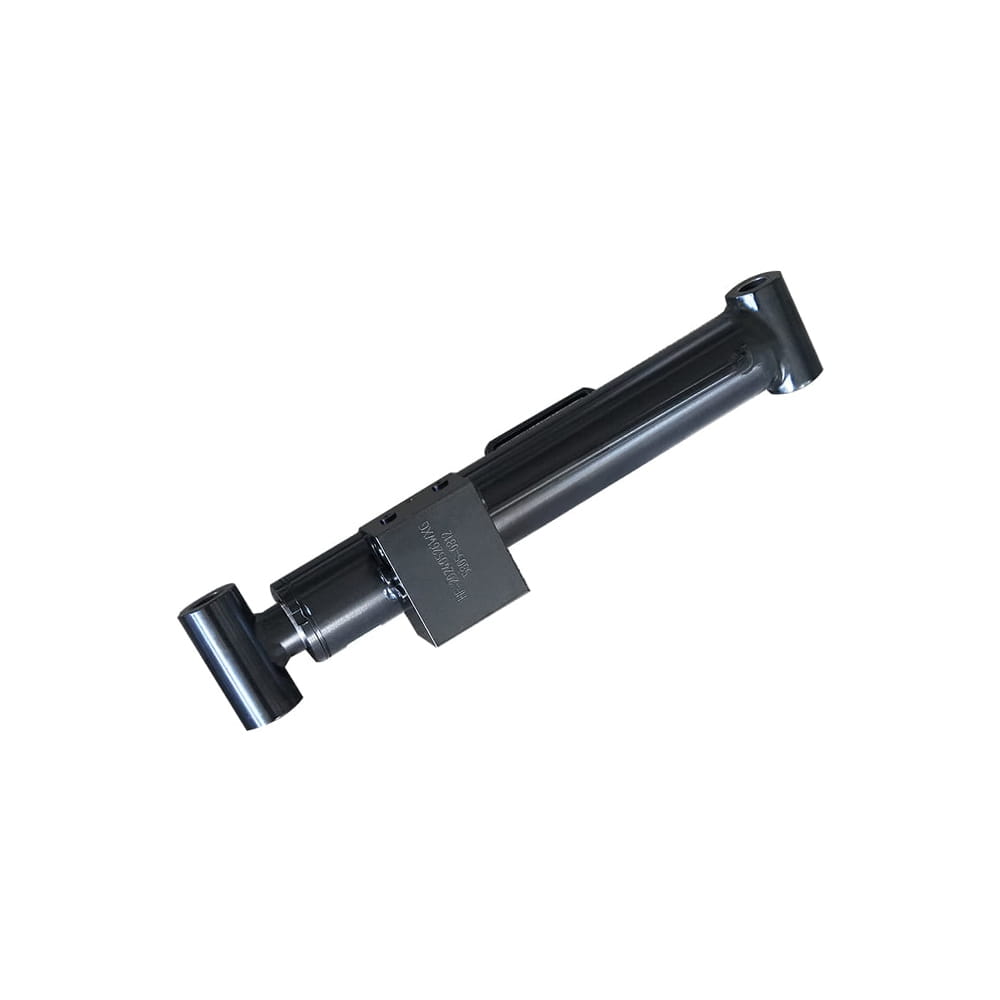
Content
In a standard hydraulic actuator, a slow seal leak causes a gradual, predictable pressure drop. On a scissor lift, the same leak is geometrically amplified. As the scissors arms approach their lowest angle, a small cylinder displacement corresponds to a large platform movement. The result: a minor seal failure that would be barely noticeable on a press or a crane can cause the scissor lift platform to drop suddenly and without warning.
This is why cylinder sealing for scissor lift platforms must account not just for rated working pressure, but for the dynamic load spikes that occur during descent — particularly when loads are placed onto the platform rather than slid on. Impact loading can generate momentary pressure surges well above the static load pressure, and seals that are sized only for steady-state conditions will degrade prematurely under these conditions.
Key sealing requirements for scissor lift cylinders include:
For Huanfeng's hydraulic cylinders engineered for scissor lift aerial platforms, sealing system selection is treated as a structural decision — not a commodity choice — because the consequences of seal failure are directly tied to platform stability and operator safety.
Scissor lift platform stability is only as good as the consistency of the force being delivered through the cylinder. If the piston rod moves unevenly — due to stick-slip friction, side loading, or bore irregularity — the platform does not rise or lower smoothly. At working height, even minor oscillations in the cylinder translate into visible platform movement that disrupts precision work and increases fall risk.
Stick-slip is the most common cause of jerky rod movement. It happens when static friction between the seal and the rod is significantly higher than kinetic friction, causing the rod to release in sudden increments rather than moving continuously. The fix lies in both material selection (low-friction seal compounds) and surface finish: a rod with Ra 0.2–0.4 µm surface roughness significantly reduces the difference between static and dynamic friction coefficients.
Side loading is the second major contributor. Scissor lift cylinders are rarely loaded in pure axial compression. As the scissors arms extend, the angle of force applied to the cylinder changes, creating a lateral component that pushes the rod against the rod guide. Cylinders designed for scissor lift service use extended rod guides and bronze guide bushings to distribute this side load over a longer bearing surface, reducing unit pressure and preventing the localized wear that leads to rod scoring.
The outrigger cylinder with integrated balance valve for platform stabilization further illustrates this principle: even support cylinders must deliver consistent, controlled force to keep the platform level across uneven ground conditions.
The safety factor of a hydraulic cylinder for scissor lifts is not simply the ratio of proof load to rated load. For aerial work platform applications, safety factor design must account for three distinct load categories that rarely appear simultaneously in static analysis:
Industry safety standards for self-propelled elevating work platforms, including those covered under ANSI A92.6, specify minimum design safety factors and require proof load testing at multiples of the rated capacity. Cylinder wall thickness, rod diameter, and end cap geometry must all be sized to meet these requirements with margin to spare.
Huanfeng holds 41 patents, including 8 invention patents, and is the initiator of the "Made in Zhejiang" standard for hydraulic cylinders used in scissor-type aerial work platforms — a standard developed precisely to codify the engineering margins required for safe long-term platform operation. Cylinders built to this standard undergo fatigue testing as part of the qualification process, not just static proof loading.
No matter how well-designed a sealing system is, scissor lift platforms must be protected against two failure modes that seals alone cannot address: hydraulic hose rupture and operator overloading. These are handled by two distinct valve types that should both be present in a properly specified scissor lift cylinder assembly.
The overload valve (also called a pressure relief valve in this context) is set to trip at a defined percentage above rated working pressure — typically 110–115%. When the platform is loaded beyond its rated capacity, pressure rises in the cylinder circuit. The overload valve opens before the cylinder, hose, or structural members are stressed beyond their design limits, protecting both the equipment and the workers on it. Critically, this valve must be set and locked at the factory; field-adjustable overload valves are a safety liability.
The rupture valve (also called a velocity fuse or pipe rupture safeguard) operates on a completely different principle. It responds to flow rate, not pressure. When a hydraulic hose bursts or a fitting fails, the sudden loss of resistance causes oil to flow out of the cylinder at a rate far exceeding normal operating flow. The rupture valve detects this excess flow and closes automatically within milliseconds, trapping oil in the cylinder and preventing the platform from dropping. For this to work correctly, the valve must be mounted directly at the cylinder port — not in the hose run — so that hose failure downstream of the valve cannot release the load.
These two valves address fundamentally different failure scenarios and are not interchangeable. A scissor lift cylinder assembly that includes only one of them has an unprotected failure mode.
Beyond the overload and rupture valve baseline, scissor lift applications vary widely in their operational requirements — and a one-size-fits-all valve package is rarely optimal. Huanfeng's full range of hydraulic cylinders for aerial work applications supports configurable valve integration to match the specific demands of different platform types, duty cycles, and operating environments.
Common configurable options include:
The right valve configuration depends on the platform's lifting height, duty cycle, operating environment, and the specific safety certifications required by the end market. Huanfeng works with OEM customers at the specification stage to select and validate the appropriate valve package before production.
Zhejiang Huanfeng Machinery has specialized in hydraulic cylinders since 2004, with a focused expertise in scissor-type aerial work platform applications. The company's role as the initiator of the "Made in Zhejiang" manufacturing standard for this product category reflects a depth of application knowledge that goes beyond general hydraulic cylinder production.
Huanfeng's scissor lift cylinder product line covers the full range of platform functions: lifting cylinders, outrigger cylinders, steering cylinders, and platform telescopic cylinders. Each product line is developed with the specific load conditions, duty cycles, and safety valve configurations appropriate to its function. Strategic partnerships with major aerial work platform manufacturers — including Dingli and XCMG — have been built on a track record of consistent quality and engineering support.
With an annual production capacity of 300,000 cylinders, a dedicated R&D center, and 41 patents including 8 invention patents, Huanfeng provides OEM and wholesale customers with both the technical capability and the manufacturing scale to support demanding production schedules.
For technical specifications, valve configuration options, or OEM partnership inquiries, contact Huanfeng Machinery directly.
Your email address will not be published. Required fields are marked *
Marvelous Design Meets Rigorous Manufacturing
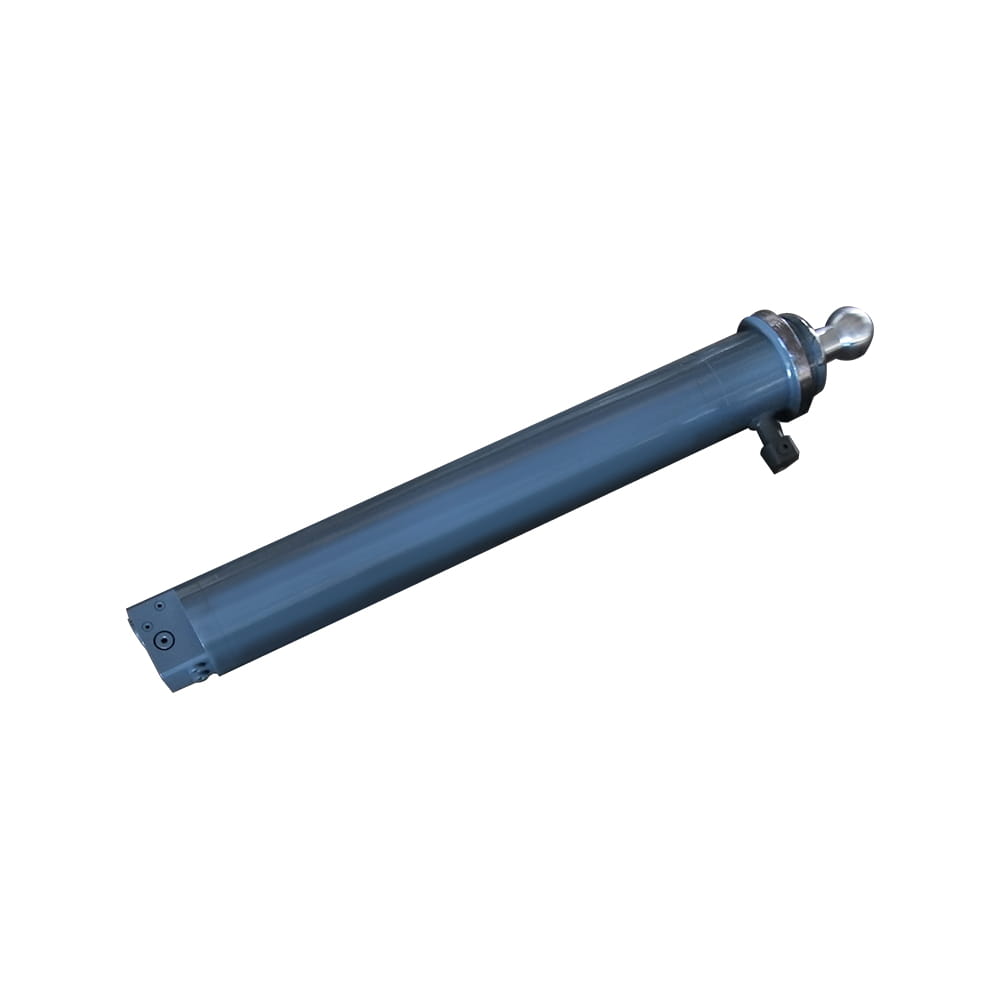 Scissor Lift Aerial Platform Hydraulic Outrigger Cylinder
Function: Firmly Supports the Vehicle: Ensures stability during operation. The ball-head foot automatically levels on slopes, while the integrated balance valve...
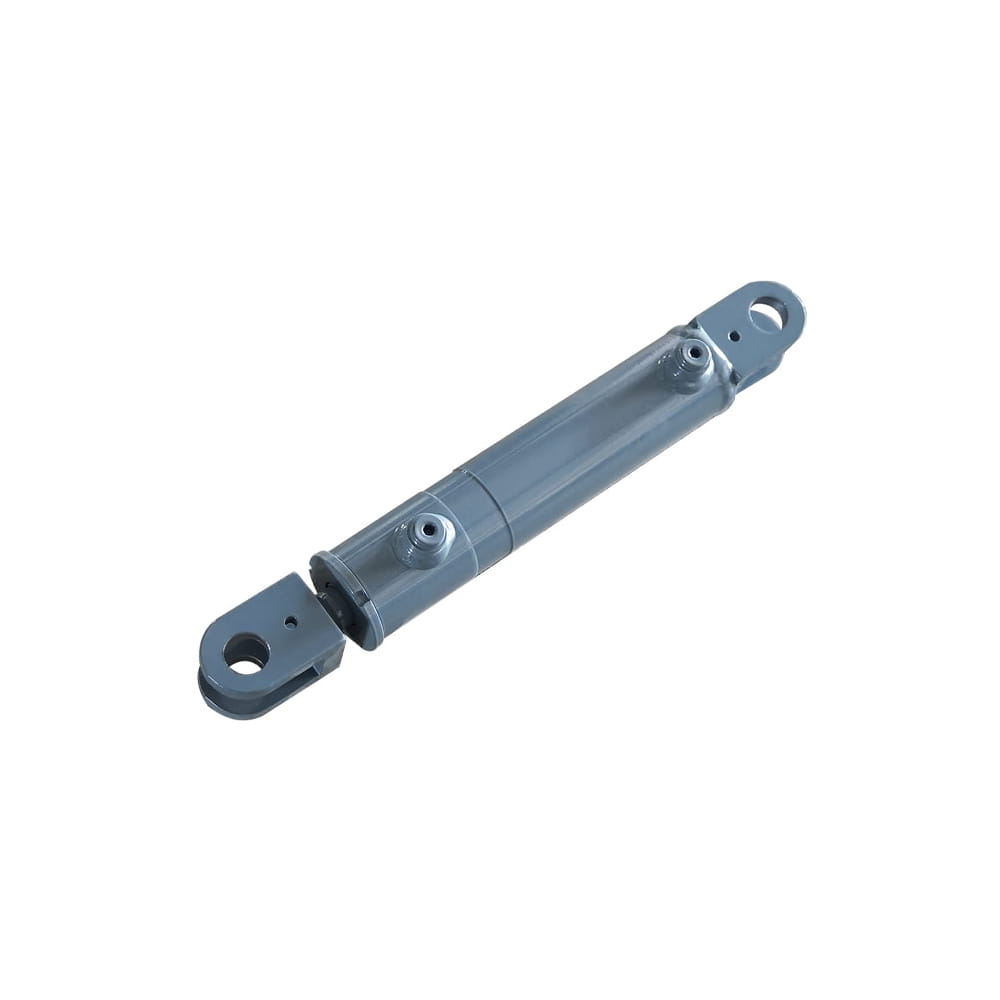 Scissor Lift Aerial Platform Hydraulic Steering Cylinder
Function: Connecting Chassis and Wheel Hub: Through hydraulic pressure, drives the piston rod to move, enabling precise wheel hub rotation. This ensures platfor...
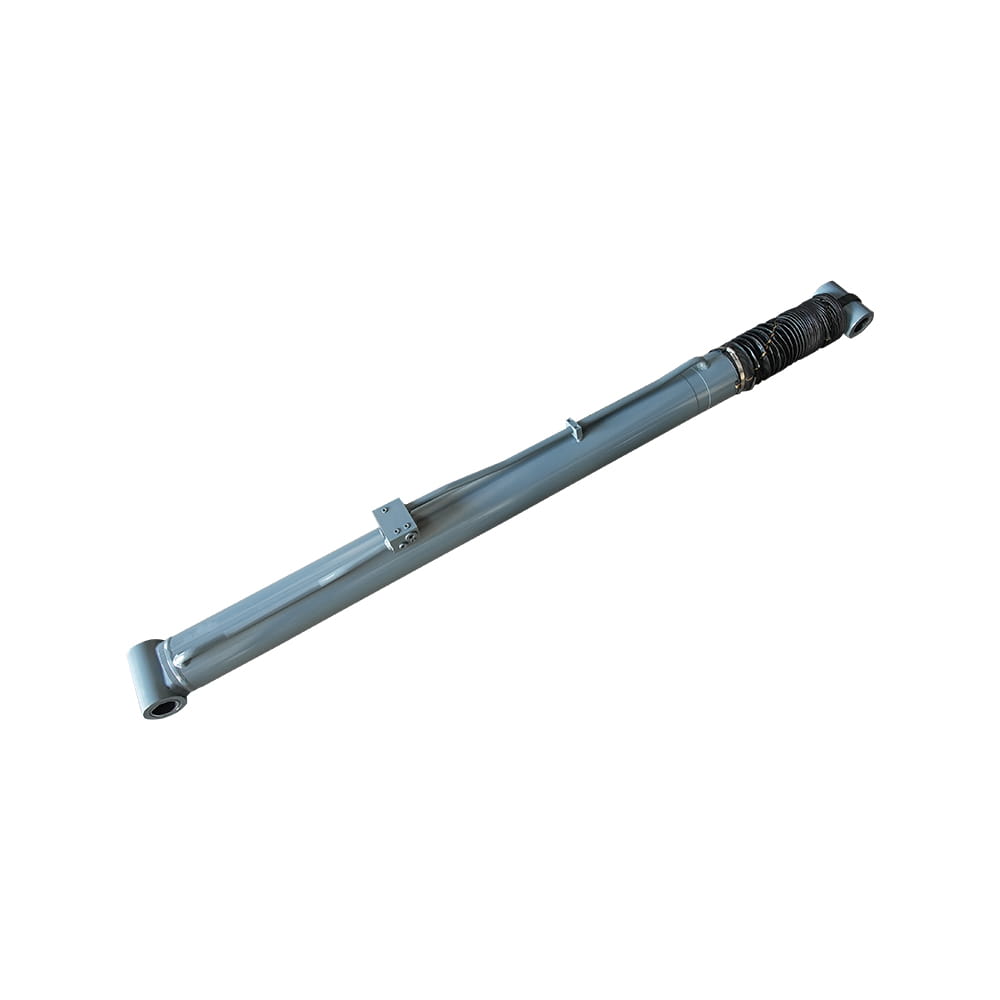 Boom Lift Aerial Platform Hydraulic Luffing Cylinder
Function: Adjust the angle of the telescopic arm to flexibly position the work platform at various heights and positions, meeting diverse aerial work requiremen...
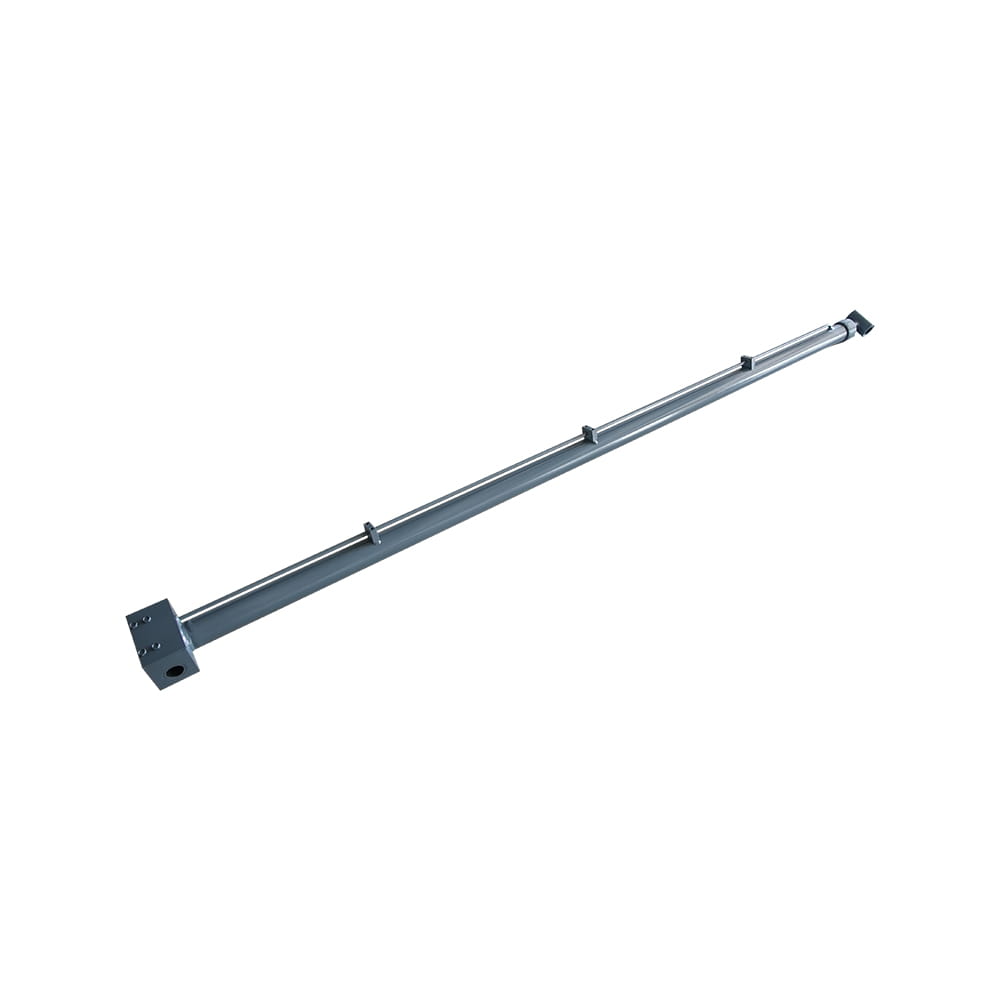 Boom Lift Aerial Platform Hydraulic Telescopic Cylinder
Function: Adjust the length of the arm to allow the aerial work platform to lift and move flexibly, ensuring range and height requirements.
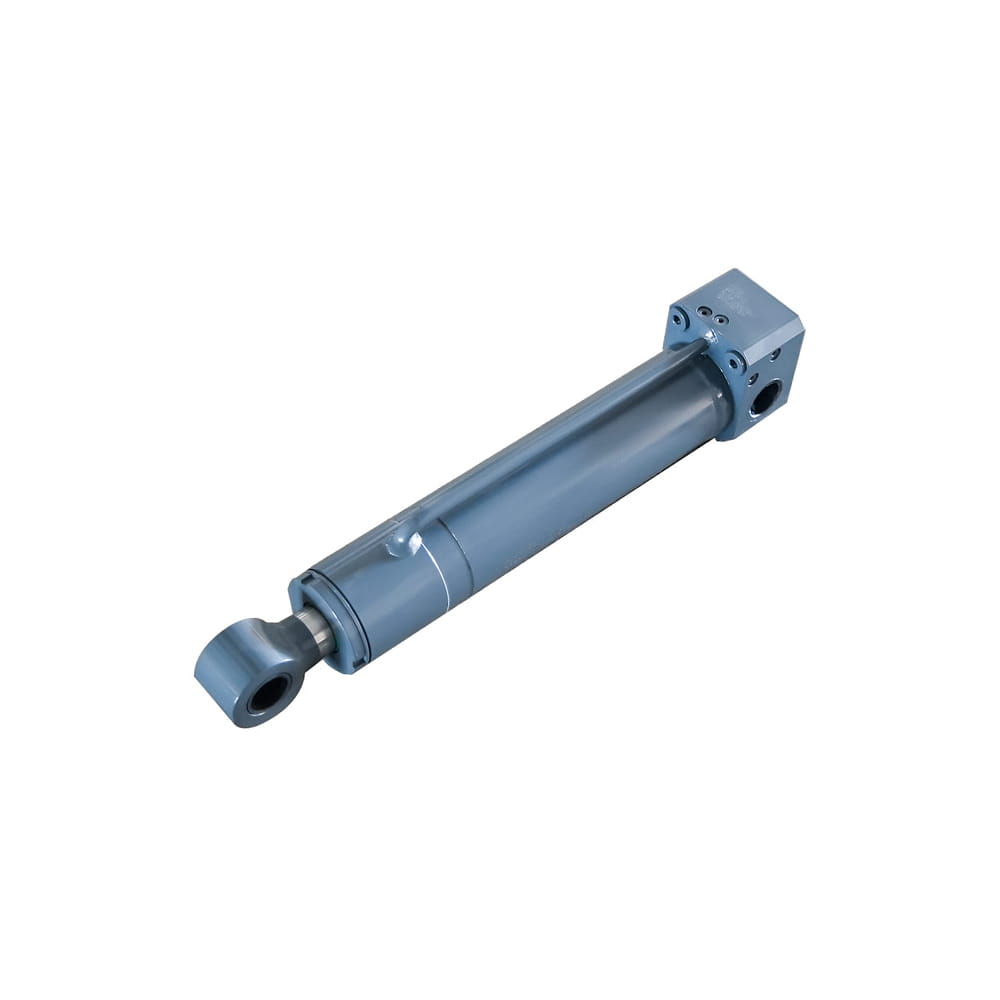 Boom Lift Aerial Platform Hydraulic Frame Leveling Cylinder
Function: Automatically adjust the chassis at the bottom of the platform to a level state, ensuring stable and wobble-free support in different terrains and wor...
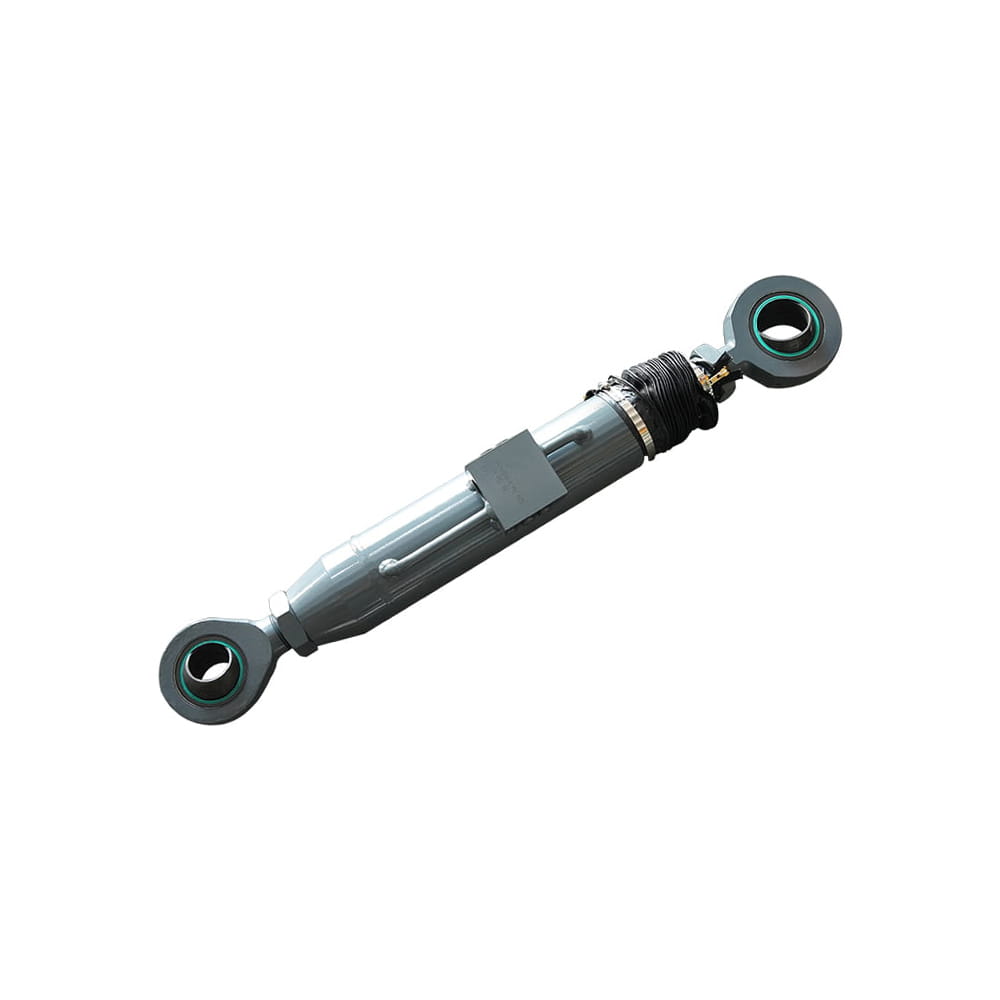 Boom Lift Aerial Platform Hydraulic Bridge Extension Cylinder
Function: An important design that enhances adaptability and working range. This function allows the platform to widen its chassis under specific conditions to ...
Copyright © by Zhejiang Huanfeng Machinery Co., Ltd. Rights Reserved.
