
 English
 中文简体
中文简体 русский
 Español
 Português
 عربى
عربىProduct Consultation
Your email address will not be published. Required fields are marked *
Ask anyone on a job site which part of a hydraulic cylinder fails first, and the answer is usually the same: the rod. It is the one component that spends its whole working life outside the barrel, pushing and pulling, sliding through a seal, and taking whatever the weather and the ground throw at it. A rod that is correctly specified and correctly finished will often outlast two or three sets of seals. A rod that is not will pit, flake, and score within a single season.
We have been designing and manufacturing hydraulic cylinders in Zhejiang since 2004 for crane, aerial work platform, special vehicle, and piling machinery builders. That experience has taught us one thing above all: most rod failures are decided long before the first scratch appears, in the steel grade, the heat treatment, the chrome layer, and the final polishing step.
Content
A rod is not a simple shaft that slides in and out of a tube. It carries several loads at once, and each one pushes the design in a slightly different direction.
Because these loads overlap, a specification that considers only strength is rarely enough. Surface condition matters just as much as the steel underneath it.
Most rods start life as a turned and polished bar. What separates a rod that lasts from one that does not is everything that happens after turning.
Medium-carbon steels such as C45E and CK45 are the workhorse choice for general duty rods. For higher strength or larger diameters, alloys such as 20MnV6 and 42CrMo4 are common, and for the very heavy thrust seen in piling and pipe jacking equipment a quenched and tempered grade is usually the safer specification. After machining, the rod is straightened to a defined tolerance and polished to a controlled roughness, typically in the region of Ra 0.2 to 0.4 micrometres for sealing-critical work.
Two surface routes dominate the market. Induction hardened chrome plated (IHCP) rods carry a hardened case beneath the chrome, which resists scoring, impact damage, and bending fatigue. Chrome plated only (CPO) rods rely on the plating alone and are usually a better fit for light duty or protected installations.
| Property | IHCP rod | CPO rod |
|---|---|---|
| Case hardness | About 50-55 HRC | Base steel hardness |
| Hardened depth | Typically 0.5-2.5 mm | None |
| Chrome thickness | Hard chrome, about 20-30 microns | Hard chrome, about 20-30 microns |
| Scoring resistance | High | Moderate |
| Typical use | Cranes, piling rigs, off-road platforms | Light duty and protected installations |
Whichever route is chosen, the plating is only as good as the preparation beneath it. Weak pre-treatment, contaminated plating baths, or uncontrolled hydrogen levels are the usual reasons a chrome layer flakes months after delivery instead of years.
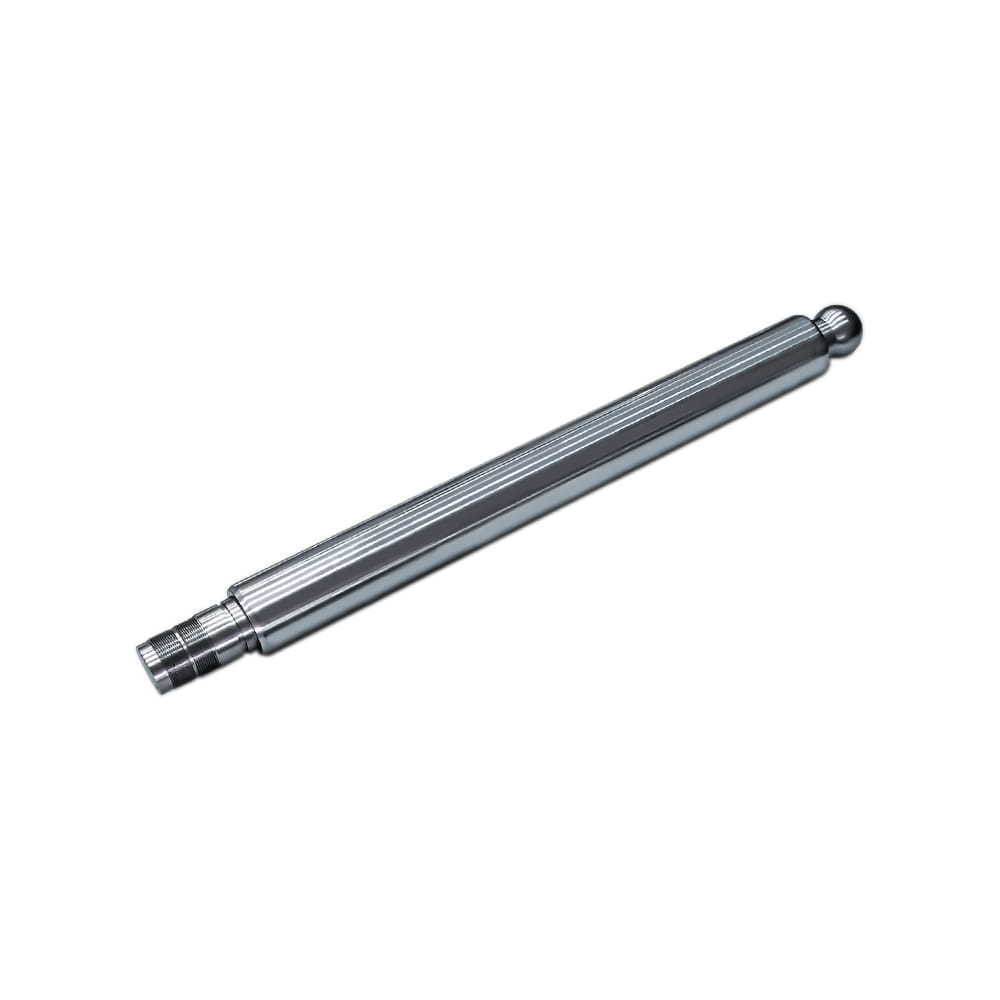 Piston RodAs a connecting component that supports the piston’s work, the cylinder tube plays a key role in transmitting the forces applied to the piston and allows reciprocating...View Product →
When a customer sends us a damaged rod for assessment, the story usually follows one of five patterns.
Reading these patterns early matters, because a pitted rod can often be saved by re-polishing and re-plating, while a bent one usually cannot.
Replacing a rod without checking the rest of the sliding pair is a common and expensive shortcut. The tube bore sets the piston clearance and the oil film that lubricates the seal, while the rod diameter and surface finish set the lip contact pressure and the friction the assembly will tolerate.
If the bore is oval, dented, or over-polished after a rebuild, a new rod will not stop the leakage. If the rod is undersized, or the chrome is too thick at the seal land, the lip will not seat properly. We machine rods and tubes against matched tolerances because a cylinder is a system, not a collection of independent parts.
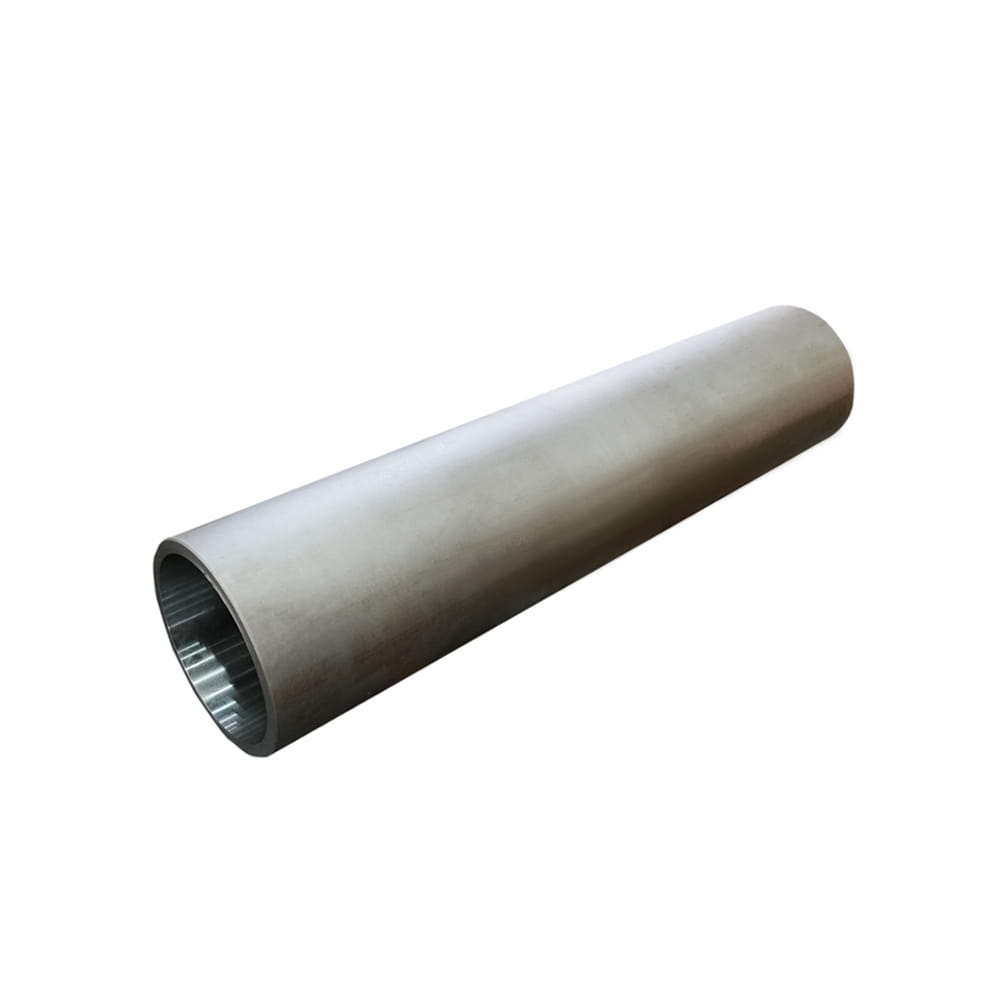 Cylinder TubeThe inner surface of the cylinder tube undergoes processes such as turning, rolling, or honing, resulting in high levels of smoothness, roundness, and straightness. Th...View Product →
Different machines punish rods in different ways. The table below summarises what we usually prioritise when matching a rod to an application.
| Machine type | Primary rod demand | Usual specification focus |
|---|---|---|
| Truck-mounted and side-mounted cranes | Bending and buckling resistance | Larger rod diameter, IHCP case, tight straightness |
| Boom lifts and scissor lifts | Smooth, controlled motion | Fine surface finish, concentricity, stable holding |
| Rotary drilling rigs and pipe jacking machines | Mud, grit, shock, continuous thrust | Hardened case, corrosion-resistant chrome, robust wiper |
| Tow trucks and bridge inspection vehicles | Long multi-stage telescopic sliding | Concentricity, chrome adhesion, low friction finish |
If you are writing a rod specification for a new cylinder or a replacement part, these are the items worth putting on the drawing.
Agreeing these points before the first chip is cut saves far more time than debating them after a leak appears.
Rod life is decided as much by daily habits as by drawing tolerances. In practice, three routines do most of the work.
For a closer look at how fluid condition interacts with surface wear, read our notes on lubrication and fluid management and their effect on rod service life.
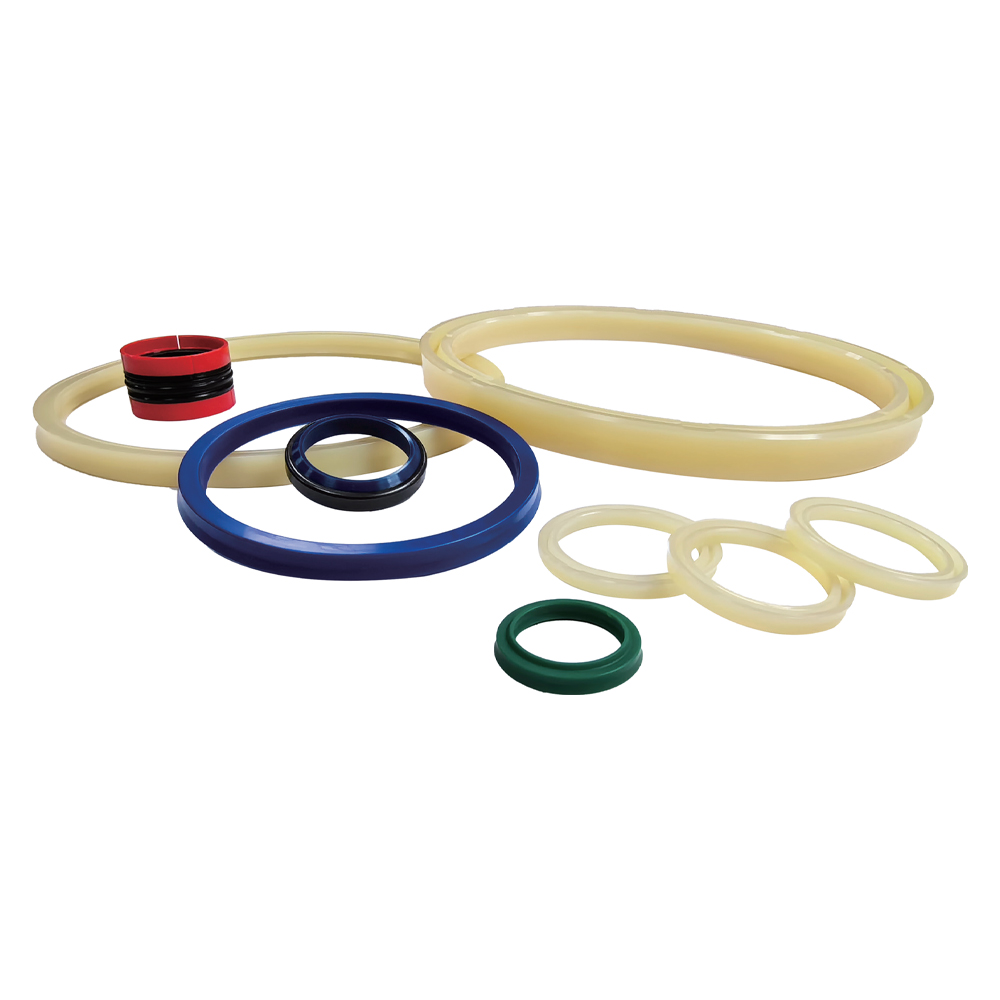 SealsDifferent seals inside the cylinder are designed to meet specific requirements, and their main purpose is to prevent internal and external leakage of hydraulic oil, th...View Product →
We are a hydraulic cylinder manufacturer, not a plating shop. Rods, tubes, pistons, seals, cylinder heads, and valve blocks all sit within our own product range, which means a rod problem is never solved in isolation. It is solved in the context of the complete cylinder and the machine it drives.
If you are sourcing rods for a new platform, replacing a rod that failed in the field, or matching a rod to a demanding application, our engineering team can review your drawing, recommend a material and surface route, and quote against your annual volume. Take a look at the hydraulic cylinders we build, or send us the rod dimensions and duty description and we will come back with a practical recommendation.
Your email address will not be published. Required fields are marked *
Marvelous Design Meets Rigorous Manufacturing
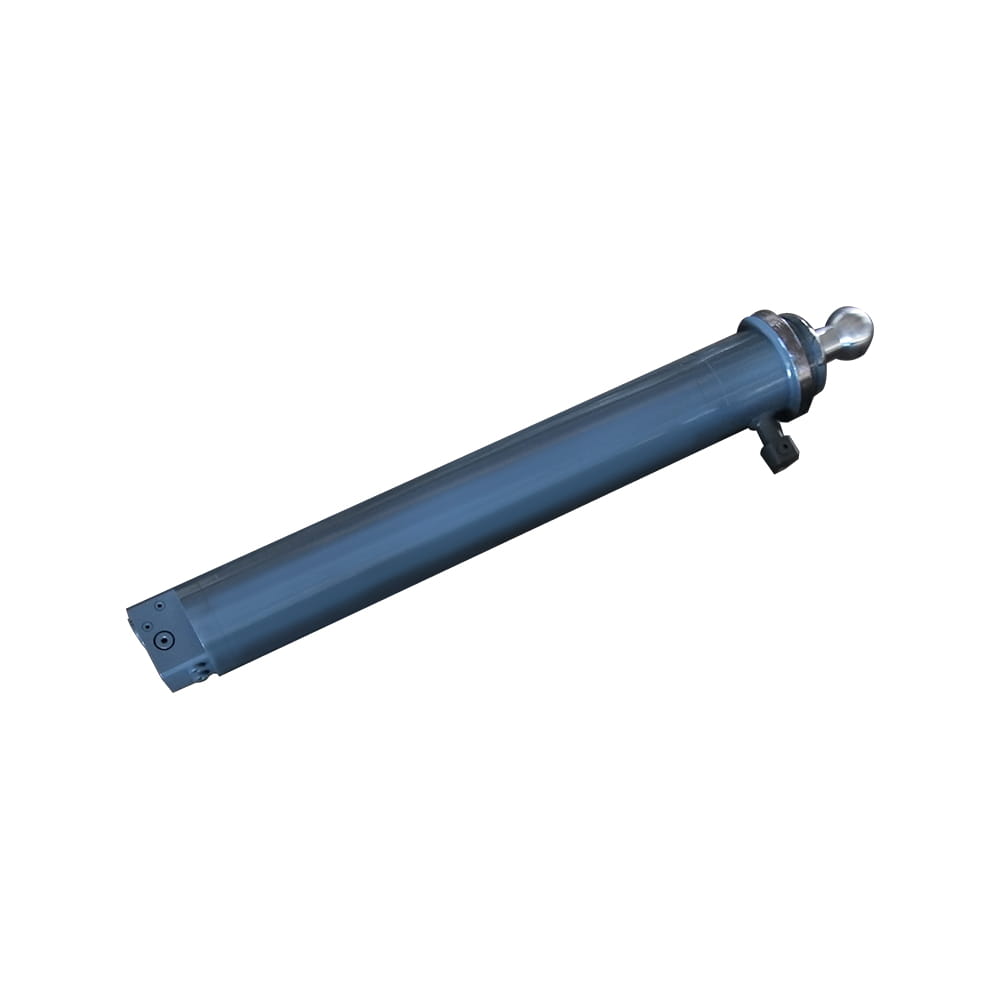 Scissor Lift Aerial Platform Hydraulic Outrigger Cylinder
Function: Firmly Supports the Vehicle: Ensures stability during operation. The ball-head foot automatically levels on slopes, while the integrated balance valve...
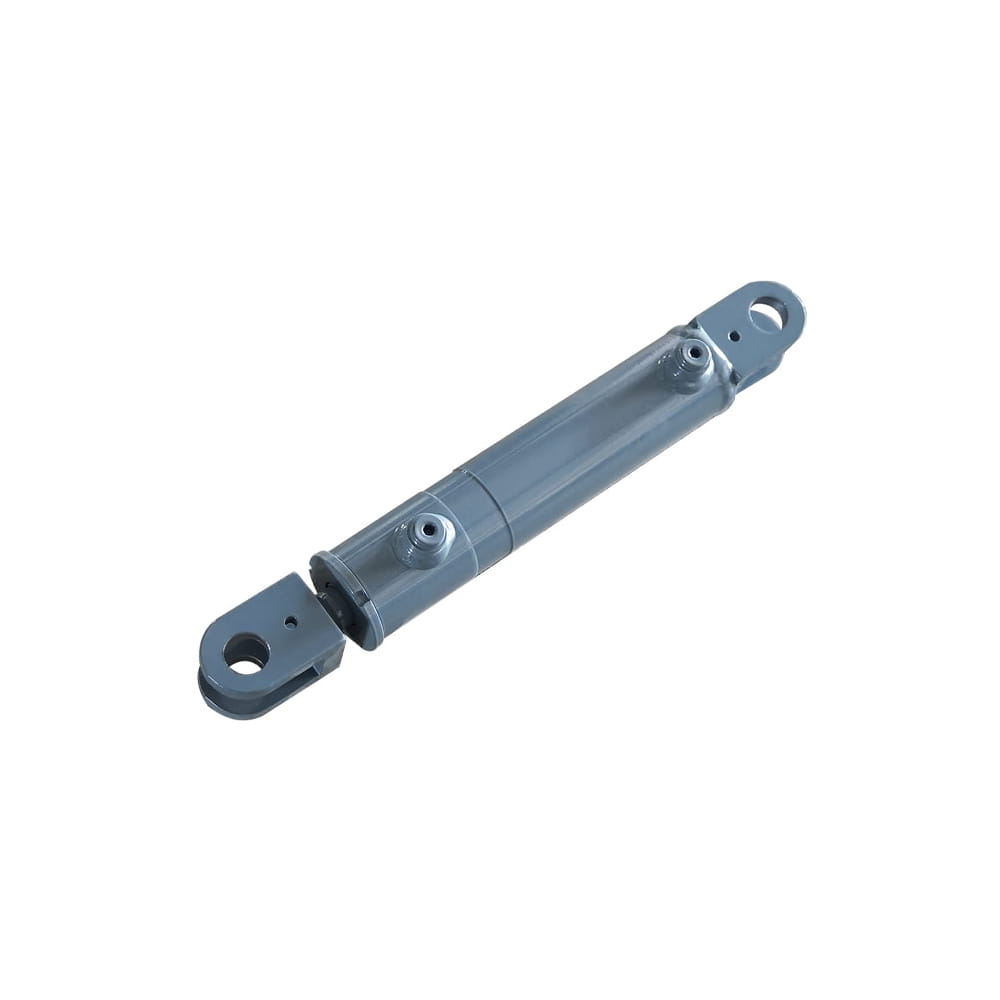 Scissor Lift Aerial Platform Hydraulic Steering Cylinder
Function: Connecting Chassis and Wheel Hub: Through hydraulic pressure, drives the piston rod to move, enabling precise wheel hub rotation. This ensures platfor...
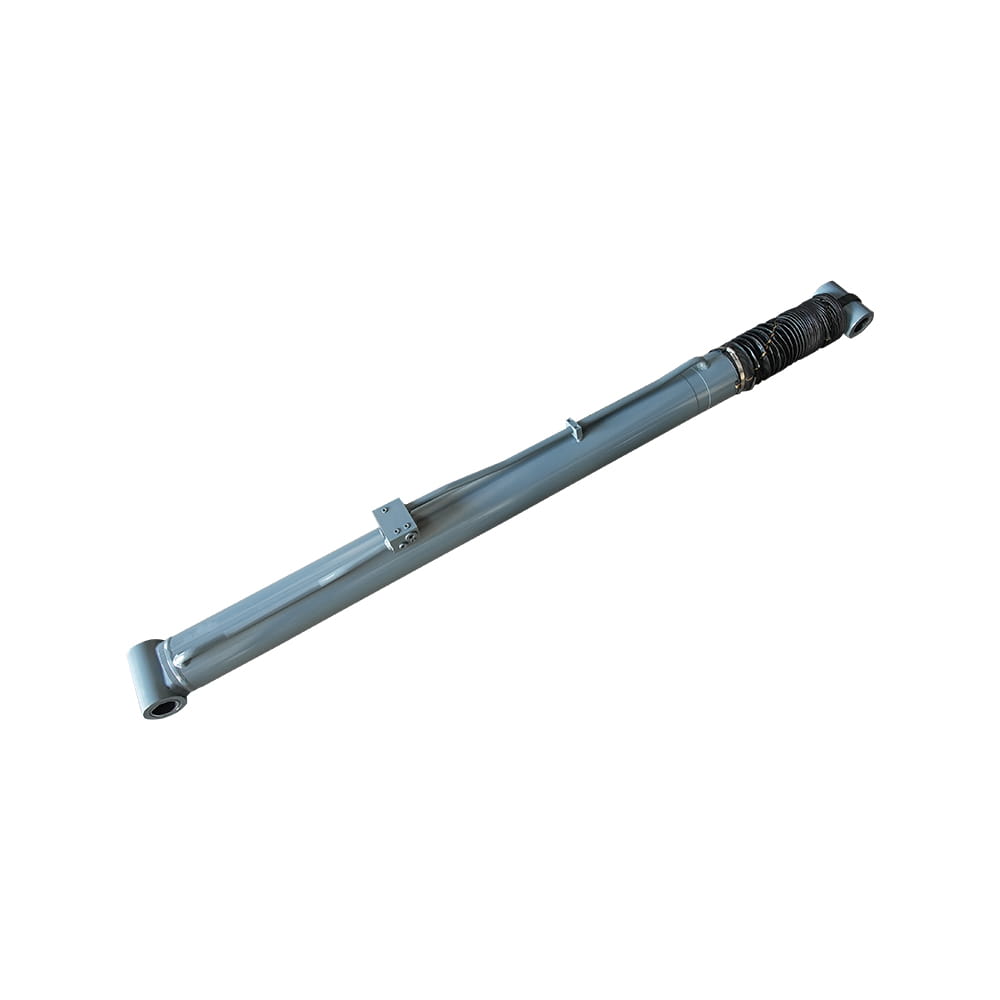 Boom Lift Aerial Platform Hydraulic Luffing Cylinder
Function: Adjust the angle of the telescopic arm to flexibly position the work platform at various heights and positions, meeting diverse aerial work requiremen...
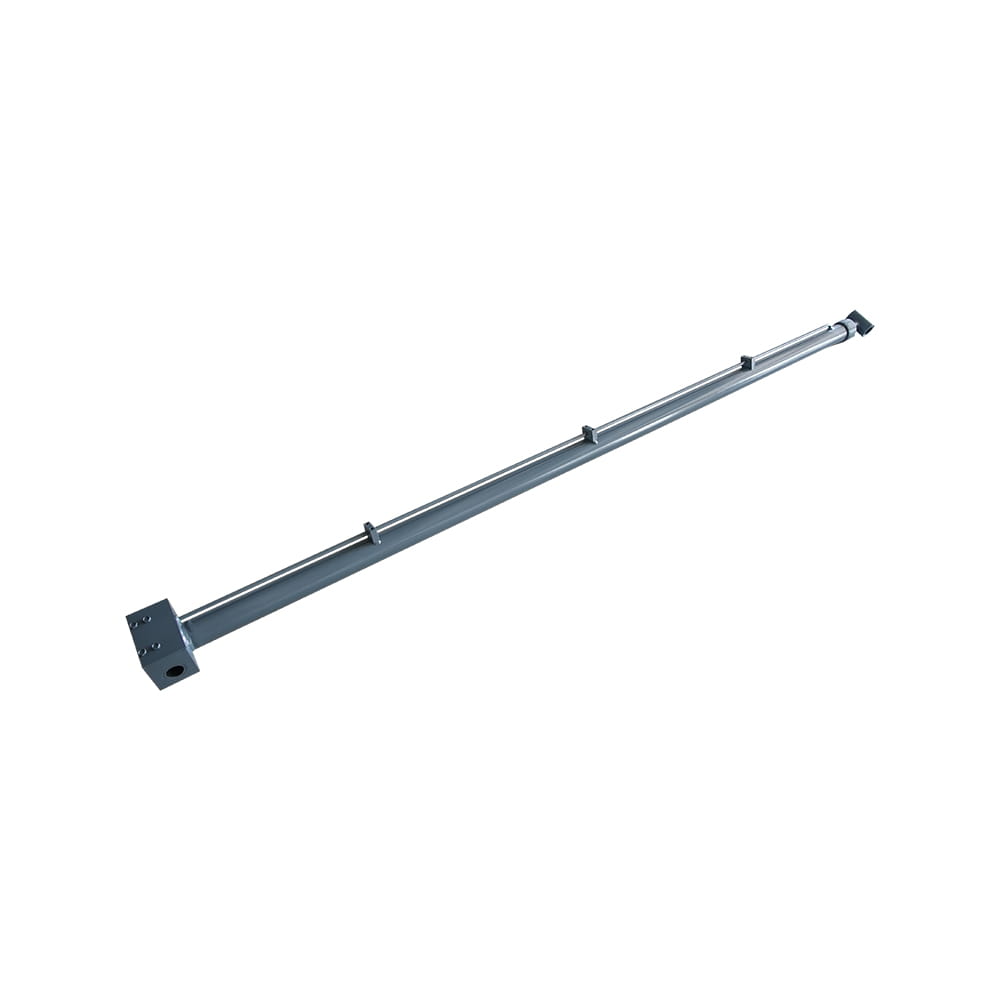 Boom Lift Aerial Platform Hydraulic Telescopic Cylinder
Function: Adjust the length of the arm to allow the aerial work platform to lift and move flexibly, ensuring range and height requirements.
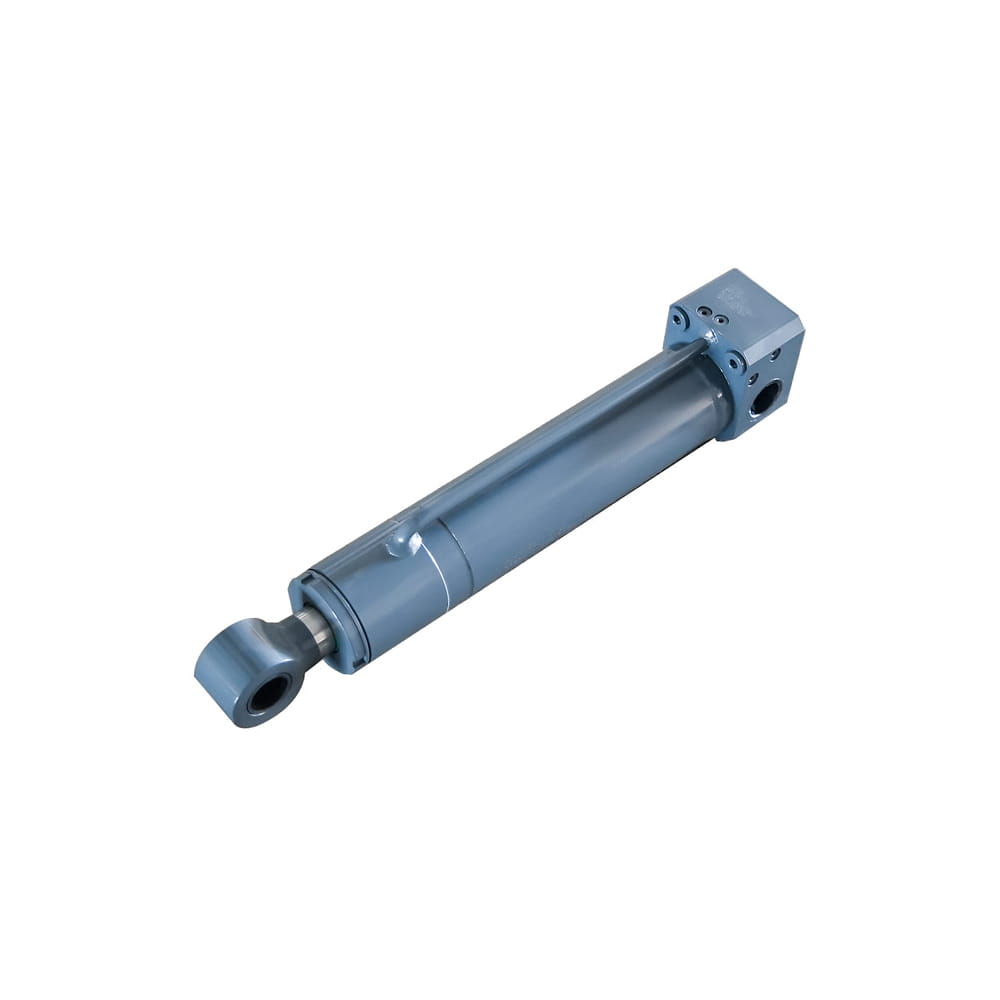 Boom Lift Aerial Platform Hydraulic Frame Leveling Cylinder
Function: Automatically adjust the chassis at the bottom of the platform to a level state, ensuring stable and wobble-free support in different terrains and wor...
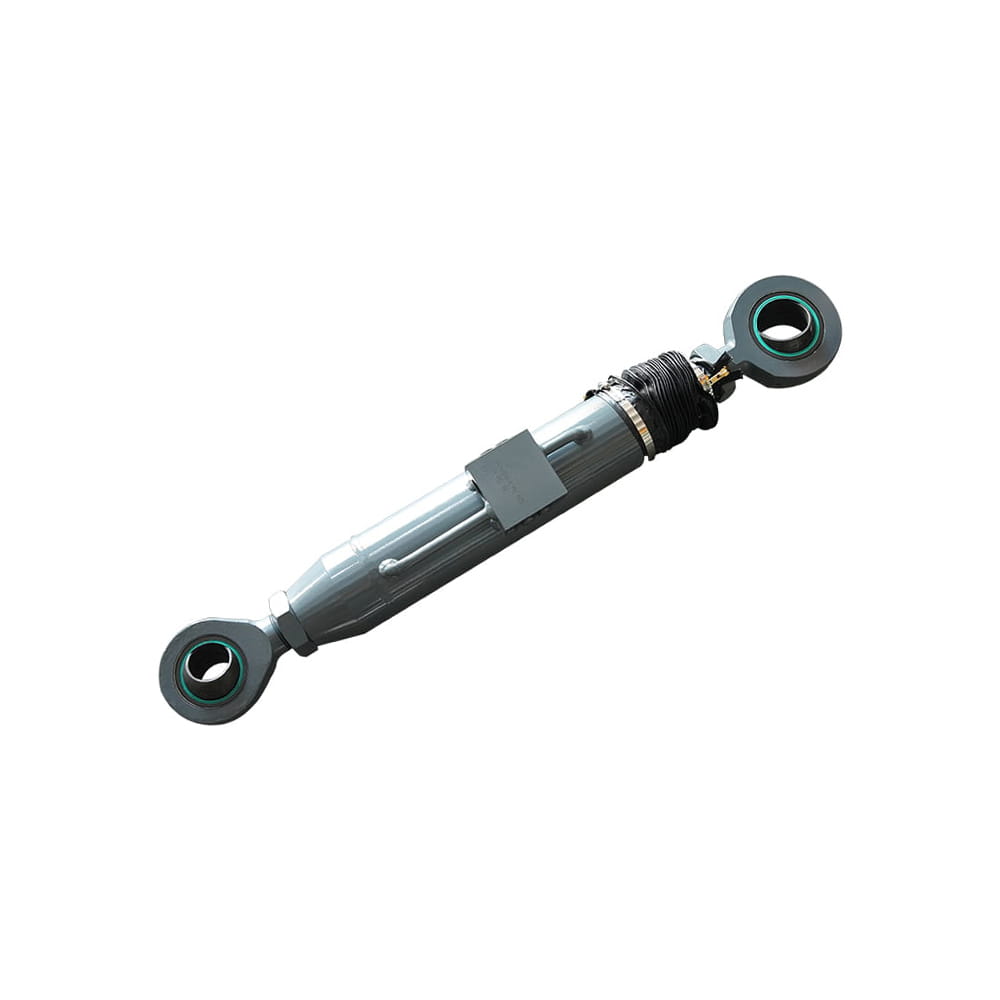 Boom Lift Aerial Platform Hydraulic Bridge Extension Cylinder
Function: An important design that enhances adaptability and working range. This function allows the platform to widen its chassis under specific conditions to ...
Copyright © by Zhejiang Huanfeng Machinery Co., Ltd. Rights Reserved.
