
 English
 中文简体
中文简体 русский
 Español
 Português
 عربى
عربىProduct Consultation
Your email address will not be published. Required fields are marked *
Anyone who spends time around cranes, aerial platforms or piling rigs knows the rhythm of a well-behaved machine: a smooth lift, a pause while the load hangs steady, then a controlled return to the travel position. Most of that motion comes from a hydraulic double acting cylinder. Instead of being pushed in one direction and relying on gravity to bring it home, a double-acting cylinder receives pressurized oil on both sides of the piston, so it can extend and retract with equal authority.
We have been designing and building hydraulic cylinders in Huzhou, Zhejiang since 2004, and the same questions keep coming up from the engineers and buyers we work with: how these cylinders really work, where they are used, and what to check before specifying one. This guide collects what we have learned on the shop floor and on site.
Content
A double-acting cylinder has two fluid ports, one at each end of the barrel. When oil enters the port on the piston side, pressure builds against the full face of the piston and the rod extends. When the directional valve switches, oil enters the rod-side port and pushes the piston back. At the same time the opposite chamber drains to tank, so nothing has to fight against trapped fluid.
The idea is simple, but the details matter. Because the rod occupies part of the rod-side chamber, the effective area there is smaller. For the same pressure, retract force is lower than extend force; for the same flow, retract speed is higher. That is why push and pull capacities are always quoted separately, and why rod diameter is never an afterthought in a specification.
The table below sums up the practical differences between the two common architectures.
| Characteristic | Single-acting | Double-acting |
|---|---|---|
| Pressurized chambers | One, on the piston side | Two, piston side and rod side |
| Return stroke | Gravity, spring or external load | Hydraulic pressure |
| Direction of force | One direction only | Extend and retract |
| Typical use | Jacks, hand pumps, simple lifts | Cranes, aerial platforms, piling rigs |
| Motion control | Limited speed and position control | Controlled speed in both directions |
| Circuit | One port, simpler plumbing | Two ports, directional valve and tank return |
In short, whenever a machine has to move a load in two directions, hold it steady, or bring it down at a chosen speed, the double-acting layout is usually the right answer.
Look at the working cylinders on a truck-mounted crane or an aerial platform and you will find that almost all of them are double acting. The reasons are practical rather than theoretical:
None of this comes for free. A double-acting circuit needs two lines, a directional valve and a return to tank, and the cylinder itself must be built to take pressure in both chambers. In our experience that extra cost pays for itself quickly on anything that cycles hundreds of times a day.
Side-mounted and truck-mounted cranes use double-acting cylinders for luffing, telescoping, outrigger extension, skid movement and rotation. On a truck-mounted crane, the luffing cylinder raises the boom and also governs how gently it comes back down. The telescopic cylinder pushes the boom sections out under pressure instead of letting them slide. Outrigger cylinders are a textbook double-acting job: they have to lift the machine and pull themselves back in afterwards.
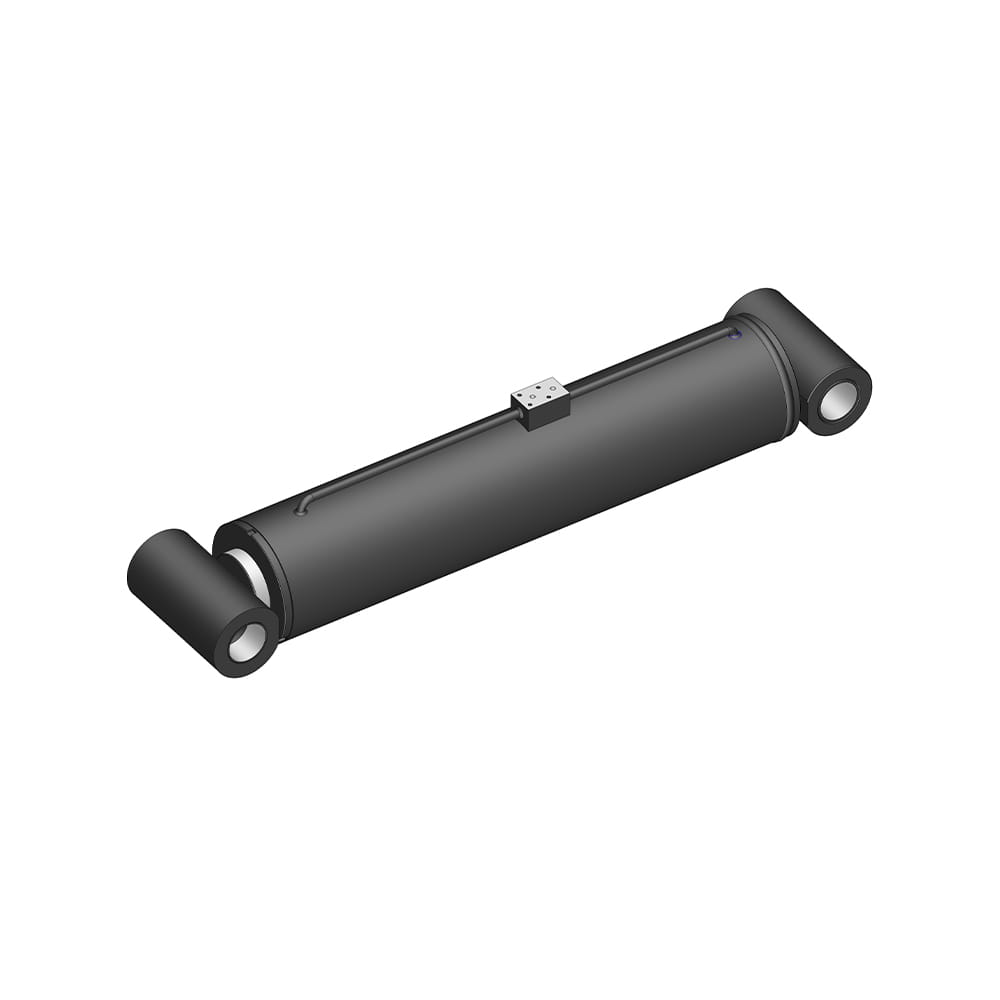 Truck-Mounted Crane Hydraulic Cylinders for Luffing, Telescopic, and Outrigger SystemsCategory covering luffing, telescopic, outrigger, horizontal, and rotary/swing cylinders for truck-mounted cranes, with sealed pressure-holding designs for lifting, boom positioning, and support.View Product →
Aerial work vehicles, boom lifts and scissor lifts depend on the same principle. Leveling, steering, luffing, telescoping and platform extension all need force in both directions. The leveling and small-arm cylinders on a boom lift are a good example of why: they are constantly adjusting to keep the basket level as the boom sweeps through its range, and they have to hold that position while a person works at height.
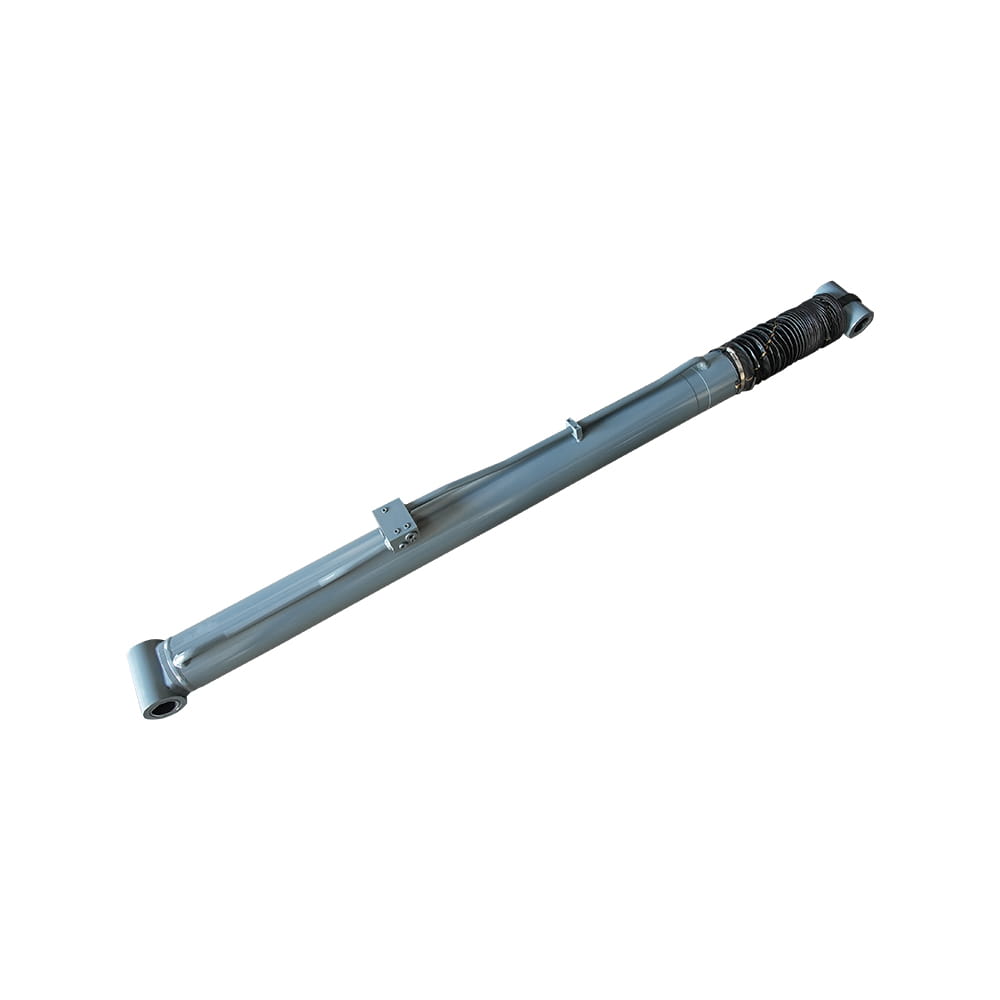 Hydraulic Cylinders for Boom Lift Aerial PlatformsCategory listing luffing, telescopic, leveling, frame leveling, bridge extension, and steering cylinders used to position and stabilize manned aerial work platforms.View Product →
Bridge inspection vehicles need outrigger, rear stabilizer, rotary, main arm luffing and vertical telescopic cylinders that hold their position while an operator works beneath a bridge deck. Tow trucks add folding arm, boom luffing, boom telescopic and platform cylinders, where the ability to pull a folded arm back into its travel position is just as important as lifting the load in the first place.
Rotary drilling rigs use swing, arm lifting and arm telescopic cylinders, and the machines work in mud, dust and temperature swings that punish any weak point in a sealing system. Pipe jacking machines rely on main jacking, correction and relay cylinders to push pipe sections through the ground and to steer the cutter head along the intended line.
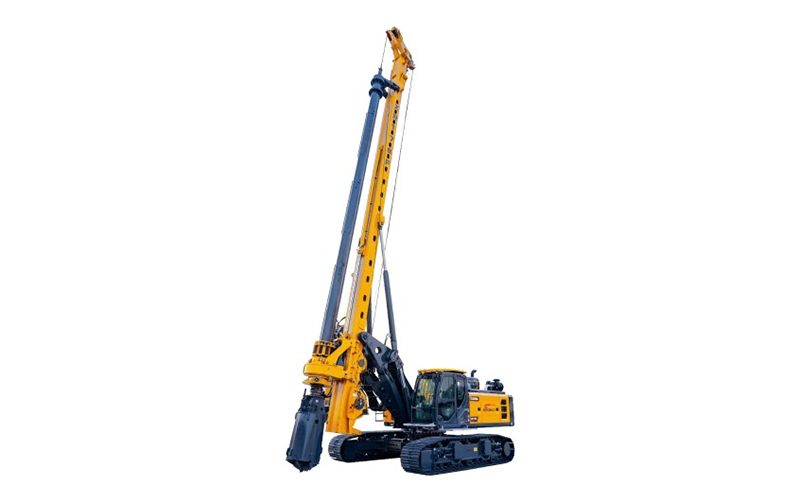 Hydraulic Cylinders for Piling Machinery and Rotary Drilling RigsCategory covering arm lifting, arm telescopic, and swing cylinders for rotary drilling rigs and piling machinery used in demanding foundation and construction environments.View Product →
We went into more detail on this in a separate note about double-acting cylinders in piling work, which is worth reading if your machines spend their days on foundation sites.
The fastest route to an accurate quotation is a short list of application details. This is the checklist we use when a new inquiry arrives:
If some of these numbers are still open, that is normal. Send what you have, along with a drawing or a photo of the mounting, and we can work through the rest together.
Most cylinder problems start small. A slow weep at the rod seal, a thin film of oil on the wiper, a cycle that feels slightly slower than it did last month. The sealing system is usually the first thing to inspect, which is why we keep a full range of cylinder seals and other service parts on hand for repairs and rebuilds.
A few habits extend service life considerably:
A single-acting cylinder is pressurized on one side only and returns by gravity or a spring. A double-acting cylinder is pressurized on both sides, so it can push and pull under power and hold position more precisely.
It can hold very well when the sealing system is in good condition and the control valve is closed centre. Small internal leakage across the piston seal is normal over time, and any creeping movement is usually the first sign that a seal kit is due.
Start from the force you need to move the load at your working pressure, then check the rod diameter for buckling and the stroke for the full range of movement plus any cushioning. If the numbers are close, a slightly larger bore is usually the safer choice.
Double-acting cylinders are not complicated in principle, but they reward careful specification. Getting the bore, rod, sealing system and mounting right at the design stage is far cheaper than fixing a machine in the field. If you are working on a crane, an aerial platform, a special vehicle or a piling machine and want to talk through an application, we are always glad to share what we have learned.
Your email address will not be published. Required fields are marked *
Marvelous Design Meets Rigorous Manufacturing
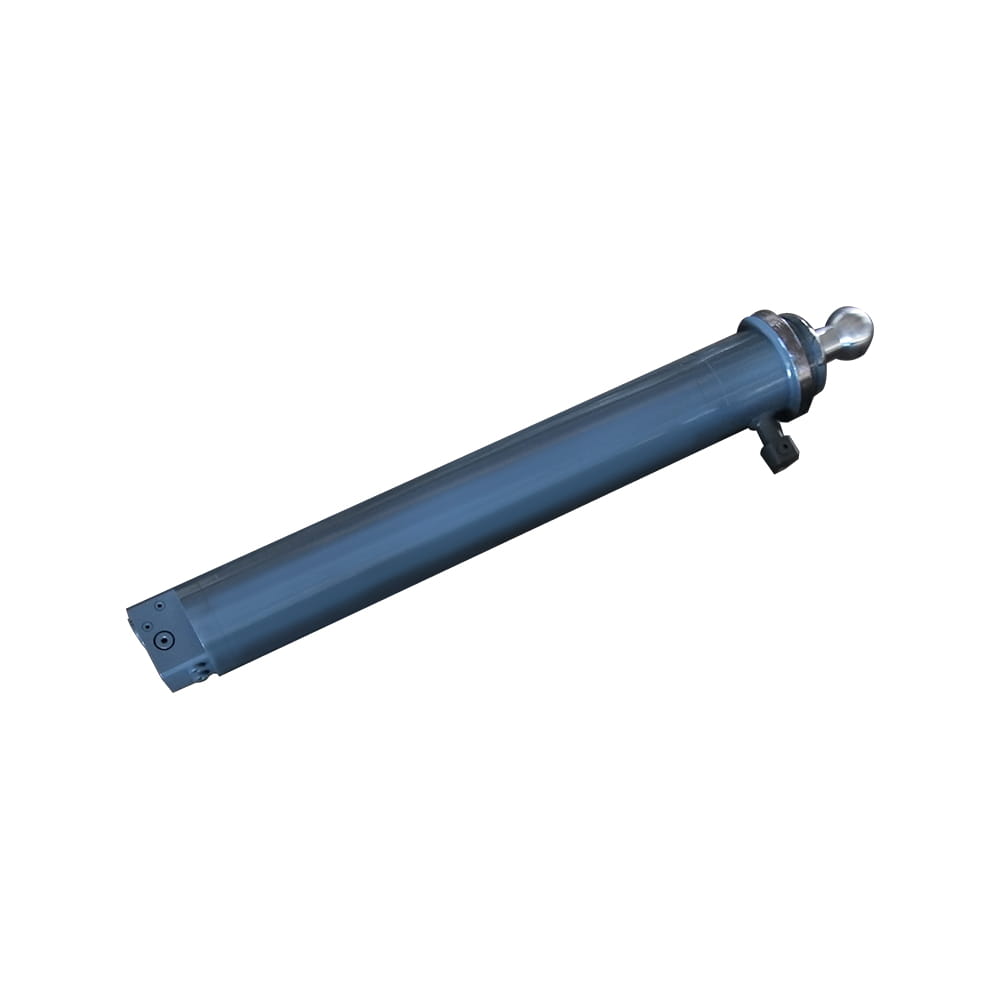 Scissor Lift Aerial Platform Hydraulic Outrigger Cylinder
Function: Firmly Supports the Vehicle: Ensures stability during operation. The ball-head foot automatically levels on slopes, while the integrated balance valve...
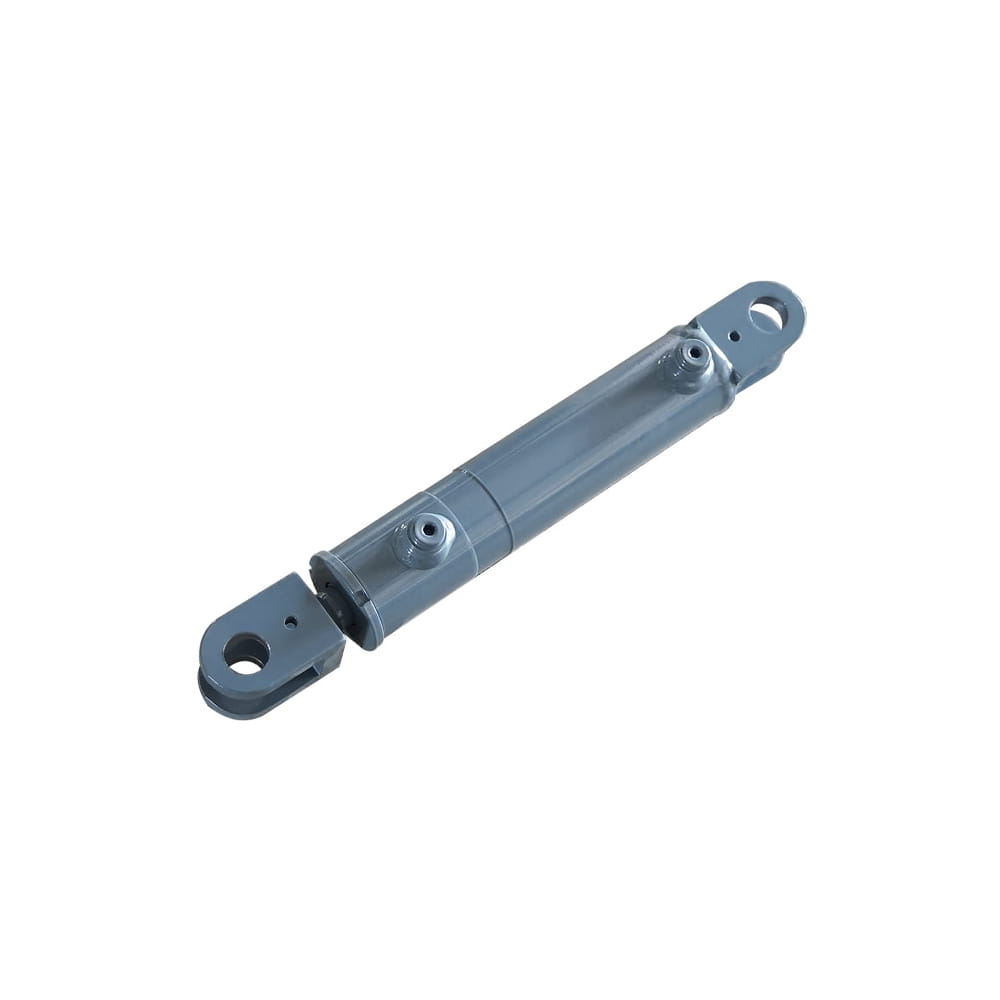 Scissor Lift Aerial Platform Hydraulic Steering Cylinder
Function: Connecting Chassis and Wheel Hub: Through hydraulic pressure, drives the piston rod to move, enabling precise wheel hub rotation. This ensures platfor...
 Boom Lift Aerial Platform Hydraulic Luffing Cylinder
Function: Adjust the angle of the telescopic arm to flexibly position the work platform at various heights and positions, meeting diverse aerial work requiremen...
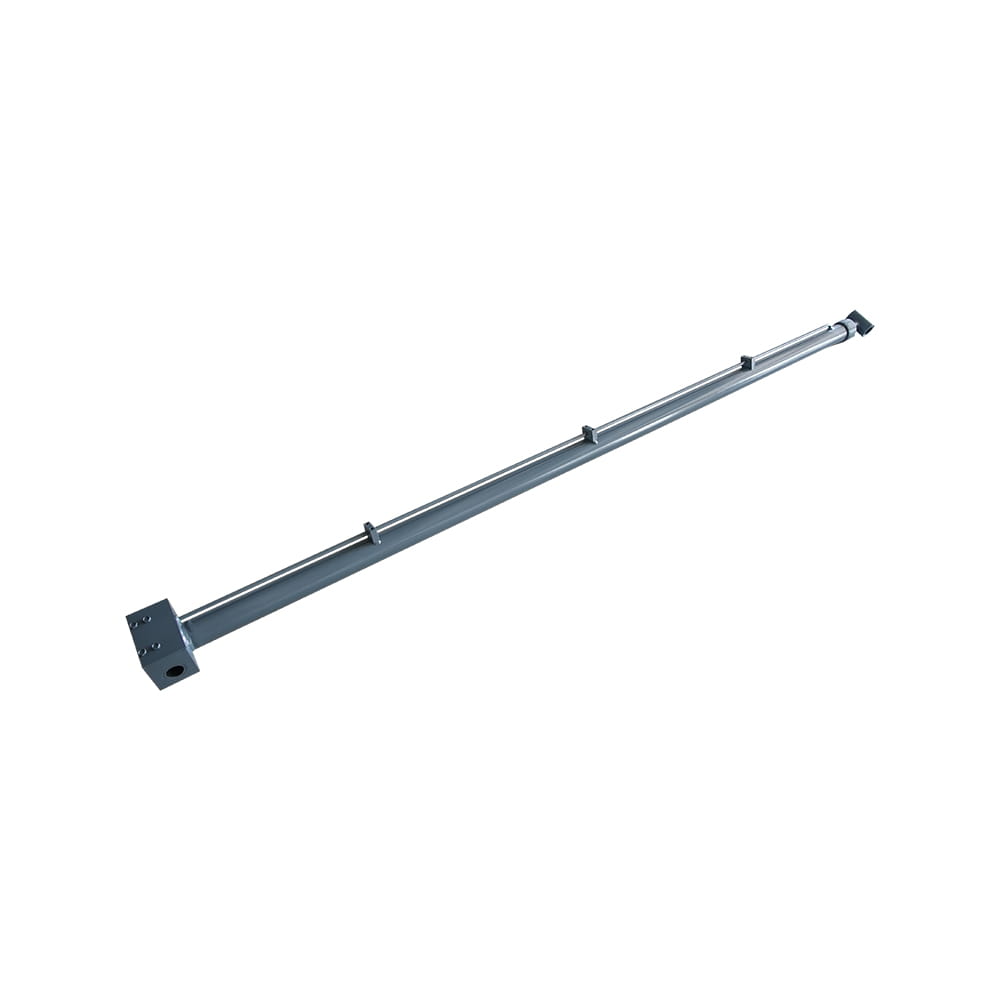 Boom Lift Aerial Platform Hydraulic Telescopic Cylinder
Function: Adjust the length of the arm to allow the aerial work platform to lift and move flexibly, ensuring range and height requirements.
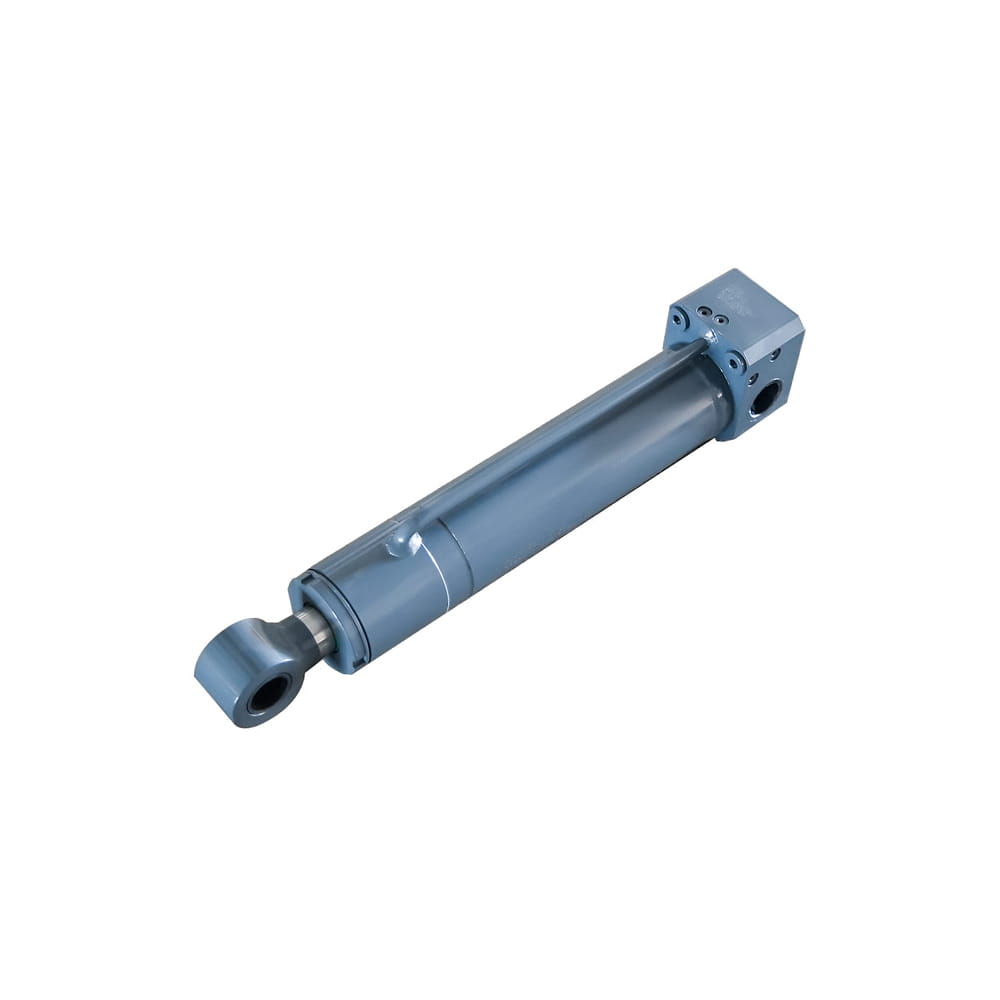 Boom Lift Aerial Platform Hydraulic Frame Leveling Cylinder
Function: Automatically adjust the chassis at the bottom of the platform to a level state, ensuring stable and wobble-free support in different terrains and wor...
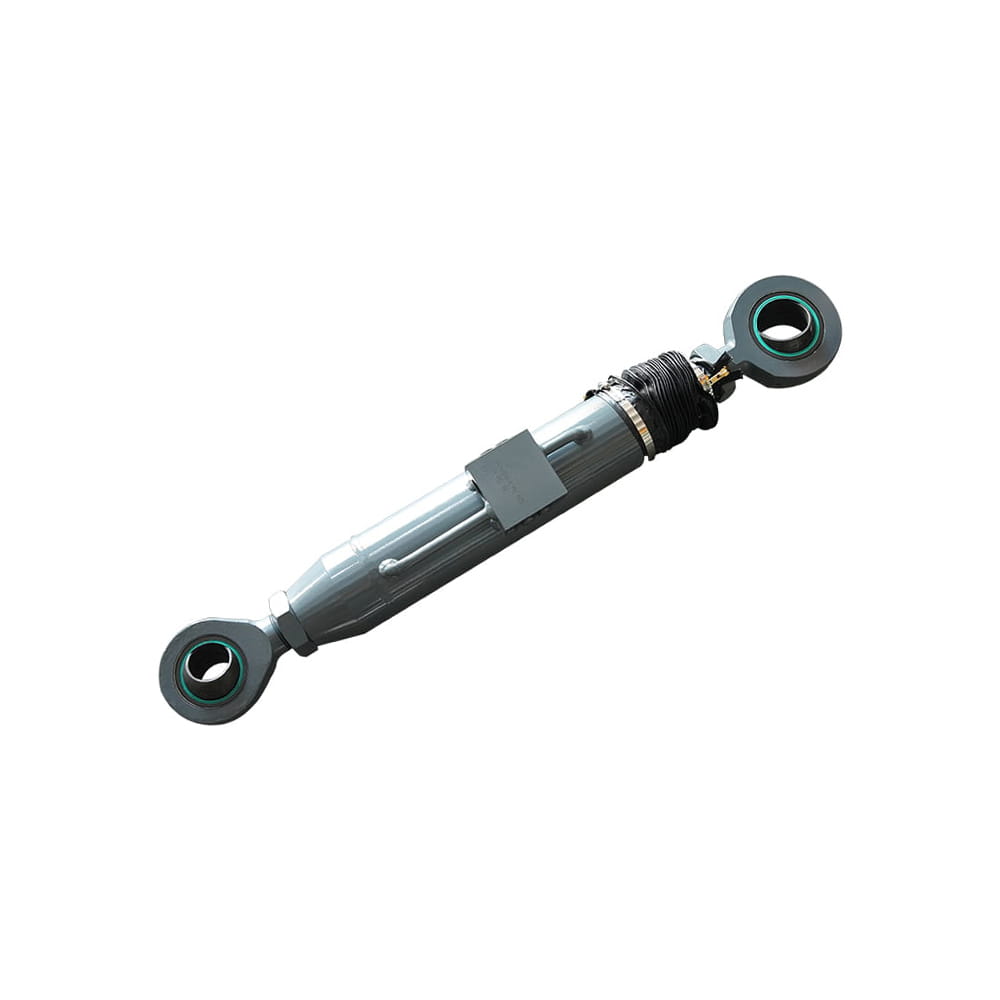 Boom Lift Aerial Platform Hydraulic Bridge Extension Cylinder
Function: An important design that enhances adaptability and working range. This function allows the platform to widen its chassis under specific conditions to ...
Copyright © by Zhejiang Huanfeng Machinery Co., Ltd. Rights Reserved.
