
 English
 中文简体
中文简体 русский
 Español
 Português
 عربى
عربىProduct Consultation
Your email address will not be published. Required fields are marked *
Hydraulic drilling rigs sit at the center of a lot of hard work: foundation piles, water wells, anchor holes, and site investigation. Whatever the job, the machine has to place a drill string precisely, hold it steady, and repeat the cycle thousands of times without losing its temper. That kind of repeatable, controlled motion is what hydraulic systems do best, and hydraulic cylinders are the muscles that make it happen.
From our workshop, we have supplied hydraulic cylinders for rotary drilling rigs and other piling machinery for many years. In this article, we will walk through how hydraulic drilling rigs work, which cylinders do the heavy lifting, and how to keep those cylinders healthy in the field.
Content
A drilling rig can be powered in different ways, but hydraulic drilling rigs use pressurized oil to drive the main functions: rotation, crowd, hoist, swing, and the various positioning movements around the mast. Compared with fully mechanical drives, a hydraulic rig offers smoother control, higher force density, and the ability to adjust speed and torque on the fly.
On a typical rig, the engine or electric motor drives a hydraulic pump. The pump sends oil through valves to cylinders, motors, and other actuators. The cylinders handle the linear motion that positions the mast, extends the arm, sets the outriggers, and stabilizes the machine. Because these cylinders work in mud, dust, temperature swings, and constant vibration, their design and build quality directly affect daily productivity.
Walk around a rotary drilling rig and you will see several cylinders that each perform a specific job. Their sizes and stroke lengths differ, but they all share one requirement: they must hold position under load without drifting, even when the machine is working on a slope or in soft ground.
The swing cylinder rotates the upper structure or the mast to align the drill string with the next hole. It needs smooth, controllable motion and enough holding force to stop the mast exactly where the operator wants it. Any internal leakage here shows up as drift, which makes hole alignment slower and less accurate.
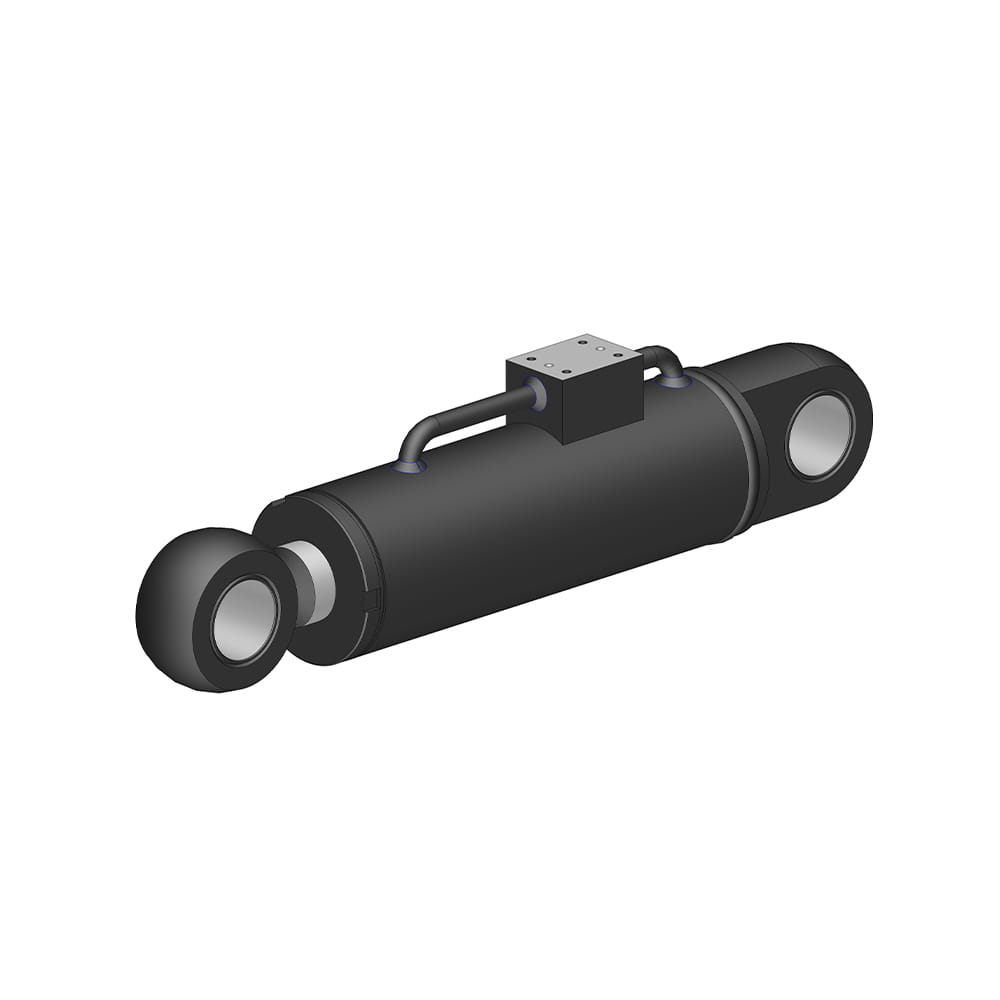 Rotary Drilling Rig Swing Cylinder for Mast AlignmentDesigned for rotary drilling rigs, this swing cylinder supports flexible angle adjustment, precise control, and stable high-load swings to help maintain drilling accuracy.View Product →
Lifting cylinders raise the drill arm or mast from transport position to working angle. Telescopic cylinders extend the arm to reach the bore location without moving the whole carrier. Both are exposed to bending loads and weather, so rod diameter, guidance, and sealing matter as much as nominal force.
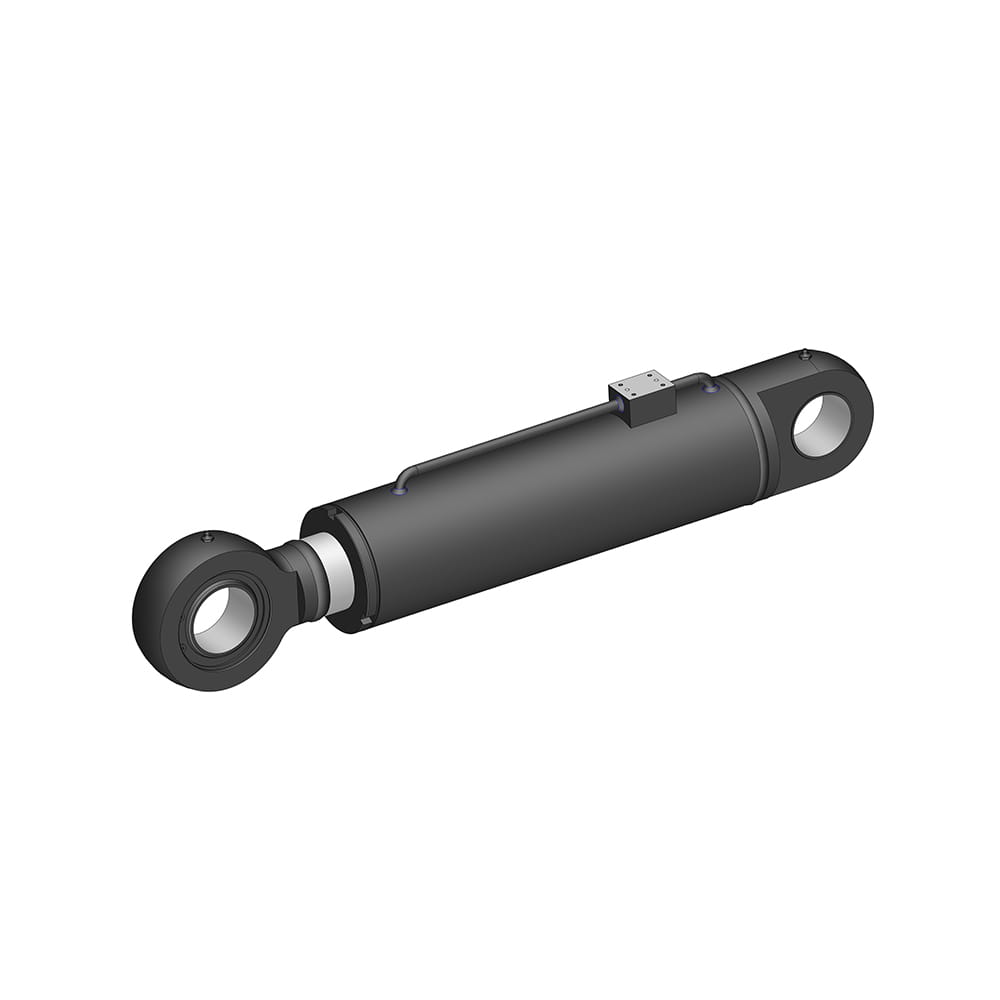 Hydraulic Arm Lifting Cylinder for Rotary Drilling RigsDesigned for rotary drilling rig arms, this lifting cylinder provides powerful lifting, precise displacement control, and stable high-load performance.View Product →
On many rigs, the telescopic function also helps with retracting the mast for travel, which means the cylinder cycles frequently and must resist contamination from mud and dust.
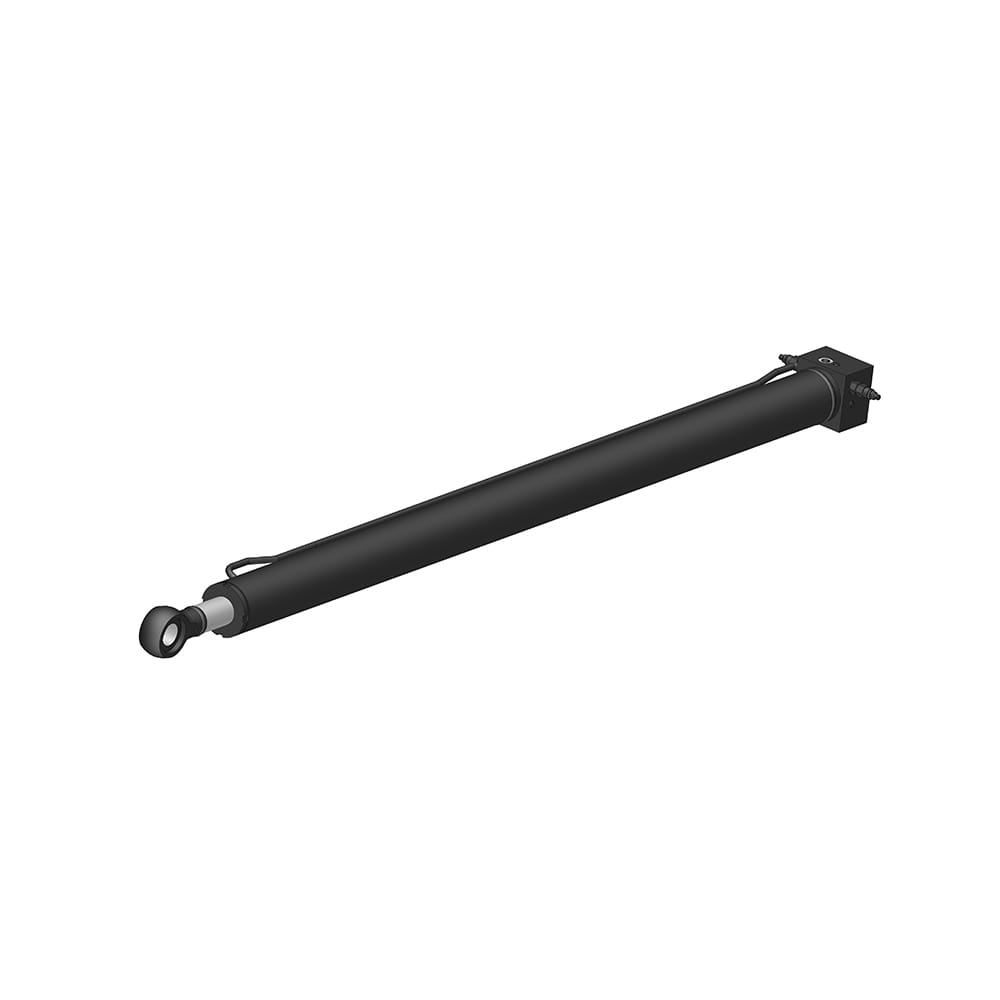 Hydraulic Arm Telescopic Cylinder for Rotary Drilling RigsFor rotary drilling rig arms, this telescopic cylinder offers extended reach and precise positioning; review it where frequent cycling and contamination resistance matter.View Product →
Selecting or replacing a cylinder for a hydraulic drilling rig is not simply a matter of matching the mounting pins. The cylinder has to match the duty cycle of the machine and the way it is operated on site.
| Specification | Why It Matters on a Drilling Rig |
|---|---|
| Bore and rod diameter | Determines force and buckling resistance under push loads |
| Stroke length | Sets the reach of the mast or telescopic arm |
| Working pressure | Must match the rig hydraulic system without excessive safety margin |
| Seal system | Controls leakage, friction, and contamination tolerance |
| Rod surface treatment | Resists corrosion, scoring, and impact damage on site |
| Mounting and cushioning | Absorbs shock when the mast or arm reaches end of stroke |
The same hydraulic principles appear across several machine types. Rotary drilling rigs are common in foundation engineering, where they bore piles for buildings, bridges, and infrastructure. Smaller hydraulic drilling rigs handle water wells, geothermal loops, and site investigation. In mining and quarrying, hydraulic rigs drill blast holes and anchor holes.
The working environment shapes cylinder design. A rig drilling in wet clay sees different loads from one working in fractured rock, and a machine in a coastal yard faces more corrosion than one in a dry inland site. That is why we often discuss operating conditions before recommending a seal compound or rod coating. If you want to go deeper on this subject, our notes on extending the service life of hydraulic cylinders for rotary drilling rigs cover design and maintenance choices in more detail.
Hydraulic cylinders on a drilling rig rarely fail without warning. Small leaks, changing cycle times, and unusual noise all point to developing problems. A simple weekly routine catches most of them early.
When a cylinder does need attention, replacing seals and worn parts before the rod is damaged is almost always cheaper than replacing the whole cylinder. It also avoids unplanned downtime in the middle of a piling schedule.
Every drilling project has its own combination of hole diameter, depth, ground condition, and machine configuration. Rather than treating cylinders as interchangeable parts, it pays to work with a supplier who understands the whole rig.
At Zhejiang Huanfeng Machinery, we have been designing and manufacturing hydraulic cylinders since 2004. Our product range covers cylinders for rotary drilling rigs, pipe jacking machines, cranes, aerial work platforms, and special vehicles. Because we build both complete cylinders and components such as cylinder tubes, piston rods, pistons, cylinder heads, seals, and cartridge valve blocks, we can support repairs as well as new machine builds.
If you are specifying a cylinder for a new rig or looking for a reliable replacement, talk to us about the bore, stroke, pressure, mounting, and working environment. That conversation usually saves more time than any catalog shortcut.
Hydraulic drilling rigs earn their keep through consistent, controlled force. The cylinders that provide that force deserve the same attention as the engine or the drill head. Get the specification right, keep the oil clean, and inspect the rods regularly, and your rig will keep putting holes exactly where they belong.
Your email address will not be published. Required fields are marked *
Marvelous Design Meets Rigorous Manufacturing
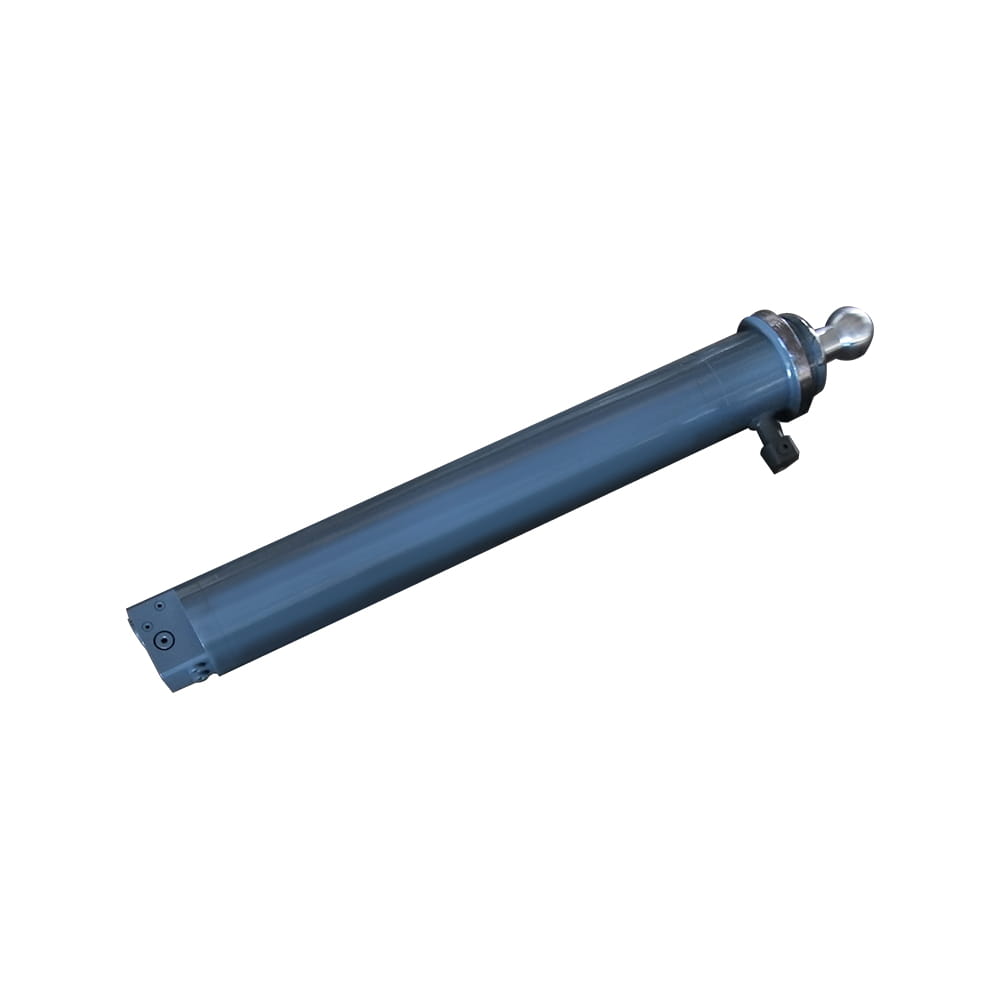 Scissor Lift Aerial Platform Hydraulic Outrigger Cylinder
Function: Firmly Supports the Vehicle: Ensures stability during operation. The ball-head foot automatically levels on slopes, while the integrated balance valve...
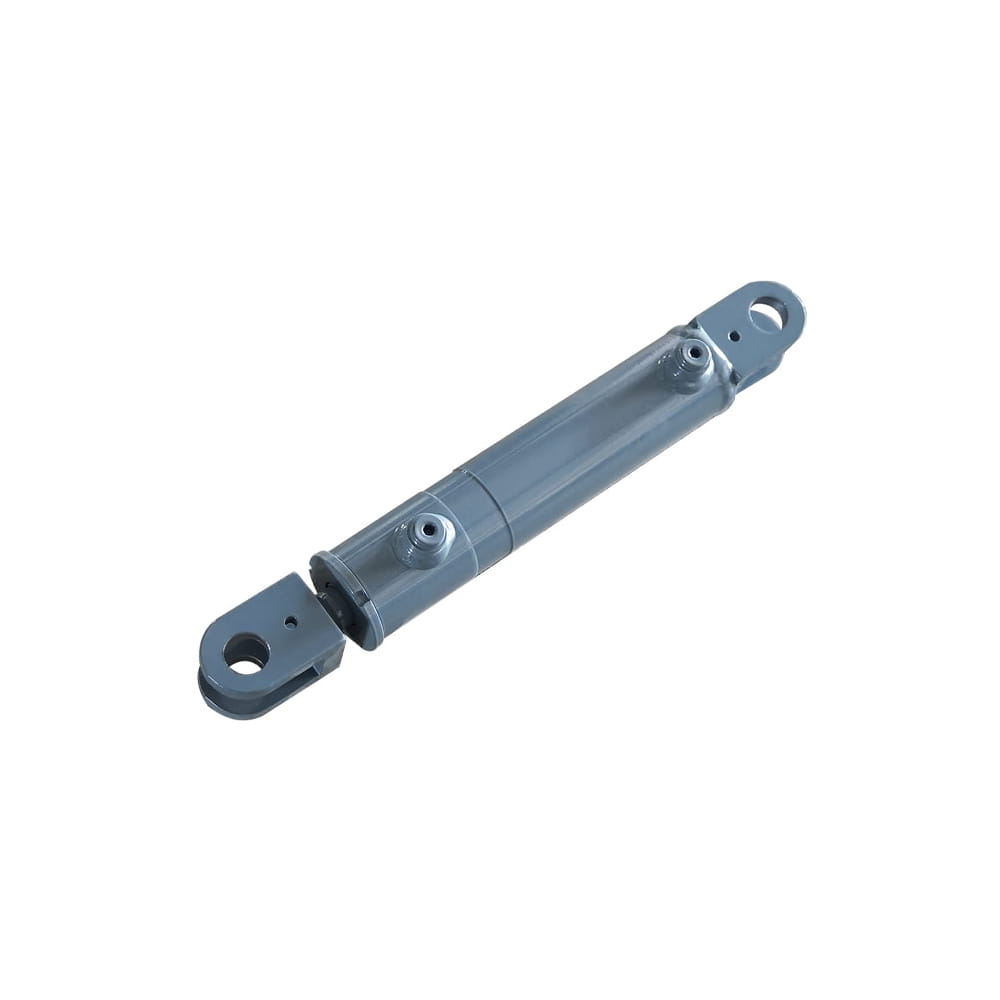 Scissor Lift Aerial Platform Hydraulic Steering Cylinder
Function: Connecting Chassis and Wheel Hub: Through hydraulic pressure, drives the piston rod to move, enabling precise wheel hub rotation. This ensures platfor...
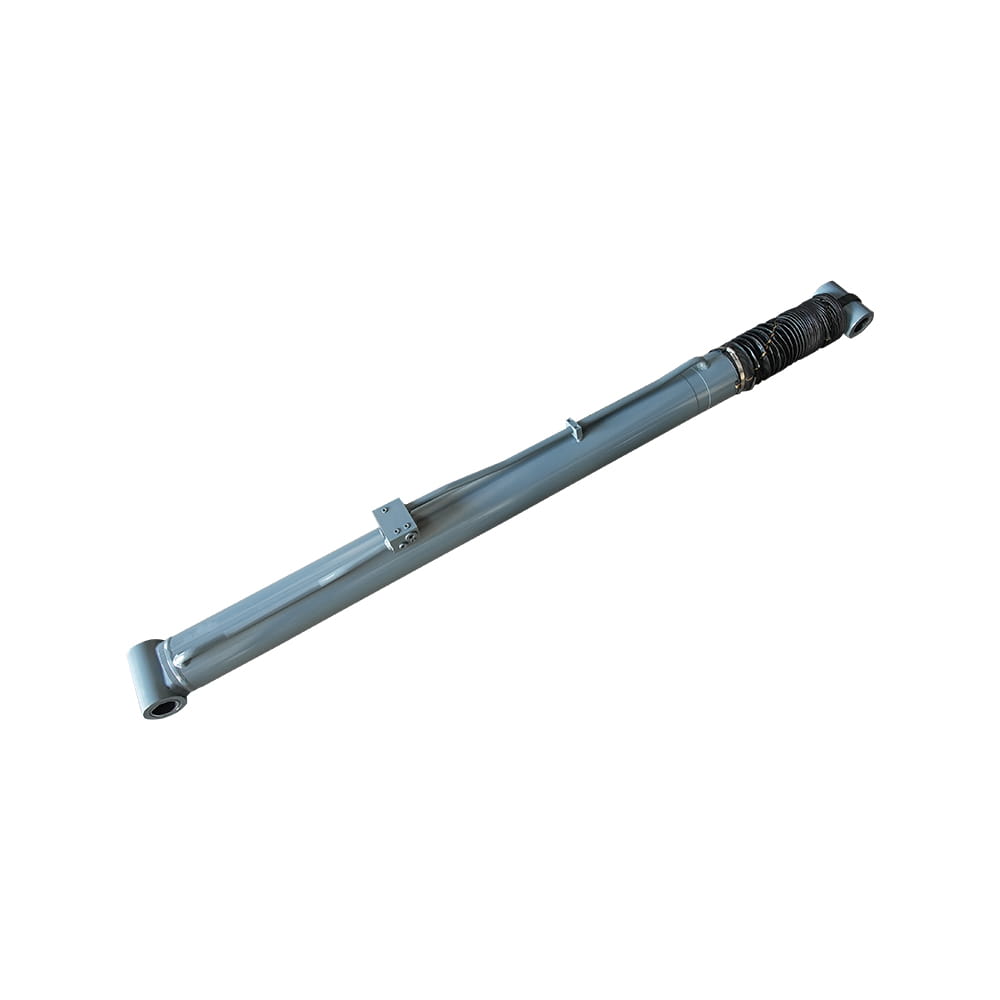 Boom Lift Aerial Platform Hydraulic Luffing Cylinder
Function: Adjust the angle of the telescopic arm to flexibly position the work platform at various heights and positions, meeting diverse aerial work requiremen...
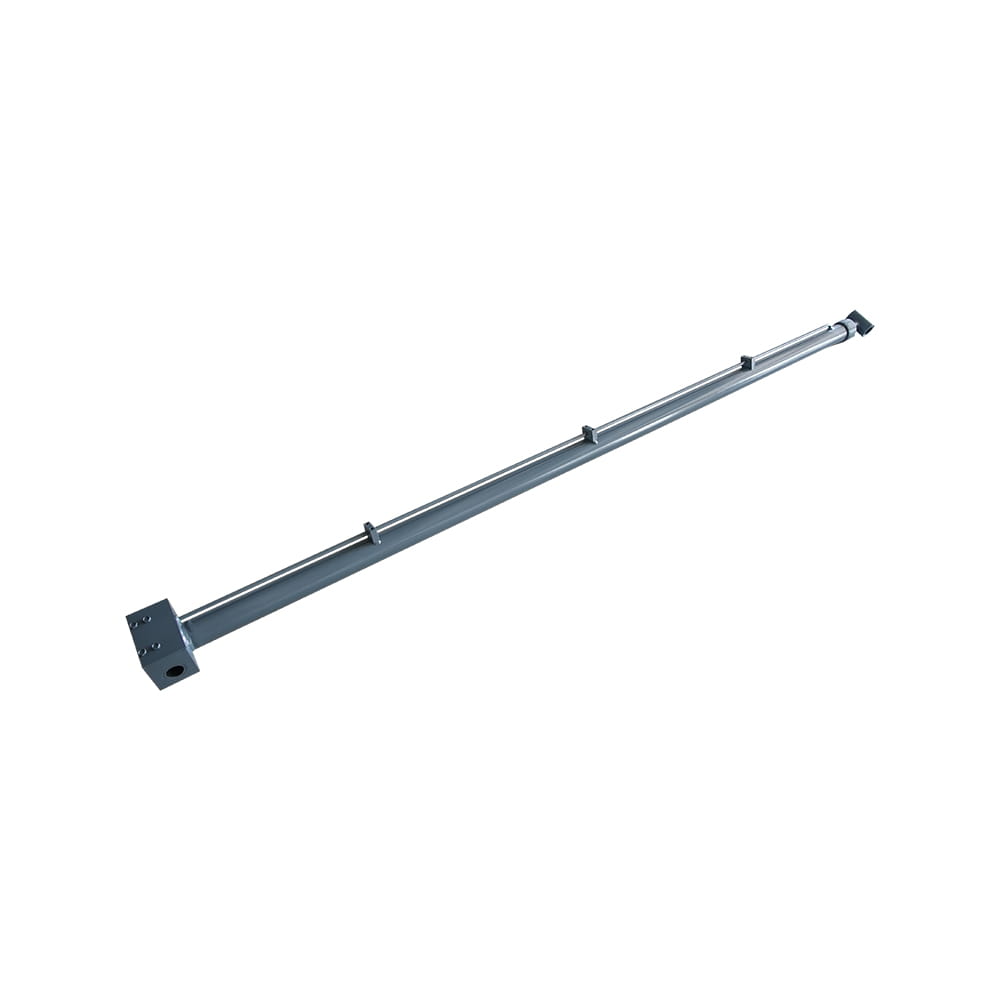 Boom Lift Aerial Platform Hydraulic Telescopic Cylinder
Function: Adjust the length of the arm to allow the aerial work platform to lift and move flexibly, ensuring range and height requirements.
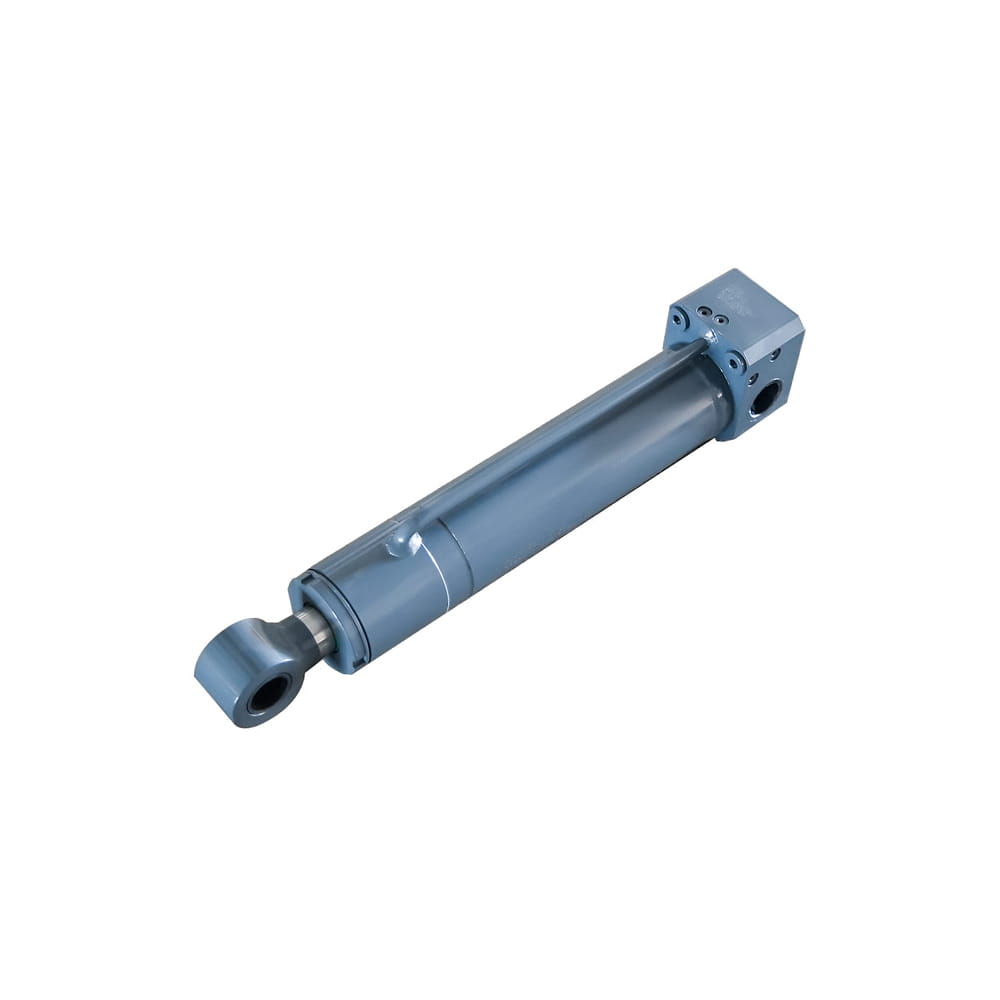 Boom Lift Aerial Platform Hydraulic Frame Leveling Cylinder
Function: Automatically adjust the chassis at the bottom of the platform to a level state, ensuring stable and wobble-free support in different terrains and wor...
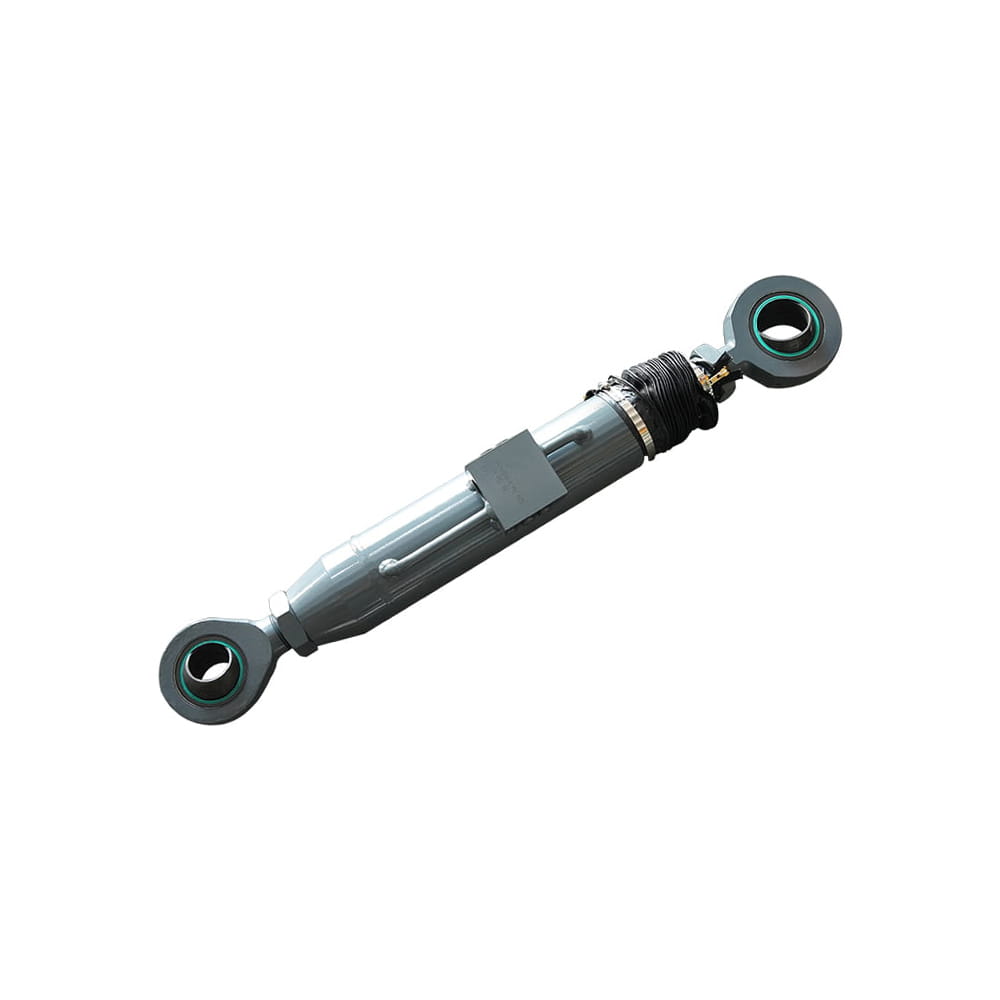 Boom Lift Aerial Platform Hydraulic Bridge Extension Cylinder
Function: An important design that enhances adaptability and working range. This function allows the platform to widen its chassis under specific conditions to ...
Copyright © by Zhejiang Huanfeng Machinery Co., Ltd. Rights Reserved.
