
 English
 中文简体
中文简体 русский
 Español
 Português
 عربى
عربىProduct Consultation
Your email address will not be published. Required fields are marked *
Content
Crane hydraulics act as lifting devices to achieve weight lifting, expansion, rotation, and other critical actions of core components, directly determining the efficiency, stability, and safety of lifting operations. At the heart of every crane hydraulic system are the hydraulic cylinders — linear actuators that convert hydraulic pressure into controlled mechanical force. Whether the task involves hoisting heavy steel beams on a construction site, loading cargo onto a ship, or extending a telescopic boom across a long horizontal span, crane hydraulic cylinders are the components that make precise, powerful movement possible.
Each hydraulic cylinder is meticulously designed and optimized for exceptional load-bearing capacity, stability, and reliability. Understanding how these cylinders function — and how their behavior is represented through standardized residential hydraulic schematic diagram symbols — is essential knowledge for engineers, crane operators, and maintenance technicians who need to design, troubleshoot, or service hydraulic lifting systems effectively.
A hydraulic cylinder operates on Pascal's Law: pressure applied to a confined fluid is transmitted equally in all directions. In a crane application, a hydraulic pump generates high-pressure fluid — typically hydraulic oil — and directs it into the cylinder chamber. As pressure builds against the piston face, it produces a linear force proportional to the fluid pressure multiplied by the piston's cross-sectional area. This is why relatively compact cylinders can generate tens or even hundreds of tonnes of lifting force.
Crane hydraulic cylinders are typically double-acting, meaning hydraulic pressure can be applied to both sides of the piston — one side to extend the rod and another to retract it. This bidirectional control is critical for operations such as luffing (raising and lowering the boom angle), telescoping the boom outward for reach, and actuating outrigger legs to stabilize the crane on uneven ground. Single-acting cylinders, which rely on gravity or a return spring for retraction, are also used in specific configurations where only one direction of powered movement is required.
Not all crane hydraulic cylinders share the same design. The specific demands of each crane function — from fine load positioning to heavy-duty boom extension — require different cylinder configurations. Understanding these types helps engineers select the right cylinder for each application and correctly interpret the corresponding residential hydraulic schematic diagram symbols used in circuit drawings.
| Cylinder Type | Typical Crane Application | Key Characteristic |
| Double-Acting Cylinder | Boom luffing, outrigger extension | Powered extension and retraction |
| Telescopic Cylinder | Boom telescoping, long-distance extension | Multi-stage stroke in compact body |
| Single-Acting Cylinder | Counterweight positioning, clamping | Gravity-assisted retraction |
| Plunger Cylinder | Vertical lift platforms, jacking systems | Rod acts as piston, high compressive load |
| Tandem Cylinder | Heavy-load lifting with limited bore size | Two pistons in series doubling output force |
Telescopic cylinders deserve special attention in crane applications because they enable long-distance extension tasks to be executed from a compact, retracted position. A multi-stage telescopic cylinder can extend to two, three, or even four times its collapsed length, making it indispensable for mobile cranes where boom reach must be maximized without sacrificing transport dimensions.
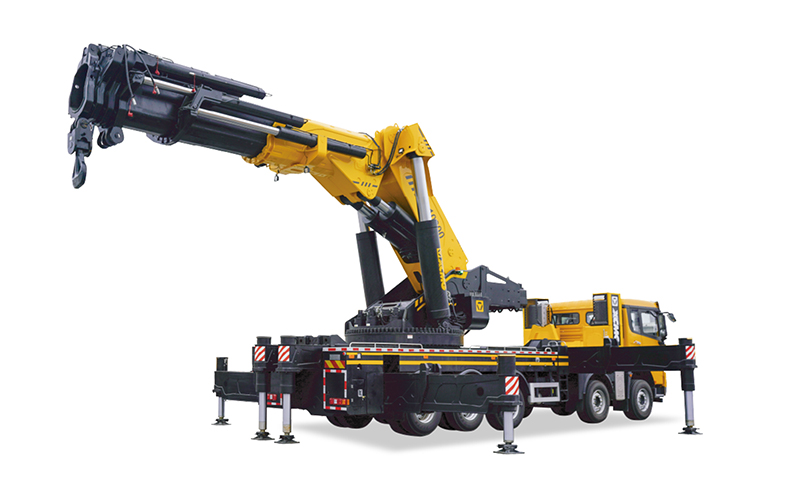
Before any crane hydraulic system can be built, serviced, or diagnosed, technicians must be able to read and interpret residential hydraulic schematic diagram symbols. These standardized graphic representations — defined primarily by ISO 1219 and ANSI/B93 standards — provide a universal language for describing how hydraulic components are connected and how fluid flows through the system under different operating conditions.
While the term "residential" often refers to simpler hydraulic circuits found in home lifts, jacks, or small machinery, the same foundational symbol set applies directly to crane hydraulic schematics. Mastering these symbols allows engineers to trace fluid paths, identify valve functions, and locate cylinders within a complex crane circuit drawing without ambiguity.
These cylinders easily handle heavy-load lifting in extreme working conditions, such as transporting massive cargo or executing long-distance extension tasks. Achieving this performance requires rigorous engineering disciplines applied throughout the cylinder's design, manufacturing, and testing phases.
The cylinder barrel is typically manufactured from cold-drawn or honed seamless steel tube, providing a precisely smooth internal bore that minimizes seal wear and ensures consistent piston travel. Rod material is commonly chrome-plated alloy steel — the chrome layer provides both corrosion resistance and a hard surface that protects dynamic seals from abrasion during millions of extension cycles. Wall thickness calculations account for maximum working pressure plus a significant safety factor, ensuring the cylinder body does not yield or fracture even under sudden shock loads.
Sealing systems are another critical design element. Modern crane hydraulic cylinders use composite seal kits combining polyurethane, PTFE, and nitrile rubber elements arranged in specific sequences within the piston and rod gland. These seals maintain internal pressure integrity across wide temperature ranges — from sub-zero winter environments to the elevated oil temperatures generated during intensive lifting cycles. Contamination control through integrated wiper seals at the rod gland prevents grit, dust, and moisture from entering the cylinder and damaging internal surfaces.
This ensures smooth operation of lifting machinery during work, effectively safeguarding both personnel and cargo. A central component of this safety architecture is the counterbalance valve — also called a load-holding valve — which is mounted directly on the cylinder port and visible as a specific symbol in any crane hydraulic schematic diagram.
The counterbalance valve prevents the crane load from descending uncontrollably if a hydraulic hose ruptures or a control valve fails. It only allows fluid to exit the cylinder's rod-side port when positive pilot pressure is applied from the pump circuit, meaning the load can only lower when the operator actively commands it. This fail-safe behavior is non-negotiable in crane design and is a direct response to the catastrophic consequences that uncontrolled load descent would have for personnel and cargo on any job site.
Even the most robustly designed crane hydraulic cylinders require structured maintenance programs to deliver their full potential service life. Hydraulic oil cleanliness is the single most impactful maintenance variable — contaminated oil is responsible for the majority of premature seal and valve failures in crane hydraulic systems. ISO cleanliness targets of 16/14/11 or better should be maintained through regular oil sampling, filter replacement, and breather maintenance on the reservoir.
Cylinder rod surfaces should be inspected regularly for chrome pitting, scoring, or corrosion, as damaged rod surfaces will destroy dynamic seals within a short operating period. Rod end bearings and mounting pins must be greased at manufacturer-specified intervals to prevent fretting and wear at the cylinder's attachment points. When reading the hydraulic schematic diagram symbols during a troubleshooting session, technicians should cross-reference pressure readings at cylinder ports against design specifications to identify whether performance loss is originating from internal cylinder bypass, valve leakage, or pump wear — allowing targeted repairs rather than unnecessary full-system replacement.
Your email address will not be published. Required fields are marked *
Marvelous Design Meets Rigorous Manufacturing
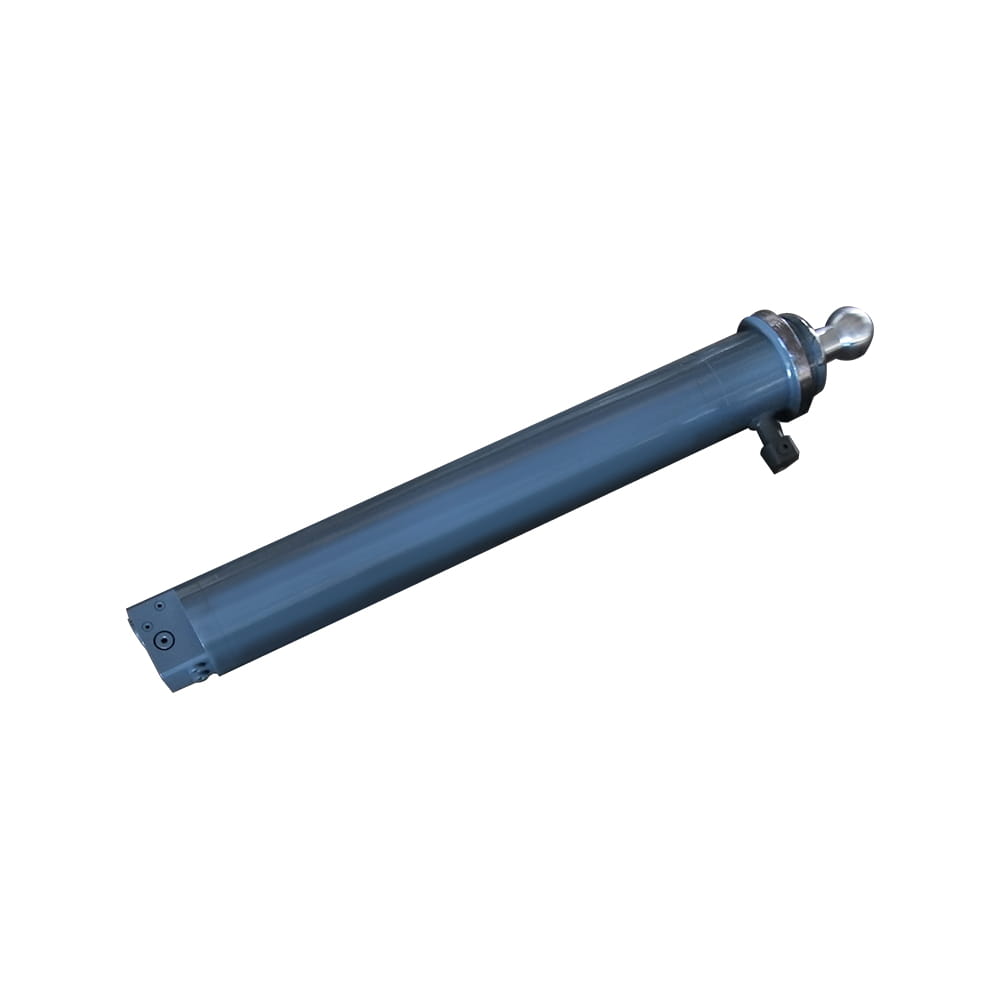 Scissor Lift Aerial Platform Hydraulic Outrigger Cylinder
Function: Firmly Supports the Vehicle: Ensures stability during operation. The ball-head foot automatically levels on slopes, while the integrated balance valve...
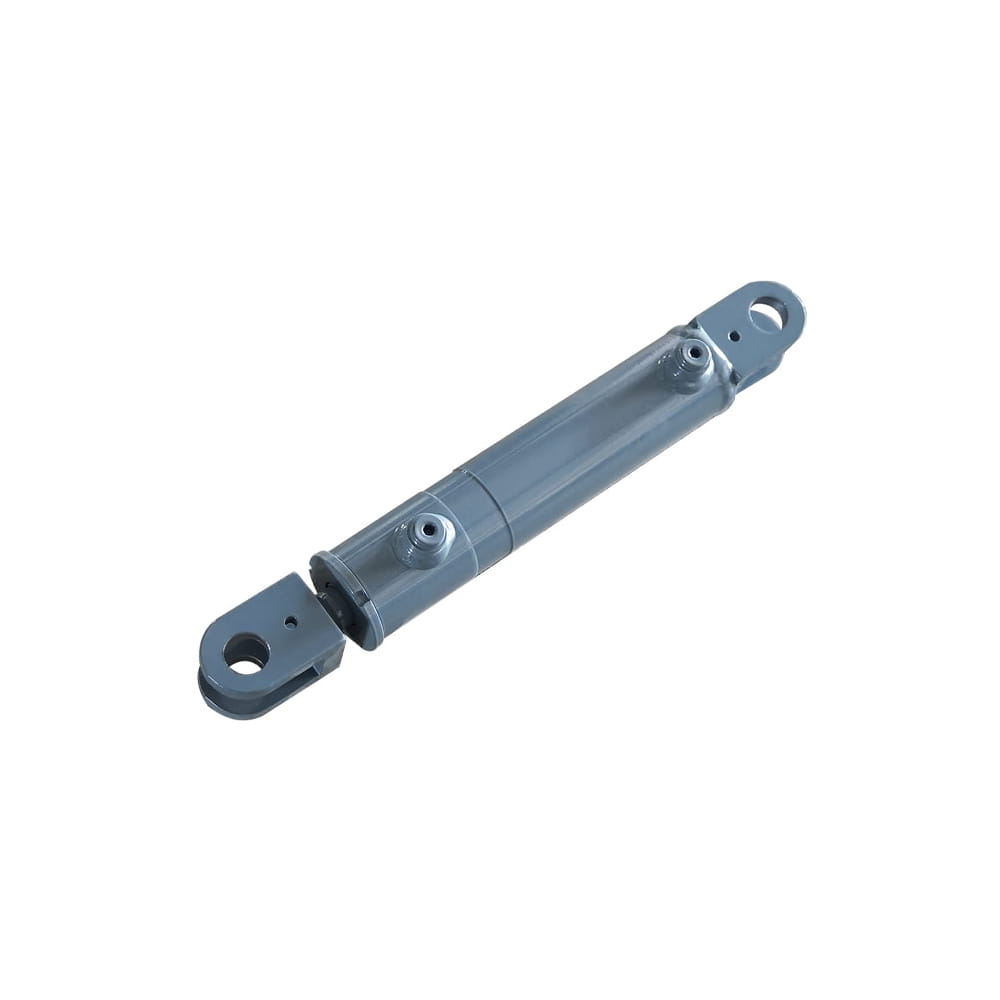 Scissor Lift Aerial Platform Hydraulic Steering Cylinder
Function: Connecting Chassis and Wheel Hub: Through hydraulic pressure, drives the piston rod to move, enabling precise wheel hub rotation. This ensures platfor...
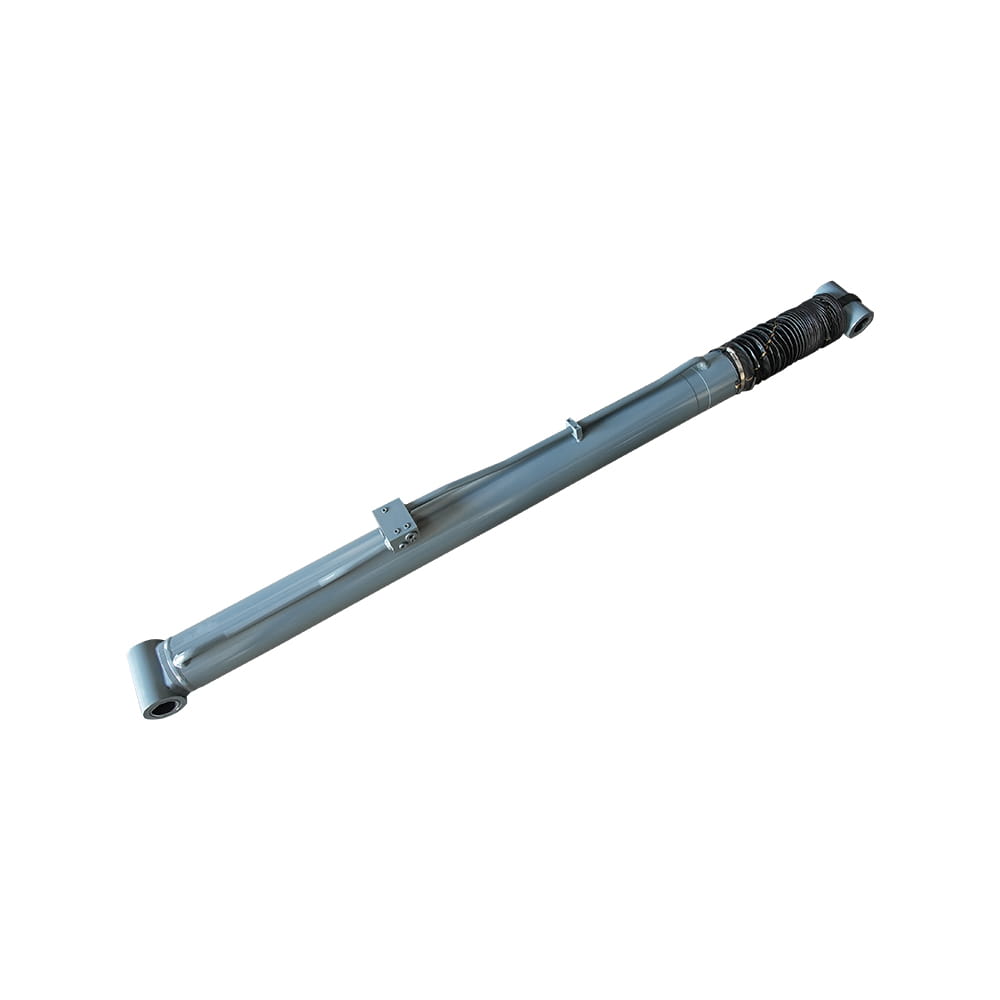 Boom Lift Aerial Platform Hydraulic Luffing Cylinder
Function: Adjust the angle of the telescopic arm to flexibly position the work platform at various heights and positions, meeting diverse aerial work requiremen...
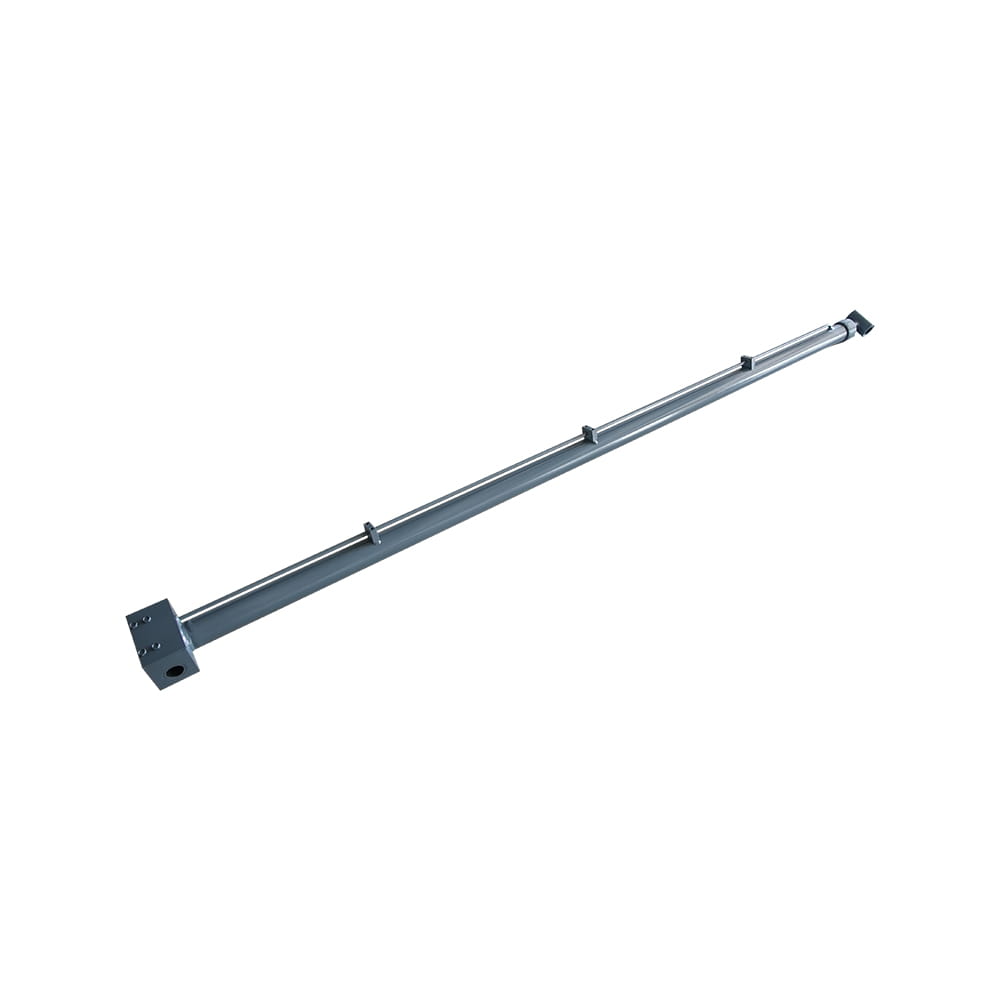 Boom Lift Aerial Platform Hydraulic Telescopic Cylinder
Function: Adjust the length of the arm to allow the aerial work platform to lift and move flexibly, ensuring range and height requirements.
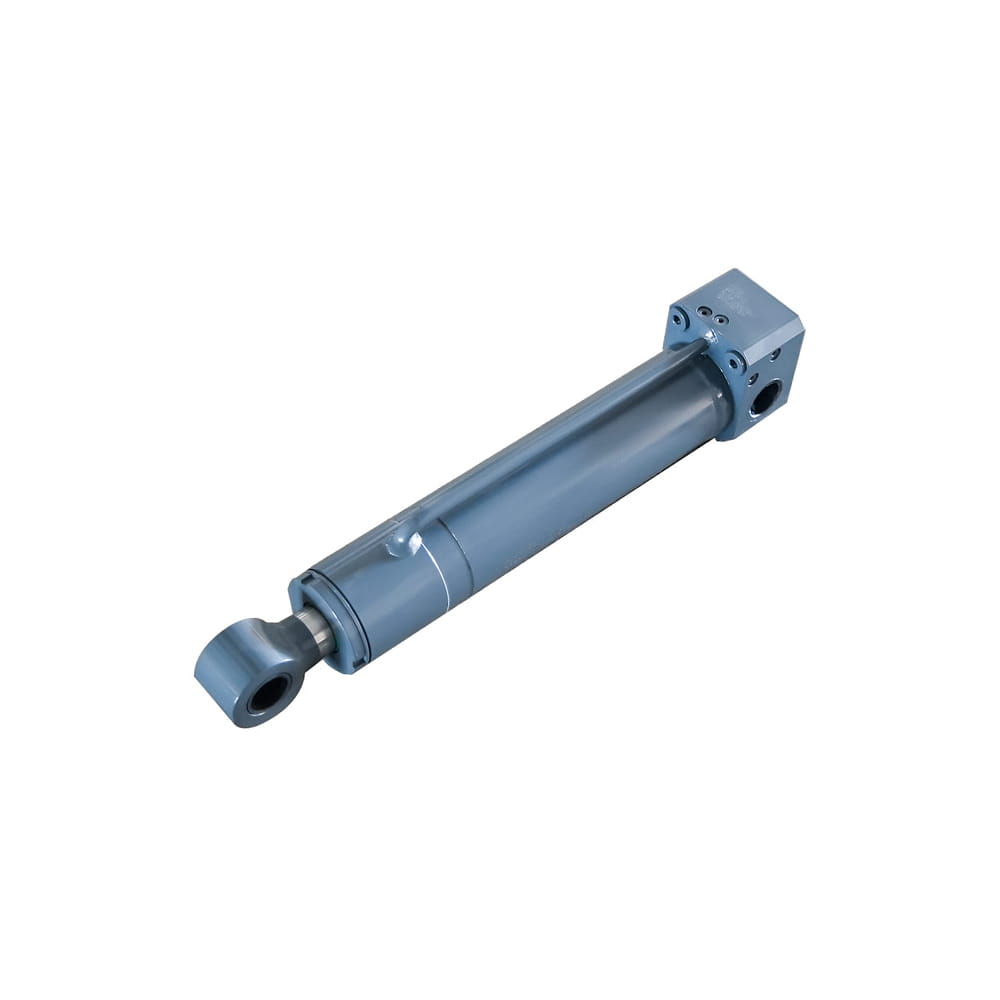 Boom Lift Aerial Platform Hydraulic Frame Leveling Cylinder
Function: Automatically adjust the chassis at the bottom of the platform to a level state, ensuring stable and wobble-free support in different terrains and wor...
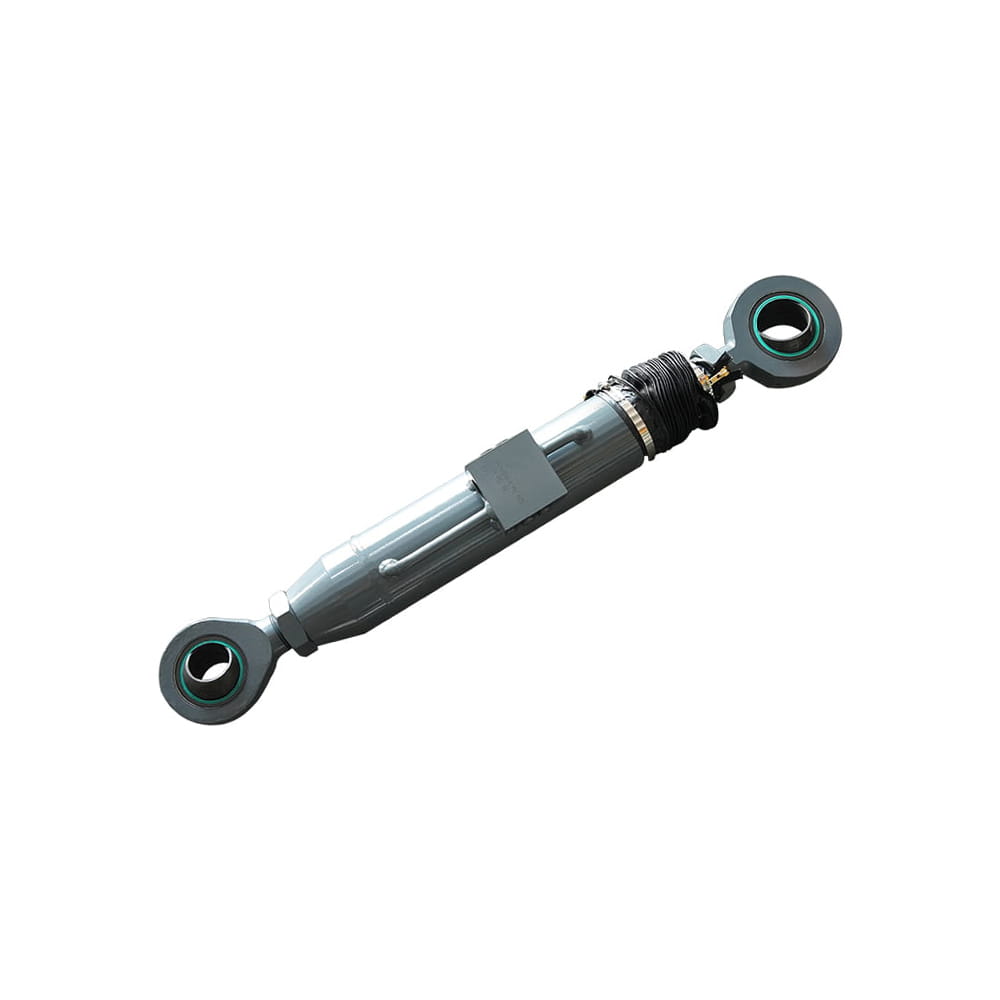 Boom Lift Aerial Platform Hydraulic Bridge Extension Cylinder
Function: An important design that enhances adaptability and working range. This function allows the platform to widen its chassis under specific conditions to ...
Copyright © by Zhejiang Huanfeng Machinery Co., Ltd. Rights Reserved.
