
 English
 中文简体
中文简体 русский
 Español
 Português
 عربى
عربىProduct Consultation
Your email address will not be published. Required fields are marked *
A hydraulic cylinder tube doesn't fail at the welds or the end caps. It fails at the bore — where the piston rides, where the seals make contact, where every micron of surface roughness translates directly into wear, leakage, or premature failure. That's why the tube sitting at the center of every hydraulic cylinder is almost always a honed tube. The two terms are used interchangeably across the industry, and for good reason.
This article breaks down what separates a honed tube from a standard steel tube, how the inner surface is processed, why the three precision metrics — smoothness, roundness, and straightness — determine system performance, and what to look for when selecting one for a specific application.
Content
A honed tube is a seamless steel tube whose inner diameter has been precision-finished to achieve a specific surface roughness, dimensional tolerance, and geometric accuracy. In most hydraulic cylinder manufacturing environments, it is simply called a hydraulic cylinder tube — because that is its primary and most demanding application.
The relationship between the two names is direct: precision-machined cylinder tube components used in hydraulic systems require an inner surface that a standard cold-drawn or hot-rolled tube cannot deliver. The honing process — or an equivalent finishing operation — is what transforms a structural tube into a hydraulic cylinder tube ready for immediate assembly without further ID processing.
This ready-to-use characteristic is commercially significant. Cylinder manufacturers receive honed tubes that go directly into production: the bore is already finished to specification, the piston and seals can be installed, and the cylinder can be assembled and tested. No in-house grinding, no secondary honing operations. The tube supplier has done that work upstream.
Three main processes are used to finish the inner bore of a hydraulic cylinder tube, and each produces a different surface characteristic. Understanding the differences matters when specifying a tube for demanding applications.
Turning uses a single-point cutting tool to remove material from the inner diameter in a controlled pass. It establishes dimensional accuracy quickly but leaves relatively coarser surface marks — typically Ra 1.6–3.2 μm — that require further finishing for hydraulic use. Turning is often the first step before honing or SRB processing on thicker-walled tubes.
SRB is a two-step combined operation. The skiving head removes a thin, uniform layer of material from the bore, correcting dimensional errors. Immediately after, the roller burnishing head compresses and smooths the surface through plastic deformation rather than cutting. The result is a hardened, mirror-like bore surface with roughness values typically in the Ra 0.2–0.4 μm range — achieved in a single machine pass. SRB is faster than traditional honing and produces a slightly harder surface layer, which improves wear resistance under high-cycle conditions.
Honing uses abrasive stones that rotate and reciprocate simultaneously inside the tube bore. The crosshatch pattern this creates — typically at 30–45° — is a defining feature of honed tubes. That crosshatch is not merely aesthetic: it retains a thin film of hydraulic fluid across the bore surface, reducing dry contact between the piston and tube wall and extending seal life significantly. Honing achieves Ra values of 0.2–0.4 μm with ID tolerances of H7, H8, or H9, depending on application requirements.
Both SRB and honing produce hydraulic cylinder tubes that meet industry surface finish standards. The choice between them typically comes down to production volume, wall thickness, and whether the crosshatch lubrication pattern is a specific requirement.
These three geometric parameters are specified for every hydraulic cylinder tube — and each one affects a different failure mode in service.
The inner surface roughness of a hydraulic cylinder tube is measured as Ra (arithmetic mean roughness) in microns. The standard range for hydraulic applications is Ra 0.2–0.4 μm — roughly equivalent to a mirror-polished surface. When the bore is rougher than this, the piston seals experience accelerated abrasion with every stroke cycle. A bore at Ra 0.8 μm can reduce seal service life by more than half compared to a bore at Ra 0.4 μm under equivalent pressure and cycle conditions. The hydraulic seals that rely on bore surface quality are often the first components to fail when tube finish specifications are not met.
A tube bore that is not perfectly round creates an uneven gap between the piston and the cylinder wall. This causes the seals to load unevenly — some sections of the seal compress more than others — leading to localized wear, fluid bypass, and eventual leakage. Roundness tolerance for precision hydraulic tubes is typically specified as half the IT tolerance grade: for an H8 bore at 100mm ID, roundness is held to approximately 0.027 mm.
Straightness deviation — how much the bore axis deviates from a true straight line over the tube's length — directly affects piston side loading. A bore that curves along its length forces the piston to deflect, creating contact pressure on one side of the bore. This accelerates both seal wear and bore scoring, and in severe cases causes the piston rod to bend under lateral load. Industry-standard straightness tolerance for hydraulic cylinder tubes is 0.5–1.2 mm per meter, depending on the specification.
All three of these parameters are interrelated. A tube with excellent surface finish but poor roundness will still leak. A perfectly smooth, round bore on a tube with poor straightness will still cause premature piston wear. High-quality hydraulic cylinder tubes are specified and tested for all three simultaneously.
The inner surface processing gets most of the attention, but the base material determines the tube's fundamental pressure capacity and durability. Not every steel grade performs equally under cyclic hydraulic loading.
| Steel Grade | Typical Application | Key Characteristic |
|---|---|---|
| ST52 / E355 | General industrial, construction equipment | Good strength-to-cost ratio, widely available, DIN 2391 standard |
| SAE 1026 / 1030 | Medium-pressure hydraulic systems | Good machinability, reliable performance in moderate duty cycles |
| SAE 1045 | High-cycle industrial applications | Higher carbon content, improved hardness and fatigue resistance |
| 4140 Alloy Steel | Heavy-duty, high-pressure systems | Chromium-molybdenum alloy, superior strength and heat resistance |
Beyond grade selection, heat treatment makes a measurable difference in high-pressure applications. Stress-relief annealing after cold drawing reduces residual internal stresses in the tube wall — stresses that would otherwise concentrate at surface defects under cyclic pressure loading and initiate fatigue cracks. Tubes designated "BKS" under DIN 2391 (cold-drawn, bright, stress-relieved) have undergone this treatment and are the preferred specification for demanding high-pressure hydraulic cylinder design and performance requirements.
For corrosive environments — marine applications, offshore equipment, food processing — stainless steel grades 304, 316, or 316L are used. These carry a cost premium but provide the corrosion resistance that carbon steel grades cannot sustain in saltwater or chemical exposure conditions.
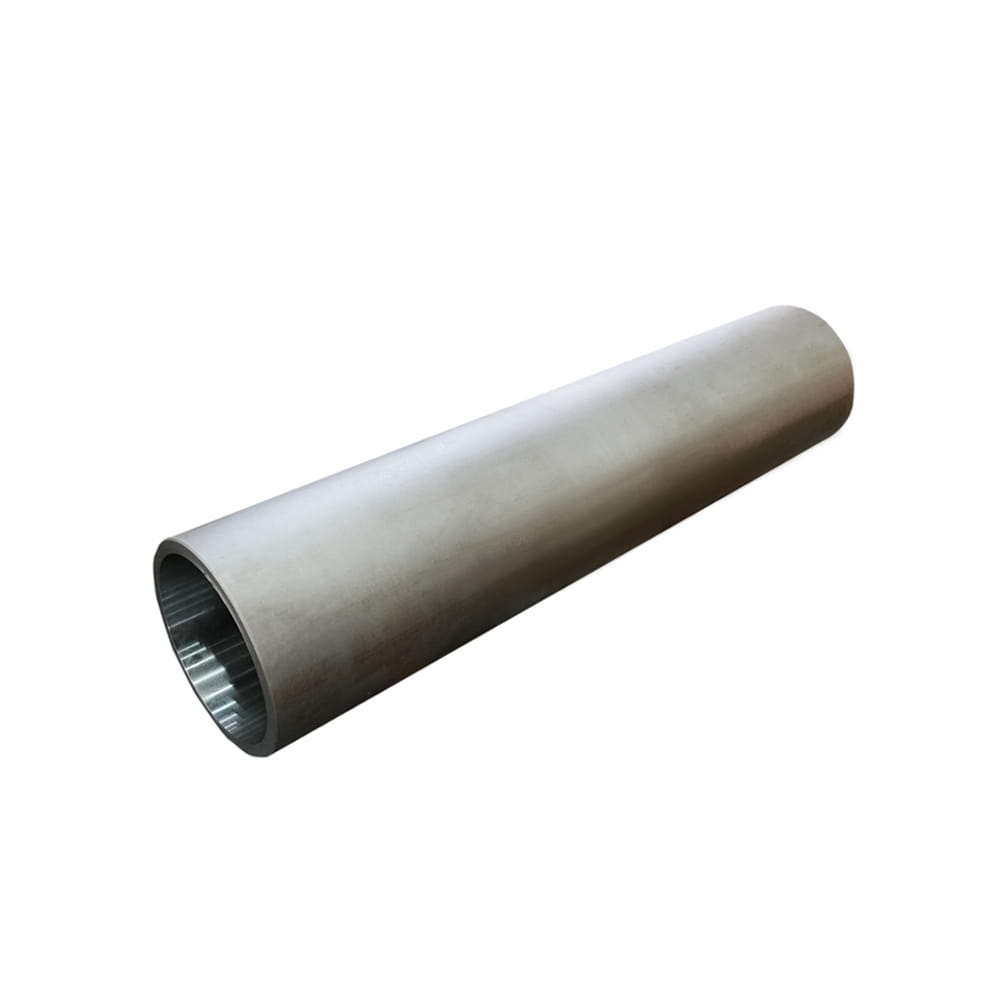
Selecting the wrong tube specification is one of the more costly mistakes in hydraulic cylinder manufacturing — not because the tube itself is expensive, but because it determines the service interval of the entire assembled cylinder. These are the parameters that matter most:
The piston rod paired with the cylinder tube should also be specified consistently — matched tolerances between the bore ID and rod OD ensure that the designed clearance and seal compression are achieved in the assembled cylinder.
Hydraulic cylinder tubes processed to honed bore standards appear in almost every sector that uses mechanical force transmission.
In construction and heavy equipment — excavators, cranes, telescopic boom lifts, rotary drilling rigs — the tubes must withstand operating pressures of 250–350 bar under continuous cycle loading, often in environments with vibration, dust, and temperature extremes. Material grade and straightness tolerance are critical in these applications.
Aerial work platforms, including scissor lifts and boom lifts, depend on cylinder tube precision for both lifting accuracy and platform stability. Seal life is a maintenance-cost driver in high-utilization rental fleets, making bore surface quality a direct operational concern.
In industrial manufacturing — hydraulic presses, injection molding machines, automated material handling — the focus shifts to cycle count and dimensional repeatability. High-cycle applications favor SRB-processed tubes for their hardened bore surface and consistent dimensional output across long production runs.
Agricultural equipment such as tractors and harvesters operates in field conditions with variable loads and limited maintenance access. Tubes with corrosion-resistant coatings or stainless steel grades extend service intervals in moisture-exposed outdoor environments.
In each of these contexts, the hydraulic cylinder tube — the honed tube — is the component that determines how long the system performs before it needs attention. Getting the specification right at the design stage is substantially cheaper than replacing cylinders in service.
Your email address will not be published. Required fields are marked *
Marvelous Design Meets Rigorous Manufacturing
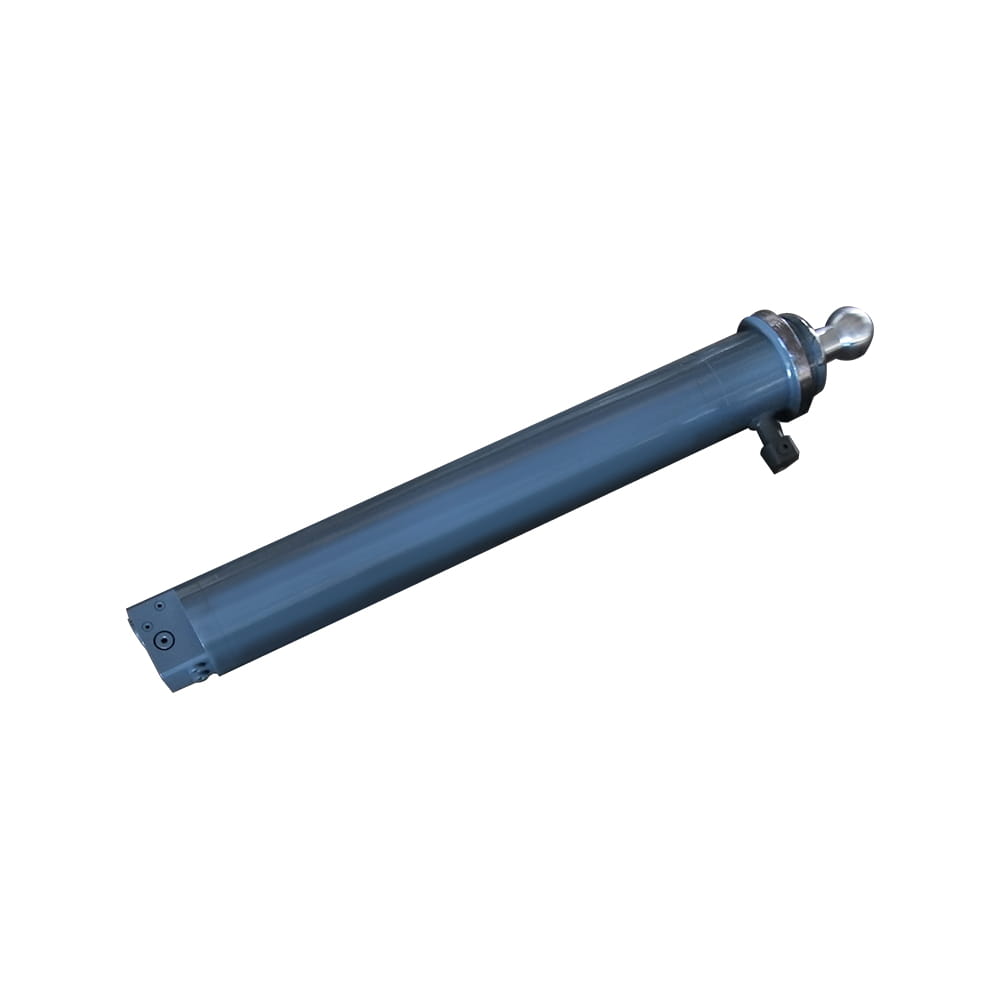 Scissor Lift Aerial Platform Hydraulic Outrigger Cylinder
Function: Firmly Supports the Vehicle: Ensures stability during operation. The ball-head foot automatically levels on slopes, while the integrated balance valve...
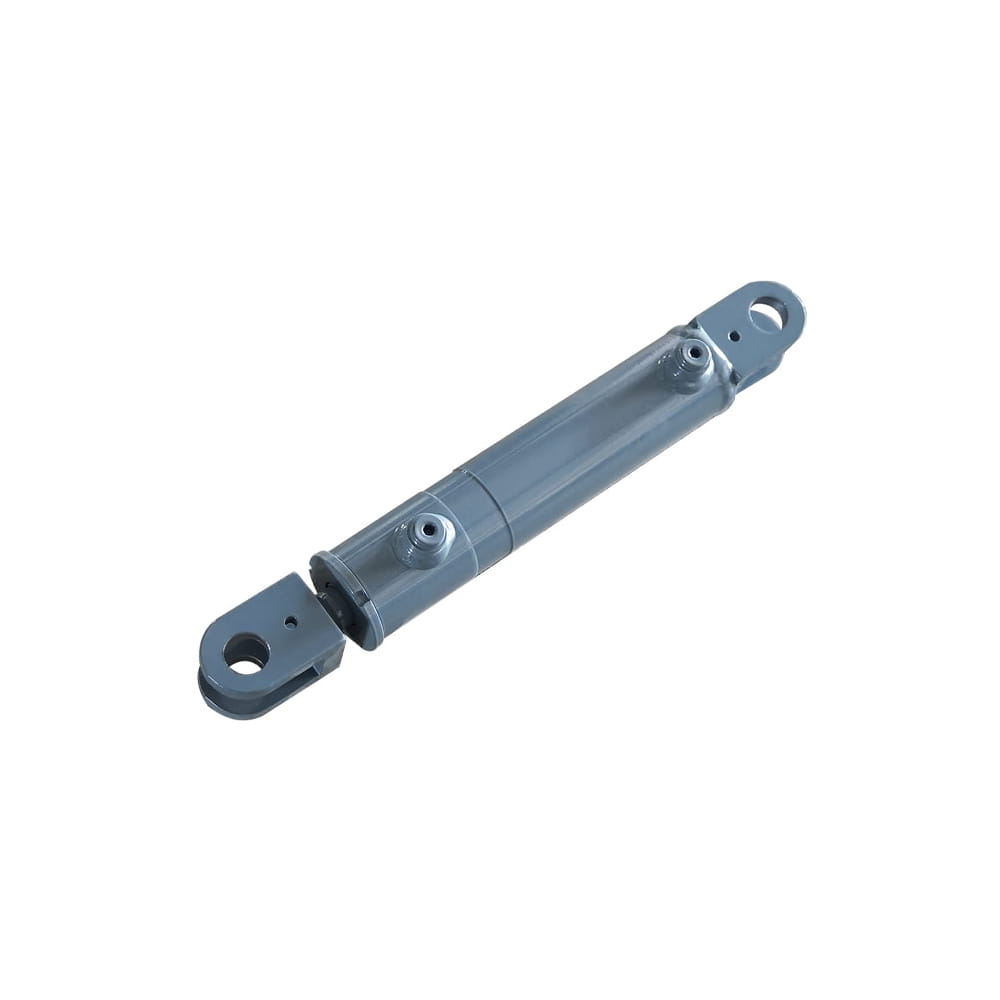 Scissor Lift Aerial Platform Hydraulic Steering Cylinder
Function: Connecting Chassis and Wheel Hub: Through hydraulic pressure, drives the piston rod to move, enabling precise wheel hub rotation. This ensures platfor...
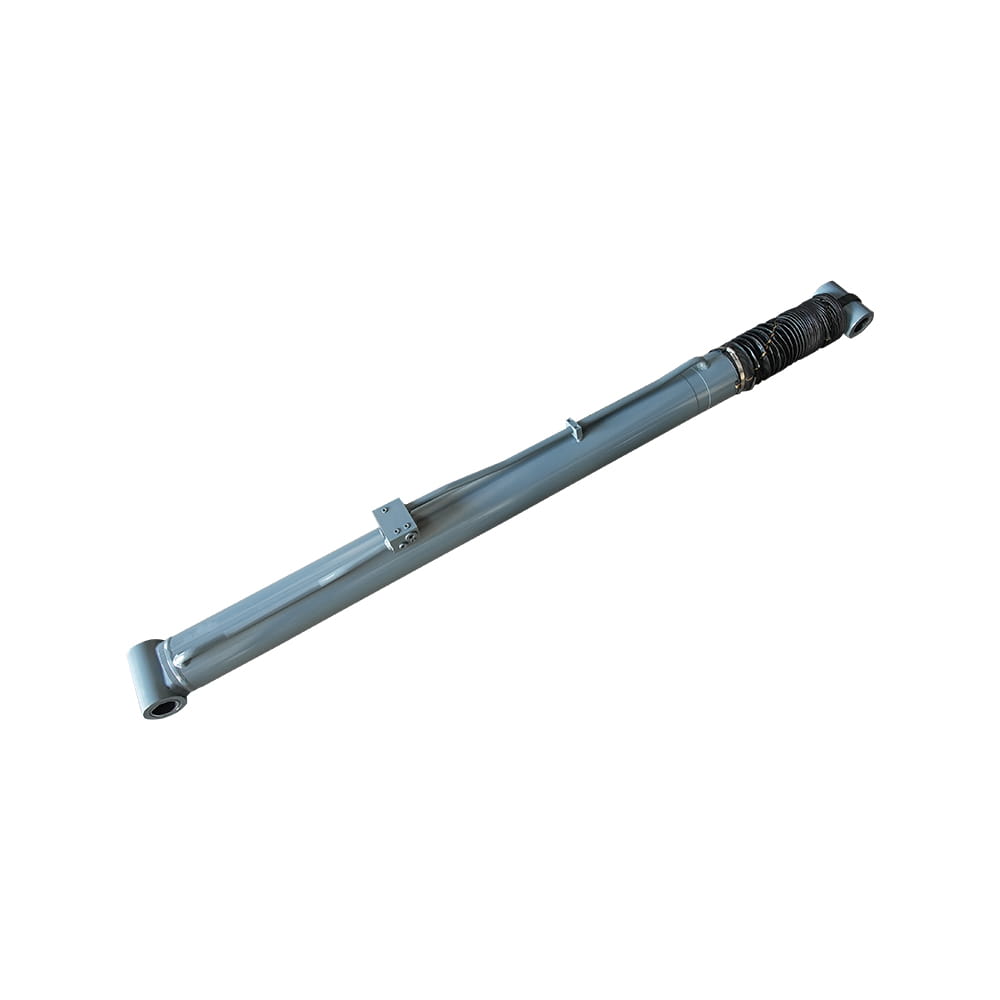 Boom Lift Aerial Platform Hydraulic Luffing Cylinder
Function: Adjust the angle of the telescopic arm to flexibly position the work platform at various heights and positions, meeting diverse aerial work requiremen...
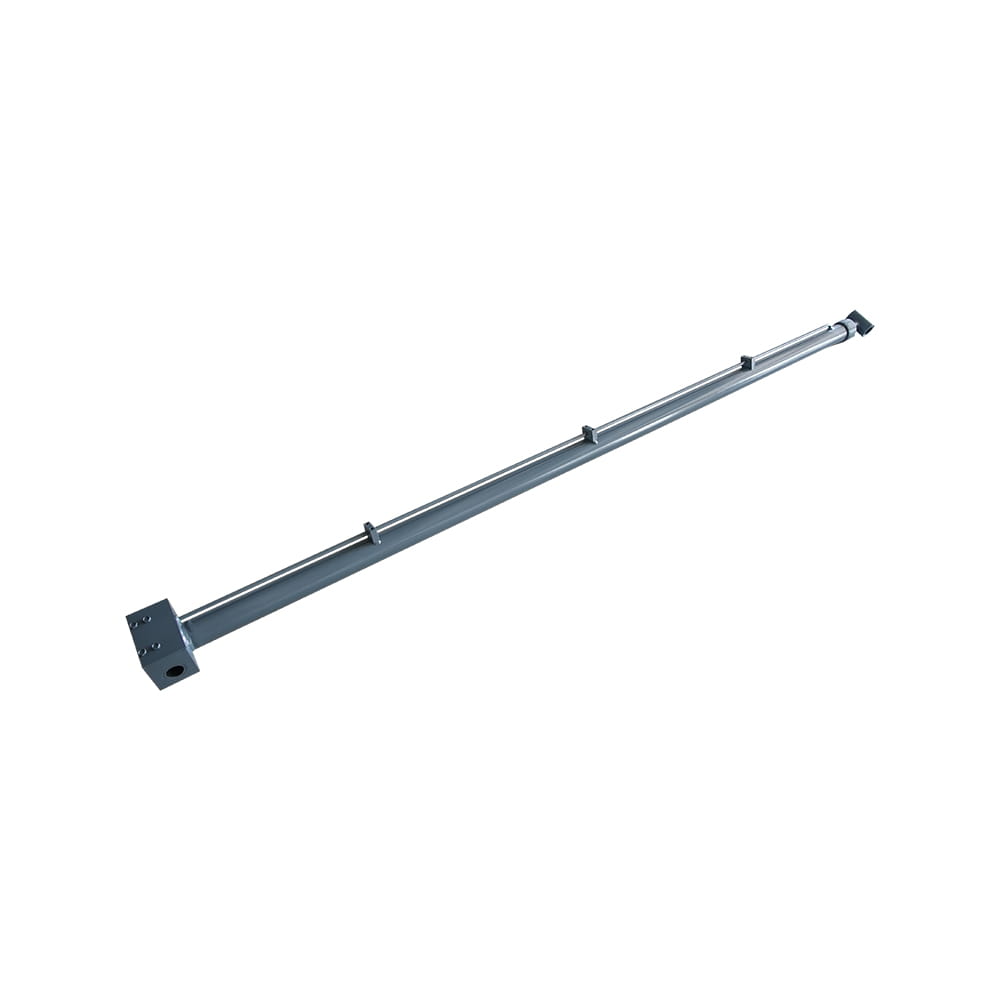 Boom Lift Aerial Platform Hydraulic Telescopic Cylinder
Function: Adjust the length of the arm to allow the aerial work platform to lift and move flexibly, ensuring range and height requirements.
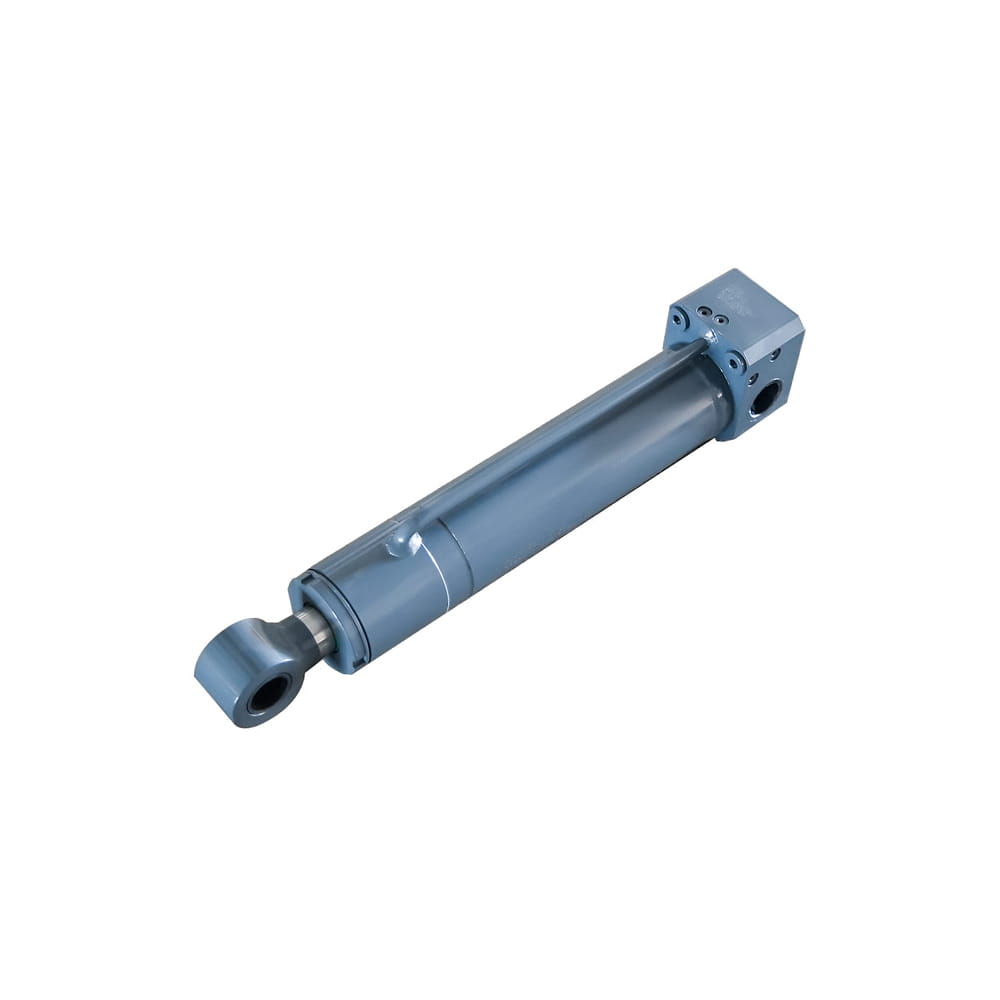 Boom Lift Aerial Platform Hydraulic Frame Leveling Cylinder
Function: Automatically adjust the chassis at the bottom of the platform to a level state, ensuring stable and wobble-free support in different terrains and wor...
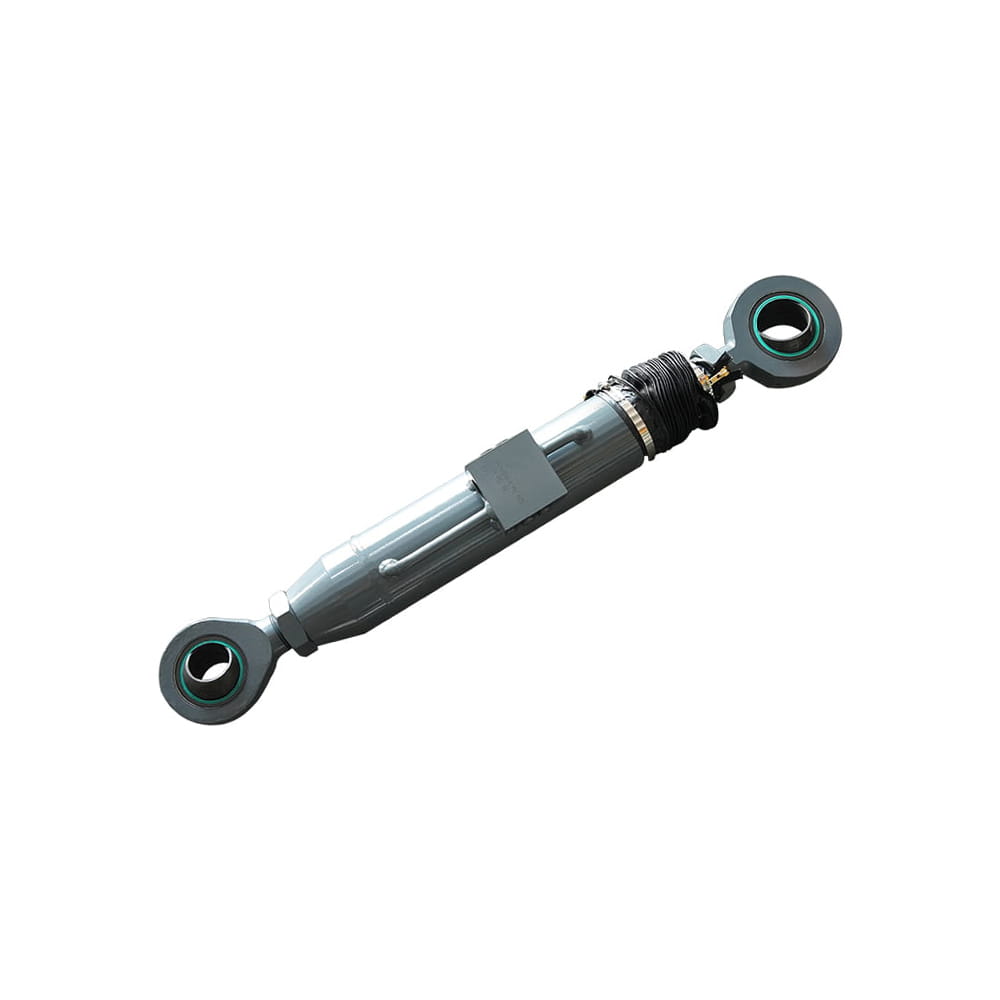 Boom Lift Aerial Platform Hydraulic Bridge Extension Cylinder
Function: An important design that enhances adaptability and working range. This function allows the platform to widen its chassis under specific conditions to ...
Copyright © by Zhejiang Huanfeng Machinery Co., Ltd. Rights Reserved.
