
 English
 中文简体
中文简体 русский
 Español
 Português
 عربى
عربىProduct Consultation
Your email address will not be published. Required fields are marked *
Content
Standard hydraulic cylinders are engineered for predictable industrial environments — fixed loads, controlled temperatures, and stable mounting points. Hydraulic cylinders for special vehicles operate under entirely different demands. They must perform reliably on uneven terrain, withstand vibration and shock loads, resist contamination from dust and water, and respond instantly to operator commands — all while bearing loads that can exceed hundreds of tons.
Special vehicles encompass a wide range: bridge inspection units, heavy-duty rescue platforms, military transport vehicles, tunnel boring support rigs, and aerial work platforms. Each category imposes unique mechanical requirements, but all share the need for cylinders that combine high load-bearing capacity, precision control, durability, and built-in safety features. The engineering challenge is to deliver all four simultaneously without compromising any single attribute.
Understanding how hydraulic cylinders perform in specific vehicle types reveals the depth of engineering involved. The following table summarizes the primary performance demands across the most common special vehicle categories:
| Vehicle Type | Primary Cylinder Function | Key Performance Requirement |
|---|---|---|
| Bridge Inspection Units | Telescopic arm extension | Precise telescopic movement, position repeatability |
| Heavy Rescue Platforms | Obstacle clearance lifting | Powerful lifting, high load-bearing capacity |
| Collision Buffer Vehicles | Impact energy absorption | Rapid response in collision buffering |
| Tunnel Support Rigs | Lateral and vertical bracing | Stable vehicle operation, sustained hold force |
| Aerial Work Platforms | Boom elevation and leveling | Safety, smooth load control |
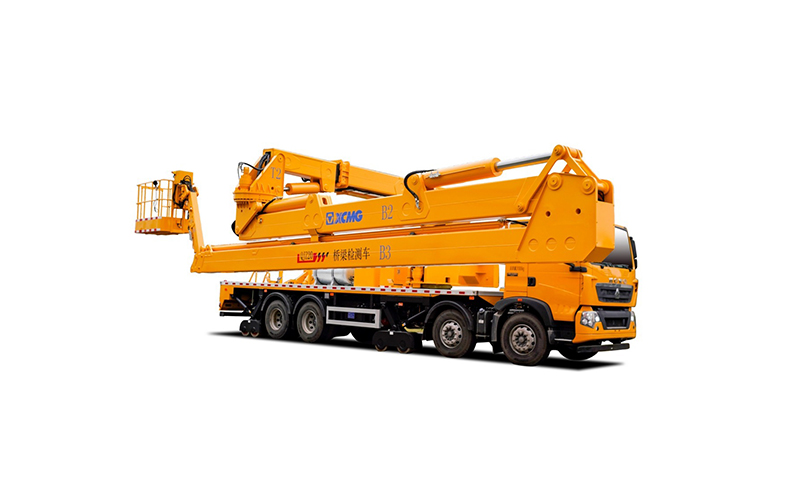
Bridge inspection vehicles depend on multi-stage telescopic hydraulic cylinders to extend inspection platforms beneath bridge decks and along support structures. The cylinder must deliver precise telescopic movement across extension ranges that can exceed 15 meters, while maintaining positional accuracy within millimeters. Any deviation compromises inspector safety and the quality of structural data collected.
These cylinders feature integrated position sensors and proportional control valves that modulate flow in real time, allowing operators to fine-tune arm position even under crosswind or uneven load distribution. Sealing systems are designed to handle prolonged static holds — sometimes for hours — without pressure drop or creep, which is a critical durability requirement unique to inspection operations.
The challenge of diverse and challenging conditions is acute here: bridge environments expose cylinders to salt air, humidity, UV radiation, and temperature extremes. Cylinder rods typically receive hard chrome or ceramic composite coatings with corrosion resistance ratings above 500 hours in salt spray testing to meet these operational demands.
Heavy rescue and recovery vehicles require hydraulic cylinders capable of powerful lifting for obstacle clearance — whether overturning wrecked trucks, clearing debris from accident scenes, or stabilizing collapsed structures. Cylinders in these applications routinely handle axial loads exceeding 200 kN, and must do so repeatedly across a single incident response.
Key design features for this category include:
Operational efficiency and safety in rescue scenarios are non-negotiable. A cylinder failure mid-lift can endanger both operators and victims. This is why rescue vehicle cylinders undergo proof pressure testing at 1.5× working pressure and fatigue cycle testing exceeding 250,000 full-load cycles before field deployment.
Highway maintenance and traffic management vehicles often carry rear-mounted collision buffer systems — energy-absorbing structures that protect both workers and motorists during rear-end impacts. The hydraulic cylinders within these systems must deliver rapid response in collision buffering, absorbing kinetic energy within milliseconds while limiting the deceleration force transmitted to the host vehicle.
This is an unusual application because the cylinder operates in a passive energy-absorption mode rather than a conventional actuated mode. Orifice-controlled hydraulic circuits dissipate impact energy as heat, while the cylinder rod retracts at a controlled rate governed by the flow restriction. The design must balance two competing demands: sufficient resistance to protect workers from minor impacts, and enough compliance to absorb high-energy collisions without transferring damaging forces to the vehicle frame.
After an impact event, the cylinder must also reset rapidly to restore the buffer to its protective position. Systems designed for high-frequency highway deployment typically achieve full reset in under 90 seconds, minimizing the window during which the vehicle lacks full collision protection.
Durability in hydraulic cylinders for special vehicles is not a single property but a combination of material choices, surface treatments, and seal technology working together. The most common points of failure in field conditions are rod seal degradation and rod surface corrosion — both of which are directly preventable through proper engineering.
Piston rods for special vehicle cylinders are typically manufactured from 42CrMo4 or equivalent medium-carbon alloy steel, heat treated to achieve tensile strengths of 900–1,100 MPa. Surfaces are ground to Ra 0.2–0.4 µm before coating. Hard chrome plating remains the industry standard for cost-performance balance, though thermal spray ceramic coatings are gaining adoption for applications requiring higher corrosion resistance or where environmental regulations restrict hexavalent chrome.
Seal packages are selected based on operating temperature range, fluid type, and cycle frequency. Polyurethane seals provide excellent wear resistance for high-cycle applications, while PTFE-based seals are preferred for low-friction precision control. Wiper seals are often doubled in environments with heavy contamination exposure, adding a secondary barrier against particulate ingress that accelerates seal and rod wear.
Safety in hydraulic cylinders for special vehicles extends beyond mechanical robustness. Modern cylinder assemblies integrate multiple active and passive safety systems that protect operators and bystanders under both normal and fault conditions:
These features collectively contribute to stable vehicle operation across all operating scenarios, ensuring that a single component failure does not cascade into a broader system failure with safety consequences.
The specialized vehicle industry continues to push hydraulic cylinder technology toward higher performance thresholds. Electro-hydraulic actuation systems now combine servo motors with hydraulic cylinders to achieve positioning accuracy below 0.1 mm while maintaining the force density advantages of hydraulics over purely electric systems. This convergence is particularly valuable in autonomous and semi-autonomous special vehicles, where precise movement control must be achieved without direct operator input.
Condition monitoring is another area of rapid development. Embedded pressure transducers and temperature sensors transmit real-time cylinder health data to fleet management platforms, enabling predictive maintenance that replaces time-based service intervals with condition-based interventions. Early detection of seal degradation or abnormal pressure signatures prevents in-field failures that would otherwise halt operations and create safety risks.
As special vehicles take on more demanding roles — from deep-sea infrastructure maintenance to high-altitude construction support — hydraulic cylinders will continue to serve as essential power components at the heart of their mechanical systems. The combination of high load-bearing capacity, precision control, durability, and safety that defines today's best cylinder designs will remain the engineering benchmark for the specialized vehicle industry for years to come.
Your email address will not be published. Required fields are marked *
Marvelous Design Meets Rigorous Manufacturing
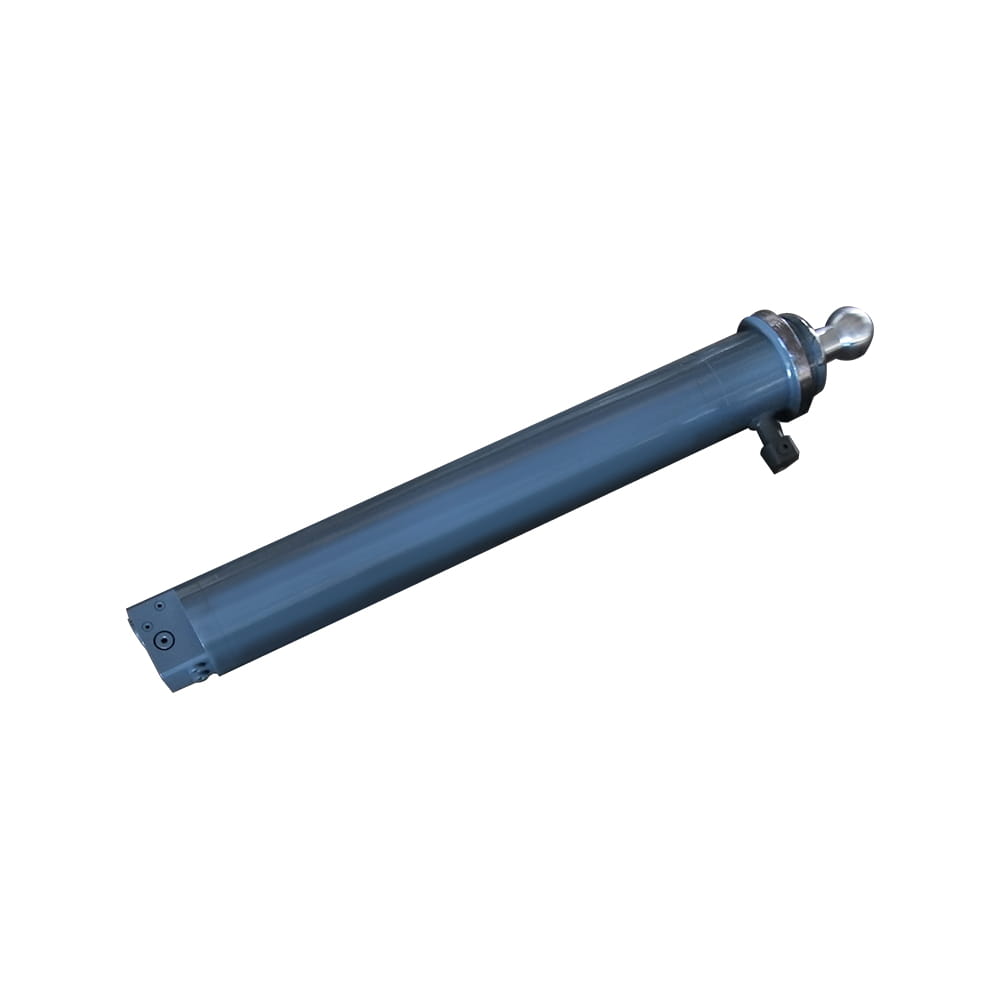 Scissor Lift Aerial Platform Hydraulic Outrigger Cylinder
Function: Firmly Supports the Vehicle: Ensures stability during operation. The ball-head foot automatically levels on slopes, while the integrated balance valve...
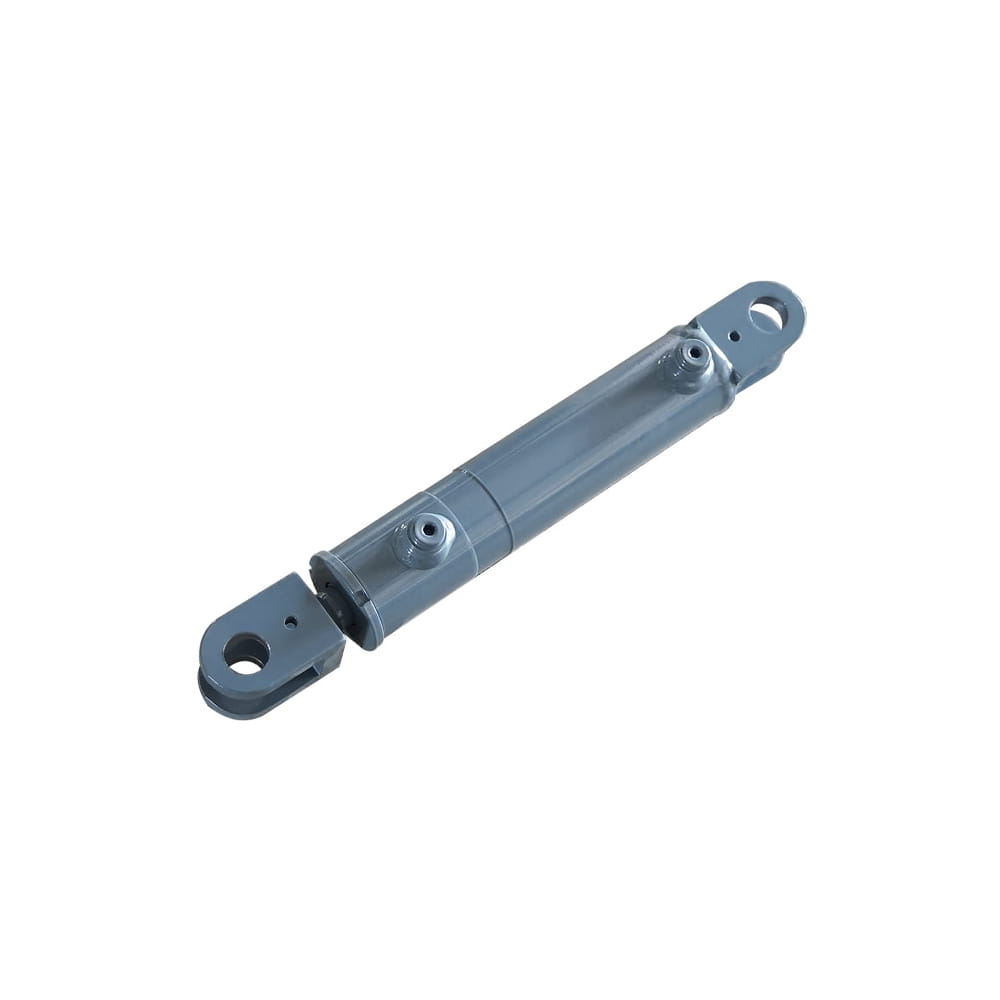 Scissor Lift Aerial Platform Hydraulic Steering Cylinder
Function: Connecting Chassis and Wheel Hub: Through hydraulic pressure, drives the piston rod to move, enabling precise wheel hub rotation. This ensures platfor...
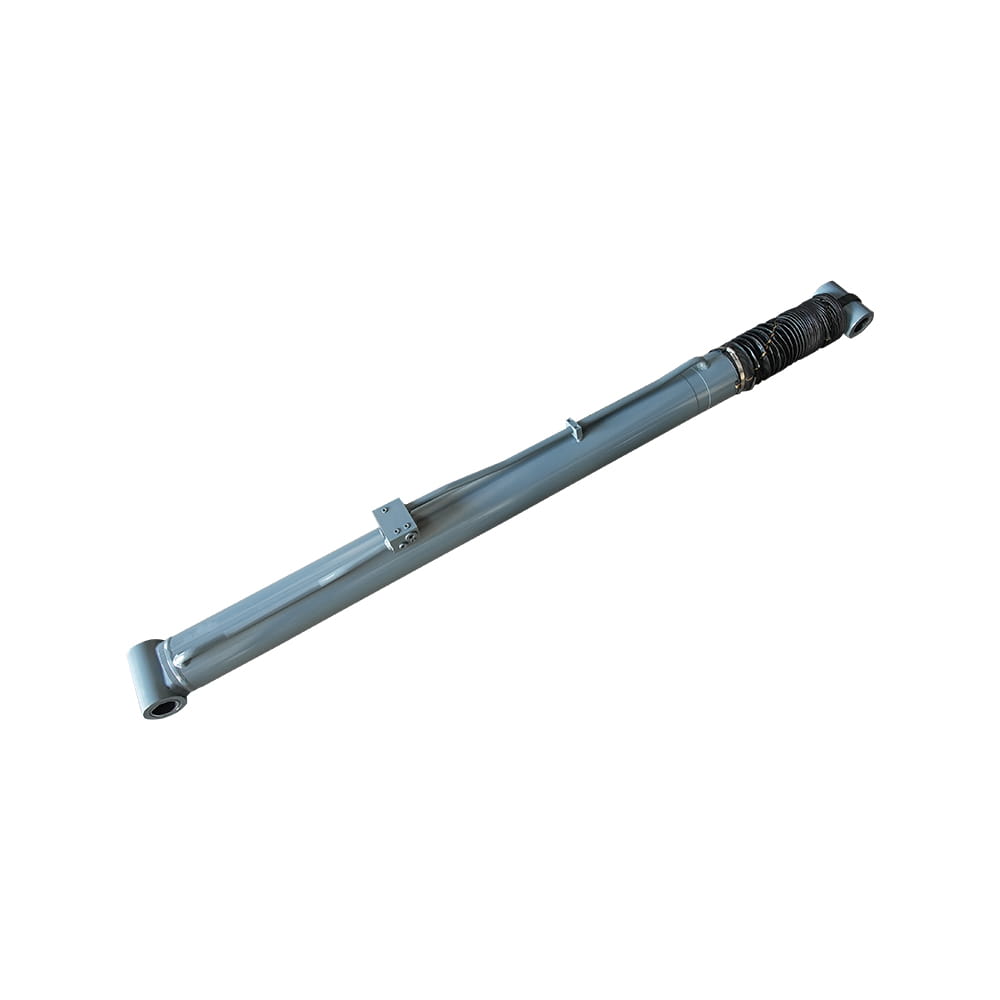 Boom Lift Aerial Platform Hydraulic Luffing Cylinder
Function: Adjust the angle of the telescopic arm to flexibly position the work platform at various heights and positions, meeting diverse aerial work requiremen...
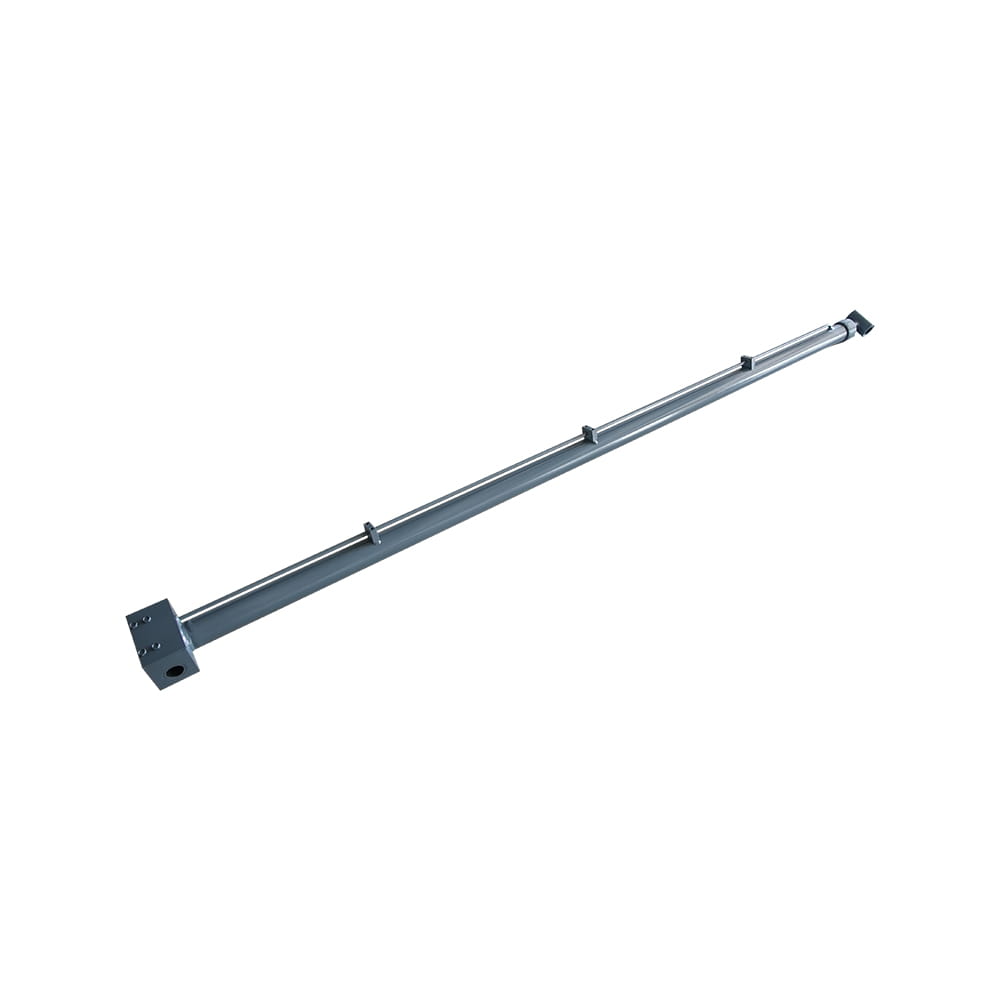 Boom Lift Aerial Platform Hydraulic Telescopic Cylinder
Function: Adjust the length of the arm to allow the aerial work platform to lift and move flexibly, ensuring range and height requirements.
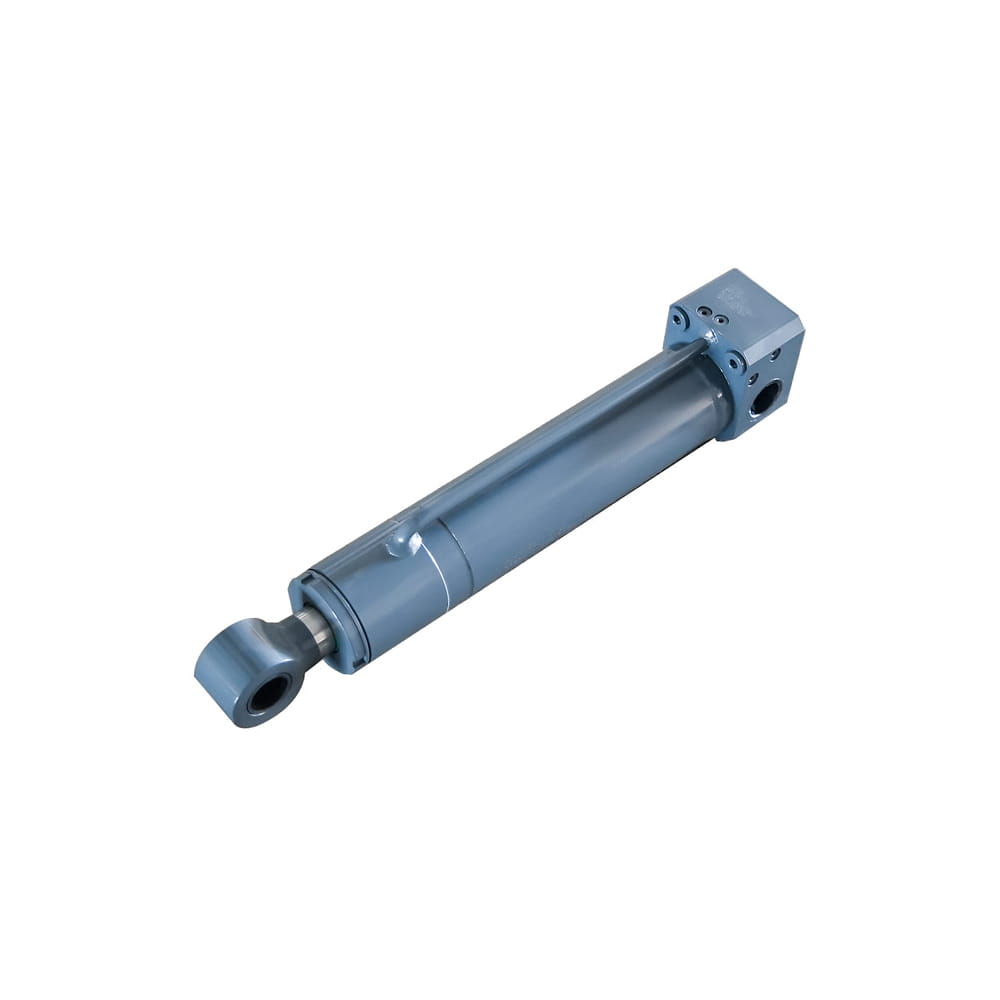 Boom Lift Aerial Platform Hydraulic Frame Leveling Cylinder
Function: Automatically adjust the chassis at the bottom of the platform to a level state, ensuring stable and wobble-free support in different terrains and wor...
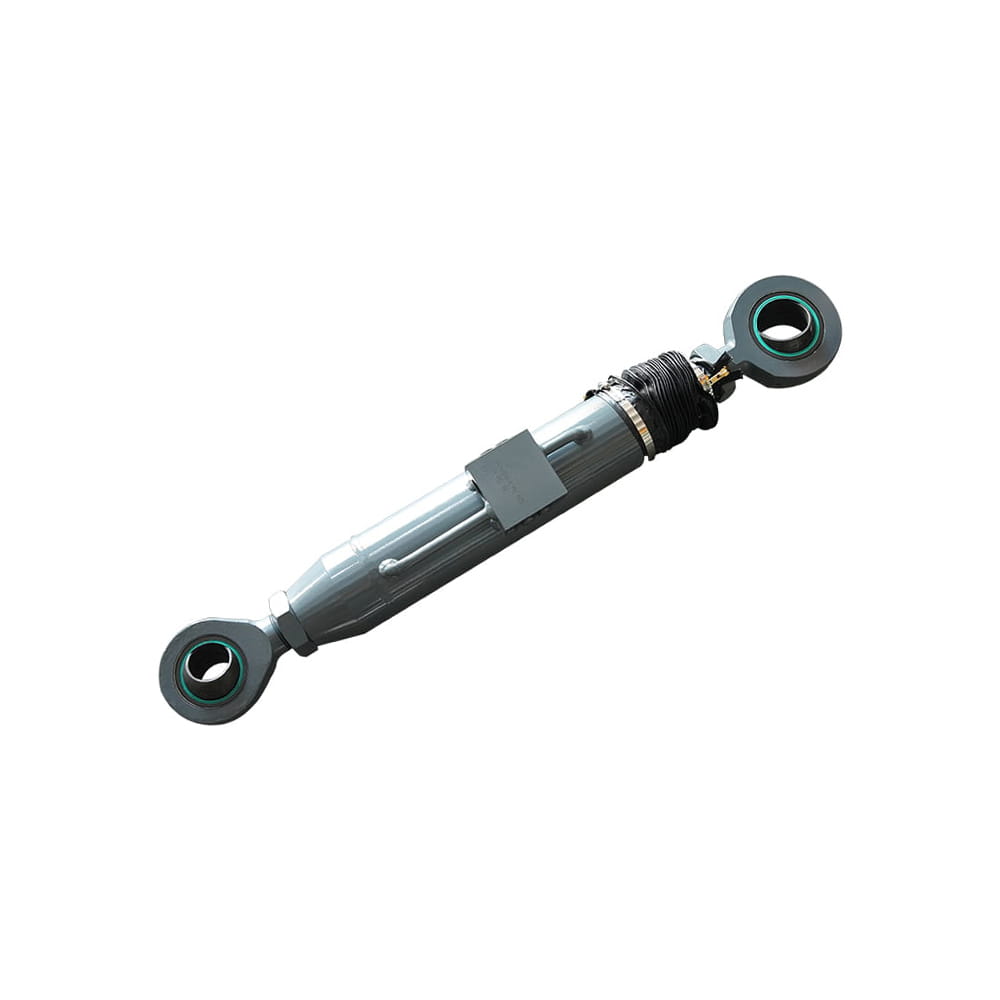 Boom Lift Aerial Platform Hydraulic Bridge Extension Cylinder
Function: An important design that enhances adaptability and working range. This function allows the platform to widen its chassis under specific conditions to ...
Copyright © by Zhejiang Huanfeng Machinery Co., Ltd. Rights Reserved.
