
 English
 中文简体
中文简体 русский
 Español
 Português
 عربى
عربىProduct Consultation
Your email address will not be published. Required fields are marked *
You are designing a hydraulic cylinder to lift a 12-ton load three meters in 15 seconds, and the mounting space is only 600 mm. The force calculation looks simple, but the real cylinder must survive side loads, temperature swings, seal wear, and a working environment that does not tolerate downtime. Hydraulic cylinder design is therefore not just a bore-size calculation. It is a systematic balance of force, speed, sealing, guidance, materials, and manufacturing quality.
Content
Before drawing any line, define the duty cycle. What force is needed in each direction of stroke? How fast should the cylinder move, how often, and under what environmental conditions? A crane cylinder that cycles a few times per hour is not designed like a scissor lift cylinder that cycles through the day. Load-holding requirements also change the design. A cylinder for an aerial work platform may need to keep a basket stable while people work from it, whereas a telescopic cylinder on a truck-mounted crane must manage the dynamic forces of lifting and swinging.
These differences lead to the first decision: single-acting or double-acting, welded or tie-rod, standard or telescopic. The cylinder type should be driven by the machine's function, not by a standard parts catalogue.
The design sequence usually starts with force. The theoretical force of a cylinder is F = P x A, where P is the working pressure and A is the effective piston area. For a double-acting cylinder, the rod side effective area is smaller because the rod occupies part of the bore, so the retraction force is lower than the extension force at the same pressure. Use realistic system pressure, and account for pressure losses through valves, hoses, and fittings.
Rod diameter is selected from column-buckling resistance and tensile strength. A long stroke with a small rod can buckle before it reaches full force. Mounting style also changes the load path: a lug-mounted cylinder reacts to side loads differently than a clevis- or trunnion-mounted cylinder. The following input checklist is useful in the first design review.
| Parameter | Why it matters | Typical question to ask |
|---|---|---|
| Working pressure | Sets the piston area needed for a given force | What is the maximum system pressure available? |
| Required force | Determines bore size once pressure is fixed | Is the force required in both directions? |
| Stroke length | Affects cylinder length and buckling risk | Is the rod supported during full extension? |
| Mounting style | Changes side-load sensitivity and envelope | Will the mount allow alignment without binding? |
| Duty cycle | Influences seal and bearing wear | How many cycles per hour and hours per day? |
| Environmental conditions | Drives material, seal, and surface treatment selection | Is the cylinder exposed to salt, dust, rain, or extreme temperatures? |
After choosing bore and rod, check the tube wall thickness and the rod surface treatment. Hard-chrome plated rod with controlled surface finish reduces seal wear, while honed tube keeps the piston moving smoothly.
Seals are the most maintenance-critical components in a hydraulic cylinder. A well-designed cylinder keeps seal groove dimensions, chamfers, and surface roughness within the seal manufacturer's tolerances. The rod and bore surfaces need the correct roughness range; too rough will abrade the seals, while too smooth can starve the oil film and increase friction. Guide rings support side loads and keep the rod and piston concentric. Guide ring material selection depends on load, speed, temperature, and the risk of edge loading.
In high-pressure designs, extrusion gaps matter. The cylinder structure must resist radial expansion at the head and piston, otherwise the seal gets squeezed into the gap and fails quickly. This is why pressure rating, wall thickness, and seal design are reviewed together rather than separately.
Different machines create very different demands. The cylinder design should be organized around the application, not around a generic catalogue. The following points are a useful starting point in a design review:
Take cranes as an example. A truck-mounted crane luffing cylinder carries a high bending moment at the boom pivot. The rod must resist buckling at maximum load, and the cylinder often works together with counterbalance valves to hold the boom when the pump is off. A well-proven design can be seen in a truck-mounted crane luffing cylinder built specifically for that type of load path.
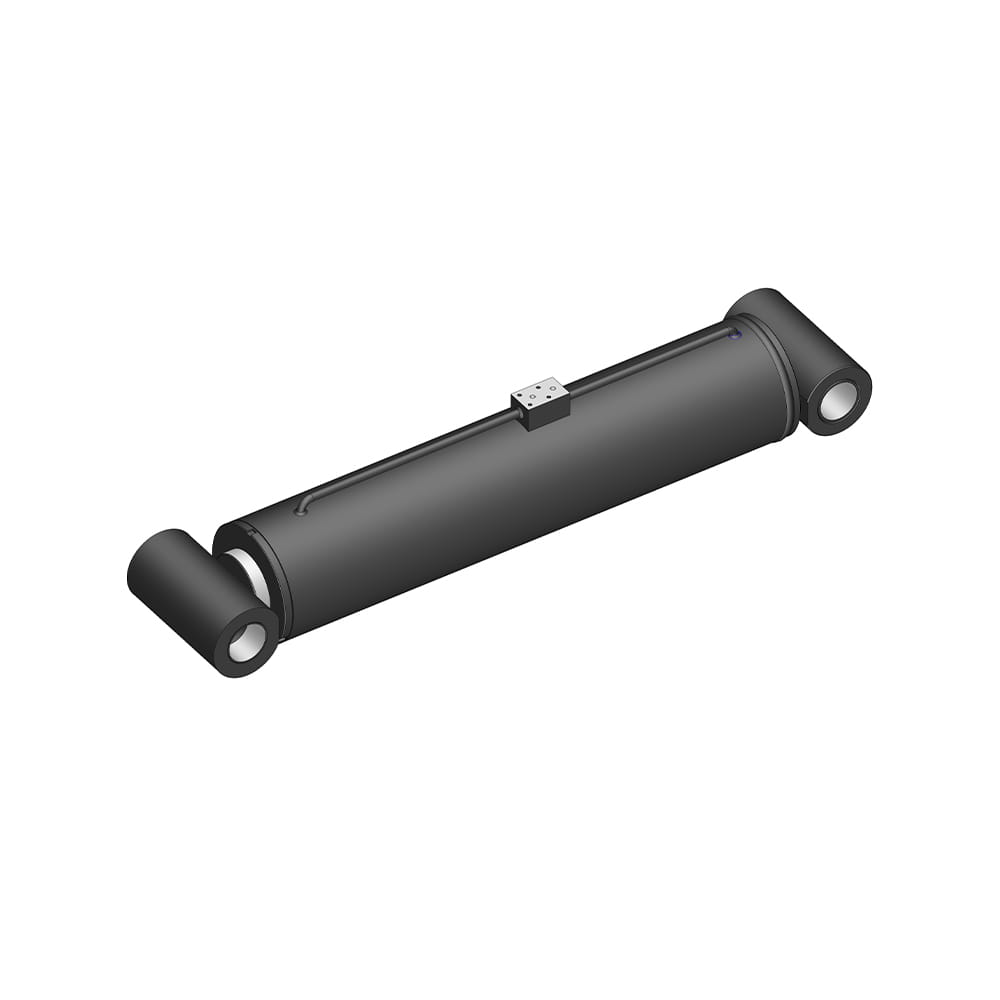 Custom Truck-Mounted Crane Hydraulic Luffing Cylinder Suppliers, Factory - ZhejiZhejiang Huanfeng Machinery Co., Ltd is China Custom Truck-Mounted Crane Hydraulic Luffing Cylinder Suppliers and factory, Cylinder di...View Product →
Aerial work platforms add another layer of safety and precision. The cylinder must position the boom smoothly, hold the basket level, and resist unintended motion. This is especially relevant when the machine has both main boom and small-arm movements. If you want more detail on how boom and scissor lift geometries change the cylinder design, read this analysis of hydraulic cylinder design considerations for boom lifts and scissor lifts.
For a boom lift, a telescopic cylinder provides multi-stage extension in a short retracted length. The stages must maintain stiffness and alignment at every overlap. A boom lift aerial platform hydraulic telescopic cylinder, for example, has to control internal friction and seal wear across long strokes.
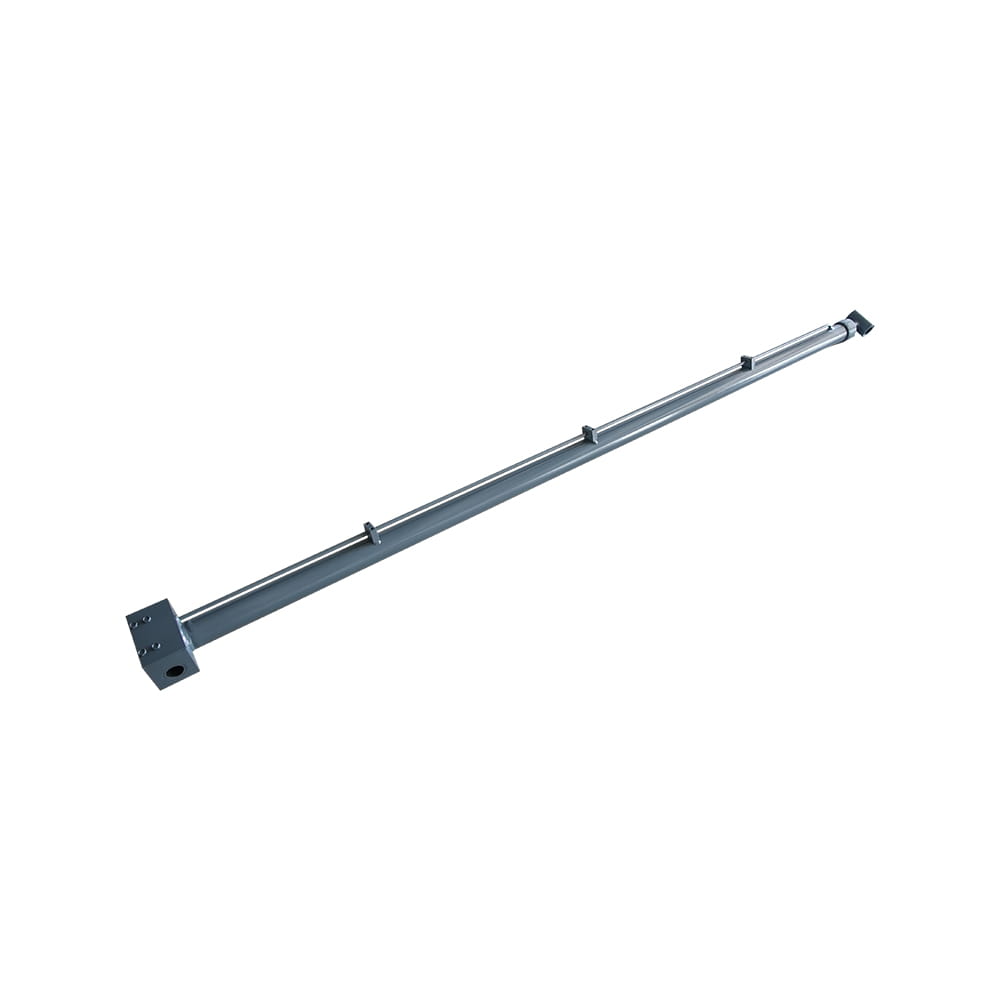 Custom Boom Lift Aerial Platform Hydraulic Telescopic Cylinder Suppliers, FactorZhejiang Huanfeng Machinery Co., Ltd is China Custom Boom Lift Aerial Platform Hydraulic Telescopic Cylinder Suppliers and factory, Cy...View Product →
Scissor lifts test a different part of the design. The lifting cylinder is often mounted at a low angle, which creates side load on the piston and rod at the start of the stroke. Wide guide bands and a robust piston-to-rod connection are necessary. A well-engineered scissor lift lifting cylinder is designed to manage that side load over the entire stroke.
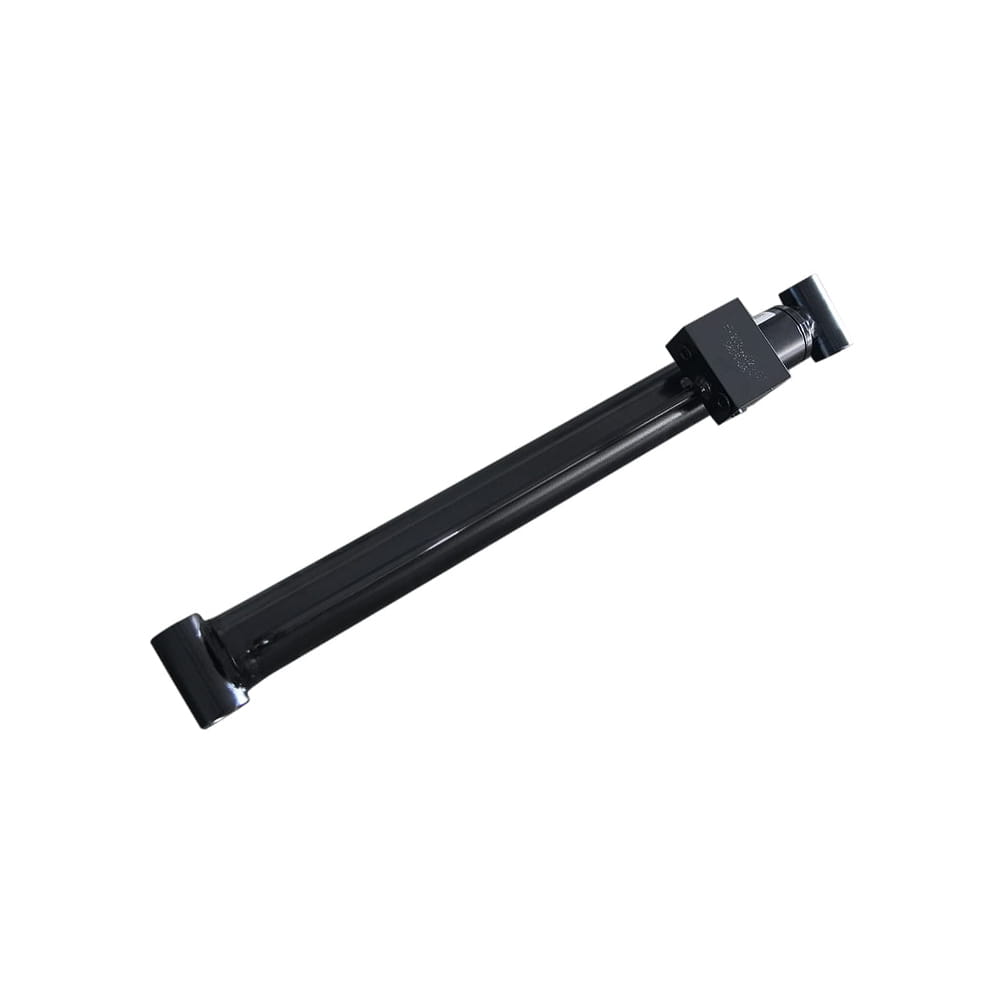 Custom Scissor Lift Aerial Platform Hydraulic Lifting Cylinder Suppliers, FactorZhejiang Huanfeng Machinery Co., Ltd is China Custom Scissor Lift Aerial Platform Hydraulic Lifting Cylinder Suppliers and factory, Cy...View Product →
A design is only valid after it has survived the real duty cycle. Static testing at 1.5 times working pressure proves structural strength, but it does not prove sealing durability. The cylinder also needs full-stroke cycling, leak checks, temperature monitoring, and a close look at rod surface condition after testing. For custom cylinders, prototype installation on the actual machine is the most reliable validation because alignment, mounting, and control behavior are tested in real conditions.
Alignment issues are common in mobile equipment. If the cylinder is installed with a slight angular offset, guide rings and seals wear faster. A design review should therefore include the full mounting geometry, not only the cylinder itself.
Hydraulic cylinder design rarely works in isolation. The cylinder must match the machine, the control system, and the operating environment. A practical path is to define the duty cycle clearly, calculate the bore and rod, verify the seal and guidance system, and then work with a manufacturer who can machine, assemble, and test the cylinder according to those decisions. Working with an experienced hydraulic cylinder manufacturer can resolve the gap between theoretical calculations and long-term reliability in the field.
Your email address will not be published. Required fields are marked *
Marvelous Design Meets Rigorous Manufacturing
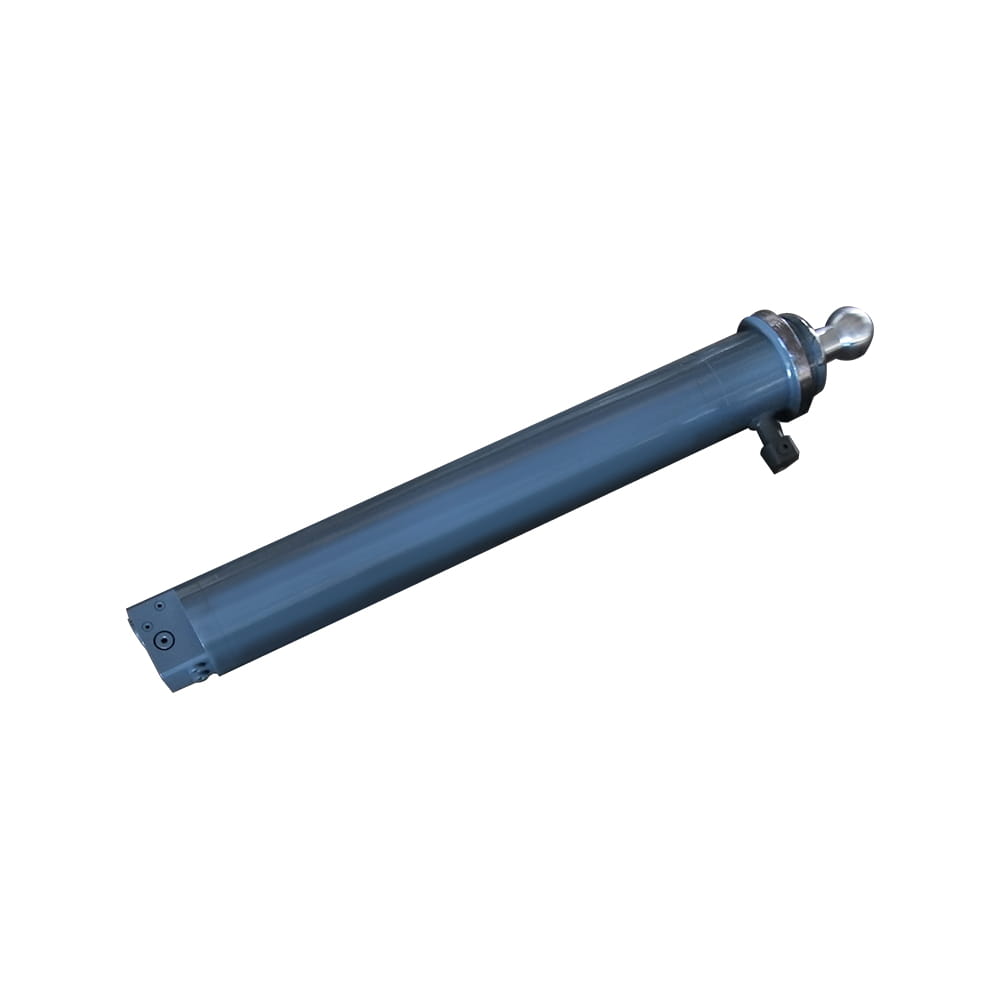 Scissor Lift Aerial Platform Hydraulic Outrigger Cylinder
Function: Firmly Supports the Vehicle: Ensures stability during operation. The ball-head foot automatically levels on slopes, while the integrated balance valve...
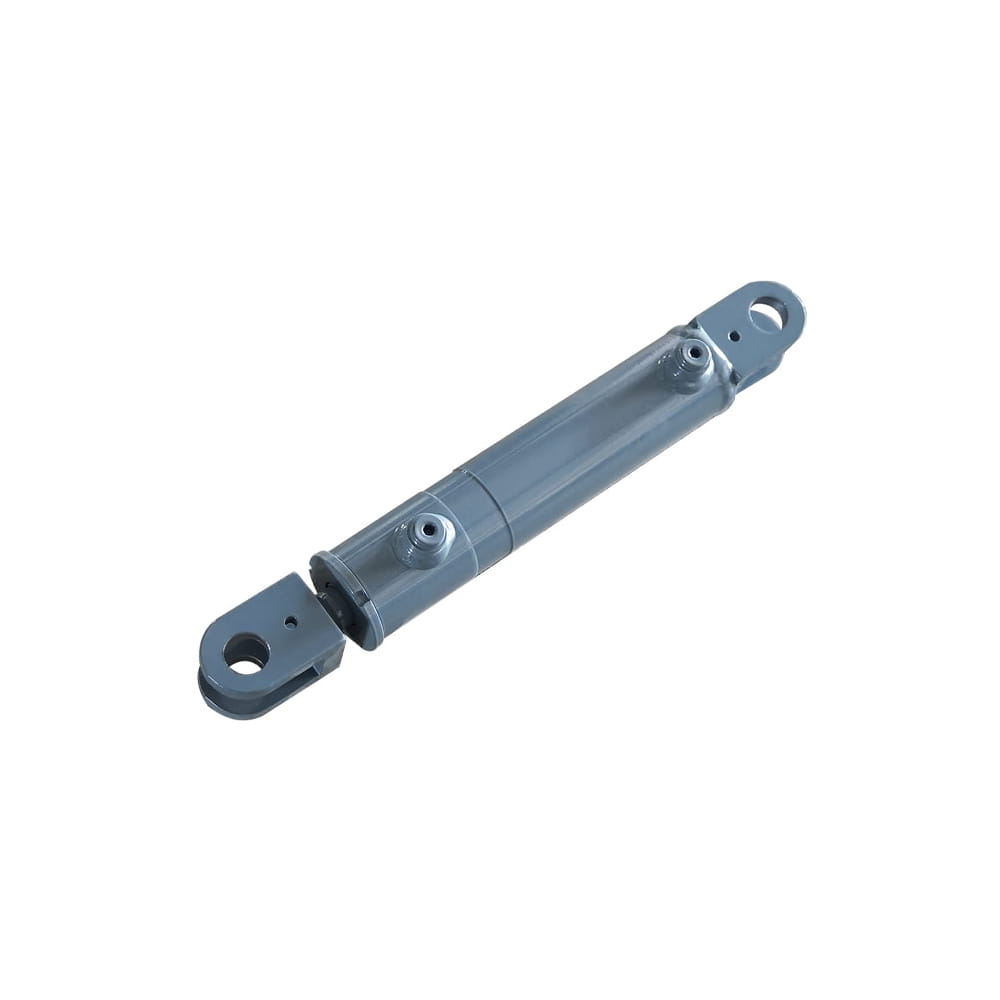 Scissor Lift Aerial Platform Hydraulic Steering Cylinder
Function: Connecting Chassis and Wheel Hub: Through hydraulic pressure, drives the piston rod to move, enabling precise wheel hub rotation. This ensures platfor...
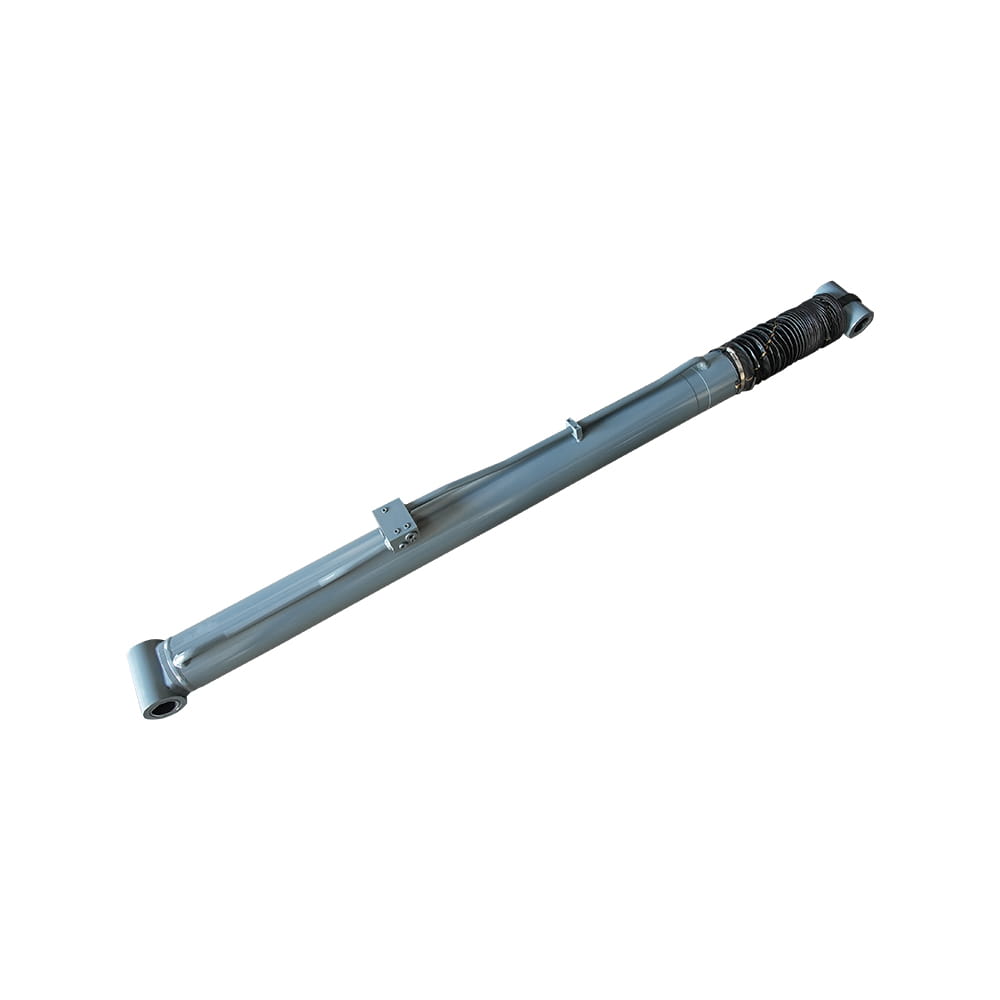 Boom Lift Aerial Platform Hydraulic Luffing Cylinder
Function: Adjust the angle of the telescopic arm to flexibly position the work platform at various heights and positions, meeting diverse aerial work requiremen...
 Boom Lift Aerial Platform Hydraulic Telescopic Cylinder
Function: Adjust the length of the arm to allow the aerial work platform to lift and move flexibly, ensuring range and height requirements.
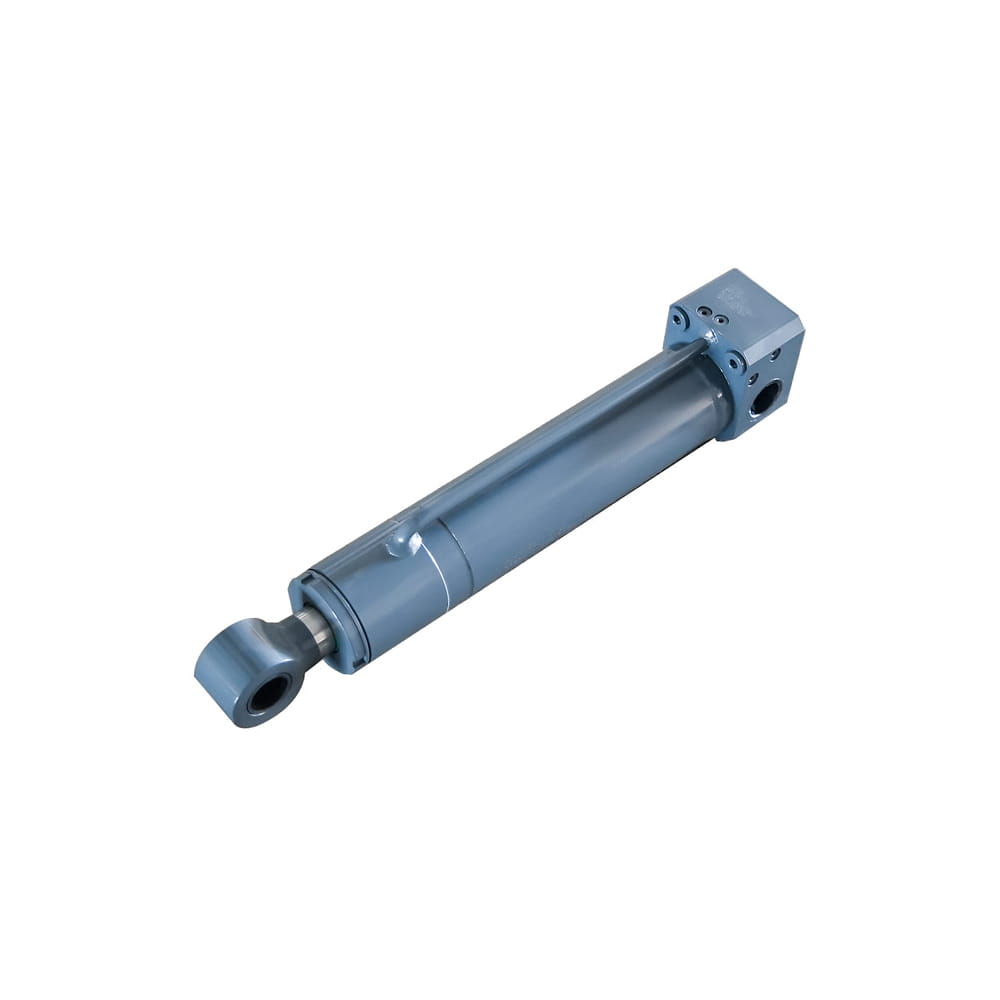 Boom Lift Aerial Platform Hydraulic Frame Leveling Cylinder
Function: Automatically adjust the chassis at the bottom of the platform to a level state, ensuring stable and wobble-free support in different terrains and wor...
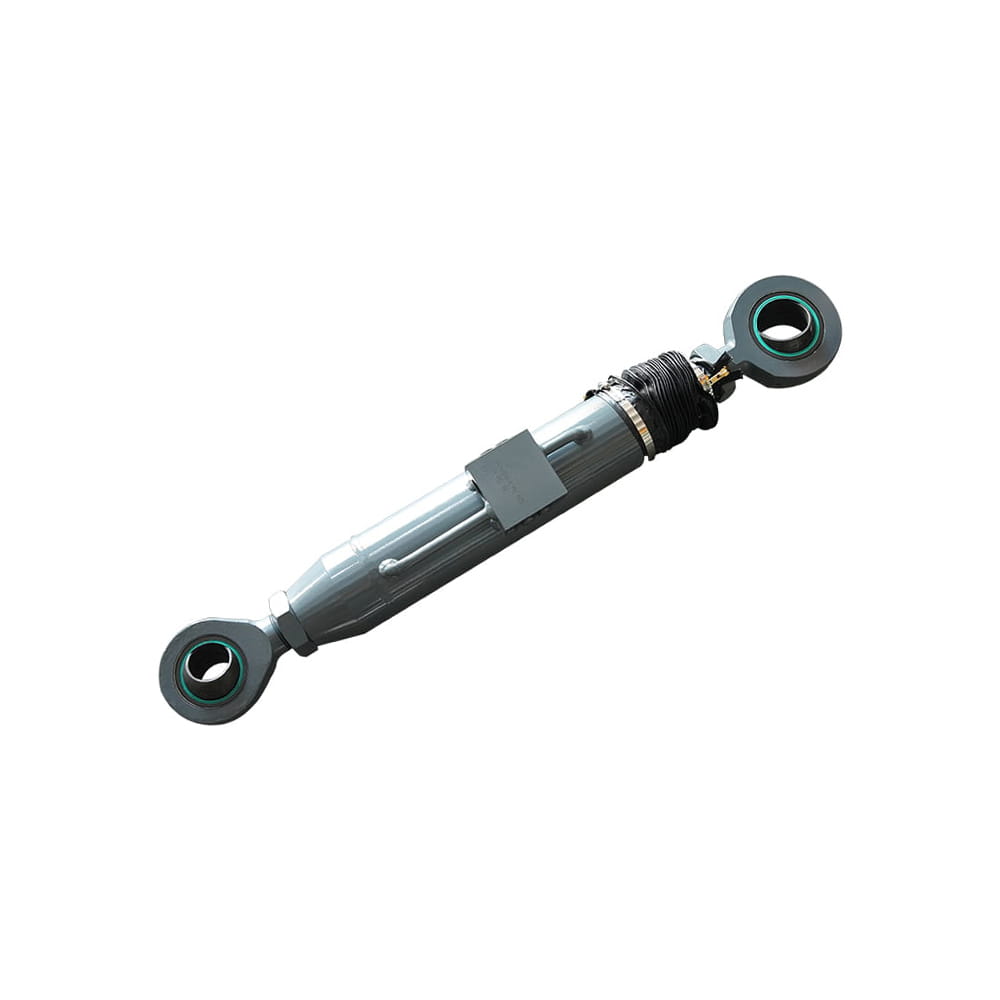 Boom Lift Aerial Platform Hydraulic Bridge Extension Cylinder
Function: An important design that enhances adaptability and working range. This function allows the platform to widen its chassis under specific conditions to ...
Copyright © by Zhejiang Huanfeng Machinery Co., Ltd. Rights Reserved.
