
 English
 中文简体
中文简体 русский
 Español
 Português
 عربى
عربىProduct Consultation
Your email address will not be published. Required fields are marked *
A rotary drilling rig stalled at 30 meters of depth with a leaking rod seal costs a construction site far more than the price of the part that failed. That single point of failure is usually the same component: the hydraulic cylinder for rotary drilling rigs that supplies crowd force, luffs the mast, or levels the machine on uneven ground. For fleet owners and OEM buyers, understanding how these cylinders are specified and tested is the difference between a rig that runs a full season without downtime and one that doesn't.
Core Conclusion
For rotary drilling rigs operating in the 25–40MPa working pressure range typical of mid-to-large piling machines, specifying a crowd cylinder built with 45# forged steel or 40Cr alloy rod, chrome plating between 20–50 microns, and polyurethane rod seals rated for high-frequency reciprocation reduces seal-related downtime substantially compared with standard construction-machinery cylinders — and the added machining and materials cost is typically recovered within the first one to two drilling seasons through fewer field failures.
Content
A drilling rig cylinder doesn't just extend and retract like a typical excavator boom cylinder — it works under sustained axial crowd force while the kelly bar rotates and the drill bit encounters unpredictable resistance from soil, clay, or rock. That combination of high cyclic loading, side-load exposure, and contamination risk from drilling fluid demands a different design approach than general construction hydraulics.
High-Pressure Rating
Working pressures commonly span 25–40MPa, with heavy-class rigs specifying cylinders rated up to 60MPa for maximum crowd force in hard strata.
Chrome-Plated Rod Surface
A hard chrome layer of 20–50 microns on a precision-ground rod resists the abrasive drilling-fluid environment and reduces seal wear over repeated strokes.
Honed Barrel Precision
Internal bore honing to a tight surface roughness controls seal friction and prevents premature internal leakage under sustained pressure cycling.
Side-Load Tolerant Design
Reinforced guide bands and bearing rings accommodate the lateral forces generated when the kelly bar meets uneven ground resistance.
A rotary drilling rig uses several distinct cylinder types, each with a different specification profile. Confusing one for another during procurement is a common and costly mistake.
Pressure and material ranges are directional, based on commonly specified parameters across mid-to-large rotary drilling rig platforms; final specification depends on rig tonnage and drilling class.
A cylinder's pressure rating on a spec sheet doesn't tell you how long it will actually seal under real drilling conditions. The metric that matters is how seal integrity degrades across pressure cycles — and this is where chrome plating quality and honing precision make a measurable difference.
50k cycles
150k cycles
300k cycles
500k cycles
Illustrative seal integrity retention (% of rated sealing performance) across pressure cycles, based on commonly reported comparisons between precision-specified and standard-grade hydraulic cylinders.
The divergence becomes significant past 150,000 cycles — roughly the point a busy rig reaches within a single active drilling season. This is precisely why buyers specifying a hydraulic cylinder for rotary drilling rigs should treat chrome plating thickness and bore honing as functional specifications, not cosmetic details.
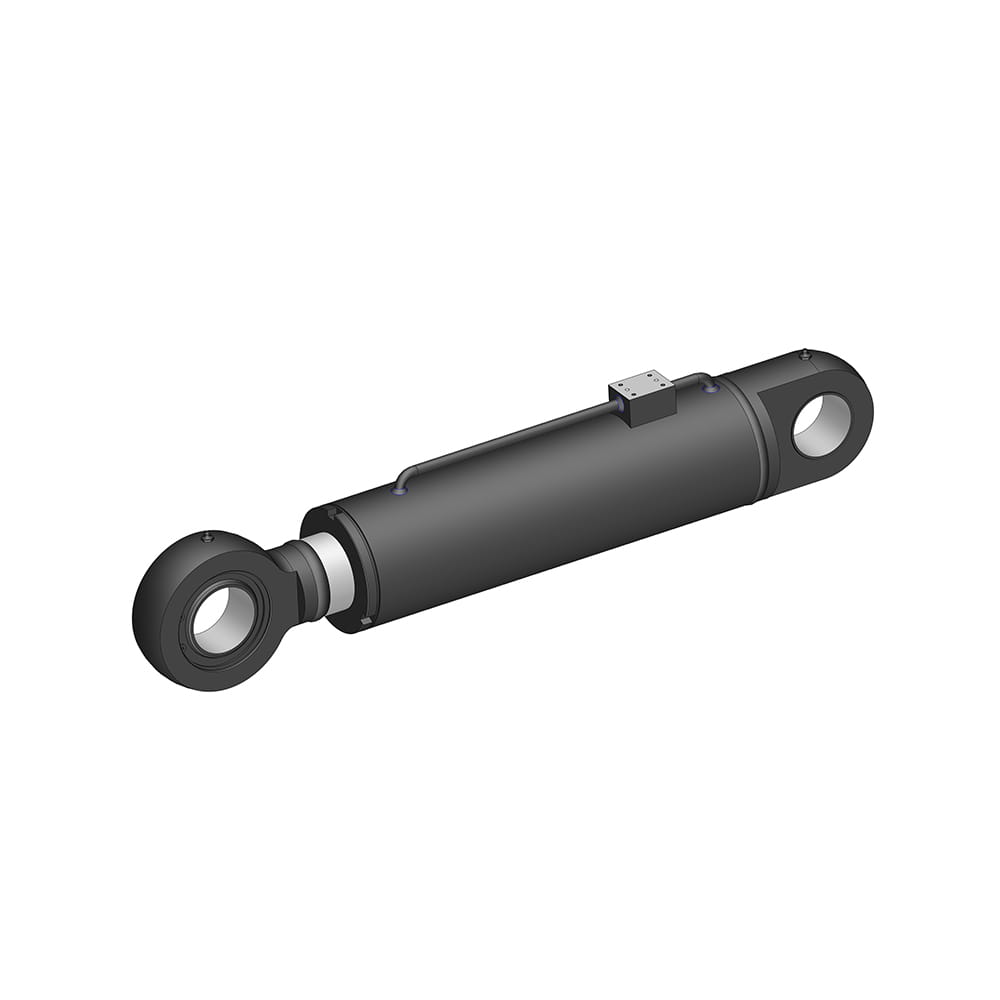
Not every drilling rig application places the same demand on its hydraulic system. Understanding where cylinder replacement volume concentrates helps buyers benchmark their own maintenance and spare-parts planning.
High-rise and general infrastructure work remains the largest demand driver simply due to sheer piling volume, but renewable energy foundation work — particularly onshore wind turbine bases requiring large-diameter, deep boreholes — is one of the fastest-growing segments pushing demand toward higher-tonnage rigs and correspondingly larger-bore crowd cylinders.
Specifying a replacement or OEM cylinder correctly follows a clear qualification sequence that experienced piling equipment buyers use to avoid fitment and performance surprises.
Step 1 — Rig Data Collection
Record rig model, cylinder position, bore/rod diameter, stroke length, and rated working pressure from the original nameplate or drawing.
Step 2 — Material & Test Certification
Request rod material certification, chrome plating thickness data, and a 100% pressure-test report for the specific unit before approving fabrication.
Step 3 — Trial Installation
Install on one rig and monitor for leakage, rod runout, and seal performance across an initial drilling cycle before scaling to fleet-wide replacement.
Step 4 — Fleet Standardization
Lock lead time, spare-parts kit availability, and inspection terms, then standardize the specification across the full rig fleet.
A generic construction-machinery cylinder can undercut a purpose-built drilling rig cylinder by 20–30% on quoted price. But once a piling contractor factors in the day-rate cost of an idle rig, the labor to pull and reseal a cylinder on site, and the schedule penalty for a delayed foundation pour, the calculation shifts decisively. Fleet owners who standardize on precision-honed, correctly rated cylinders for their crowd and luffing functions consistently report fewer mid-season field failures, which is where the higher upfront specification pays for itself.
Reliable field performance depends as much on documentation and maintenance discipline as it does on the cylinder's own build quality. Buyers and fleet maintenance teams should confirm the following:
Storage matters too: spare cylinders should be kept with rod ends protected and stored horizontally to prevent seal set and corrosion before installation.
Most mid-to-large rotary drilling rigs operate crowd cylinders in the 25–40MPa range, with some heavy-class rigs specifying components rated up to 60MPa for maximum drilling force in hard or rocky strata.
A chrome layer of 20–50 microns is common, with the higher end of that range preferred for rigs operating in abrasive or corrosive drilling-fluid environments where rod wear resistance is a priority.
A crowd cylinder applies the downward drilling force through the kelly bar and works under continuous, high-frequency loading. A luffing cylinder raises and angles the mast and operates far less frequently, with a lower typical pressure rating.
40Cr alloy steel with induction hardening is commonly specified for crowd cylinders due to its combination of core toughness and surface hardness under repeated cyclic loading, while 45# forged steel is typically sufficient for lower-frequency cylinders such as luffing and leveling units.
Seal condition should be checked as part of routine maintenance intervals alongside hydraulic fluid and filter checks, since drilling fluid contamination is one of the most common causes of accelerated seal wear on active rigs.
At minimum, request ISO 9001 quality management certification along with a 100% individual-unit pressure-test report, material certification for the rod and barrel, and documented plating and honing specifications.
Yes. Since drilling rig cylinders vary significantly by rig model and tonnage class, most orders are built to custom bore, stroke, and mounting specifications based on the original rig drawing or nameplate data rather than off-the-shelf stock sizes.
For rigs running continuous drilling cycles, yes. The reduced field failure rate from precision honing and adequate chrome plating typically offsets the higher upfront cost within the first one to two drilling seasons through fewer downtime events and lower seal-replacement frequency.
Choosing the right hydraulic cylinder for rotary drilling rigs comes down to matching pressure rating, rod material, and seal specification to the actual duty cycle of each cylinder position on the machine — crowd, luffing, or leveling. Buyers who request material certification, plating and honing data, and full pressure-test reports consistently see fewer field failures and lower total cost of ownership across their rig fleet.
Zhejiang Huanfeng Machinery Co., Ltd. manufactures precision hydraulic cylinders for rotary drilling rigs and piling equipment, built to custom rig specifications with full material and pressure-test documentation.
Request Cylinder Drawings & Test ReportsYour email address will not be published. Required fields are marked *
Marvelous Design Meets Rigorous Manufacturing
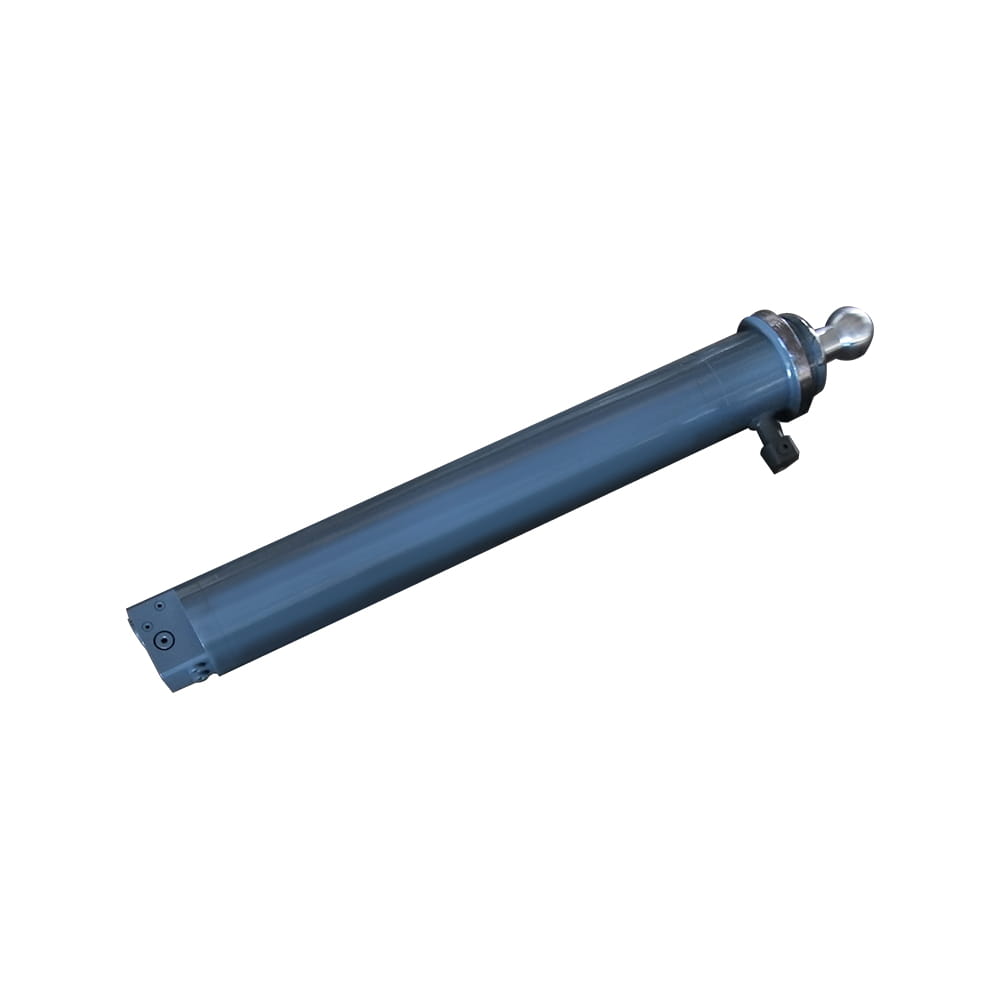 Scissor Lift Aerial Platform Hydraulic Outrigger Cylinder
Function: Firmly Supports the Vehicle: Ensures stability during operation. The ball-head foot automatically levels on slopes, while the integrated balance valve...
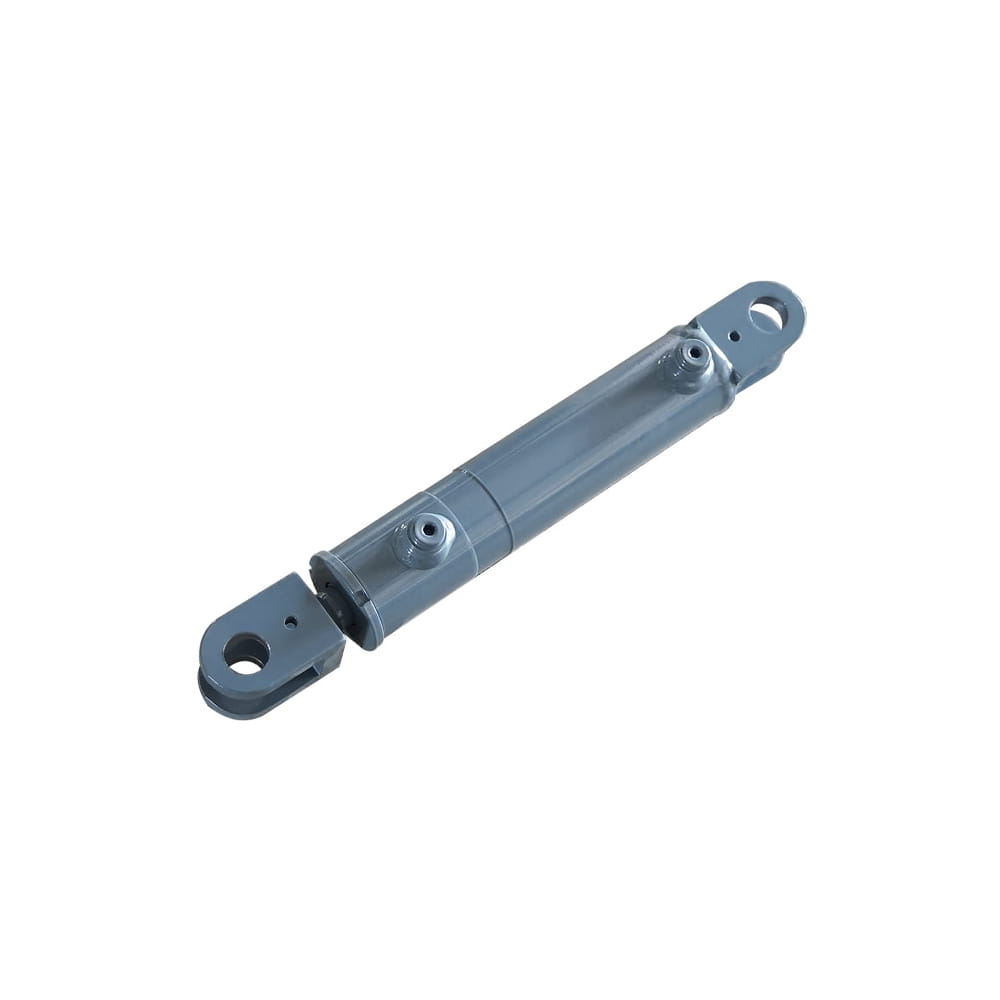 Scissor Lift Aerial Platform Hydraulic Steering Cylinder
Function: Connecting Chassis and Wheel Hub: Through hydraulic pressure, drives the piston rod to move, enabling precise wheel hub rotation. This ensures platfor...
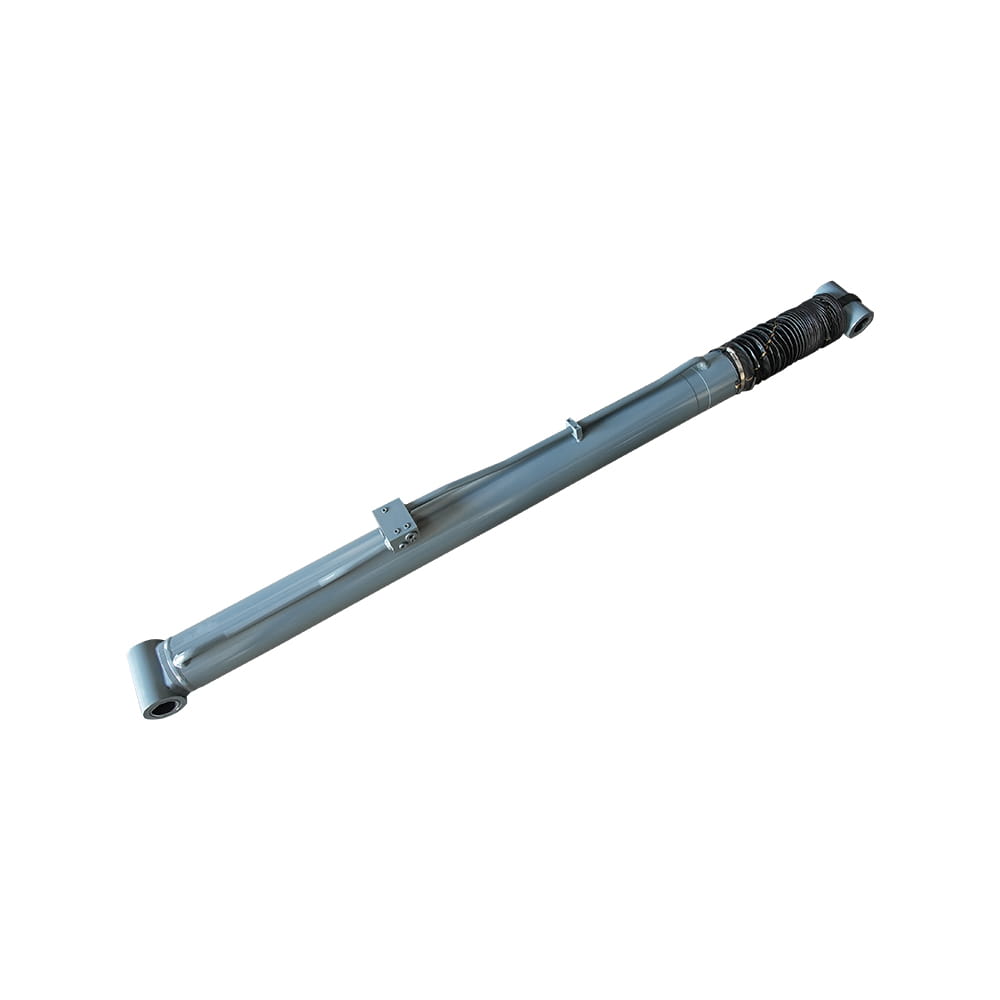 Boom Lift Aerial Platform Hydraulic Luffing Cylinder
Function: Adjust the angle of the telescopic arm to flexibly position the work platform at various heights and positions, meeting diverse aerial work requiremen...
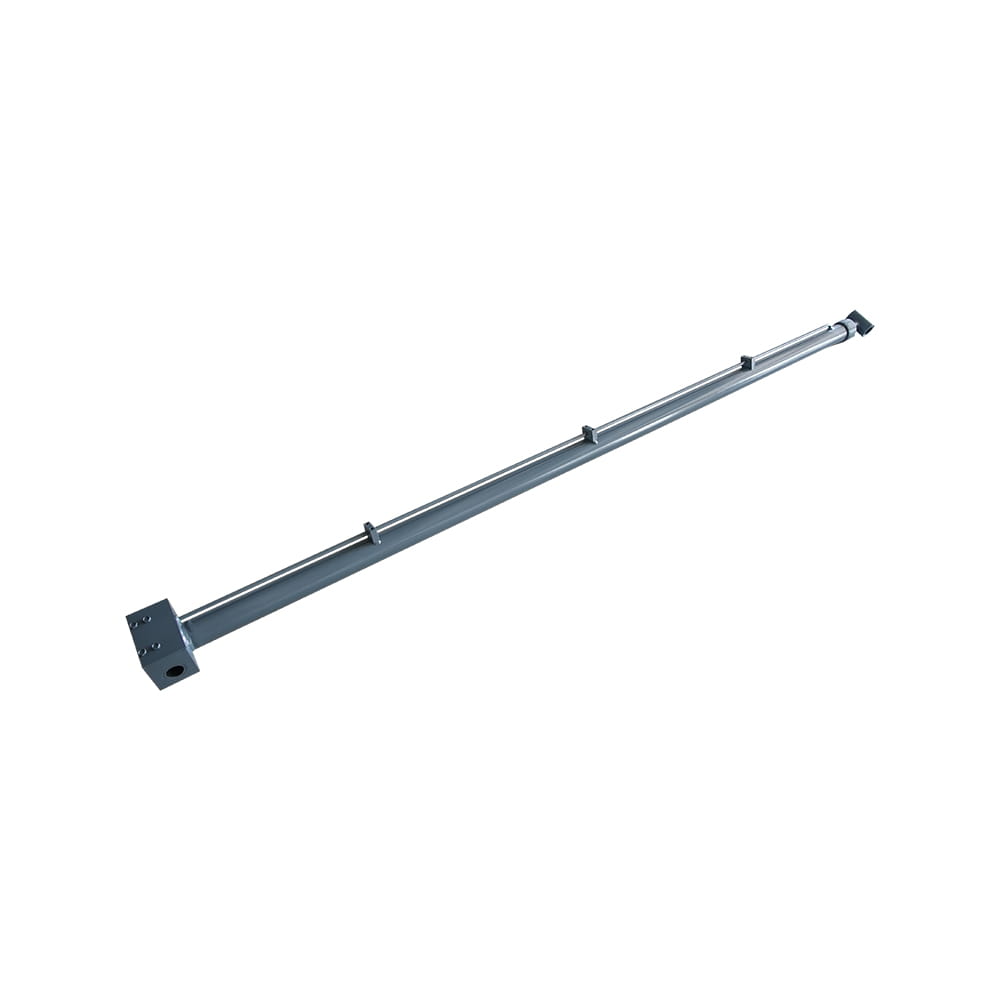 Boom Lift Aerial Platform Hydraulic Telescopic Cylinder
Function: Adjust the length of the arm to allow the aerial work platform to lift and move flexibly, ensuring range and height requirements.
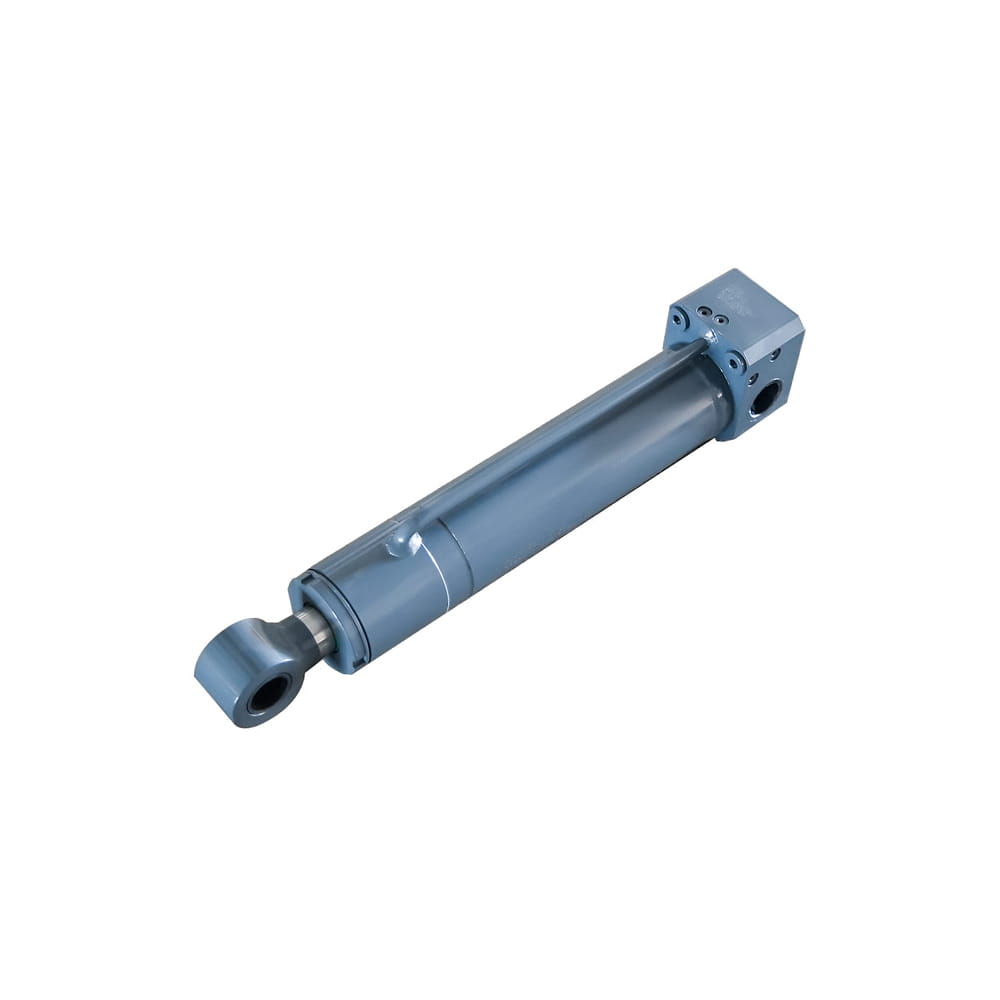 Boom Lift Aerial Platform Hydraulic Frame Leveling Cylinder
Function: Automatically adjust the chassis at the bottom of the platform to a level state, ensuring stable and wobble-free support in different terrains and wor...
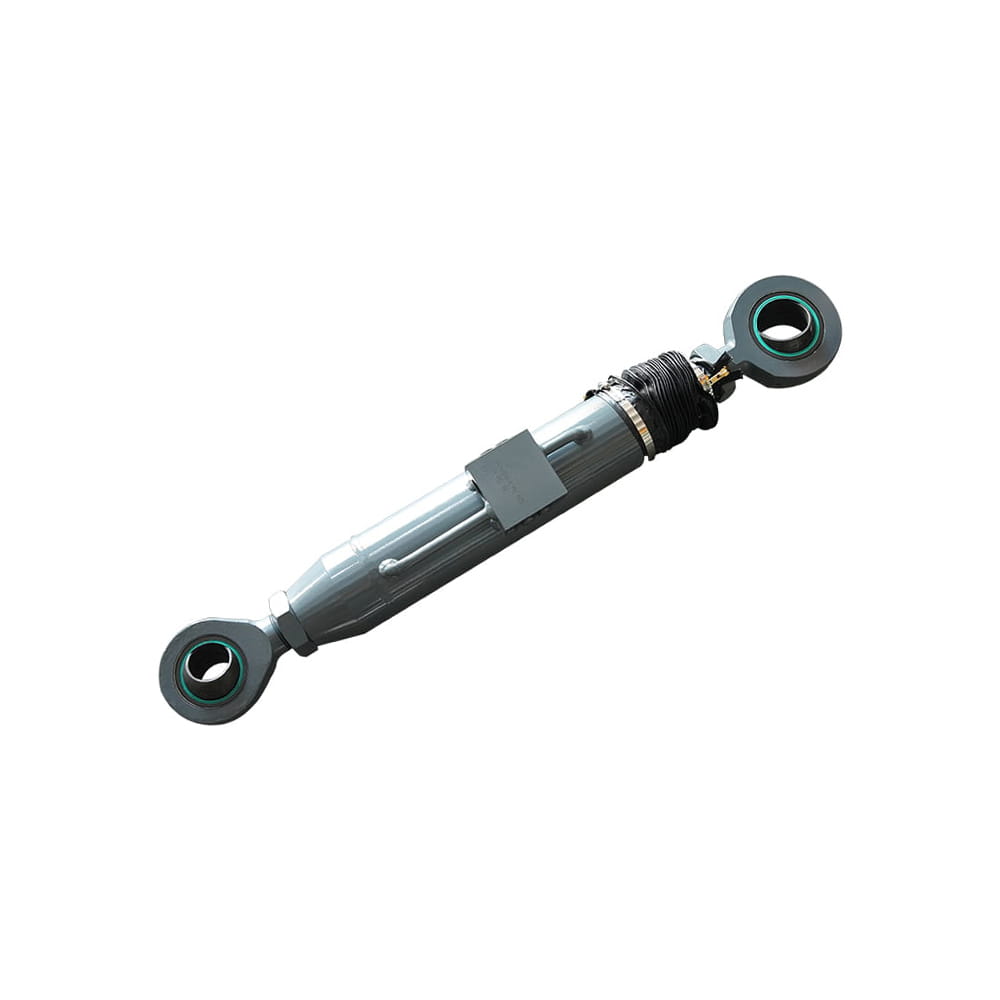 Boom Lift Aerial Platform Hydraulic Bridge Extension Cylinder
Function: An important design that enhances adaptability and working range. This function allows the platform to widen its chassis under specific conditions to ...
Copyright © by Zhejiang Huanfeng Machinery Co., Ltd. Rights Reserved.
