
 English
 中文简体
中文简体 русский
 Español
 Português
 عربى
عربىProduct Consultation
Your email address will not be published. Required fields are marked *
Content
A hydraulic cylinder for tow truck applications is not a general-purpose industrial actuator — it is a purpose-engineered component built to perform reliably in some of the most demanding and unpredictable conditions that any hydraulic system will ever encounter. Standard industrial hydraulic cylinders are designed for controlled factory environments with predictable load cycles, stable temperatures, and clean operating conditions. A tow truck hydraulic cylinder, by contrast, must function under dynamic, often asymmetric loads on uneven ground, in extreme weather, at roadside locations exposed to dirt and moisture, and during time-critical rescue operations where failure is simply not an option.
The fundamental engineering difference lies in the combination of structural robustness and operational precision that tow truck cylinders must deliver simultaneously. They must generate sufficient force to lift multi-ton vehicles — including heavy goods vehicles, buses, and articulated trucks — while maintaining the positional accuracy needed to control the lift sequence precisely enough to prevent secondary damage to the rescue vehicle or hazard to rescue personnel. This dual requirement of brute force and surgical control defines every design decision in a quality tow truck hydraulic cylinder, from wall thickness and seal specification to port sizing and surface finish.
The tow truck hydraulic cylinder is the key component that enables the four primary operational functions of a recovery vehicle. Each function places different demands on the cylinder in terms of force direction, stroke length, and load characteristics, which is why understanding these applications is essential for correct specification and procurement.
Lifting cylinders on tow trucks are typically mounted vertically or at a fixed angle within the boom or underlift assembly. They are responsible for raising the front or rear axle of a disabled vehicle clear of the road surface for transport. In flatbed and rollback configurations, the lifting cylinder tilts the entire bed to load angle before a winch draws the vehicle up. Bore sizes for lifting cylinders commonly range from 80 mm to 180 mm, with operating pressures of 210–250 bar depending on the rated lift capacity of the recovery unit. Double-acting configurations are standard, allowing precise control of both the extension and retraction phases.
During towing operations, hydraulic cylinders in the underlift and crossbar assembly maintain the lifted axle at a consistent height and prevent lateral movement during transit. These cylinders must sustain their extended position under dynamic road loads — the vibration, cornering forces, and sudden braking inputs that occur during transport — without drift or seal failure. This is where the quality of the sealing system becomes critical: multi-lip polyurethane seals with backup rings are the standard for cylinders that must hold position under sustained load.
Hoisting cylinders are integrated into the rotating boom or crane-style recovery systems found on heavy-duty rotator wreckers. These cylinders extend and retract the boom to position the hook above the recovery point of a rolled or ditched vehicle. Because the hoisting cylinder operates at varying angles and is subject to side loads during boom rotation, its rod must be finished to a high surface roughness specification — typically Ra 0.2–0.4 µm — and the cylinder body must incorporate adequate guide bearing length to manage radial load without rod deflection.
Pulling — or dragging — operations use hydraulic cylinders in conjunction with snatch blocks and recovery straps to extract vehicles that have left the roadway. In trench, embankment, and rollover scenarios, the pulling cylinder provides a sustained, controllable extraction force that a winch motor alone cannot deliver with the same precision. Double-acting cylinders in pull configurations are particularly valued because they can both push and pull, allowing repositioning of anchor points without manual disconnection.
The most demanding test of any hydraulic cylinder for tow truck systems is complex rescue — scenarios where a vehicle has rolled, slid into a ditch, become trapped under infrastructure, or is positioned in a way that makes conventional recovery impossible. These operations require the cylinder to perform reliably under highly variable and often asymmetric load conditions, frequently in confined spaces and under time pressure.
In rollover rescue scenarios, the recovery vehicle deploys outrigger cylinders to stabilize its own platform before extending the boom to the overturned vehicle. The outrigger cylinders — typically short-stroke, large-bore units designed for maximum ground-bearing load — must lock in position absolutely while the boom and recovery cylinders perform the righting sequence. Any drift or creep in the outrigger cylinders during this phase could cause the entire recovery unit to become unstable, creating a secondary incident. Wide-span outrigger systems, which extend the stabilization footprint of the recovery vehicle, rely on their hydraulic cylinders to achieve and hold precise extension lengths on uneven or soft ground.
Trench rescue presents a different set of challenges. When a vehicle has slid into a drainage ditch, culvert, or road excavation, the recovery angle is acute and the extraction force must be applied precisely along the vehicle's axis to avoid structural damage. Cylinders used in this application are frequently operated at maximum rated pressure for extended periods, making thermal management and seal durability critical. The cylinder barrel must be manufactured from seamless drawn steel tube — not welded — to withstand the hoop stress at high continuous pressure without micro-cracking at weld zones.
The precision design and high-quality materials of a tow truck hydraulic cylinder directly determine its service life and operational safety. The following table summarizes the key material and construction specifications that differentiate a professional-grade tow truck cylinder from a general commercial product:
| Component | Material / Specification | Why It Matters |
|---|---|---|
| Cylinder Barrel | Seamless cold-drawn steel tube, quenched & tempered | Higher tensile & yield strength vs. standard cold-drawn tube; no weld seam to fail under pressure |
| Piston Rod | Hard chrome-plated 45# steel or stainless, Ra ≤ 0.4 µm | Corrosion resistance, extended seal life, smooth operation in contaminated environments |
| Sealing System | Multi-lip PU seals with PTFE backup rings | Zero leakage under sustained load; temperature range -40°C to +110°C |
| End Fittings | Forged steel clevis or eye, machined to tolerance | Eliminates stress concentrations at pin joints under dynamic shock load |
| Working Pressure | 210–250 bar standard; up to 350 bar for heavy rotators | Determines maximum force output at a given bore size |
| Surface Protection | External zinc phosphate + epoxy coating or hot-dip galvanize | Corrosion protection for roadside exposure including salt spray and chemical runoff |
Quality assurance processes are equally critical. Each cylinder should undergo pressure testing at 1.5× maximum working pressure before shipment, with seal performance verified under both static hold and dynamic cycling conditions. Salt spray testing to ASTM B117 (minimum 500 hours) validates the corrosion protection of both the external coating and the chrome-plated rod before exposure to real-world roadside environments.
One of the most important and frequently underestimated functions of a hydraulic cylinder for tow truck recovery operations is the prevention of secondary damage — damage that occurs to the rescue vehicle, the recovery unit, or nearby infrastructure during the recovery process itself. Secondary damage in rescue operations is not only a financial problem; it is a safety hazard that can escalate an already dangerous situation into a life-threatening one.
Precise cylinder design contributes to secondary damage prevention in several specific ways. Cushioned end-of-stroke deceleration — achieved through machined cushion sleeves or adjustable flow restrictors at the cylinder ports — prevents the violent end-stop impacts that cause structural shock loading in the boom and vehicle contact points. Without cushioning, the kinetic energy of a large piston moving at speed is absorbed entirely by the mechanical end stop, transmitting a spike load through the boom and into the vehicle's bodywork or chassis. With cushioning, the deceleration is spread over the last 20–50 mm of stroke, reducing peak impact force by 60–80%.
Controlled flow management through the cylinder's hydraulic circuit — using counterbalance valves or load-holding valves mounted directly on the cylinder body — prevents uncontrolled descent or retraction if a hydraulic hose fails during the lift sequence. This is particularly critical in rescue operations where the lifted vehicle may be partially stabilized by rescue personnel below. A cylinder that can hold its load independently of the hydraulic circuit, even in the event of a line failure, is a fundamental safety requirement for any professional recovery operation.
For fleet operators, tow truck manufacturers, and equipment procurement managers, selecting the correct tow truck hydraulic cylinder requires a systematic evaluation of both technical specifications and supplier capability. Purchasing based on price alone in this application category is a high-risk strategy: an undersized or poorly sealed cylinder that fails mid-rescue creates liability, downtime, and safety consequences that far exceed any initial cost saving.
The hydraulic cylinder for tow truck is not a commodity purchase — it is a critical safety component whose performance determines the outcome of every recovery operation in which it is deployed. Investing in correctly specified, properly tested cylinders from manufacturers with proven production capability is the foundation of a safe, efficient, and commercially reliable recovery fleet.
Your email address will not be published. Required fields are marked *
Marvelous Design Meets Rigorous Manufacturing
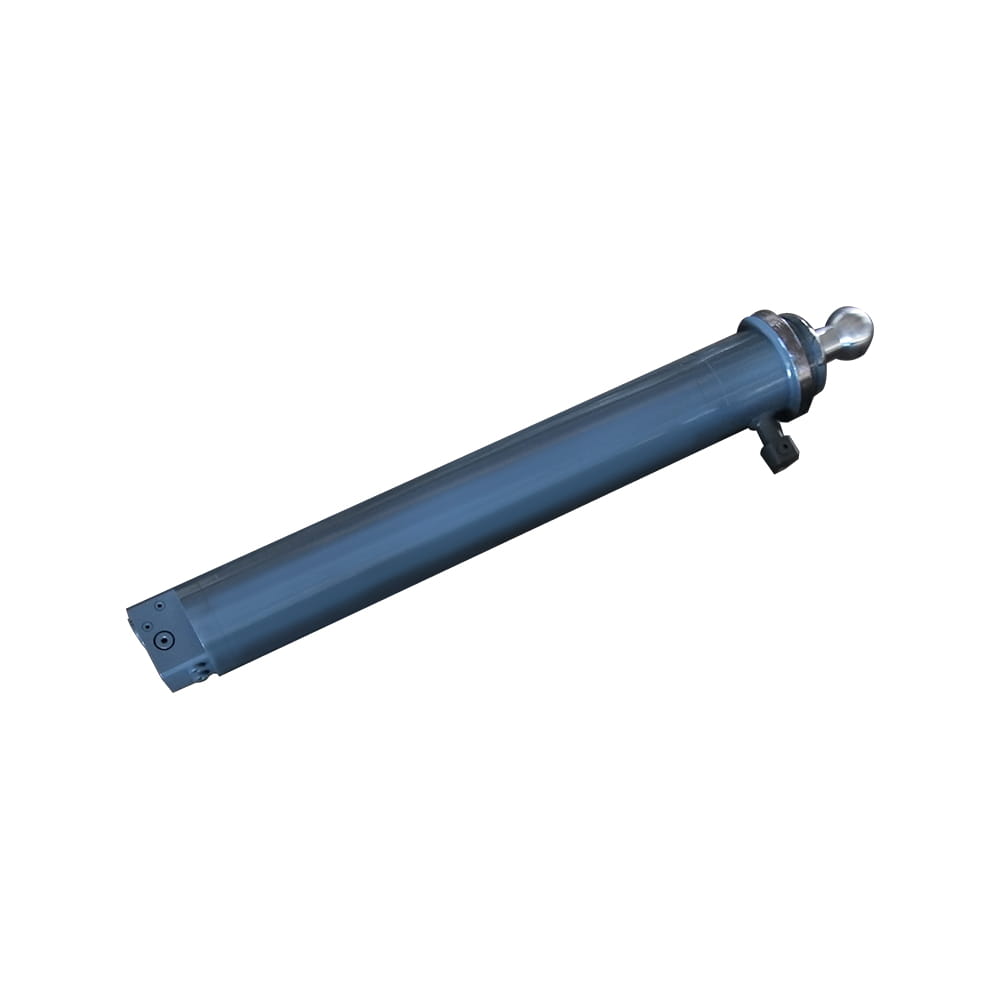 Scissor Lift Aerial Platform Hydraulic Outrigger Cylinder
Function: Firmly Supports the Vehicle: Ensures stability during operation. The ball-head foot automatically levels on slopes, while the integrated balance valve...
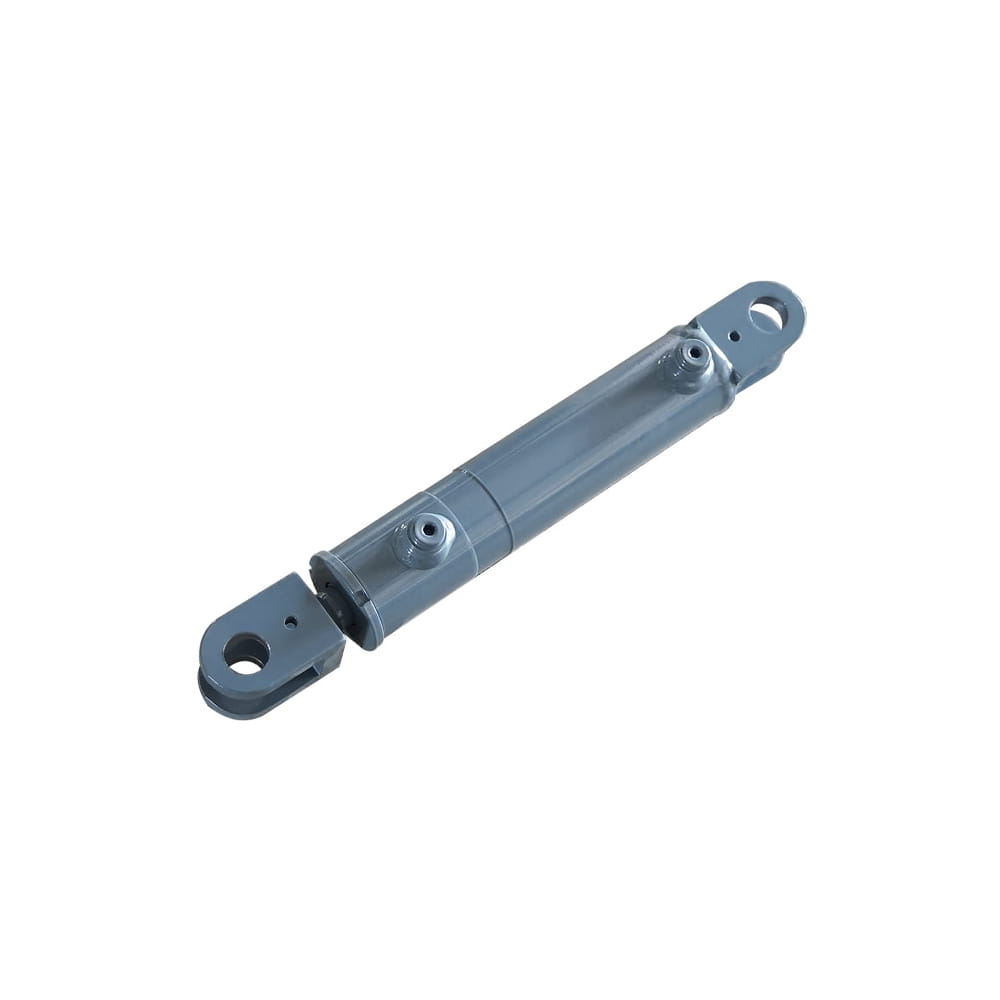 Scissor Lift Aerial Platform Hydraulic Steering Cylinder
Function: Connecting Chassis and Wheel Hub: Through hydraulic pressure, drives the piston rod to move, enabling precise wheel hub rotation. This ensures platfor...
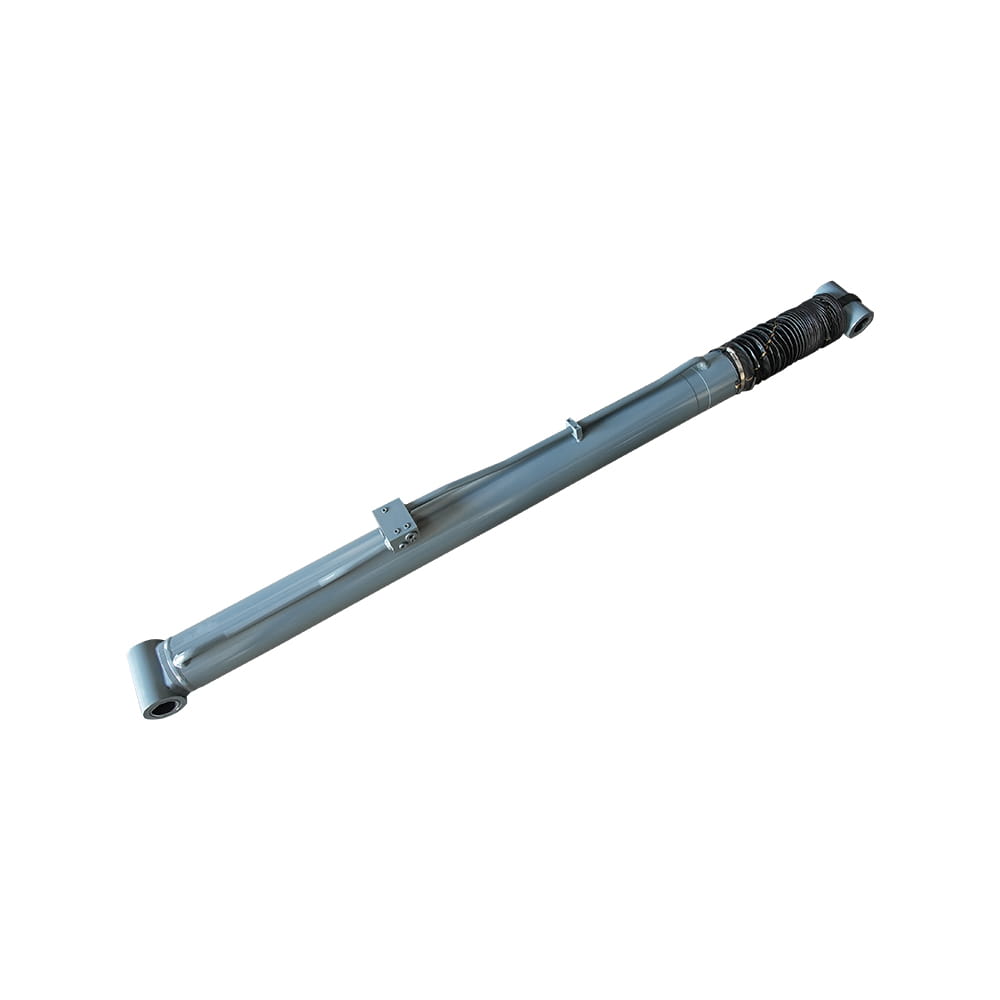 Boom Lift Aerial Platform Hydraulic Luffing Cylinder
Function: Adjust the angle of the telescopic arm to flexibly position the work platform at various heights and positions, meeting diverse aerial work requiremen...
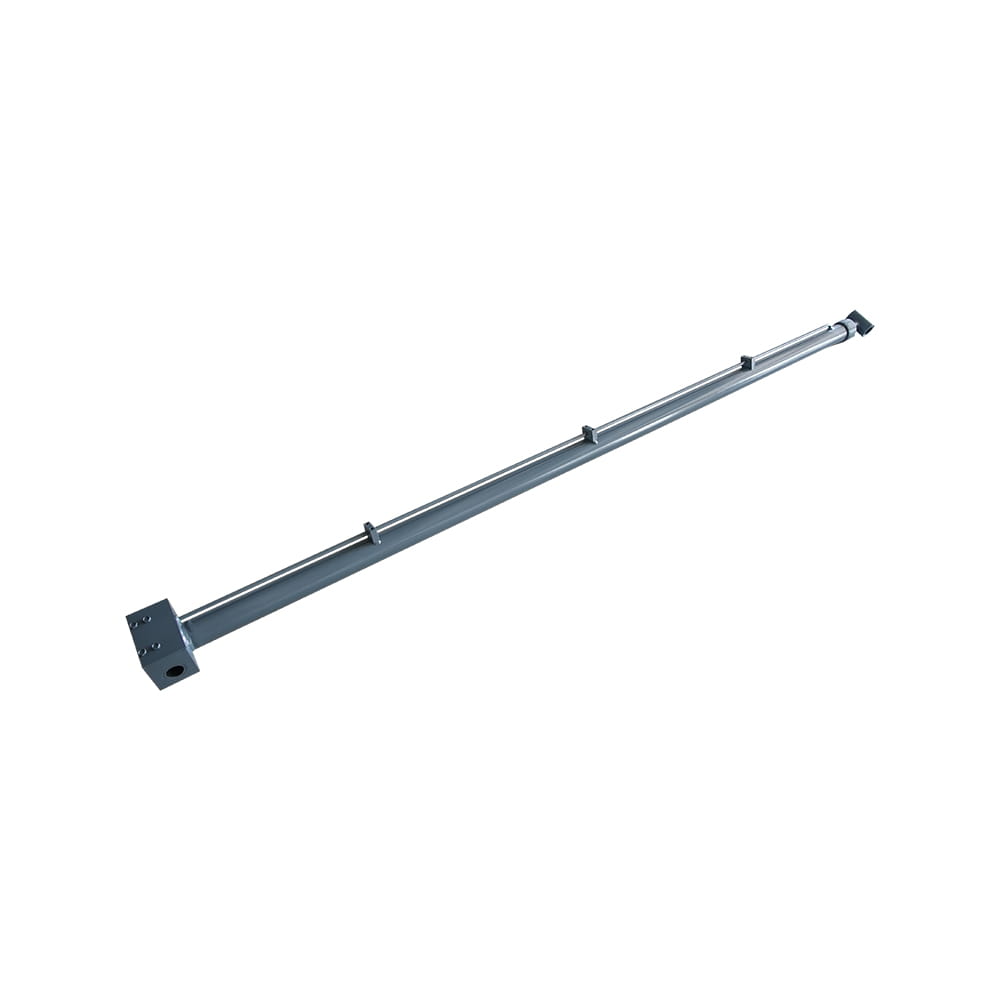 Boom Lift Aerial Platform Hydraulic Telescopic Cylinder
Function: Adjust the length of the arm to allow the aerial work platform to lift and move flexibly, ensuring range and height requirements.
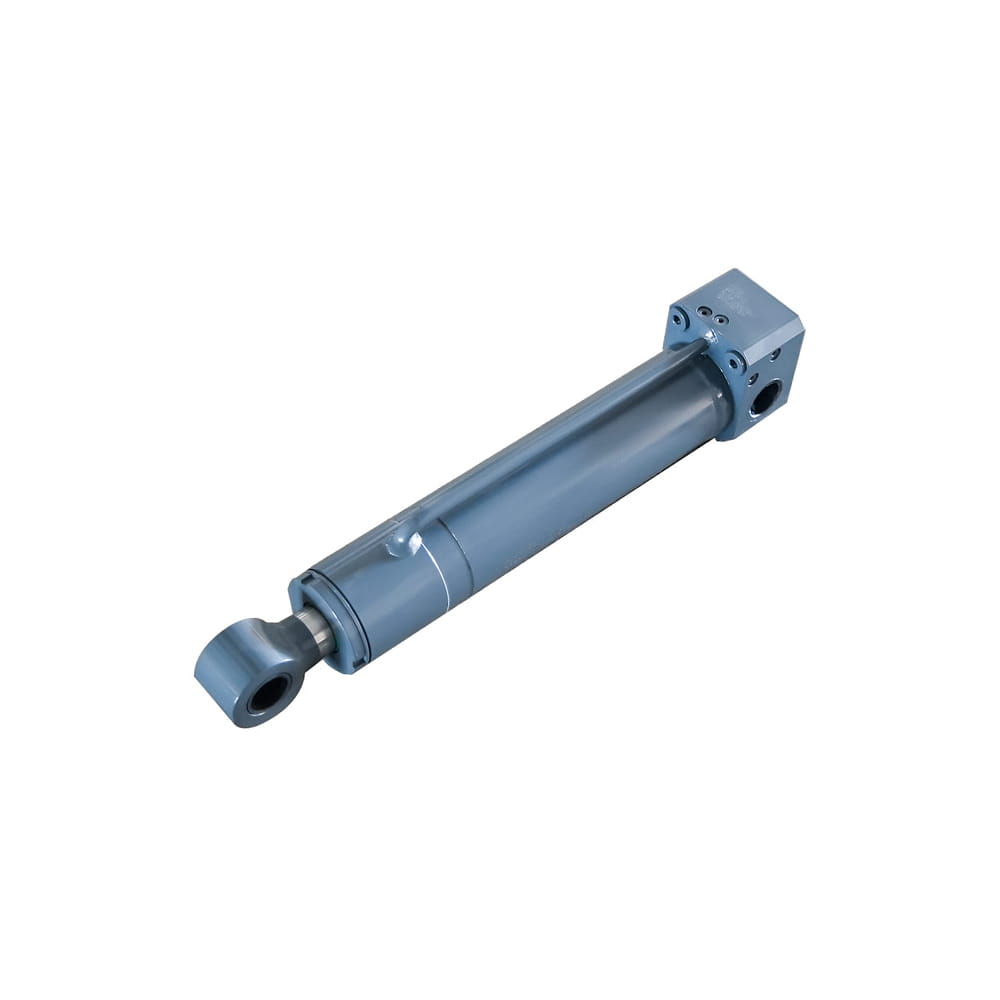 Boom Lift Aerial Platform Hydraulic Frame Leveling Cylinder
Function: Automatically adjust the chassis at the bottom of the platform to a level state, ensuring stable and wobble-free support in different terrains and wor...
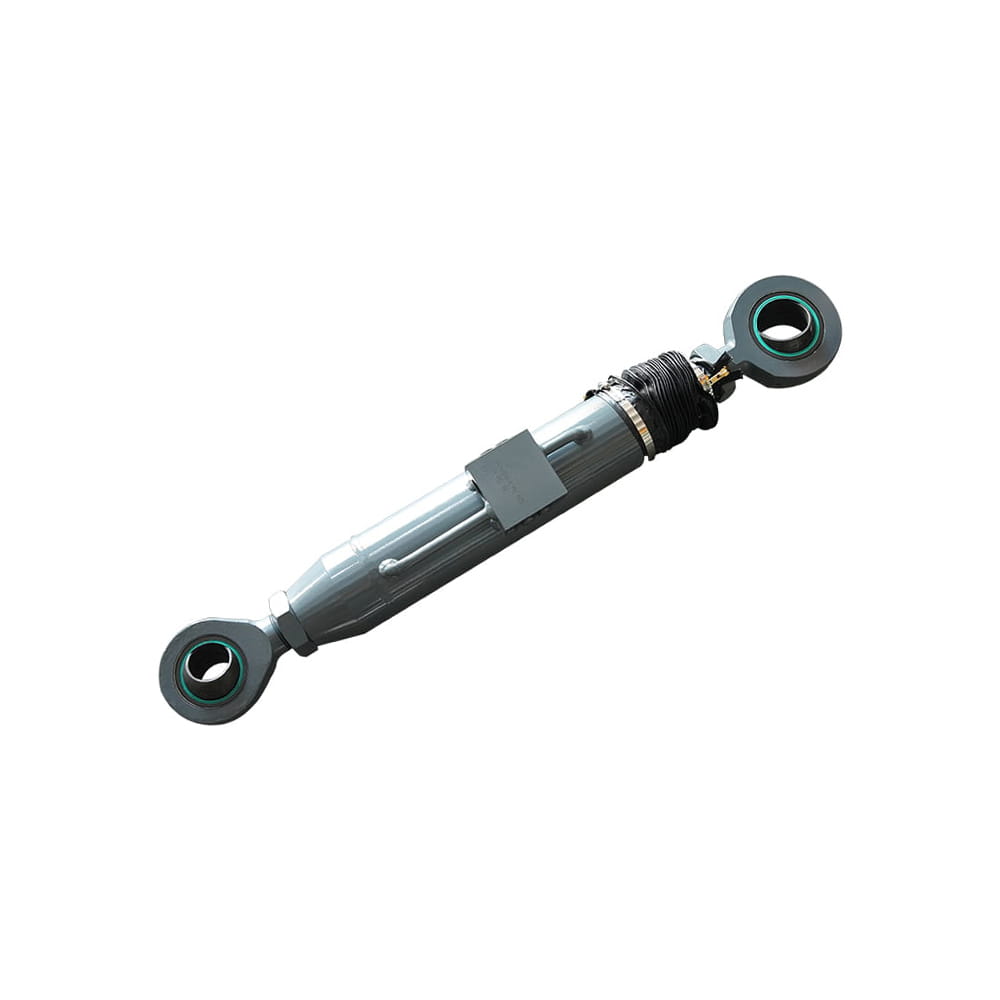 Boom Lift Aerial Platform Hydraulic Bridge Extension Cylinder
Function: An important design that enhances adaptability and working range. This function allows the platform to widen its chassis under specific conditions to ...
Copyright © by Zhejiang Huanfeng Machinery Co., Ltd. Rights Reserved.
