
 English
 中文简体
中文简体 русский
 Español
 Português
 عربى
عربىProduct Consultation
Your email address will not be published. Required fields are marked *
Content
Hydraulic cylinders are the primary linear actuators in special vehicle systems, converting hydraulic fluid pressure into controlled mechanical force and motion across an extraordinary range of magnitudes, speeds, and precision requirements. As essential power components, they serve as the physical interface between a vehicle's hydraulic power unit and the mechanical work it must perform — whether lifting a multi-tonne load, extending a precision inspection platform to a specific height, absorbing a collision impact, or controlling the angle of a specialized attachment with millimeter accuracy.
The design of hydraulic cylinders for special vehicles integrates high load-bearing capacity, precision control, durability, and safety in ways that standard industrial cylinder designs do not address. A special vehicle operates across diverse and challenging conditions — variable ambient temperatures, vibration, shock loads, dust, moisture, and the dynamic loading that results from the vehicle's own motion — while being required to perform precise, reliable actuation on demand. These requirements push hydraulic cylinder engineering to a level of sophistication that reflects decades of application-specific development within the specialized vehicle industry, driving continuous advancement in materials, sealing technology, surface treatment, and control integration.
A hydraulic cylinder generates force by applying hydraulic fluid pressure to the face of a piston contained within a cylindrical barrel. Pascal's Law — which states that pressure applied to a confined fluid transmits equally in all directions — means that system pressure acts uniformly across the full piston face area, generating a force equal to the product of pressure and area. This relationship allows hydraulic cylinders to produce forces far exceeding what is achievable with pneumatic, electric, or mechanical actuators of equivalent size, and to sustain those forces statically without continuous energy input — a critical capability in vehicle applications where loads must be held securely in position.
Double-acting hydraulic cylinders use hydraulic pressure on both the extend and retract sides of the piston, providing controlled force and speed in both directions of travel. Single-acting cylinders apply hydraulic pressure in one direction only, with retraction accomplished by gravity, spring force, or external load. The selection between these configurations in special vehicle applications is determined by the force requirements, speed requirements, and fail-safe behavior needed in each specific function — with double-acting designs predominating in precision control applications and single-acting designs common in simpler lifting or clamping functions where controlled retraction by gravity is acceptable.
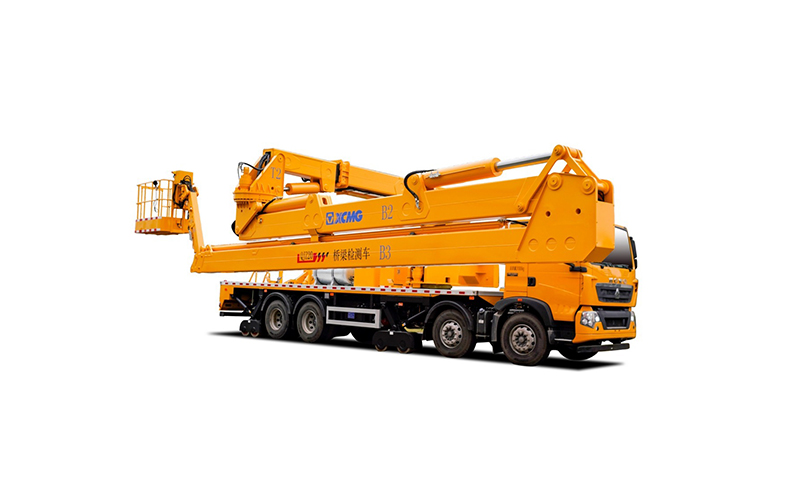
Telescopic hydraulic cylinders represent one of the most technically demanding cylinder configurations used in special vehicles, extending the reach available from a given retracted installation length by deploying a series of nested sleeves — each smaller in diameter than the previous — in sequence. The precise telescopic movement that bridge inspection vehicles require to position inspection platforms and camera systems at exact locations beneath bridge structures demands cylinder designs with extremely tight inter-stage alignment tolerances, smooth stage transition behavior, and position control accuracy that standard multi-stage cylinders cannot provide.
In bridge inspection vehicle applications, the hydraulic cylinders responsible for boom extension must simultaneously manage the static weight of the platform and personnel load, the dynamic loads induced by platform movement and wind, and the precision positioning requirements of inspection work — often within ±10mm of a specified coordinate at full extension. Achieving this combination requires not only a mechanically precise cylinder but an integrated hydraulic control system with proportional valve technology, position feedback from linear transducers or encoders, and a control algorithm that compensates for the compliance and hysteresis inherent in long telescopic cylinder assemblies. The result is a system where precise telescopic movement is achievable reliably and repeatedly across the full operating envelope of the inspection vehicle.
The powerful lifting capability of hydraulic cylinders is exploited in a wide range of special vehicle applications — from rescue vehicles that must raise and stabilize collapsed structures to clear trapped persons, to heavy recovery vehicles that require powerful lifting for obstacle clearance in roadway incident management, to specialized construction and utility vehicles that lift heavy equipment and materials as part of their operational function.
High load-bearing capacity in hydraulic cylinders is achieved through the combination of operating pressure, bore diameter, and structural design. Modern special vehicle hydraulic systems typically operate at pressures between 250 and 350 bar, enabling compact cylinders to generate forces in the hundreds of kilonewtons from bore diameters that keep overall cylinder dimensions manageable within vehicle packaging constraints. The cylinder barrel, end caps, and piston rod must be designed to withstand not only the nominal operating pressure but the pressure spikes generated during rapid valve switching, load impact, and safety relief valve activation — typically 1.5 to 2 times the nominal working pressure — without permanent deformation or fatigue crack initiation.
Piston rods in high-load hydraulic cylinders are manufactured from medium carbon steel or low-alloy steel — typically 42CrMo4 or equivalent — heat-treated to tensile strengths of 900 to 1,100 MPa, providing the combination of yield strength, fatigue resistance, and machinability required for reliable long-term service under cyclic loading. Hard chrome plating to a minimum thickness of 25 microns provides the surface hardness, corrosion resistance, and low friction coefficient against the cylinder seals that determine both sealing longevity and the smooth, controlled rod movement that precision applications require. Increasingly, alternative surface treatments — electroless nickel, ceramic coating, and thermal spray processes — are being adopted to address environmental concerns with hexavalent chromium while maintaining or exceeding the performance of hard chrome.
Collision buffering is one of the most demanding hydraulic cylinder applications in the specialized vehicle industry, requiring cylinders that can absorb kinetic energy rapidly and controllably during an impact event — protecting the vehicle, its occupants, and other road users — while resetting reliably for subsequent deployment. Rapid response in collision buffering hydraulic cylinder systems is achieved through a combination of accumulator-assisted hydraulic circuits, low-restriction flow paths, and precisely calibrated relief valve or orifice systems that control the force-displacement relationship during energy absorption.
Crash attenuator vehicles — deployed at roadwork sites to absorb errant vehicle impacts before they reach the work zone — use hydraulic buffering systems that must absorb the kinetic energy of a vehicle impact in a controlled, progressive manner, limiting deceleration forces to levels survivable by vehicle occupants while stopping the impacting vehicle within a defined distance. The hydraulic cylinders in these systems experience some of the highest instantaneous force and velocity loading of any special vehicle application, requiring barrel wall thicknesses, end cap designs, and weld joint specifications that would be considered overengineered in standard industrial contexts but are fully justified by the safety-critical nature of the application.
The sealing system of a hydraulic cylinder is the component most directly responsible for its precision control performance, internal efficiency, and service life. Seal failure is the most common cause of hydraulic cylinder performance degradation — manifesting as internal leakage past the piston (which reduces force output and positioning accuracy), external leakage past the rod seal (which creates environmental contamination and safety hazards), and contamination ingress past the wiper seal (which accelerates wear of all internal components).
Safety is a non-negotiable design dimension for hydraulic cylinders in special vehicle applications, where cylinder failure can directly endanger vehicle operators, maintenance personnel, and members of the public. The safety features integrated into special vehicle hydraulic cylinder design address both the consequences of component failure and the hazards of unintended cylinder movement during maintenance or system fault conditions.
| Safety Feature | Function | Application |
| Load-holding valve (counterbalance valve) | Prevents uncontrolled lowering if hydraulic line fails | Lifting and boom cylinders |
| End-of-stroke cushioning | Decelerates piston before mechanical end stop contact | High-speed and heavy-load cylinders |
| Mechanical safety lock | Physically prevents retraction during maintenance | Platform and support cylinders |
| Pressure relief valve | Limits maximum system pressure to design rating | All hydraulic cylinder circuits |
| Position feedback sensor | Enables electronic overextension protection | Telescopic and precision cylinders |
Load-holding valves — also known as counterbalance valves or overcenter valves — are among the most critical safety devices in lifting and boom cylinder circuits, providing a fail-safe mechanism that maintains the load in position even if the hydraulic supply line is severed or the directional control valve fails. These valves are mounted directly on the cylinder port, eliminating the risk of load drop from hose failure between the valve and the cylinder, and are designed to open only when a controlled pilot pressure signal from the supply side confirms that deliberate lowering has been commanded by the operator.
The durability of hydraulic cylinders in special vehicle applications — and the vehicle's operational efficiency that depends on them — is substantially influenced by maintenance practices throughout the cylinder's service life. A well-maintained hydraulic cylinder in a special vehicle application can deliver tens of thousands of operating hours before major refurbishment is required; a neglected cylinder may require seal replacement or barrel reconditioning within a fraction of that service life.
Your email address will not be published. Required fields are marked *
Marvelous Design Meets Rigorous Manufacturing
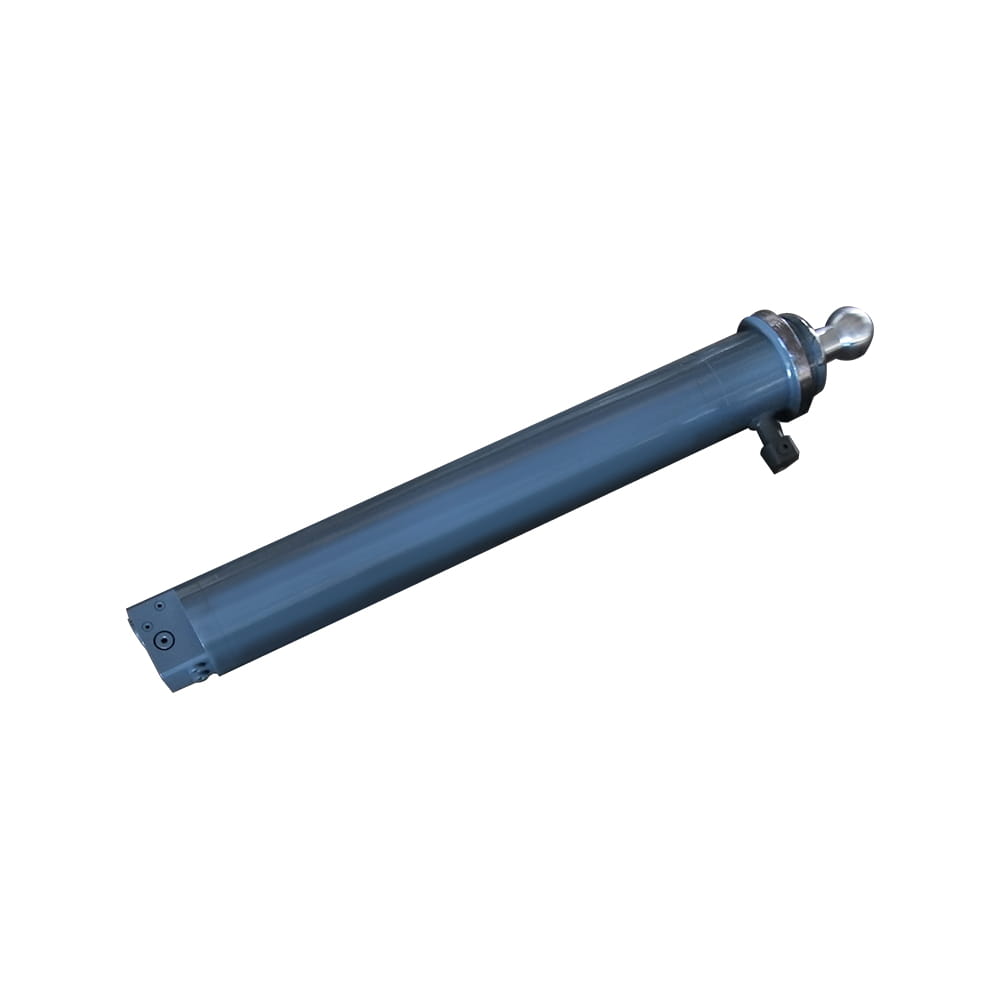 Scissor Lift Aerial Platform Hydraulic Outrigger Cylinder
Function: Firmly Supports the Vehicle: Ensures stability during operation. The ball-head foot automatically levels on slopes, while the integrated balance valve...
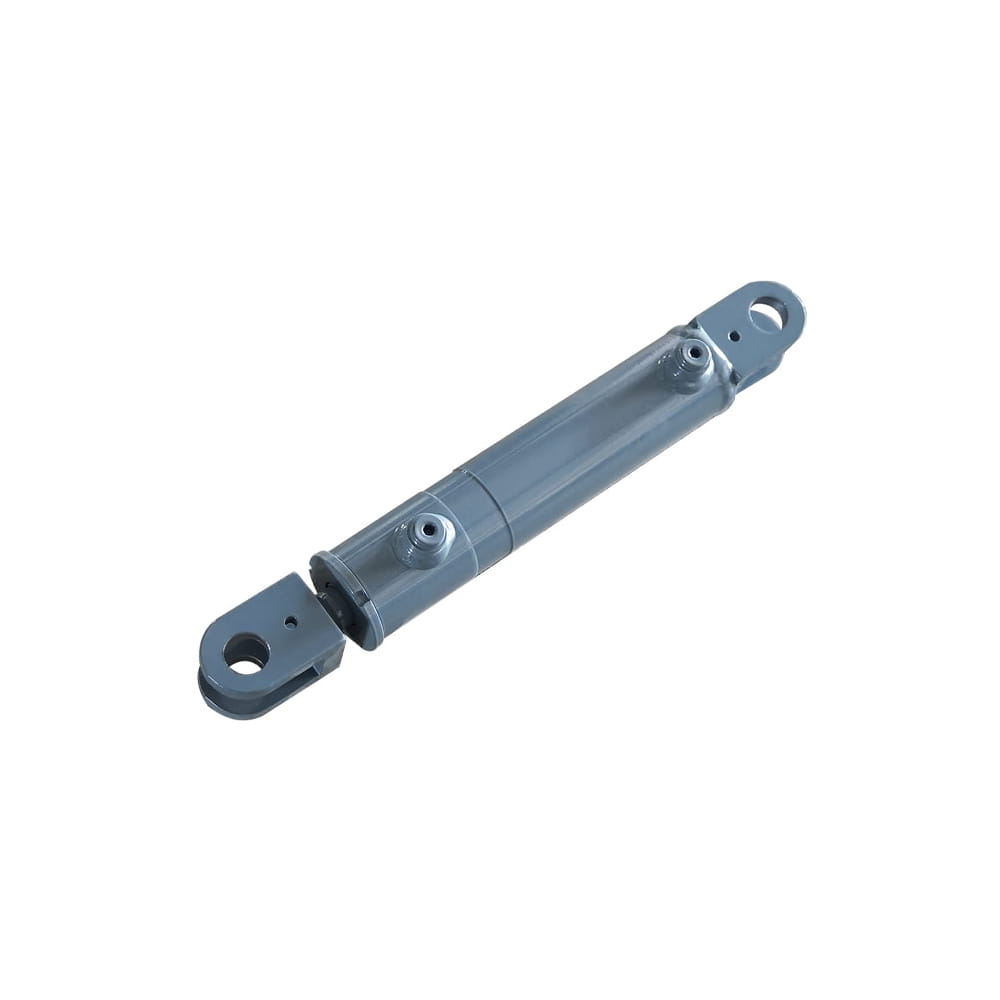 Scissor Lift Aerial Platform Hydraulic Steering Cylinder
Function: Connecting Chassis and Wheel Hub: Through hydraulic pressure, drives the piston rod to move, enabling precise wheel hub rotation. This ensures platfor...
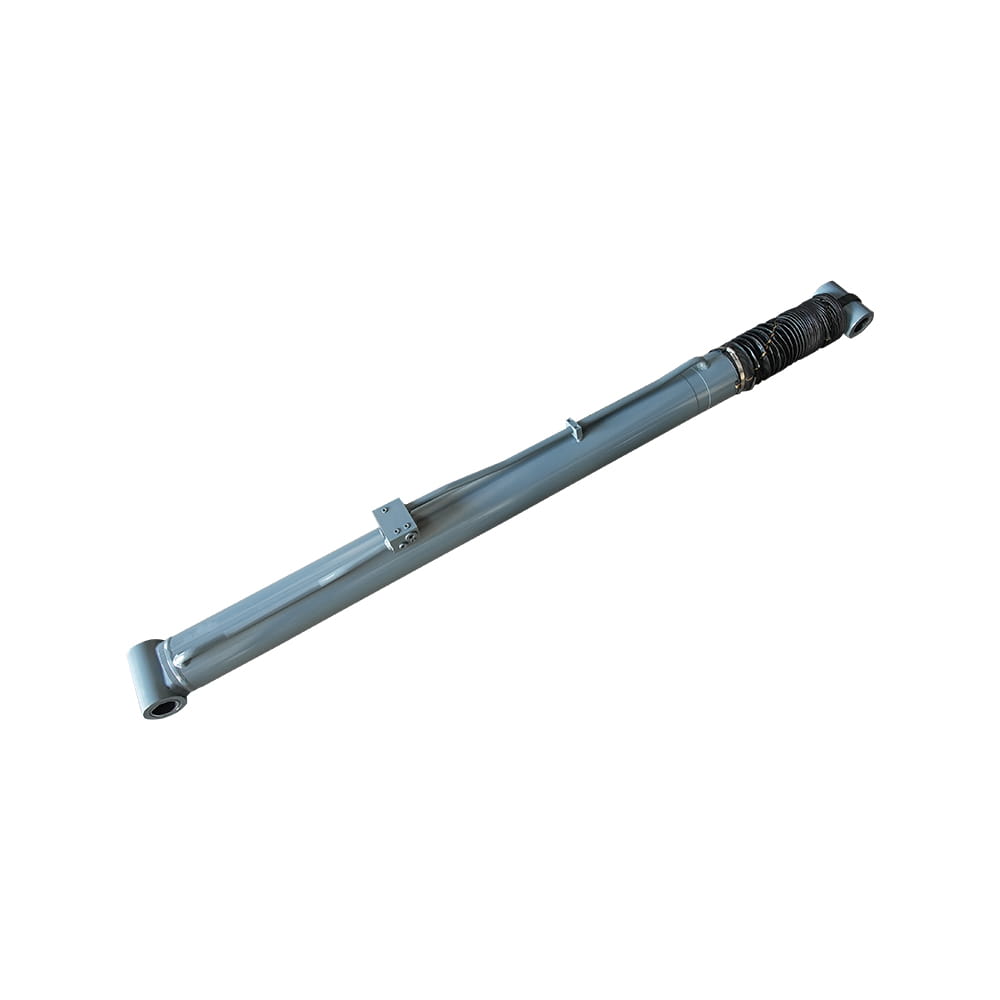 Boom Lift Aerial Platform Hydraulic Luffing Cylinder
Function: Adjust the angle of the telescopic arm to flexibly position the work platform at various heights and positions, meeting diverse aerial work requiremen...
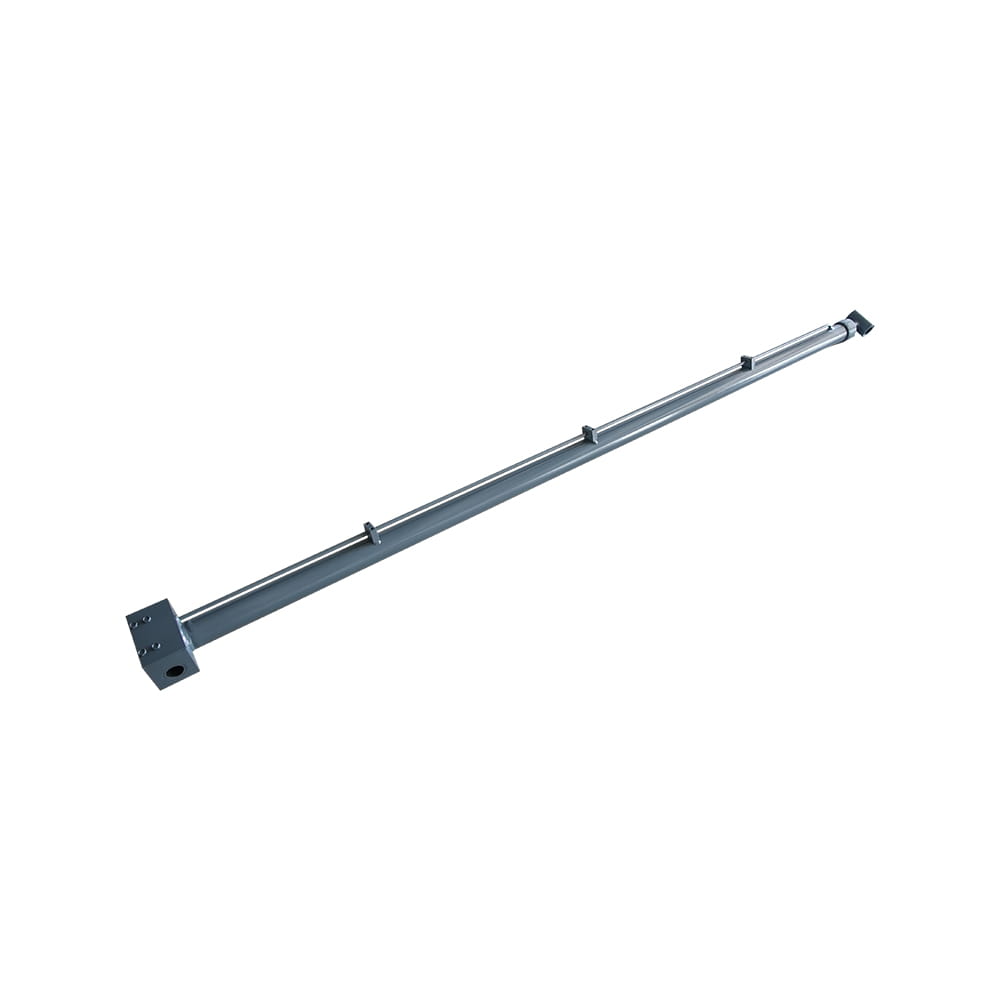 Boom Lift Aerial Platform Hydraulic Telescopic Cylinder
Function: Adjust the length of the arm to allow the aerial work platform to lift and move flexibly, ensuring range and height requirements.
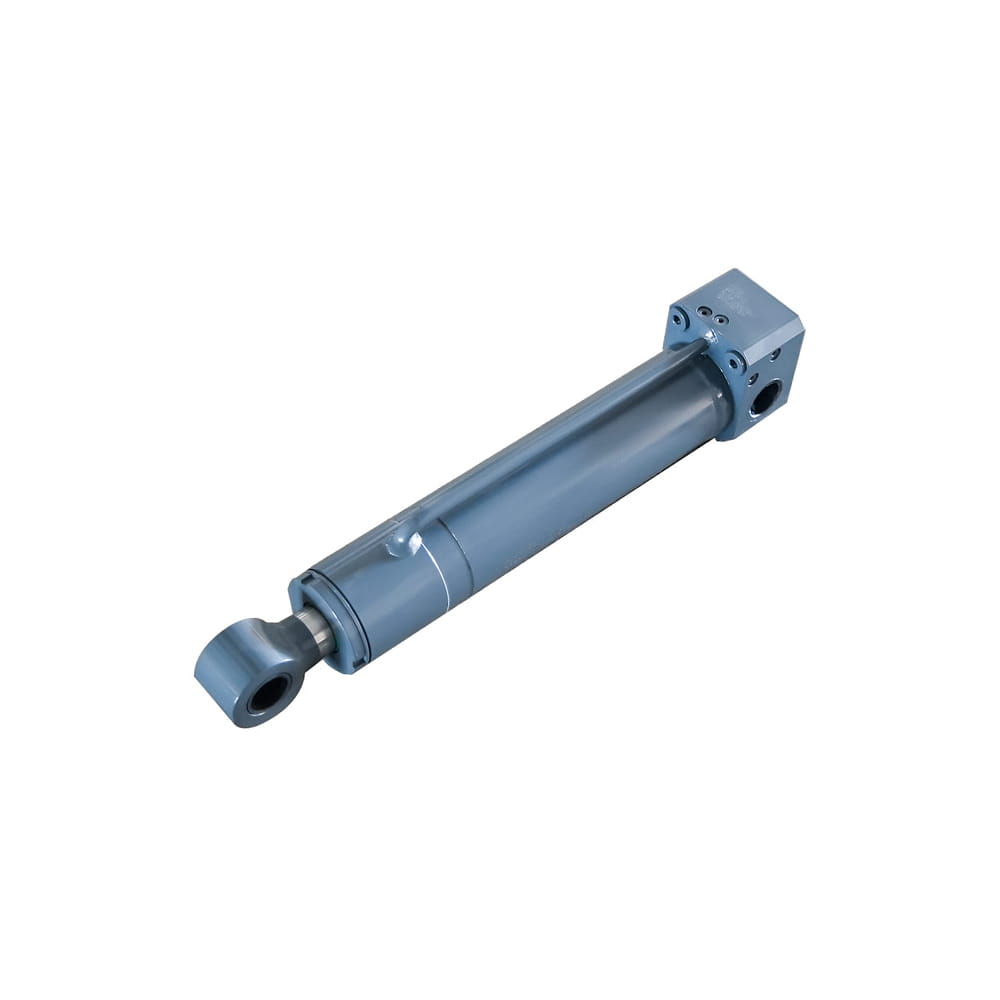 Boom Lift Aerial Platform Hydraulic Frame Leveling Cylinder
Function: Automatically adjust the chassis at the bottom of the platform to a level state, ensuring stable and wobble-free support in different terrains and wor...
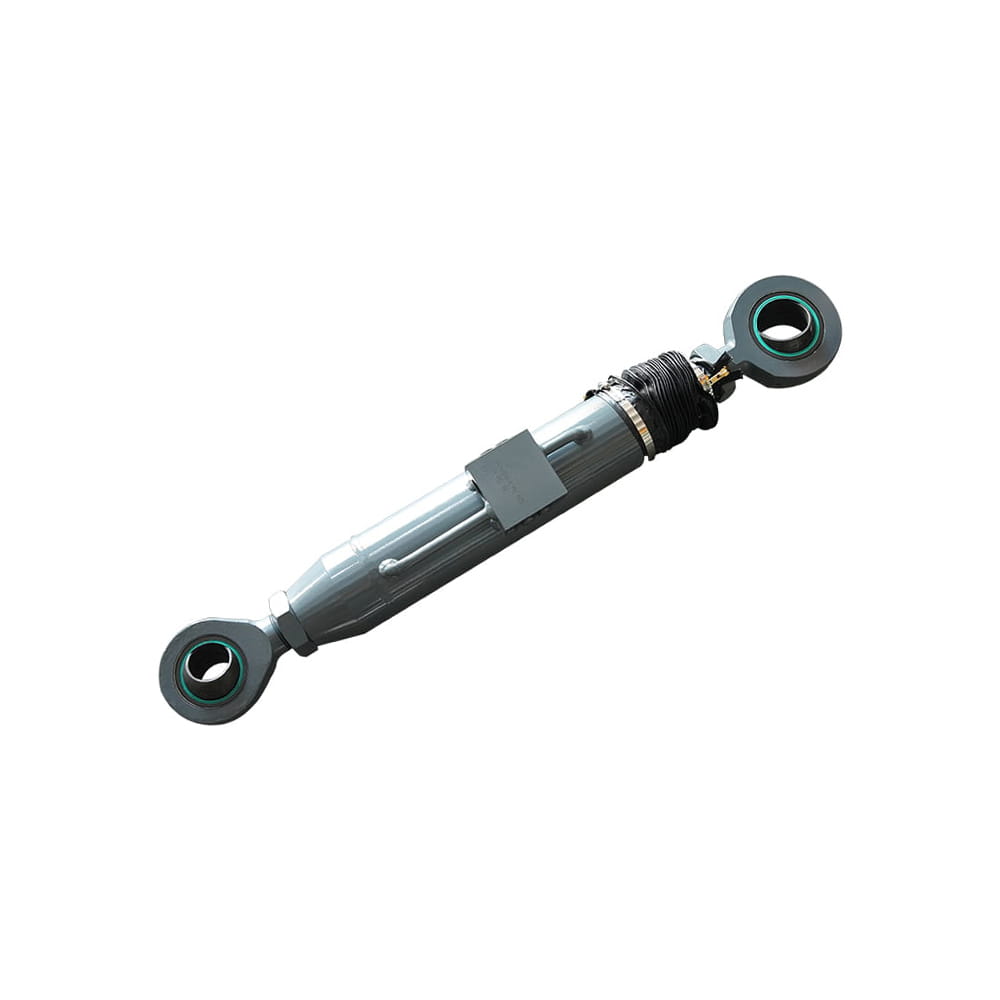 Boom Lift Aerial Platform Hydraulic Bridge Extension Cylinder
Function: An important design that enhances adaptability and working range. This function allows the platform to widen its chassis under specific conditions to ...
Copyright © by Zhejiang Huanfeng Machinery Co., Ltd. Rights Reserved.
