 English
 中文简体
中文简体 русский
 Español
 Português
 عربى
عربىProduct Consultation
Your email address will not be published. Required fields are marked *

Hydraulic cylinders for aerial work platforms — whether scissor lifts, boom lifts, or specialized aerial work vehicles — are the core actuators that convert hydraulic pressure into the controlled vertical and rotational motion that elevates workers and equipment safely to height. Every platform rise, boom extension, jib articulation, and leveling adjustment in an aerial work platform (AWP) depends on one or more hydraulic cylinders performing precisely and reliably under load. Selecting, specifying, and maintaining the right hydraulic cylinder for each function in an aerial platform is not merely a mechanical decision — it is a safety-critical engineering choice that determines the machine's load capacity, stability, duty cycle, and service life. For scissor lifts, double-acting or single-acting telescopic cylinders handling vertical elevation are the primary actuators; for boom lifts, a combination of lift cylinders, telescope cylinders, jib cylinders, and rotation cylinders work in coordination to achieve full three-dimensional reach.
Content
A hydraulic cylinder converts the energy stored in pressurized hydraulic fluid into linear mechanical force and motion. The fundamental operating principle is Pascal's Law: pressure applied to a confined fluid is transmitted equally in all directions, so the force generated equals the fluid pressure multiplied by the effective piston area. In an aerial platform application, the hydraulic power unit (HPU) — typically an electric motor or diesel engine driving a gear or piston pump — generates pressure of 150–350 bar (2,200–5,000 psi) depending on the machine's load and reach requirements. This pressurized fluid is directed through control valves to specific cylinders, producing the required motion at a controlled speed and force.
In aerial work vehicle applications, hydraulic cylinders are subjected to loading conditions that differ significantly from industrial hydraulic machinery: combined axial and side loading (particularly in boom applications where the cylinder's orientation changes with boom angle), sustained static loading over extended periods while workers are at height, exposure to outdoor environmental conditions including temperature extremes, dust, and moisture, and the criticality of fail-safe behavior — the system must hold position safely even if hydraulic pressure is lost suddenly.
All hydraulic cylinders in aerial work platform applications must incorporate or be used in conjunction with load-holding valves (counterbalance valves or pilot-operated check valves) that prevent uncontrolled descent if a hydraulic line fails, a hose bursts, or control valve malfunction occurs. This is a fundamental safety requirement under international standards including ISO 11228, EN 280 (Mobile elevating work platforms), and ANSI/SAIA A92 standards for aerial work platforms. A counterbalance valve installed at or near the cylinder port holds the load in position until a controlled pilot signal from the directional control valve actively opens it — ensuring that any failure in the hydraulic circuit upstream of the valve leaves the platform safely stationary at height.
Different functions within an aerial work platform require different cylinder configurations. The three primary types used in AWP applications each have distinct design characteristics suited to specific motion and load requirements.
Double-acting cylinders have hydraulic fluid ports on both sides of the piston, allowing the cylinder to be powered in both extension and retraction directions. This gives the system precise control over both directions of movement — essential for functions where controlled lowering under load is required (rather than relying on gravity), and where smooth, proportional speed control in both directions is necessary for operator safety and precision. In aerial work platforms, double-acting cylinders are standard for:
Single-acting cylinders are pressurized hydraulically in one direction only (typically extension/raising), with retraction accomplished by gravity load, platform weight, or an internal return spring. They are simpler and lower in cost than double-acting cylinders due to the single port and reduced sealing complexity, but offer less control over the retraction stroke speed and force. In aerial platforms, single-acting cylinders are used where:
Telescopic cylinders consist of multiple nested cylinder stages (sleeves) that extend sequentially, achieving a very long extended stroke from a compact retracted length. This is particularly valuable in aerial work platform applications where installation space is limited but large stroke lengths are needed. Telescopic cylinders may be single-acting (extend by pressure, retract by gravity/load) or double-acting (powered in both directions). In aerial platforms, they serve two distinct roles:
Telescopic cylinders are more complex to manufacture and seal than single-stage cylinders, and each sleeve stage introduces additional potential leak points. Stage sequencing — ensuring stages extend and retract in the correct order — must be controlled either mechanically (through area ratios), hydraulically (through sequencing valves), or via the control system. Uncontrolled staging can produce sudden platform motion or structural overload.
Scissor lifts use a pantograph (cross-linked arm) mechanism that amplifies the relatively small horizontal cylinder motion into a large vertical platform rise. The hydraulic cylinder in a scissor lift does not lift the platform directly — it pushes the scissor arm pivot points apart, and the geometry of the scissor linkage converts this into vertical elevation. Understanding this mechanical relationship is essential for correct cylinder specification.
In most scissor lift designs, one or two hydraulic cylinders are mounted diagonally within the scissor stack — connected between a lower scissor arm and the platform or an upper arm — at an angle that changes continuously as the platform rises. This changing angle means the mechanical advantage (and therefore the force demand on the cylinder) varies significantly with platform height. At the beginning of a raise cycle from fully collapsed, the cylinder angle is most shallow, and the mechanical disadvantage is greatest — the cylinder must exert its maximum force at the start of extension. As the platform rises and the scissor mechanism opens, the cylinder angle becomes more favorable and the required force decreases. This is why scissor lift cylinders are sized for the worst-case force condition (fully collapsed, maximum rated load) even though that force demand reduces as the platform rises.
The side loading on a scissor lift cylinder — the force perpendicular to the cylinder axis caused by the changing angle during extension — creates bending stress in the piston rod and side-loading on the rod seal and guide. This is a significant design consideration: scissor lift cylinders must have heavier-duty rod guides and seals than industrial cylinders of equivalent bore and pressure, because the side-loading condition accelerates seal and guide wear if underspecified.
| Platform Working Height | Cylinder Type | Bore Diameter | Rod Diameter | Stroke (Approx.) | Operating Pressure |
|---|---|---|---|---|---|
| 4–6 m (13–20 ft) | Single-stage double-acting | 63–80 mm | 40–50 mm | 800–1,200 mm | 150–200 bar |
| 6–10 m (20–33 ft) | Single or 2-stage telescopic | 80–100 mm | 50–65 mm | 1,200–2,000 mm | 180–230 bar |
| 10–16 m (33–52 ft) | 2-stage telescopic | 100–130 mm | 65–90 mm | 2,000–3,500 mm | 200–280 bar |
| 16–20 m (52–65 ft) | 2 or 3-stage telescopic | 120–160 mm | 80–110 mm | 3,000–5,000 mm | 230–310 bar |
In addition to the primary elevation cylinder, most scissor lifts incorporate smaller auxiliary hydraulic cylinders for:
Boom lifts — both articulating (knuckle boom) and telescopic configurations — use multiple hydraulic cylinders working in coordinated sequence to position the work platform in three-dimensional space. Each cylinder serves a specific kinematic function, and failure or degradation of any one cylinder affects the machine's reach envelope, load rating, and stability.
The primary lift cylinder raises and lowers the main boom from its stowed position up to its maximum elevation angle — typically 0° to 75–80° above horizontal for boom lifts. This is the largest cylinder in the boom lift system and typically carries the highest combined loading: it must support the full weight of the main boom, all secondary boom sections, the jib, the platform, and the rated platform load, multiplied by the cosine of the boom angle at each position. At horizontal boom angle, the lift cylinder carries the maximum bending moment; as the boom rises toward vertical, the load shifts increasingly to compression in the boom structure itself.
For a typical 20-metre working height boom lift with a 230 kg platform capacity, the primary lift cylinder may have a bore of 100–140 mm, rod diameter of 70–100 mm, and operate at pressures up to 250–320 bar at maximum boom load. The cylinder is almost universally double-acting with an integral counterbalance valve to prevent uncontrolled lowering.
In telescopic boom lifts, one or more cylinders extend and retract the inner boom section(s) within the outer boom tube. The telescope cylinder operates in a challenging environment: it is fully enclosed within the boom structure, exposed to whatever contamination enters the boom tube (water, dust, hydraulic fluid from adjacent circuits), and subjected to the bending loads imposed by the boom's own weight and the platform load when the boom is extended at angle. The telescope cylinder's mounting arrangement must allow it to align with the boom axis as the boom deflects under load — misalignment causes unacceptable side loading on the cylinder rod and seal.
Telescope cylinders in boom lifts of 15–25 m working height typically have strokes of 5,000–9,000 mm — among the longest strokes of any standard hydraulic cylinder application. At these stroke lengths, rod buckling (Euler column buckling) becomes the critical design limit rather than hydraulic pressure capacity. Rod diameter must be sufficient to resist the compressive load of the extended boom weight and platform load without buckling. For a 7,000 mm stroke with moderate compressive load, a minimum rod diameter of 90–110 mm is typically required, even if the hydraulic pressure alone would permit a smaller rod.
Articulating boom lifts incorporate a secondary articulating section (the jib or knuckle) mounted at the top of the main boom, allowing the platform to be positioned up-and-over obstacles or angled under structures. The jib cylinder controls this articulation — typically through a full arc of −60° to +90° relative to the main boom axis. Because the jib section and platform are relatively light compared to the main boom, jib cylinders are smaller than primary lift cylinders, but they are subject to high dynamic loads during rapid articulation and must handle the full platform eccentric load when the jib is fully articulated.
Platform leveling is maintained throughout the boom's elevation range by a leveling cylinder — typically a slave cylinder in a master-slave hydraulic circuit where the master cylinder tracks the main boom angle and the slave cylinder at the platform rotates the basket to compensate. The leveling circuit ensures the platform stays horizontal regardless of boom angle — a fundamental safety requirement, since a tilting platform at height creates a serious fall hazard. The leveling cylinder is relatively small (bore 40–70 mm) because it carries only the moment required to rotate the platform against its own weight, but it must be precisely matched to the master cylinder's area ratio to maintain accurate leveling without drift.
360° continuous slewing rotation of the boom on the turntable is typically achieved through a hydraulic slewing motor driving a pinion against a slewing ring gear, rather than a hydraulic cylinder, because cylinders cannot produce continuous rotation. However, on some truck-mounted platforms and smaller AWPs with limited rotation arc (typically ±90° or ±180°), hydraulic cylinders connected via rack-and-pinion or lever mechanisms provide the turntable rotation. Cylinder-driven rotation systems are simpler and lower-cost for limited arc applications but require additional mechanical components compared to motor-driven slewing.
| Cylinder Function | Type | Typical Bore | Typical Stroke | Key Design Concern |
|---|---|---|---|---|
| Primary boom lift | Double-acting | 100–140 mm | 1,500–2,500 mm | Combined axial + bending; counterbalance valve required |
| Boom telescope | Double-acting (telescopic) | 80–120 mm | 4,000–9,000 mm | Rod buckling at long stroke; alignment within boom tube |
| Jib / knuckle | Double-acting | 63–100 mm | 600–1,200 mm | High dynamic loading; wide articulation arc |
| Platform leveling | Double-acting (slave) | 40–70 mm | 300–700 mm | Precise area ratio to master; zero drift requirement |
| Outrigger (if fitted) | Double-acting | 80–120 mm | 500–1,200 mm | Full machine load in compression; ground bearing |
Aerial work vehicles — truck-mounted or van-mounted platforms used by utility companies, telecoms crews, tree surgeons, and municipal services — have hydraulic cylinder requirements that combine the reach demands of boom lifts with the operational profile of a road vehicle: intermittent high-intensity use, exposure to road vibration and transport shock loads, and the need for rapid setup and stow cycles.
Truck-mounted aerial platforms rely on hydraulic outrigger/stabilizer cylinders to transfer machine loads to the ground before platform elevation. These cylinders serve two distinct functions:
Cylinders on truck-mounted platforms experience significant dynamic loading during road transport that purely stationary industrial cylinders do not. Road vibration — particularly on rough surfaces — creates oscillating loads in stowed cylinders, which can cause hydraulic seal fretting (micro-movement damage to seal lips) and accelerated wear of rod end bearings and mounting pins. Cylinders on aerial work vehicles must be specified with road transport duty loads accounted for, including:
Specifying a replacement or OEM hydraulic cylinder for an aerial work platform requires more precision than for many other hydraulic applications, because the safety-critical nature of the application means underspecification in any parameter can have serious consequences.
Bore diameter determines the force the cylinder can generate on the cap (extend) side: Force = Pressure × (π/4) × Bore². Rod diameter determines the annular area on the rod side and therefore the retraction force. For AWP cylinders, rod diameter is also determined by column strength (buckling resistance) — particularly critical for long-stroke telescope cylinders. The slenderness ratio (effective length divided by rod radius of gyration) must be kept below the Euler critical limit with an appropriate safety factor (typically minimum 3.5–4.0 for safety-critical aerial lift applications).
The piston rod is the most vulnerable component in an aerial work platform cylinder because it is repeatedly exposed to outdoor atmospheric conditions, moisture, road salt, construction dust, and UV radiation. Standard hard chrome plating (minimum 25 µm thickness, 850–1,000 HV hardness) provides good corrosion and wear resistance for most applications. In coastal environments or high-salt applications, electroless nickel undercoating beneath the chrome layer or alternative coatings such as Nikasil (nickel-silicon carbide) or HVOF (High Velocity Oxygen Fuel) thermal spray coatings provide superior corrosion protection. Bare or painted rod surfaces are not acceptable in AWP applications regardless of cost pressure — rod corrosion is the leading cause of seal failure and cylinder leakage in the field.
Seal material must be compatible with the hydraulic fluid used and the temperature range experienced in service. AWP cylinders typically use:
AWP cylinders use specific mounting configurations to accommodate the angular displacement that occurs as booms and scissor mechanisms move through their range of motion:
| Mounting Type | Description | Typical Application in AWP | Misalignment Tolerance |
|---|---|---|---|
| Clevis (fork) both ends | Pin-through fork at both cap and rod end | Boom lift, jib, scissor lift cylinders | Full pivot in pin plane; spherical bearings for 3D misalignment |
| Trunnion mount | Pivot pins through barrel mid-point or cap | Large lift cylinders, outrigger cylinders | Good pivot; lateral loads distributed along barrel |
| Flange mount + rod clevis | Fixed flange at cap; clevis at rod end | Telescope cylinders within boom tubes | Fixed alignment at base; rod clevis accommodates arc motion |
| Spherical rod eye | Rod end with spherical bearing insert | Leveling cylinders, jib cylinders | ±15–25° misalignment in all directions |
Hydraulic cylinders in aerial work platforms are safety-critical components subject to regulatory inspection requirements and manufacturer-specified maintenance intervals. Proactive maintenance prevents the two most common failure modes — seal leakage and rod corrosion/scoring — from becoming safety incidents.
When a cylinder develops seal leakage, the decision between resealing (fitting new seals to the existing cylinder) and replacing the cylinder depends on the condition of the rod and bore surfaces. Resealing is cost-effective when:
If the rod surface is pitted, scored, or undersized, the rod must be either re-chromed and ground to specification (economical for large bore cylinders) or the entire cylinder replaced (more practical for smaller cylinders where rod replacement cost approaches new cylinder cost). Never reseal a cylinder with a damaged rod surface — the new seals will fail within a short service period and the cost of repeated resealing exceeds the replacement cost.
Contaminated hydraulic fluid is a primary cause of premature cylinder seal failure and barrel scoring. Particulate contamination in the fluid acts as an abrasive against seal lips and rod surfaces. AWP hydraulic systems should maintain fluid cleanliness to ISO 4406 cleanliness code 16/14/11 or better for standard systems, achievable through regular fluid and filter changes (typically at 1,000–2,000 hour intervals or annually) and ensuring that any breather on the reservoir is fitted with an appropriate filter. Water contamination — indicated by milky or cloudy hydraulic fluid — causes seal swelling, corrosion of bore surfaces, and loss of lubricity, and requires immediate fluid drain, flush, and replacement.
When sourcing replacement cylinders for AWP equipment — whether OEM replacements or aftermarket alternatives — several factors determine whether the replacement will deliver equivalent safety performance and service life to the original.
Your email address will not be published. Required fields are marked *
Marvelous Design Meets Rigorous Manufacturing
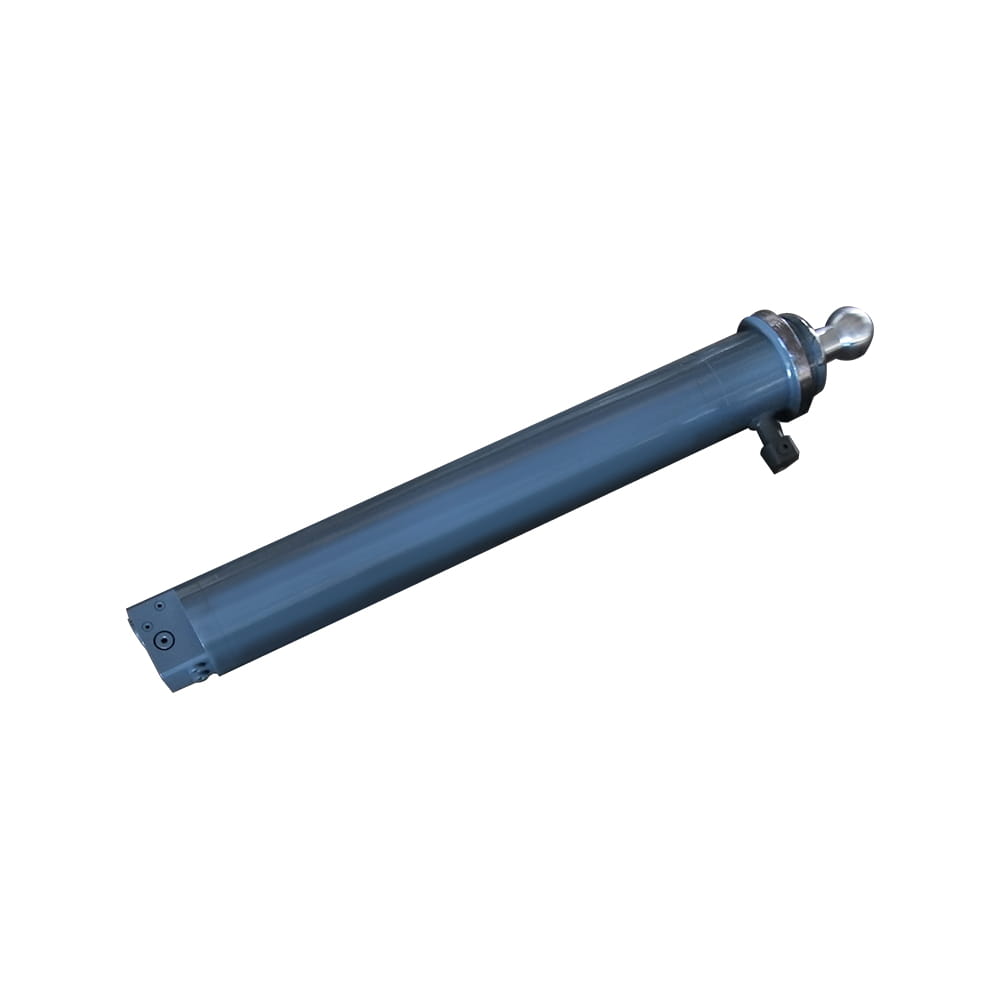 Scissor Lift Aerial Platform Hydraulic Outrigger Cylinder
Function: Firmly Supports the Vehicle: Ensures stability during operation. The ball-head foot automatically levels on slopes, while the integrated balance valve...
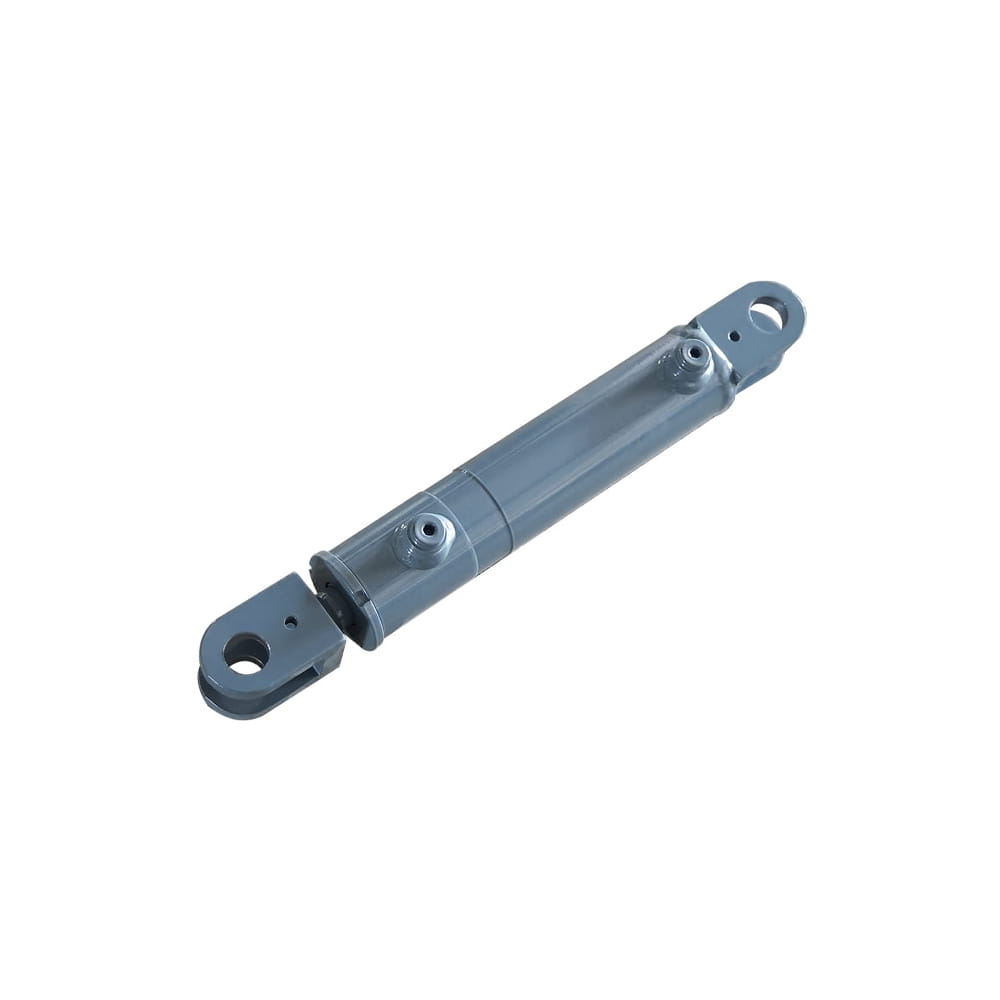 Scissor Lift Aerial Platform Hydraulic Steering Cylinder
Function: Connecting Chassis and Wheel Hub: Through hydraulic pressure, drives the piston rod to move, enabling precise wheel hub rotation. This ensures platfor...
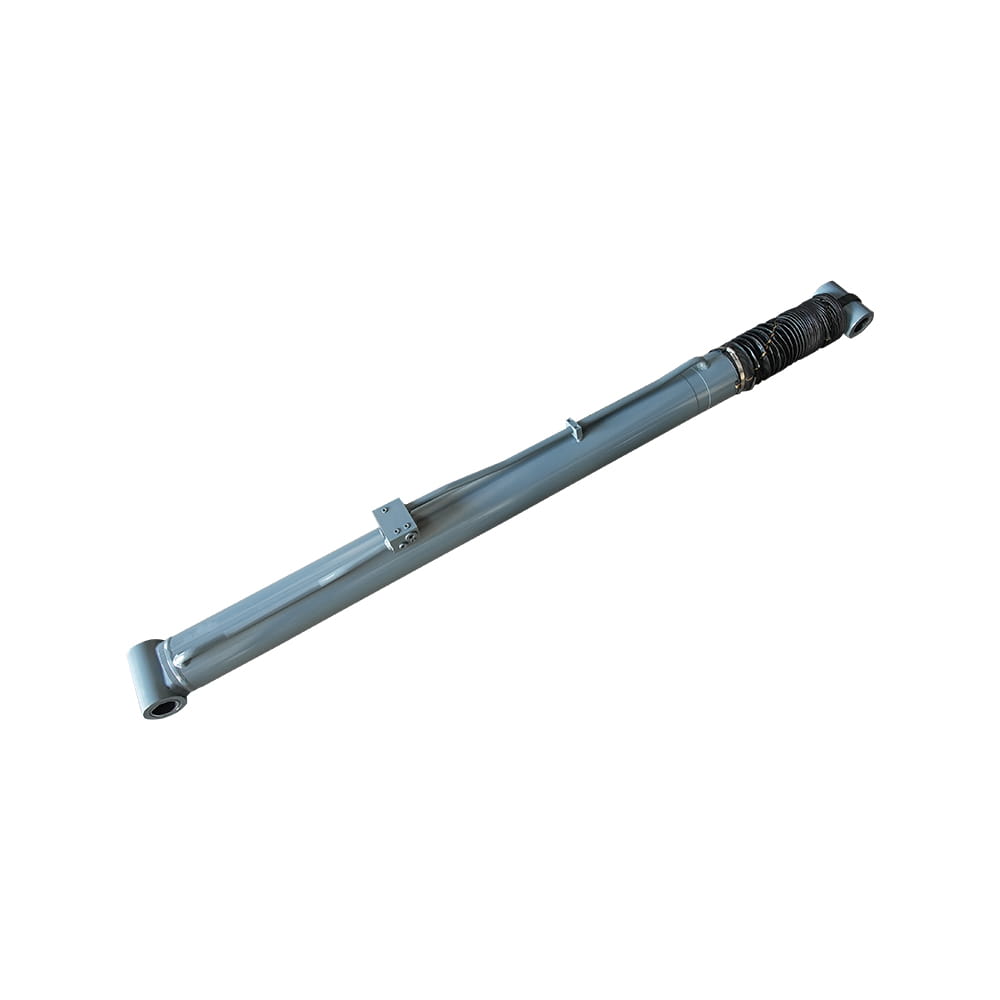 Boom Lift Aerial Platform Hydraulic Luffing Cylinder
Function: Adjust the angle of the telescopic arm to flexibly position the work platform at various heights and positions, meeting diverse aerial work requiremen...
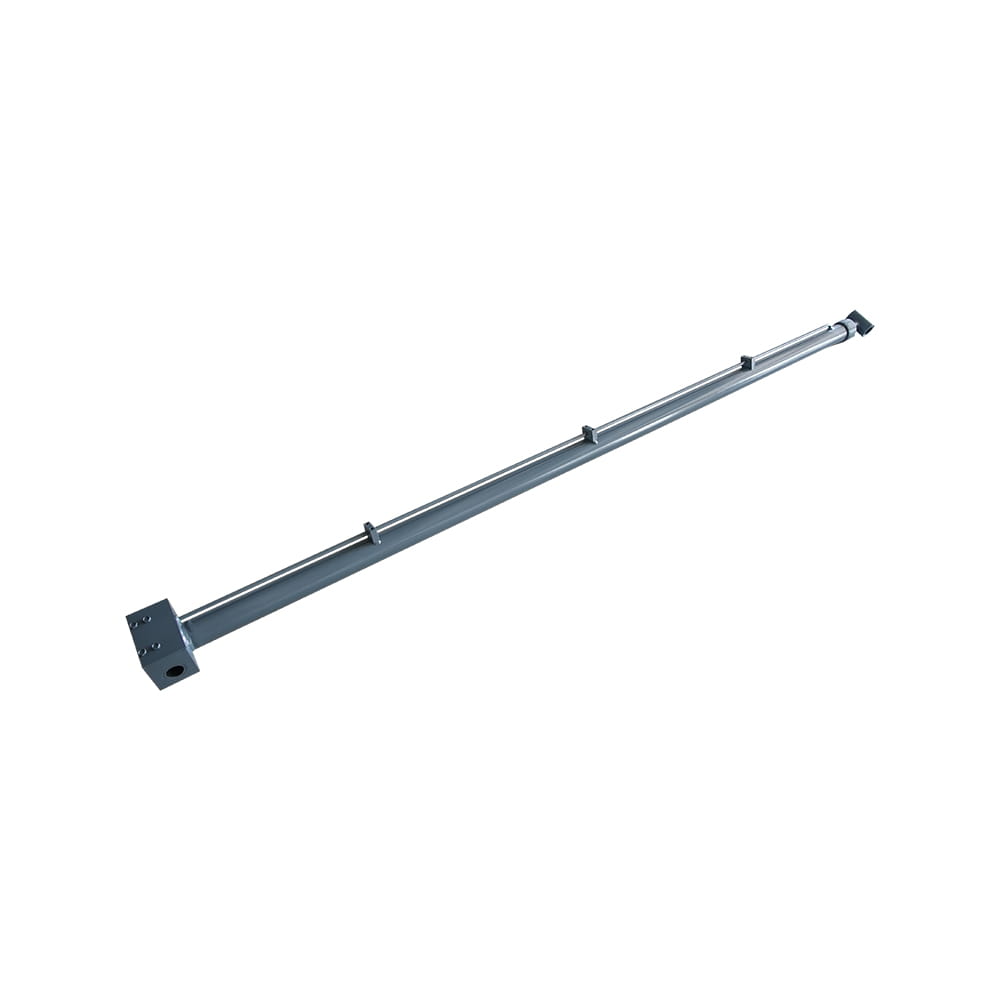 Boom Lift Aerial Platform Hydraulic Telescopic Cylinder
Function: Adjust the length of the arm to allow the aerial work platform to lift and move flexibly, ensuring range and height requirements.
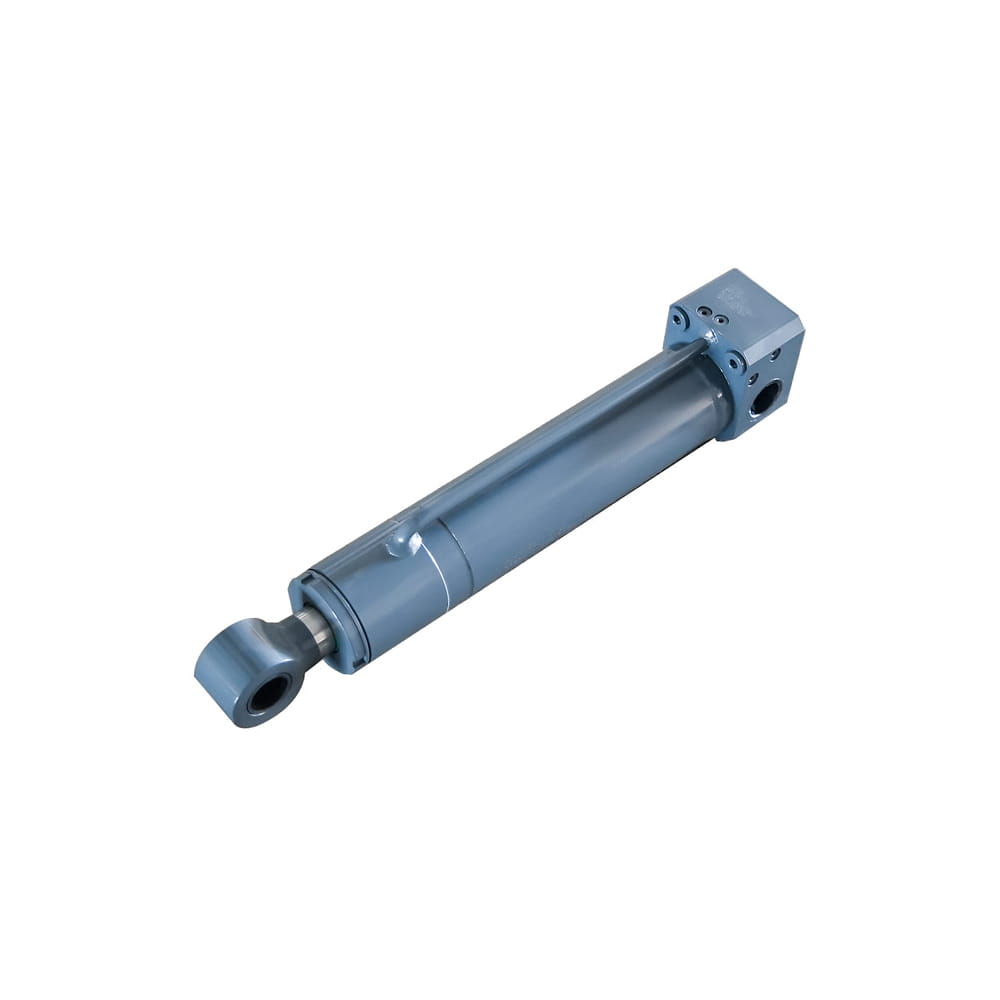 Boom Lift Aerial Platform Hydraulic Frame Leveling Cylinder
Function: Automatically adjust the chassis at the bottom of the platform to a level state, ensuring stable and wobble-free support in different terrains and wor...
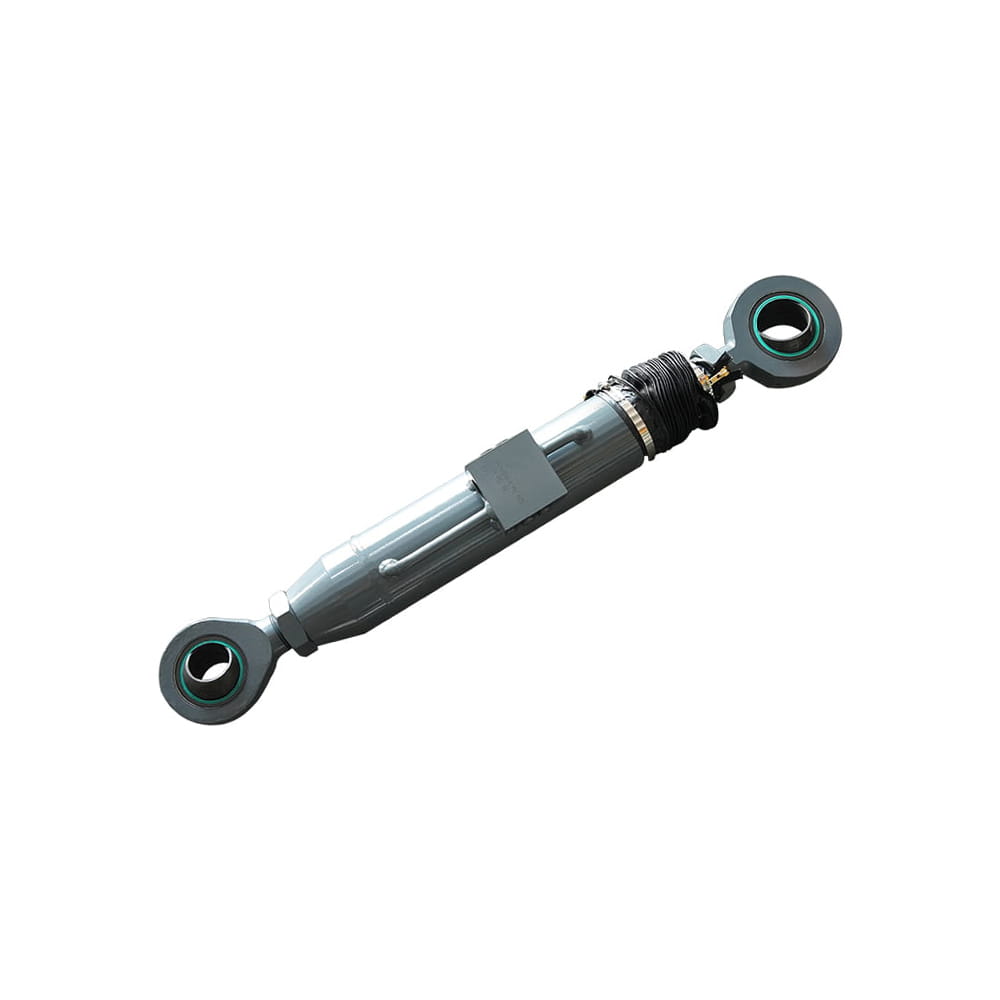 Boom Lift Aerial Platform Hydraulic Bridge Extension Cylinder
Function: An important design that enhances adaptability and working range. This function allows the platform to widen its chassis under specific conditions to ...
Copyright © by Zhejiang Huanfeng Machinery Co., Ltd. Rights Reserved.
