
Product Consultation
Your email address will not be published. Required fields are marked *
Content
A hydraulic cylinder converts pressurized fluid energy into controlled linear mechanical force — and selecting the wrong cylinder for an application is one of the most common and costly mistakes in industrial equipment design. The correct specification depends on five intersecting variables: operating pressure, bore diameter, stroke length, mounting configuration, and duty cycle severity. Heavy-duty industrial applications routinely operate at 250–700 bar (3,600–10,000 psi), demand cycle lives exceeding one million strokes, and require precision machining tolerances of ±0.01 mm or better on rod and bore surfaces.
Whether you need a standard industrial cylinder, a high-pressure heavy-duty unit for mining or offshore equipment, or a fully customized precision cylinder for a specialized application, the engineering decisions made at the specification stage determine the system's reliability, maintenance costs, and total service life. This article provides the practical framework for making those decisions correctly, and explains what to demand from any hydraulic cylinder supplier — including after-sales repair and maintenance programs that protect your investment long after delivery.
A hydraulic cylinder operates on Pascal's Law: pressure applied to a confined fluid transmits equally in all directions. When hydraulic fluid is pumped into the cylinder chamber under pressure, it acts on the piston face, generating a linear force proportional to the product of pressure and effective piston area.
Force (N) = Pressure (Pa) × Area (m²)
A practical example: a cylinder with a 100 mm bore operating at 250 bar (25 MPa) generates an extension force of approximately 196 kN (19.6 tonnes). The same cylinder at 350 bar generates 275 kN. This linear scalability — force is directly controllable by adjusting pressure — is what makes hydraulic cylinders indispensable for applications ranging from agricultural machinery to ship steering gear and steel mill roll positioning.
The most fundamental design choice is whether the cylinder needs to produce force in one direction or both:
Telescopic cylinders use two or more nested stages (sleeves) that extend sequentially, providing long strokes from a compact retracted length. A two-stage telescopic cylinder can achieve a stroke-to-retracted-length ratio of approximately 2:1; three-stage units achieve close to 3:1. Widely used in tipper trucks, refuse vehicles, and aerial platforms where installation space is constrained but long stroke is required.
Heavy-duty hydraulic cylinders are engineered for applications where standard catalog cylinders would fail prematurely due to high loads, shock loading, aggressive environments, or extreme duty cycles. The distinction is not merely one of size — it is a combination of material specification, manufacturing precision, sealing technology, and surface treatment that collectively determines service life in demanding conditions.
Heavy-duty cylinder barrels are manufactured from seamless cold-drawn or hot-rolled steel tube — typically ST52 (DIN 2391) or equivalent — honed to an internal surface roughness of Ra 0.2–0.4 µm. This surface finish is critical for seal life: a rougher bore surface accelerates seal wear geometrically. For corrosive environments (offshore, marine, chemical processing), barrels may be specified in stainless steel 316L or duplex stainless 2205, or lined with hard chrome or electroless nickel.
The piston rod is the most mechanically stressed and environmentally exposed component of the cylinder. Heavy-duty rods are typically manufactured from case-hardened and ground carbon steel (C45 or 42CrMo4) with a hard chrome plating of 20–30 µm thickness on the working surface, ground to a surface roughness of Ra 0.1–0.2 µm. For applications with high corrosion exposure, chrome is supplemented or replaced by:
Heavy-duty cylinder end caps are typically machined from forged steel billets rather than cast iron, providing superior tensile strength and impact resistance. Common mounting configurations include clevis (pin-through), flange (front or rear), trunnion, and foot-mount — each affecting how bending moments are transferred to the cylinder body under off-axis loading. Misalignment is the leading cause of premature rod seal failure and cylinder barrel damage; heavy-duty cylinders for pivoting or non-linear motion applications must use spherical rod-eye or self-aligning bearings rather than rigid pin connections.
Standard industrial hydraulic systems operate at 150–250 bar (2,175–3,625 psi). High-pressure systems — typically defined as above 350 bar (5,000 psi) and extending to 700 bar (10,000 psi) or beyond in specialized applications — require cylinders designed with fundamentally different wall thickness calculations, seal technology, and connection standards.
Wall thickness for high-pressure cylinder barrels is calculated using the Lamé equation for thick-walled pressure vessels. At 700 bar, a cylinder bore of 80 mm requires a barrel wall thickness of approximately 35–40 mm — meaning the outer diameter of the barrel approaches 160 mm for an 80 mm bore. This is why high-pressure cylinders are physically heavy relative to their stroke and bore size.
Conventional polyurethane lip seals are adequate to approximately 400 bar. Above this pressure, multi-element seal stacks are required — typically a combination of:
Selecting an industrial hydraulic cylinder requires defining every operational parameter before approaching a supplier. Incomplete specifications lead to either over-engineered (expensive) or under-engineered (unreliable) cylinders. The following parameters must be defined:
| Parameter | What to Specify | Why It Matters |
|---|---|---|
| Required force (kN) | Extension and retraction forces; peak vs. sustained | Determines bore size at given operating pressure |
| Stroke length (mm) | Full extend to full retract distance | Determines rod buckling risk; long strokes need larger rod diameter |
| Operating pressure (bar) | Normal working and peak/shock pressure | Determines wall thickness, seal type, port size |
| Mounting configuration | Flange, clevis, trunnion, foot, or tie-rod | Determines load path and bending stress on cylinder body |
| Duty cycle | Cycles per hour, hours per day, total expected life | Drives seal material selection and maintenance interval |
| Operating environment | Temperature range, contamination level, corrosion exposure | Determines material, coating, and sealing specification |
| Fluid type | Mineral oil, HFA/HFB/HFC/HFD fire-resistant, biodegradable | Determines seal material compatibility; incorrect seals fail rapidly |
| Speed (mm/s) | Maximum extension and retraction velocity | Determines flow rate, port sizing, and cushioning requirement |
For cylinders under compressive load (pushing rather than pulling), the piston rod must be checked for Euler buckling stability. A long, slender rod under high compressive force will buckle before the piston reaches the end of stroke. The critical buckling load depends on rod diameter, stroke, mounting conditions, and the cylinder's end fixity. As a general rule, rod diameter should be at least 1/10th of the stroke length for guided cylinders, and larger for free-mounted long-stroke cylinders. Inadequate rod diameter relative to stroke is a frequent specification error in custom cylinder applications.
Precision hydraulic cylinders are a distinct category from standard industrial cylinders — they are designed for applications where positional accuracy, repeatability, minimal internal leakage, and dynamic response are the primary performance requirements rather than simply maximum force or pressure rating.
A precision hydraulic cylinder for servo control applications may be machined to bore tolerances of ±0.005 mm and rod tolerances of ±0.003 mm — tolerances an order of magnitude tighter than standard industrial cylinders. These tolerances are necessary to achieve the controlled leakage characteristics that servo control systems depend on for smooth, accurate positioning without stick-slip behavior.
Standard catalog cylinders cover perhaps 60–70% of industrial hydraulic cylinder applications. The remaining 30–40% require custom engineering — either because the force, stroke, pressure, or dimensional requirements fall outside standard ranges, or because the operating environment demands non-standard materials, coatings, or sealing systems.
A competent customized hydraulic cylinder supplier should provide:
The total cost of ownership of a hydraulic cylinder is determined more by its maintenance and repair history than by its purchase price. A cylinder that costs USD 15,000 to purchase but requires annual seal replacement at USD 3,000 per event is more expensive over a 10-year service life than a USD 25,000 cylinder with a 3-year seal change interval. After-sales support from the cylinder manufacturer is therefore a procurement criterion at least as important as initial price.
Planned preventive maintenance (PPM) programs for hydraulic cylinders should address:
| Component | Repair / Rebuild Viable | Replace Required |
|---|---|---|
| Seals and wipers | Always replace at overhaul — seals are consumables | Replace every service interval |
| Piston rod (minor corrosion) | Re-grind and re-chrome if substrate is sound; HVOF respray | Replace if bent, cracked, or substrate corroded through |
| Cylinder barrel (worn bore) | Re-hone to next oversize; re-sleeve with precision liner | Replace if corroded, cracked, or wall too thin after honing |
| End caps (undamaged thread) | Clean, re-seal, and reuse if undamaged | Replace if cracked, threaded connection stripped, or seal groove damaged |
| Piston (wear ring worn) | Replace wear rings and seals; reuse piston body if undamaged | Replace if cracked or piston-to-rod connection is damaged |
| Cushion needle valves | Clean and reset adjustment; replace seat if worn | Replace if needle eroded or seized beyond adjustment |
An after-sales program from the original cylinder manufacturer is preferable to third-party repair whenever possible, because the manufacturer holds the original drawings, material specifications, and seal part numbers. When evaluating after-sales capability, confirm that the supplier offers:
The hydraulic cylinder market includes manufacturers ranging from global OEM suppliers producing millions of units annually to specialized precision workshops producing tens of custom units per year. Selecting the right supplier for your specific application requires evaluating capabilities beyond catalog breadth and price.
Your email address will not be published. Required fields are marked *
Marvelous Design Meets Rigorous Manufacturing
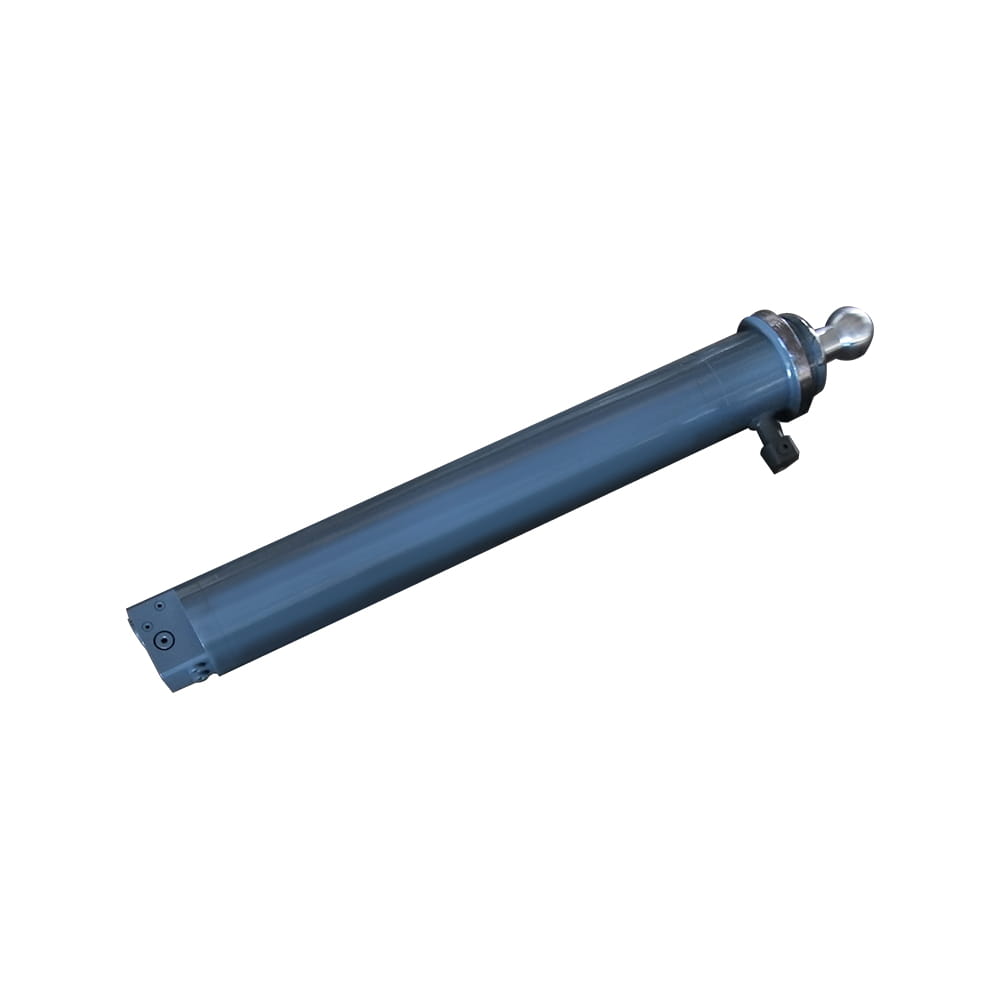
Scissor Lift Aerial Platform Hydraulic Outrigger Cylinder
Function: Firmly Supports the Vehicle: Ensures stability during operation. The ball-head foot automatically levels on slopes, while the integrated balance valve...
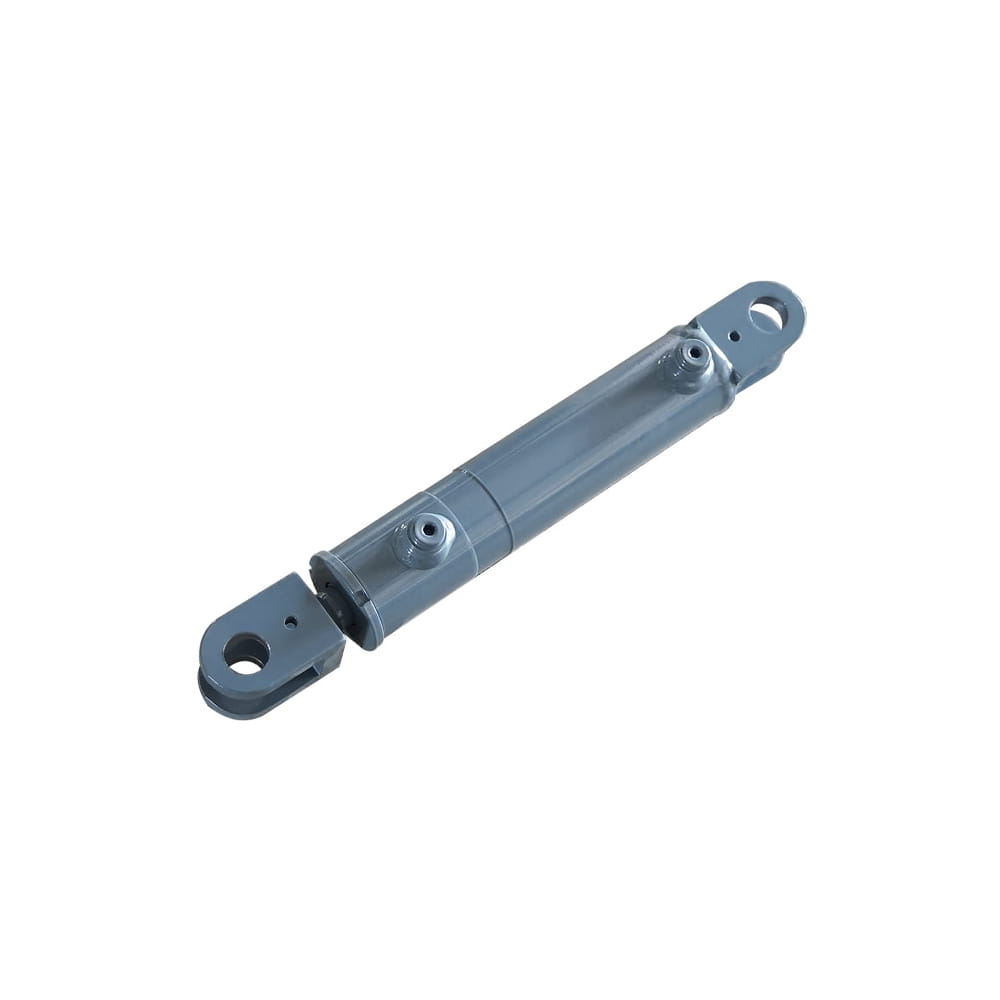
Scissor Lift Aerial Platform Hydraulic Steering Cylinder
Function: Connecting Chassis and Wheel Hub: Through hydraulic pressure, drives the piston rod to move, enabling precise wheel hub rotation. This ensures platfor...
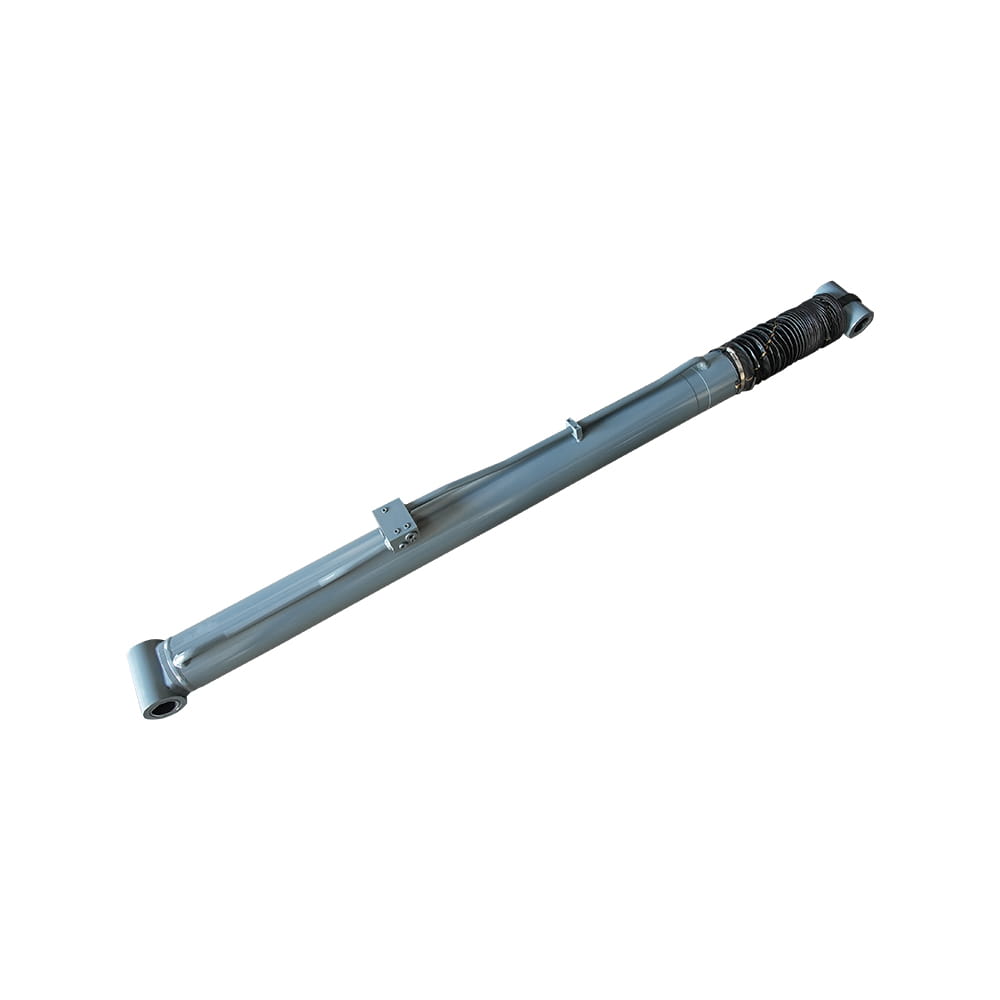
Boom Lift Aerial Platform Hydraulic Luffing Cylinder
Function: Adjust the angle of the telescopic arm to flexibly position the work platform at various heights and positions, meeting diverse aerial work requiremen...
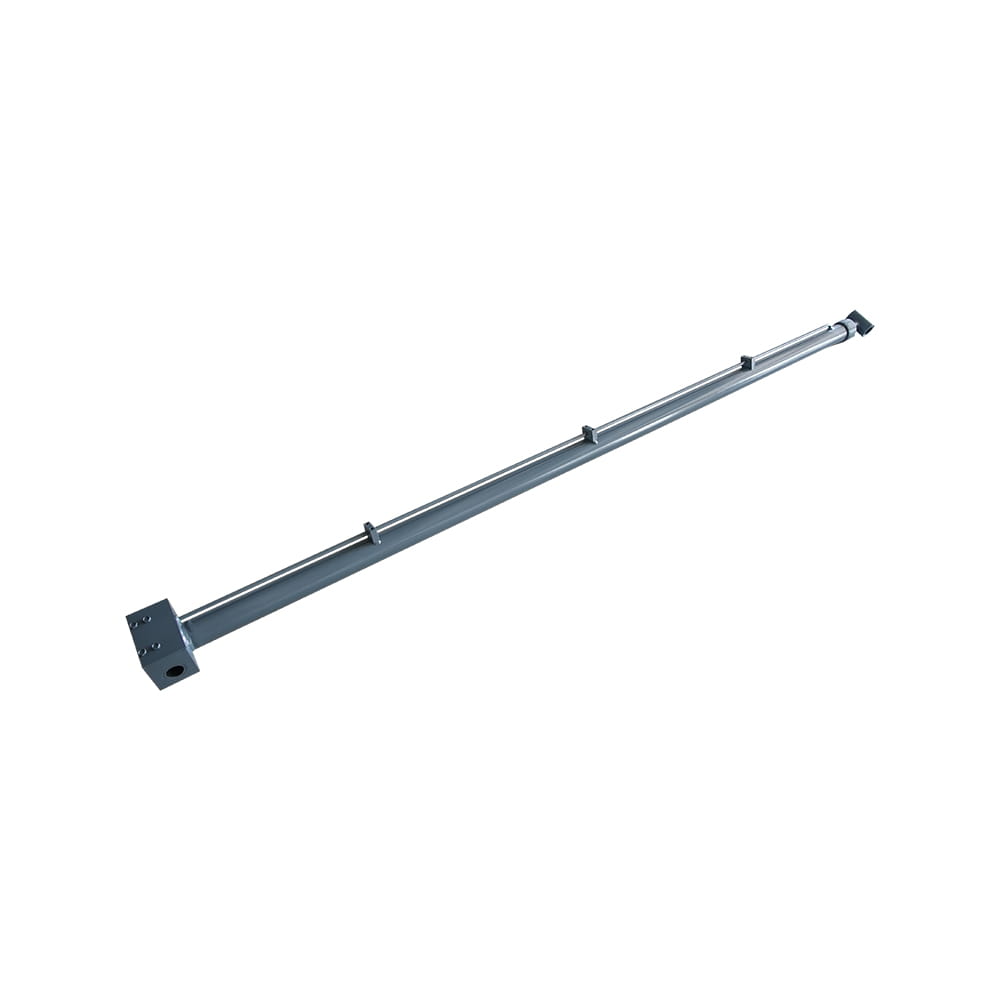
Boom Lift Aerial Platform Hydraulic Telescopic Cylinder
Function: Adjust the length of the arm to allow the aerial work platform to lift and move flexibly, ensuring range and height requirements.
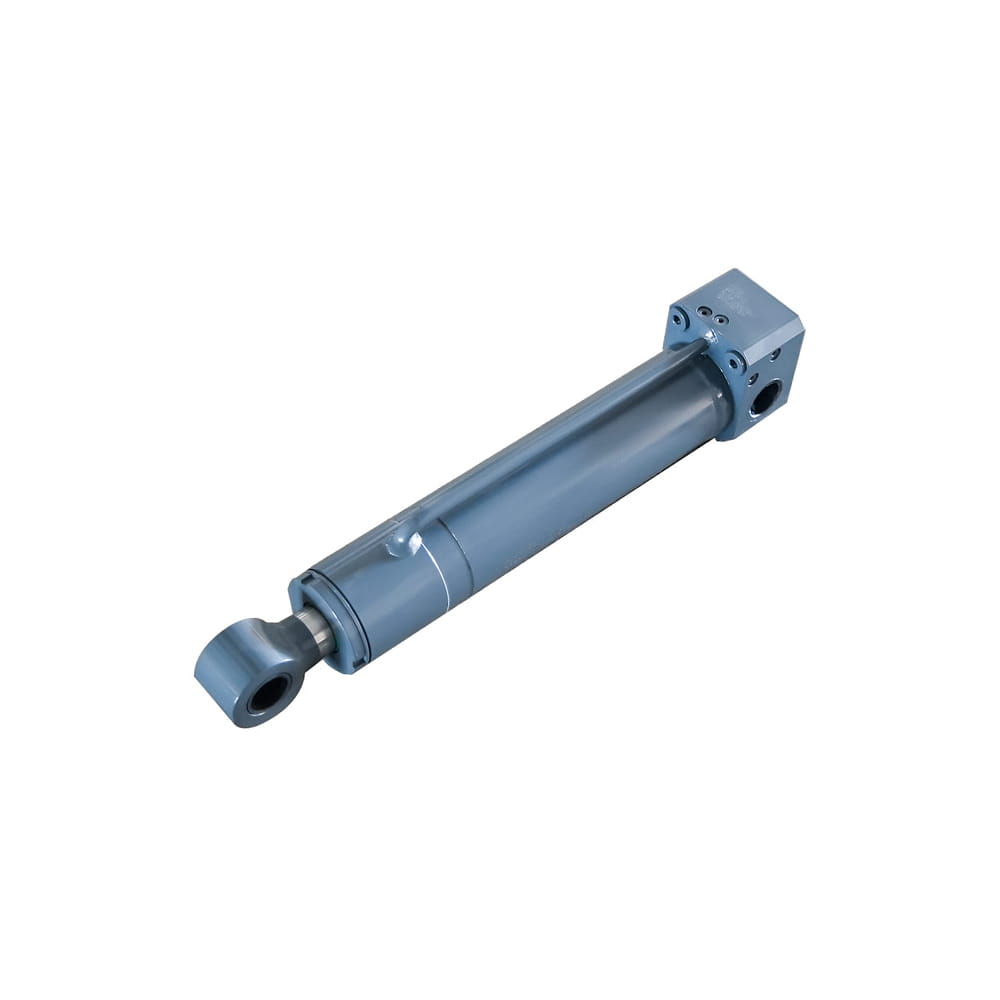
Boom Lift Aerial Platform Hydraulic Frame Leveling Cylinder
Function: Automatically adjust the chassis at the bottom of the platform to a level state, ensuring stable and wobble-free support in different terrains and wor...
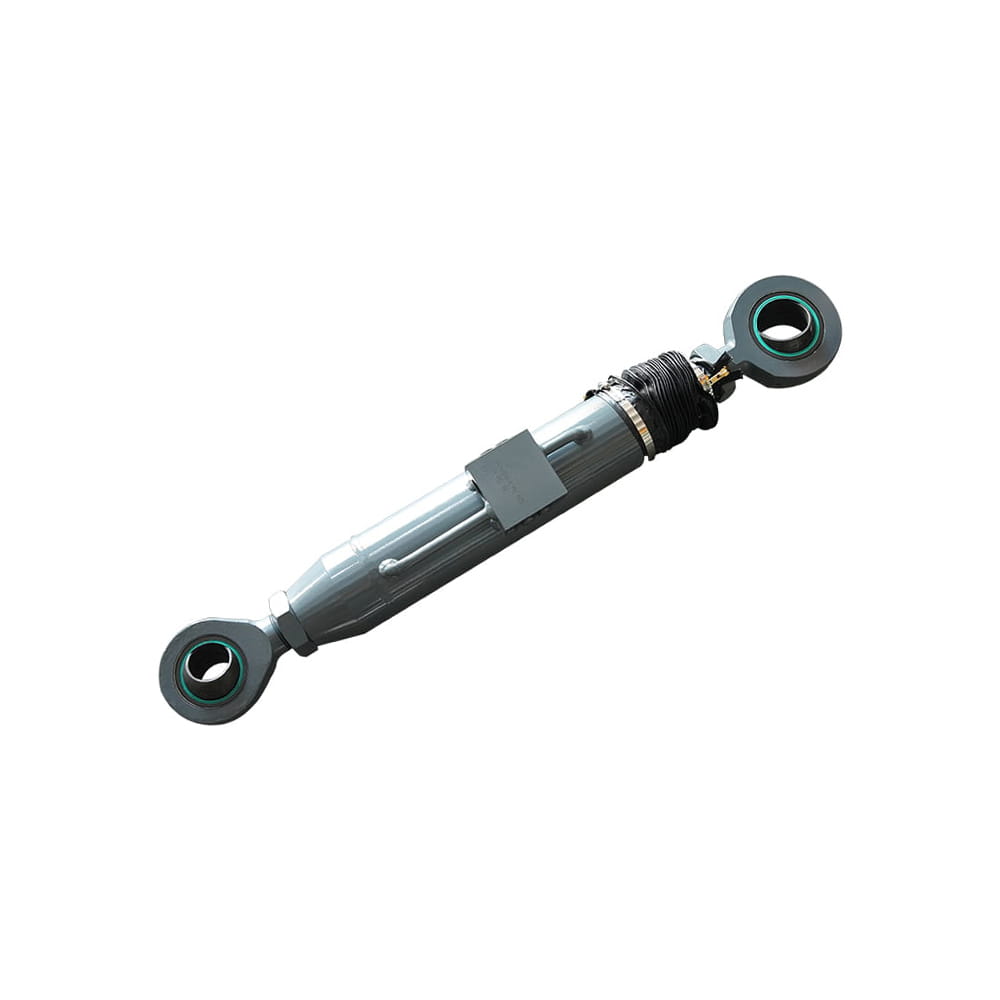
Boom Lift Aerial Platform Hydraulic Bridge Extension Cylinder
Function: An important design that enhances adaptability and working range. This function allows the platform to widen its chassis under specific conditions to ...
Copyright © by Zhejiang Huanfeng Machinery Co., Ltd. Rights Reserved.
