
 English
 中文简体
中文简体 русский
 Español
 Português
 عربى
عربىProduct Consultation
Your email address will not be published. Required fields are marked *
On a highway bridge project, the crane crew noticed that the rear left outrigger of their 55-ton truck crane had settled about 25 millimeters by mid-morning. The machine still looked level, but the load chart had been calculated on the assumption that all four outrigger cylinders would hold the frame rigid. The operator stopped the lift, blocked the load, and extended the outrigger back out. What he found was a piston seal leaking internally, allowing the rod to creep under pressure. Conversations about hydraulic outrigger cylinders rarely start in a design office. They usually start at the moment a machine begins to settle, tilt, or drip on site.
Content
A hydraulic outrigger cylinder is the vertical actuator that lowers the outrigger beam to the ground, lifts a portion of the gross vehicle weight off the suspension, and holds that position while the boom or platform is working. It does three things in one operation: extends to contact the ground, builds enough force to raise the chassis, and holds its stroke without internal leakage for the whole working cycle.
The holding duty is what separates an outrigger cylinder from a general-purpose cylinder. When a crane lifts near its rated capacity, each outrigger cylinder reacts against the tipping moment generated by the load. If the piston seal passes oil from the rod side to the cap side, the cylinder shortens, the reaction point shifts, and the stability margin shrinks. The same applies to an aerial work platform whose outriggers keep the chassis level while the boom reaches sideways, and to a bridge inspection vehicle whose outriggers support a platform hanging below deck level.
Most mobile machines use an H-type outrigger layout, with a horizontal beam cylinder and a vertical cylinder at each support point. Compact machines use A-type swing legs, and some tow trucks use direct-acting vertical cylinders at the rear. Every configuration shares one trait: the vertical outrigger cylinder carries the full reaction load and must hold it without visible drift.
Three parameters dominate outrigger cylinder selection: bore diameter, stroke, and rated working pressure. The available force equals the effective piston area multiplied by the system pressure. At 21 MPa, an 80 mm bore cylinder develops roughly 106 kN of vertical force, while a 100 mm bore cylinder develops about 165 kN. The specification has to cover not only the static reaction force from the load chart but also dynamic loads from boom swings, wind, and the shock of sudden braking or load release.
Stroke length controls how far the machine can level itself. A cylinder with too short a stroke leaves the machine unable to work on uneven ground; one with excessive stroke adds weight and exposes more rod surface to damage and chrome loss. On an aerial work vehicle, the outrigger cylinders effectively act as the leveling system, so the stroke, the integral leveling valve, and the chassis geometry must be coordinated as one package. When sourcing a replacement unit, a dedicated aerial work vehicle hydraulic outrigger cylinder matches the port arrangement and valve integration of the original equipment more closely than a generic cylinder of the same bore.
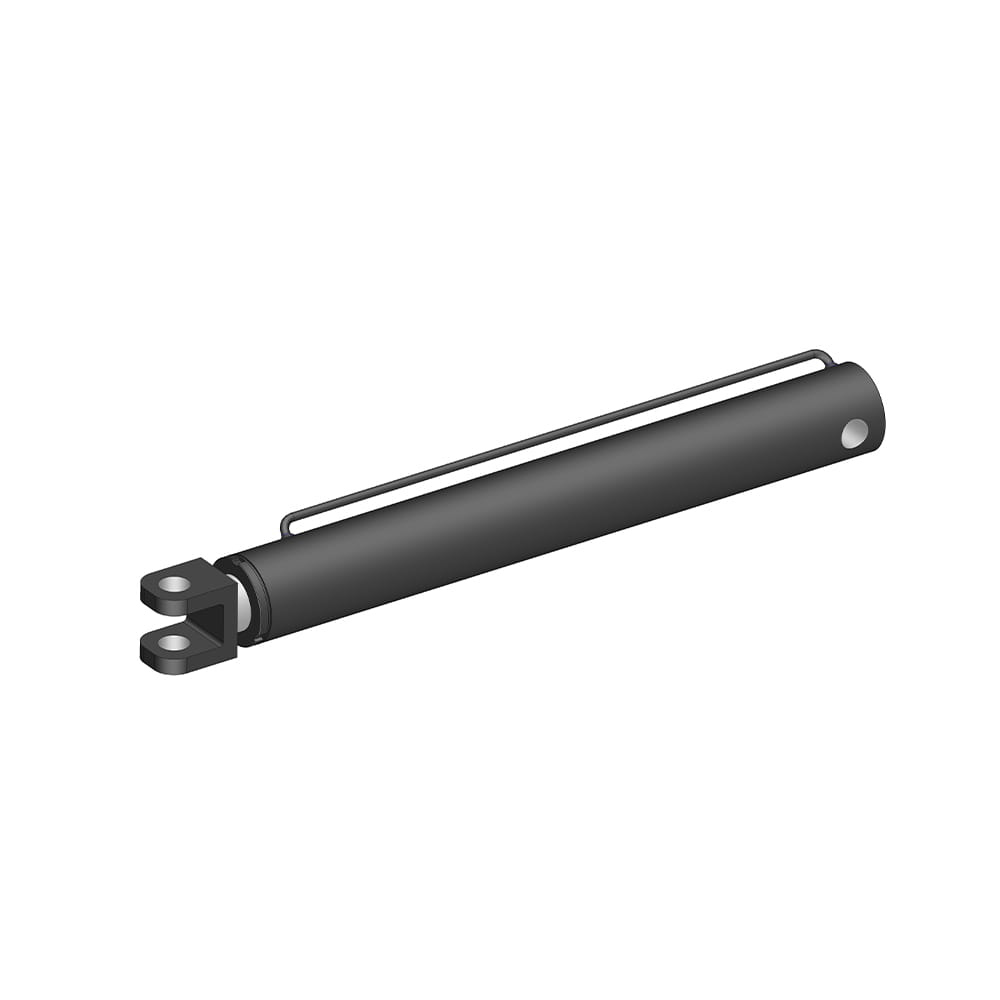 Custom Aerial Work Vehicle Hydraulic Outrigger Cylinder Suppliers, Factory - ZheZhejiang Huanfeng Machinery Co., Ltd is China Custom Aerial Work Vehicle Hydraulic Outrigger Cylinder Suppliers and factory, Cylinder ...View Product →
The holding valve is part of the cylinder specification, not an afterthought. A counterbalance valve or pilot-operated check valve mounted on the cylinder cap prevents the rod from retracting if a hose fails, and it also limits drift caused by internal leakage. Check the pilot ratio and the valve pressure rating against the maximum system pressure of the machine. For crane duty, where the outriggers carry the full lifting reaction through thousands of cycles, the cylinder needs a substantial rod, a robust gland, and a seal stack selected for sustained load holding. A truck-mounted crane hydraulic outrigger cylinder is built for this specific job.
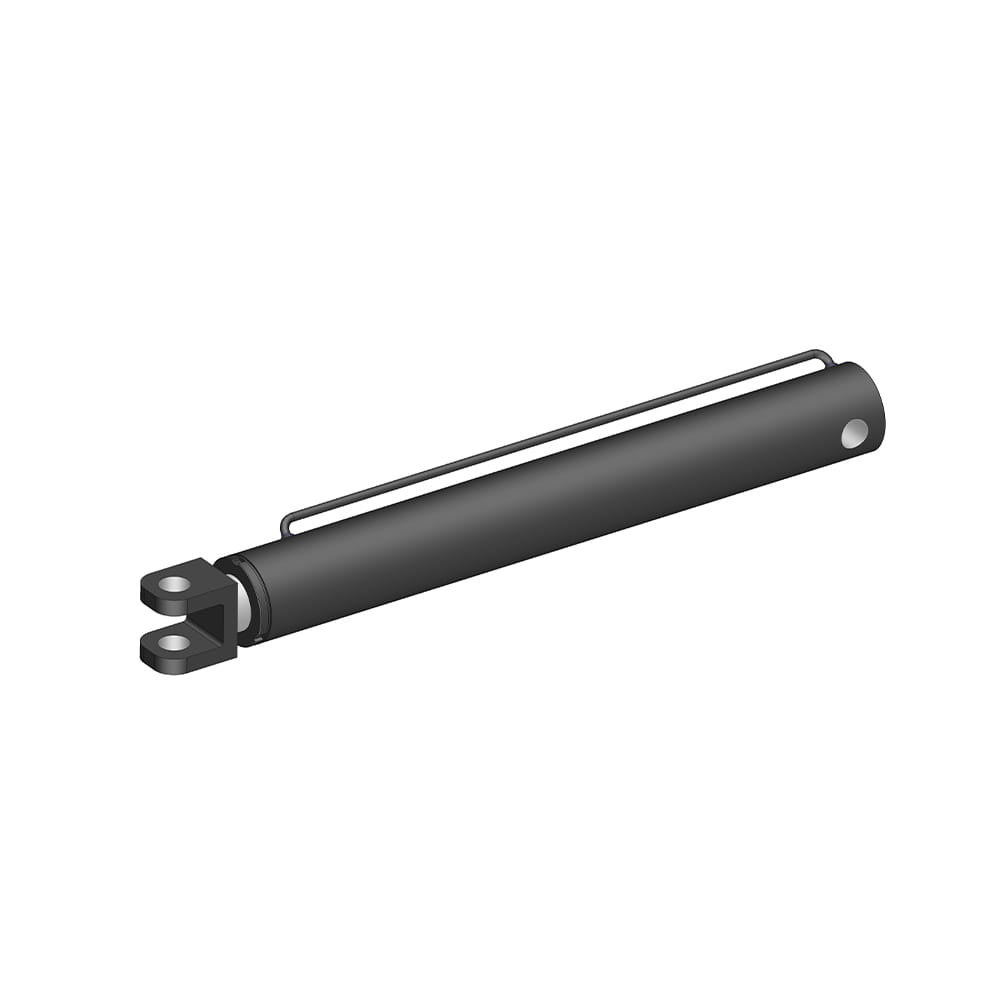 Custom Truck-Mounted Crane Hydraulic Outrigger Cylinder Suppliers, Factory - ZheZhejiang Huanfeng Machinery Co., Ltd is China Custom Truck-Mounted Crane Hydraulic Outrigger Cylinder Suppliers and factory, Cylinder ...View Product →
Outrigger cylinders live in the most exposed position on a mobile machine. They see road spray, de-icing salt, stone impact, and mud. The piston rod is the first line of defense. A rod surface roughness of about Ra 0.2 to 0.4 micrometers, combined with a hard-chrome layer of 20 to 30 micrometers on the running surface, gives the rod seal a stable sealing interface. When the chrome is thin or porous, moisture reaches the base metal, pits form, and the rough surface quickly destroys the rod seal.
The sealing arrangement on a well-built outrigger cylinder contains at least a rod seal, a wiper seal, and a buffer seal in the gland, plus a piston seal designed for very low leakage under sustained pressure. Guide rings in the gland and on the piston handle the side loads that occur when the outrigger beam deflects. These side loads are easy to underestimate; a beam that flexes under load can put a considerable bending moment on the rod. Cylinders with a longer gland and wider guide rings tolerate this bending far better than compact designs.
Welding quality and tube preparation determine whether the cylinder survives millions of cycles. Deep, controlled penetration welds at the base and rod end, a honed tube with consistent internal geometry, and careful chrome application are details that do not show up on a catalog drawing but are visible on a finished cylinder. This is why OEMs tend to work with a manufacturer that builds cylinders by application category rather than from a generic standard line; the seal stack, holding valve, and mounting style genuinely differ from one machine type to another.
Internal leakage is the most dangerous outrigger cylinder failure because it is invisible. The piston seal wears, oil passes across the piston, and the outrigger slowly retracts. The machine settles over minutes or hours. A simple drift test will expose the condition: extend the outrigger with the weight off the suspension, mark the rod at the gland face, hold the circuit pressure for 30 minutes, and re-check the mark.
When a cylinder develops a bent rod or heavy internal leakage, the repair is not limited to the damaged part. The piston seal, rod seal, wiper, and guide rings wear at different rates, and the tube may need re-honing. Replacing only the rod saves money in the short term but typically shortens the interval until the next failure.
A one-minute daily inspection is enough to catch most developing outrigger problems. Look at each rod for oil film, check the mounting bolts and welds, confirm that the pad is not worn through, and watch the rod for a few seconds after the control lever returns to neutral to confirm that it does not retract on its own.
Hydraulic oil cleanliness is the most overlooked factor in seal life. Dirt enters the system through breathers, worn guide rings, and dirty fill equipment. If the oil is maintained near ISO 4406 18/16/13 and the return filter is changed on schedule, the seals last significantly longer. Ground support matters as well. Outriggers should be deployed with load-spread pads over compacted ground. When a pad sinks, the cylinder extends beyond its normal working position, the rod is more exposed, and the machine must be re-leveled. On bridge inspection vehicles, the platform may stay suspended for hours, so the outrigger seals are stressed by sustained holding pressure. The bridge inspection vehicle hydraulic outrigger cylinder is specified with a seal package chosen for that continuous-duty condition.
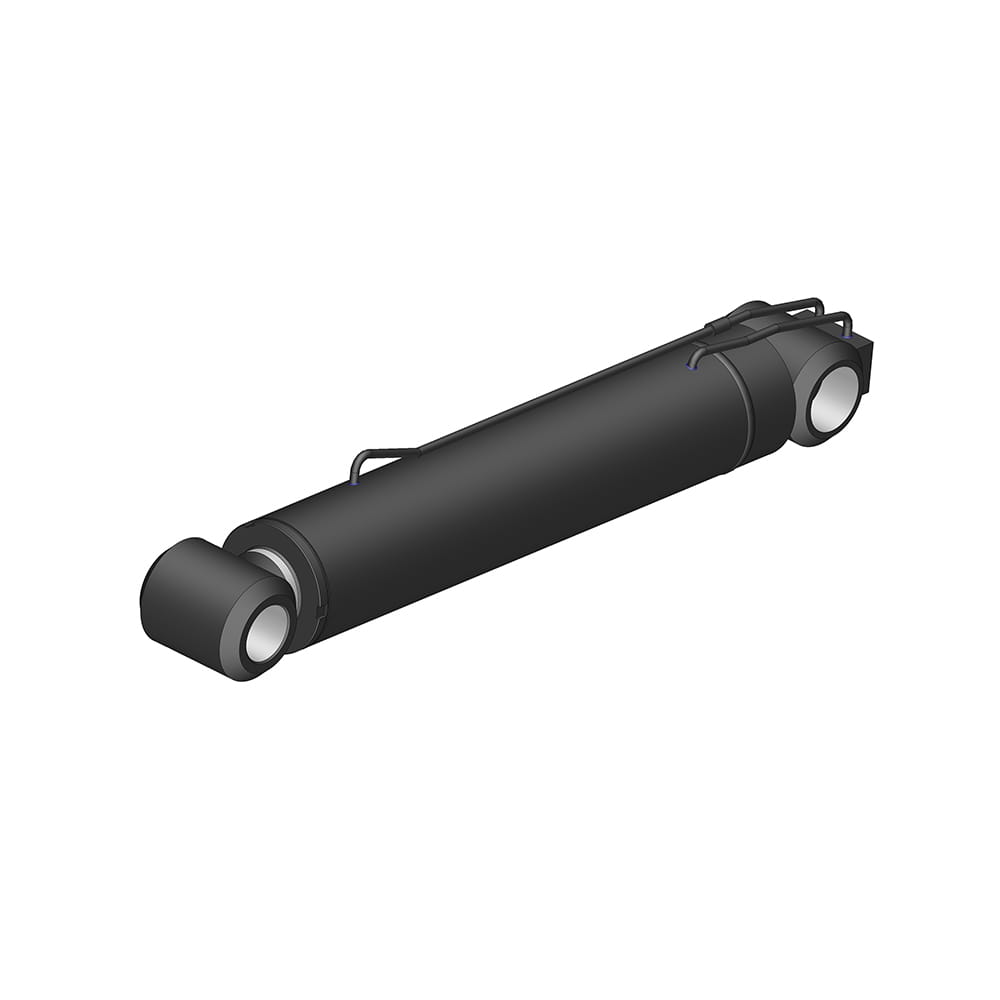 Custom Bridge Inspection Vehicle Hydraulic Outrigger Cylinder Suppliers, FactoryZhejiang Huanfeng Machinery Co., Ltd is China Custom Bridge Inspection Vehicle Hydraulic Outrigger Cylinder Suppliers and factory, Cyl...View Product →
The correct outrigger cylinder specification combines the machine reaction forces, the installation envelope, the leveling valve strategy, and the operating environment. A supplier that builds cylinders for cranes, aerial platforms, special vehicles, and piling equipment has direct experience with all of these variables. That experience appears in the details: how the ports are oriented, how the holding valve is mounted, how the rod is protected against bending, and how the seal stack is matched to the application. As the analysis of stability control hydraulic cylinders for side-mounted cranes shows, position holding is the core of outrigger safety, and it starts in the cylinder design rather than in the operator daily check.
The practical value of application-based design is traceability. The cylinder that lowers a truck-mounted crane outrigger is not interchangeable with the one that levels a bridge inspection platform, even when the bore diameter is the same. Stroke, valve package, mounting flanges, and seal materials all differ. Specifying each cylinder for the machine action it performs reduces installation problems, shortens the qualification cycle for new equipment programs, and makes spare parts planning predictable. That is the difference between buying a commodity cylinder and sourcing an engineered component.
Outrigger cylinders rarely announce their problems early. By the time a machine visibly settles or a rod shows rust streaks, seal damage has already begun. Routine inspection, clean oil, correct ground support, and a properly matched cylinder specification are the four measures that keep outriggers reliable. None of them is expensive. All of them are cheaper than the incident that follows a failed outrigger cylinder.
Your email address will not be published. Required fields are marked *
Marvelous Design Meets Rigorous Manufacturing
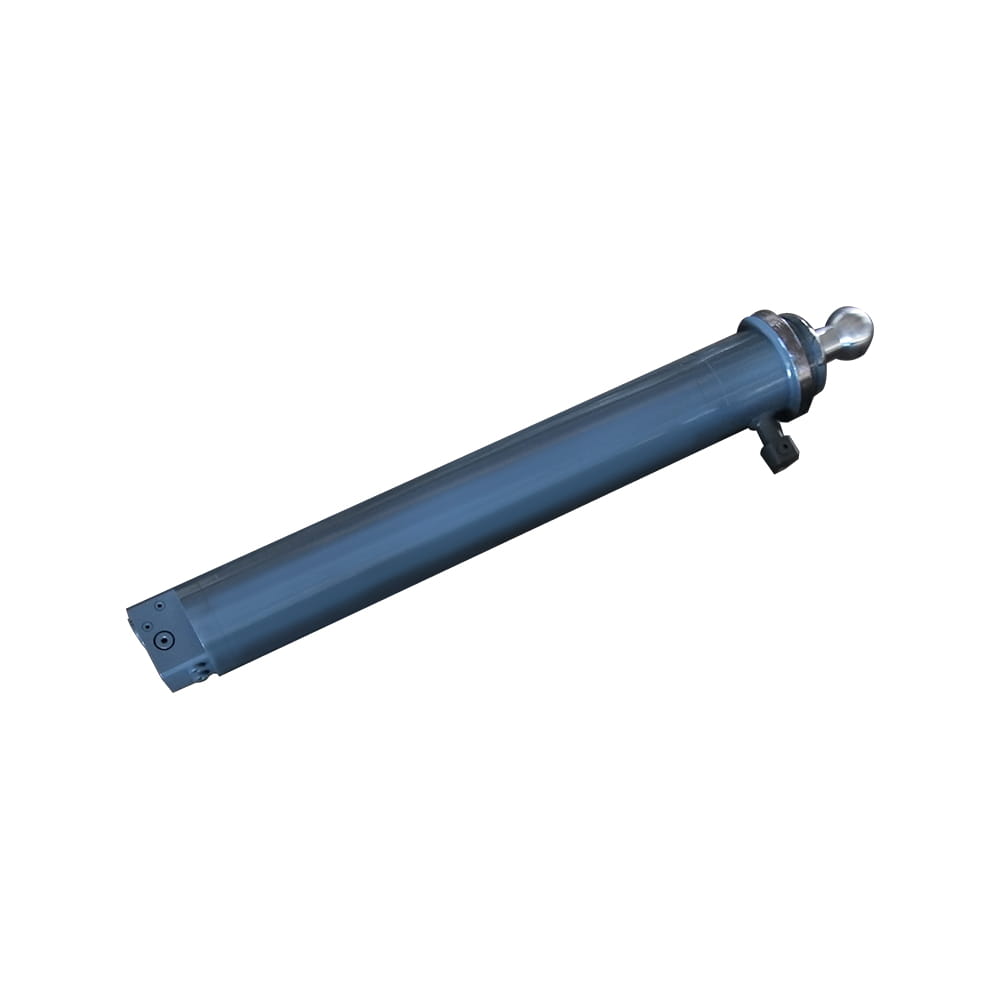 Scissor Lift Aerial Platform Hydraulic Outrigger Cylinder
Function: Firmly Supports the Vehicle: Ensures stability during operation. The ball-head foot automatically levels on slopes, while the integrated balance valve...
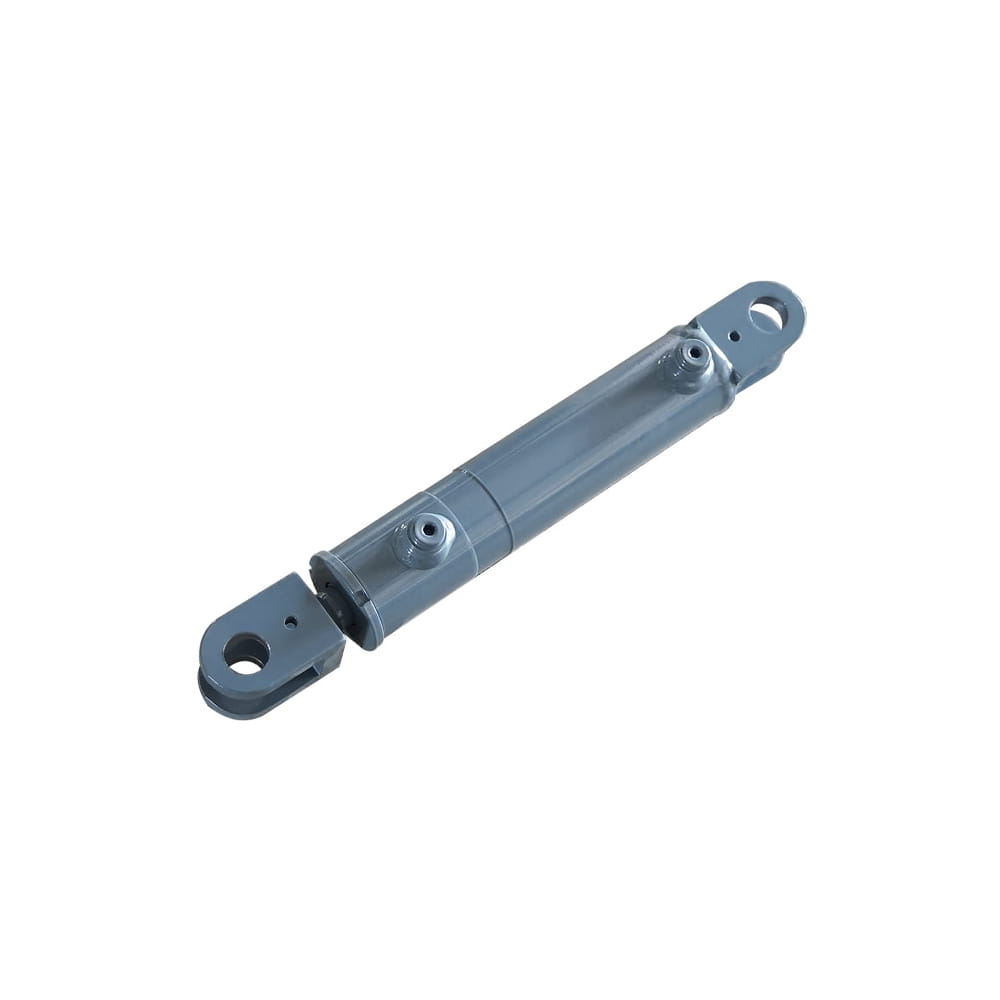 Scissor Lift Aerial Platform Hydraulic Steering Cylinder
Function: Connecting Chassis and Wheel Hub: Through hydraulic pressure, drives the piston rod to move, enabling precise wheel hub rotation. This ensures platfor...
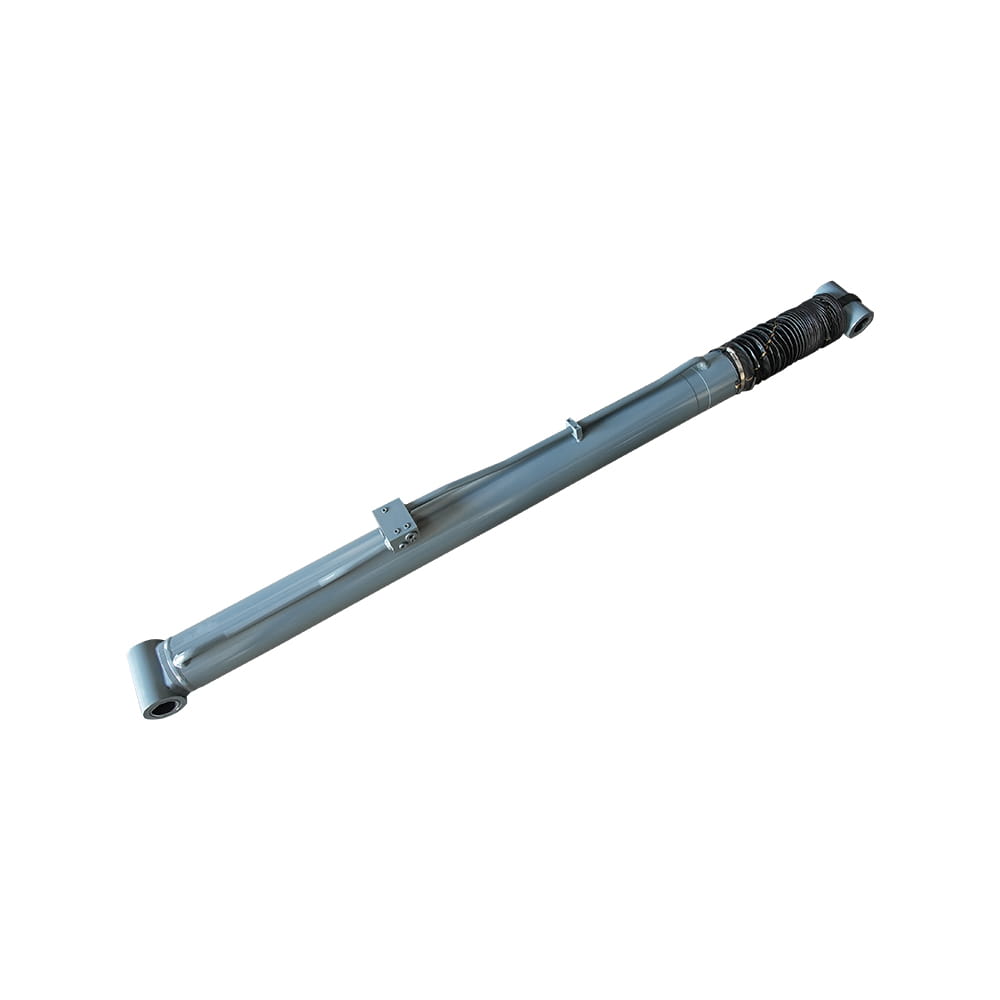 Boom Lift Aerial Platform Hydraulic Luffing Cylinder
Function: Adjust the angle of the telescopic arm to flexibly position the work platform at various heights and positions, meeting diverse aerial work requiremen...
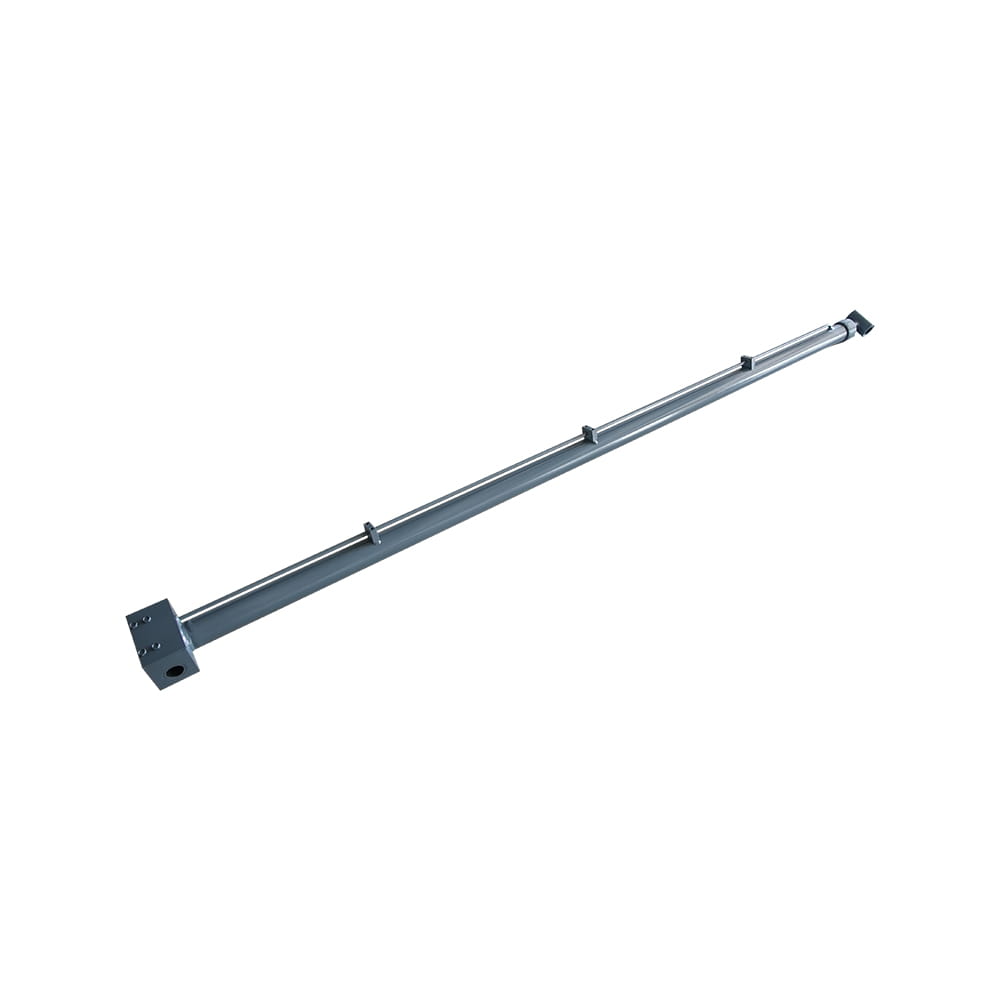 Boom Lift Aerial Platform Hydraulic Telescopic Cylinder
Function: Adjust the length of the arm to allow the aerial work platform to lift and move flexibly, ensuring range and height requirements.
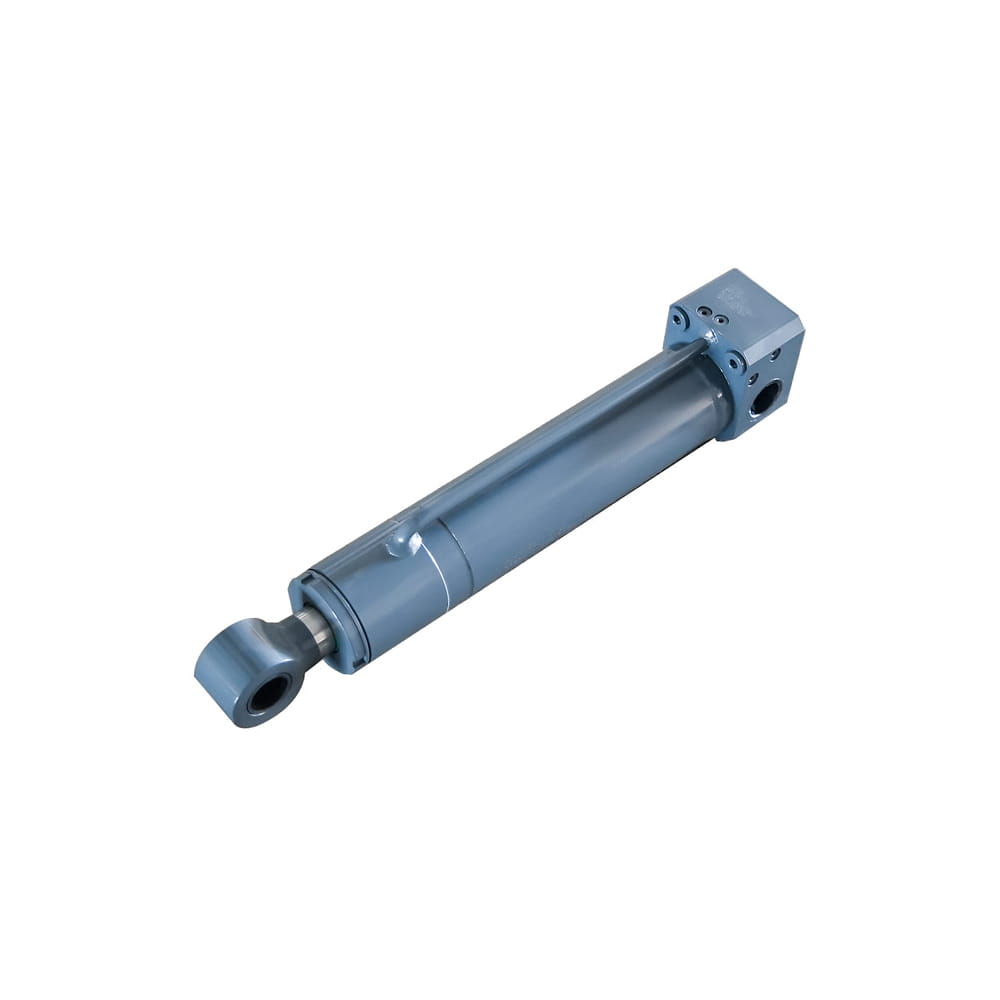 Boom Lift Aerial Platform Hydraulic Frame Leveling Cylinder
Function: Automatically adjust the chassis at the bottom of the platform to a level state, ensuring stable and wobble-free support in different terrains and wor...
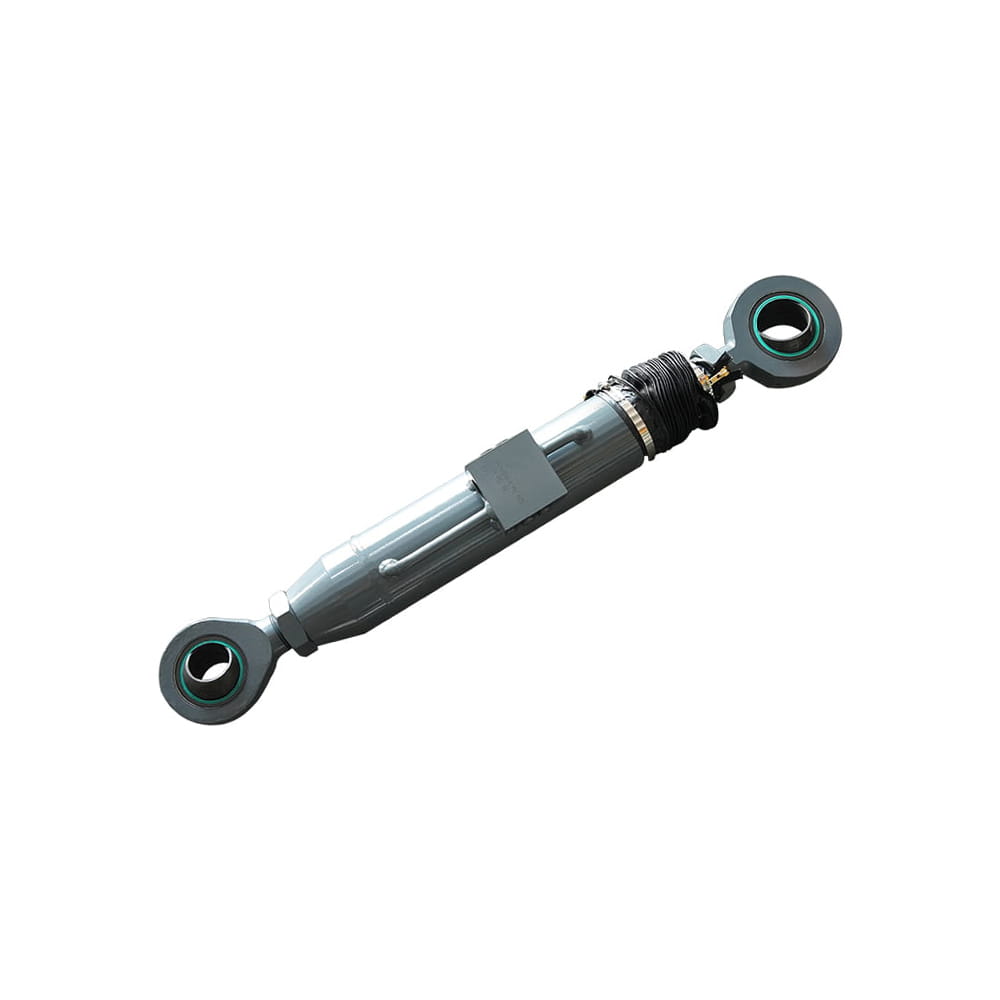 Boom Lift Aerial Platform Hydraulic Bridge Extension Cylinder
Function: An important design that enhances adaptability and working range. This function allows the platform to widen its chassis under specific conditions to ...
Copyright © by Zhejiang Huanfeng Machinery Co., Ltd. Rights Reserved.
