
Product Consultation
Your email address will not be published. Required fields are marked *
Content
Executive Briefing for Procurement Teams
Critical Component: The lower arm cylinder serves as the primary load-bearing actuator in excavators, loaders, and heavy lifting equipment. Its failure accounts for over 35% of unplanned hydraulic downtime in earthmoving machinery.
2026 Market Shift: Demand for high-pressure (35MPa+) lower arm cylinders with integrated position sensing has grown 12% YoY, driven by automation trends and stricter emission-linked efficiency standards.
Sourcing Reality: Total Cost of Ownership (TCO) varies by up to 40% between OEM-grade and aftermarket lower arm cylinders. Seal material compatibility and rod surface finish are the two most overlooked specifications that dictate lifespan.
In the demanding world of heavy machinery hydraulics, few components endure the punishing combination of shock loads, contamination exposure, and continuous cycling quite like the lower arm cylinder. Whether you are specifying replacement units for a fleet of 20-ton excavators or designing next-generation lifting systems, understanding the precise engineering parameters of this critical actuator is non-negotiable. This comprehensive technical guide, compiled by the engineering team at Zhejiang Huanfeng Machinery Co., Ltd., moves beyond generic catalog data to provide actionable intelligence on material science, seal dynamics, manufacturing tolerances, and lifecycle economics specifically tailored for B2B buyers and maintenance directors.
Unlike standard linear actuators, the lower arm cylinder operates in a unique kinematic environment where side-loading forces can exceed 15% of the axial thrust during digging cycles. This reality demands specialized design considerations—from hardened chrome plating thickness to piston rod bearing ratios—that generic hydraulic guides often overlook. Below, we dissect every dimension of lower arm cylinder technology to empower your procurement and engineering decisions with confidence.
A premium lower arm cylinder is not merely a steel tube with a piston; it is a precision assembly where micron-level tolerances determine whether the unit lasts 8,000 hours or fails at 2,000. Understanding these four foundational subsystems is essential for evaluating supplier quality.
The barrel must withstand internal pressures exceeding 35 MPa without elastic deformation. Premium manufacturers use cold-drawn seamless steel tubing (ST52.3 or E355 grade) with honed internal surfaces achieving Ra ≤ 0.2μm. This mirror finish minimizes friction against piston seals and prevents micro-scoring that accelerates wear. Wall thickness is calculated using Lame’s equations with a minimum safety factor of 3.5:1 against burst pressure.
The rod is the most vulnerable component in any lower arm cylinder. Industry best practice specifies C45E or 42CrMo4 steel, induction-hardened to 55-62 HRC at a depth of 1.5-3mm. Chrome plating must be ≥ 40μm thick with a hardness of ≥ 900 HV to resist abrasion from silica dust and impact damage. Surface roughness should not exceed Ra 0.1μm. For corrosive environments, nickel-chrome composite plating or stainless steel overlay is mandatory.
Seals account for 70% of lower arm cylinder field failures. A robust system uses a multi-stage approach: polyurethane U-cups for primary rod sealing, nitrile or fluorocarbon O-rings for static gland sealing, and bronze-filled PTFE wear rings to absorb side loads. For temperatures exceeding 120°C or phosphate ester fluids, Viton® or Kalrez® compounds are required. Always verify seal compatibility with your specific hydraulic fluid ISO VG grade and additive package.
Lower arm cylinders experience extreme deceleration forces at stroke endpoints during digging and dumping cycles. Integrated cushioning mechanisms—either fixed-orifice or adjustable needle-valve types—are critical to prevent metal-to-metal impact that cracks end caps and damages pistons. Properly tuned cushions reduce peak shock pressures by 40-60%, directly extending bearing and seal life. Specify adjustable cushions for applications with variable cycle speeds.
Understanding market segmentation helps B2B buyers benchmark supplier capabilities and anticipate lead times. Based on aggregated shipment data from Zhejiang Huanfeng Machinery and industry analysts through Q2 2026, the following distribution reflects global demand patterns for lower arm cylinder assemblies.
B2B buyers frequently face the dilemma of choosing between OEM-branded and qualified aftermarket lower arm cylinders. The following matrix compares critical engineering parameters across three quality tiers based on teardown analysis and field performance data collected by Zhejiang Huanfeng’s R&D department.
Published specifications tell only part of the story. Field reliability depends on hidden manufacturing and testing variables that separate truly durable lower arm cylinders from those that merely look adequate on paper. The following visualization benchmarks three supplier tiers against four critical but rarely disclosed performance indicators.
Selecting a lower arm cylinder is fundamentally an economic decision disguised as a technical one. The cheapest unit often costs 3-5x more over five years when factoring in downtime, labor, secondary damage, and lost productivity. Follow this phased roadmap to maximize return on investment.
Before replacing any lower arm cylinder, conduct forensic analysis of the failed unit. Document seal wear patterns, rod scoring location, barrel honing marks, and weld crack origins. This data reveals systemic issues—misalignment, contamination, cavitation, or overloading—that will destroy any replacement if unaddressed.
Define operating envelope: max pressure, cycle frequency, ambient temperature range, fluid type, side load magnitude, and environmental exposure. Match seal compounds, rod coating, cushion type, and port sizing to actual conditions—not just OEM part numbers. Request CFD validation for high-cycle applications.
Audit potential suppliers for: CNC honing equipment, automated chrome plating lines, clean-room assembly areas, 100% pressure testing protocols, and traceability systems. Request sample units for independent lab validation. Verify ISO 9001 certification scope includes hydraulic cylinder manufacturing.
Ensure pin bore alignment within 0.05mm parallelism. Use torque wrenches for all mounting hardware per manufacturer specs. Bleed air completely before applying full load. Run break-in procedure at 50% pressure for first 30 minutes. Record baseline drift test results for future comparison.
Implement quarterly drift tests and annual oil particle counting (ISO 4406). Track cylinder extension/retraction times for early detection of internal bypass. Schedule preventive resealing at 70% of expected life rather than waiting for leakage. Maintain digital twin records for each serial number.
Even the finest lower arm cylinder will underperform without disciplined maintenance. Adhering to these protocols ensures warranty validity and maximizes asset utilization across your fleet.
The lower arm cylinder remains one of the most mission-critical yet misunderstood components in mobile hydraulic systems. As this guide has demonstrated, successful procurement transcends simple dimensional matching—it demands rigorous evaluation of metallurgical quality, seal system architecture, manufacturing process controls, and lifecycle economics. The gap between a premium-engineered unit and a commodity alternative manifests not in purchase price, but in thousands of dollars of avoided downtime, extended service intervals, and preserved machine resale value over decades of operation.
Zhejiang Huanfeng Machinery Co., Ltd. brings over two decades of specialized hydraulic cylinder manufacturing expertise to every lower arm cylinder we produce. Our vertically integrated facility encompasses cold drawing, CNC honing, automated chrome plating, clean-room assembly, and 100% pressure testing—all under ISO 9001 certified processes. Whether you need direct OEM cross-replacements, custom-engineered solutions for severe-duty applications, or volume aftermarket programs for fleet standardization, our engineering team stands ready to validate specifications and optimize total cost of ownership for your specific operating environment.
Request your complimentary engineering consultation, detailed product catalog, and competitive quotation for lower arm cylinder solutions tailored to your fleet requirements.
© 2026 Zhejiang Huanfeng Machinery Co., Ltd. All rights reserved. | Comprehensive Technical Guide: Lower Arm Cylinder for B2B Hydraulic Procurement
Your email address will not be published. Required fields are marked *
Marvelous Design Meets Rigorous Manufacturing
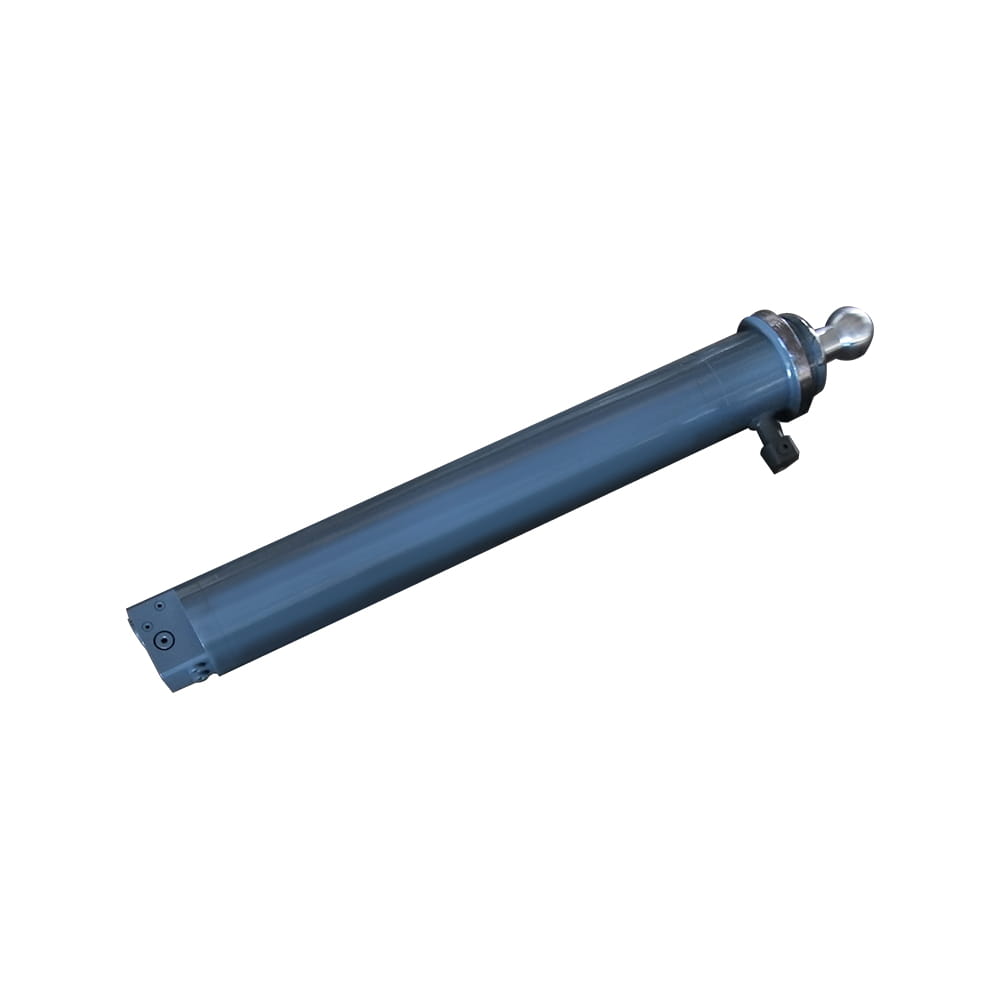
Scissor Lift Aerial Platform Hydraulic Outrigger Cylinder
Function: Firmly Supports the Vehicle: Ensures stability during operation. The ball-head foot automatically levels on slopes, while the integrated balance valve...
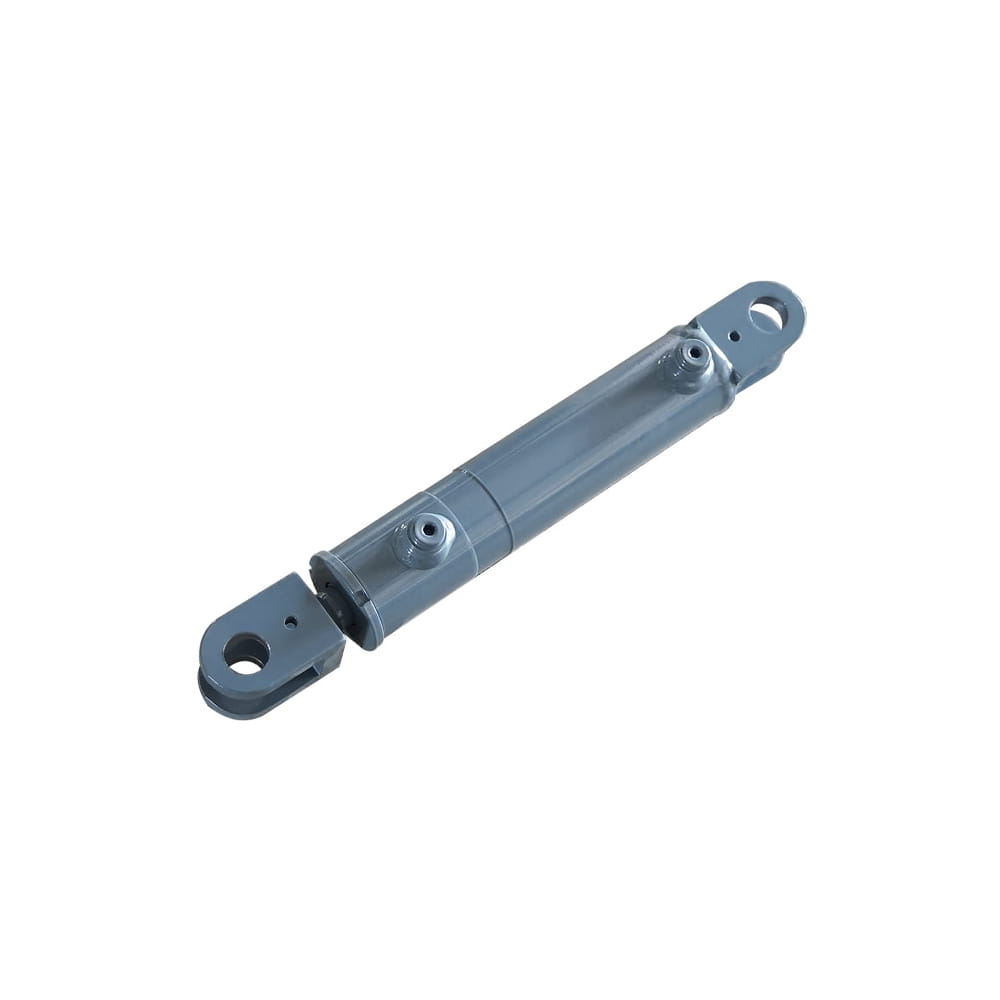
Scissor Lift Aerial Platform Hydraulic Steering Cylinder
Function: Connecting Chassis and Wheel Hub: Through hydraulic pressure, drives the piston rod to move, enabling precise wheel hub rotation. This ensures platfor...
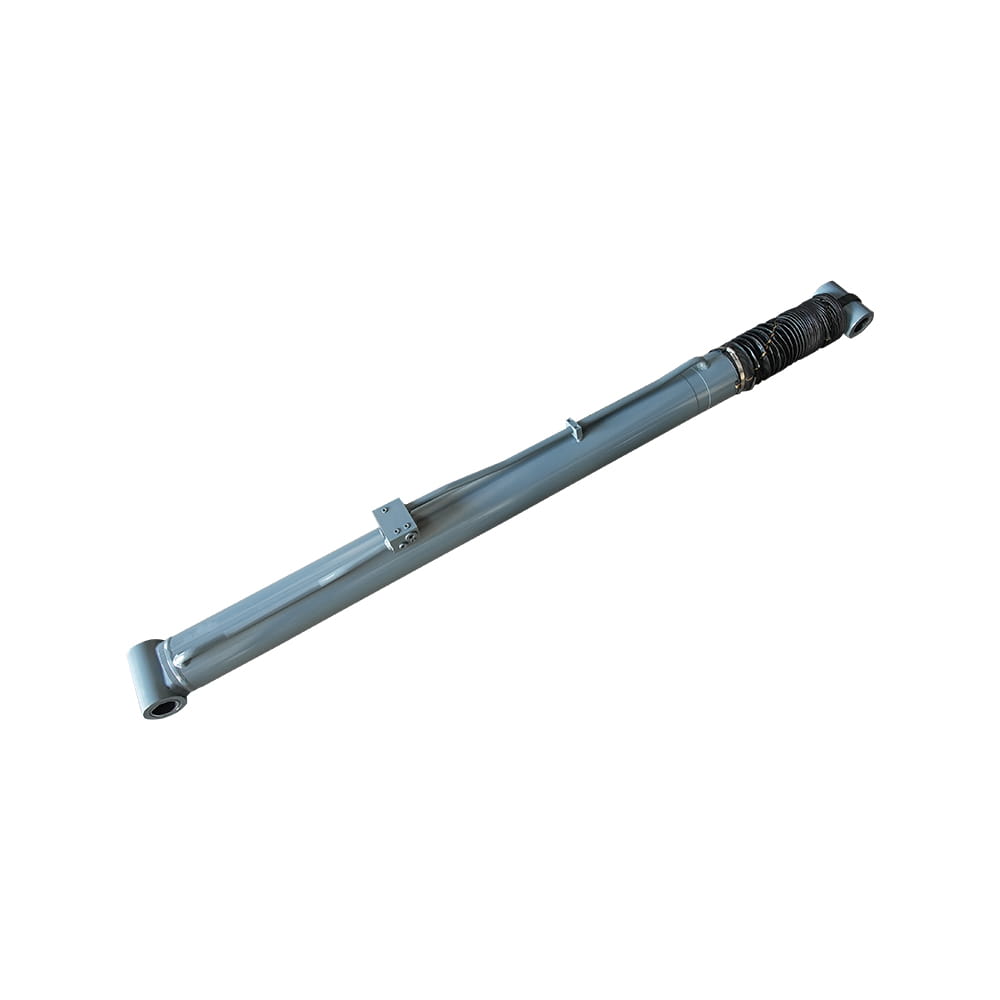
Boom Lift Aerial Platform Hydraulic Luffing Cylinder
Function: Adjust the angle of the telescopic arm to flexibly position the work platform at various heights and positions, meeting diverse aerial work requiremen...
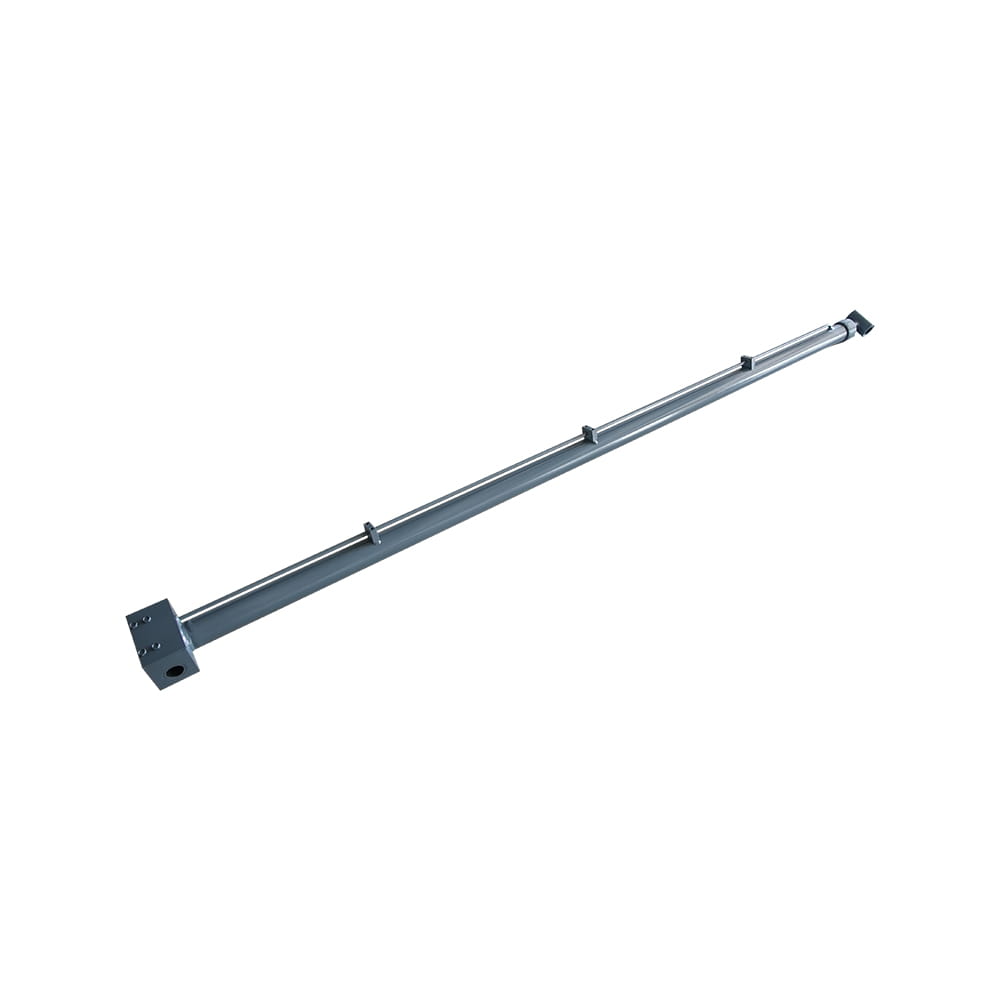
Boom Lift Aerial Platform Hydraulic Telescopic Cylinder
Function: Adjust the length of the arm to allow the aerial work platform to lift and move flexibly, ensuring range and height requirements.
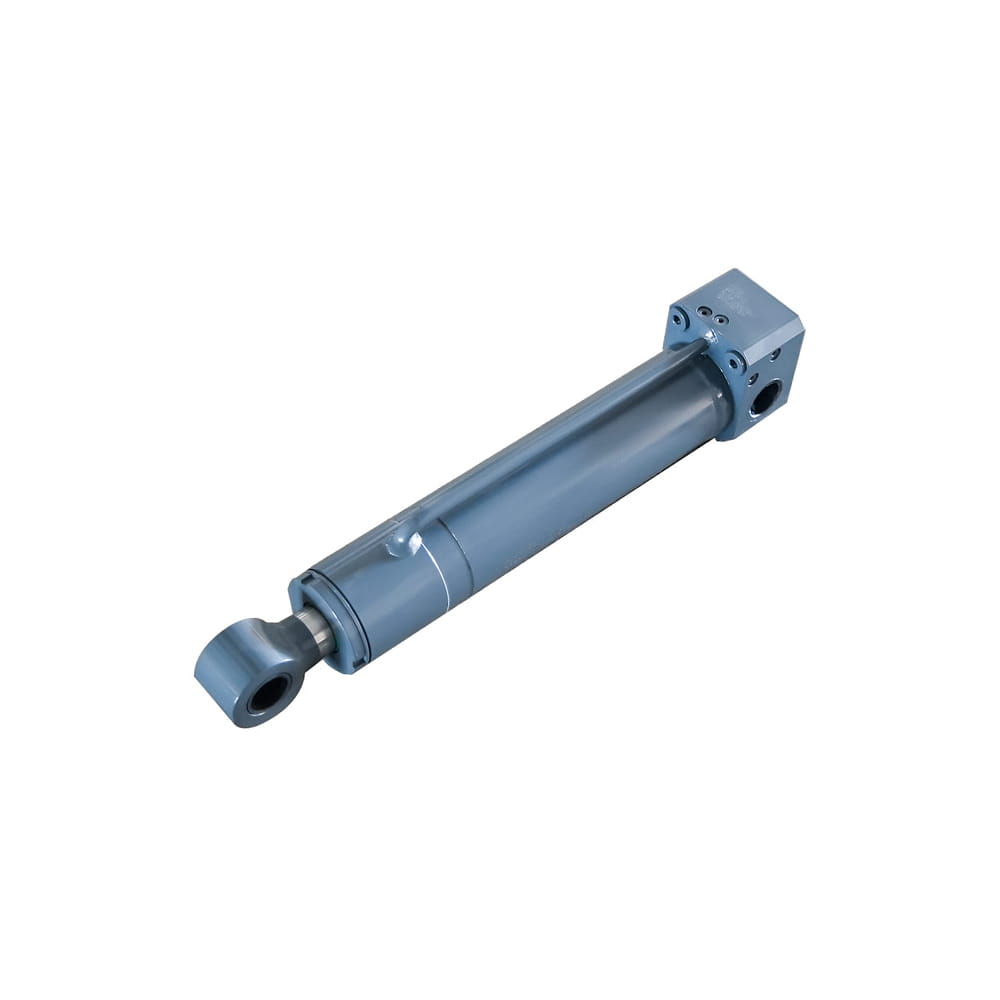
Boom Lift Aerial Platform Hydraulic Frame Leveling Cylinder
Function: Automatically adjust the chassis at the bottom of the platform to a level state, ensuring stable and wobble-free support in different terrains and wor...
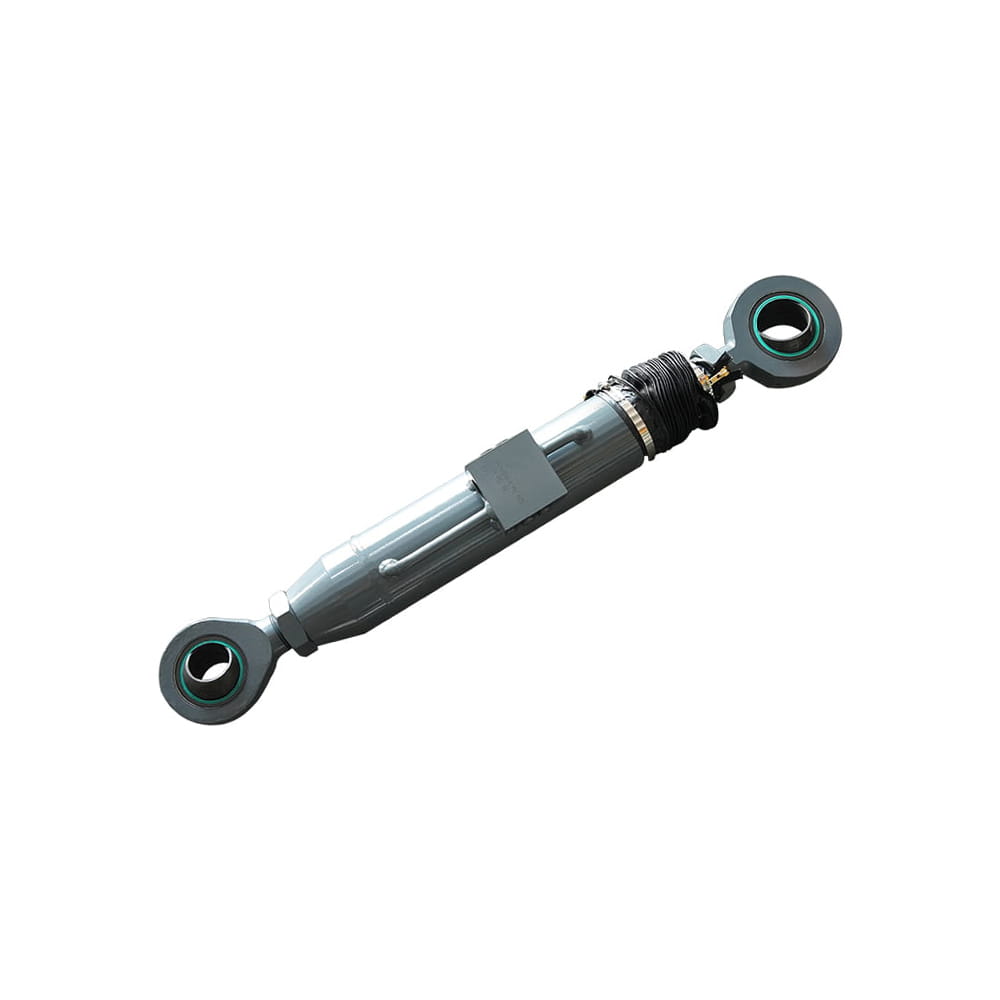
Boom Lift Aerial Platform Hydraulic Bridge Extension Cylinder
Function: An important design that enhances adaptability and working range. This function allows the platform to widen its chassis under specific conditions to ...
Copyright © by Zhejiang Huanfeng Machinery Co., Ltd. Rights Reserved.
